Palmarosa Oil for Skin: A Balancing Routine for Face and Body
Palmarosa essential oil has a quiet reputation among people who care deeply about what goes on their skin. Distilled from a tall grass native to South and Southeast Asia, it carries a soft, rosy-green scent that sits somewhere between rose geranium and lemongrass. The oil is rich in geraniol, a naturally occurring compound associated with a fresh floral character and a long history of use in cosmetics and perfumery. If you are curious about palmarosa oil benefits for skin and want to build a practical, grounded routine around it, this guide walks you through exactly that.
This is not a promise of miracles. It is a practical, honest look at how to incorporate this botanical ingredient into your face and body care, with the right dilutions, the right carriers, and realistic expectations.
What Makes Palmarosa Interesting for Skin?
The geraniol content in palmarosa oil is notably high, often ranging between 75 and 95 percent depending on the origin and distillation method. Geraniol is also found in rose otto, geranium, and citronella, which explains why palmarosa blends so naturally into cosmetic formulations. Formulators have used it for decades as a cost-effective way to add a rosy quality to creams and serums without reaching for the far more expensive rose otto.
From a skin-care perspective, palmarosa is often described as having a balancing quality. People who use it regularly report that it seems to suit a range of skin types, from oilier complexions looking for a lighter floral oil to drier skin that needs something softening in the formula. Some research observations suggest geraniol may interact with the skin's surface in ways that support moisture retention, though this is an area where science is still developing, and no definitive conclusions should be drawn from early findings.
For a broader look at how this oil fits into both skin care and home fragrance, visit our guide on how to use palmarosa oil in skin care and home fragrance.
Before You Begin: Safety and Sourcing
Good results start with a good bottle. Palmarosa is one of the more reliably affordable essential oils, but that affordability also attracts adulteration. Look for bottles that list the Latin name Cymbopogon martinii on the label, ideally with a batch-specific GC/MS (gas chromatography/mass spectrometry) report available from the supplier. A reputable supplier will not hesitate to share this data.
Dilution is Non-Negotiable
Essential oils are highly concentrated plant extracts. Palmarosa must always be diluted in a carrier oil, lotion, or other cosmetic base before it touches your skin. Using it undiluted (a practice sometimes called "neat" application) raises the risk of sensitization, which can make you permanently reactive to the oil. Once sensitization occurs, it cannot be reversed.
- Face: Use a 1 percent dilution. That is roughly 1 drop of essential oil per teaspoon (5 ml) of carrier oil.
- Body: Use a 2 to 3 percent dilution. That is 2 to 3 drops per teaspoon of carrier, or 12 to 18 drops per ounce (30 ml).
- Sensitive skin: Start at 0.5 percent on the face and increase only if your skin tolerates it well over two weeks.
Patch Test Every Time with a New Batch
Even if you have used palmarosa before, test each new bottle. Apply your diluted blend to the inside of your elbow, cover lightly, and wait 24 hours. If you notice redness, itching, or any unusual sensation, do not continue using that formulation on your face or body. Consult a dermatologist if a reaction persists.
Contraindications to note: Palmarosa is generally considered well-tolerated, but if you are pregnant, nursing, or have a diagnosed skin condition, please consult a qualified healthcare provider before adding any new essential oil to your routine. This guide is for general cosmetic use only.
What You Will Need
For the Face Routine
- 1 small amber or dark glass dropper bottle (10 ml or 15 ml)
- A facial carrier oil suited to your skin type (suggestions below)
- Palmarosa essential oil (Cymbopogon martinii, steam distilled)
- A clean measuring spoon or pipette
- A label and marker to record your formula and date
Choosing Your Facial Carrier Oil
The carrier you choose shapes the texture and the experience of the finished product.
| Carrier Oil | Texture | Best Suited For |
|---|---|---|
| Jojoba (technically a liquid wax) | Light, non-greasy | Oilier or combination skin |
| Rosehip seed oil | Dry-finish, absorbs quickly | Uneven tone, dull-looking skin |
| Squalane (plant-derived) | Very light, silky | Most skin types, especially sensitive |
| Marula oil | Medium, softening | Drier or more mature skin |
For the Body Routine
- A 2-ounce (60 ml) glass or PET plastic bottle
- Unscented body oil or lotion base
- Palmarosa essential oil
- Optional: a complementary essential oil such as ylang-ylang, geranium, or sweet orange (keep total essential oil blend within the 2 to 3 percent range)
Step-by-Step: The Palmarosa Face Routine
Step 1. Cleanse Your Face First
Always apply a facial oil to clean skin. Residue from sunscreen, makeup, or daily grime can create a barrier that reduces how well the oil absorbs. Use your regular cleanser and gently pat your face dry, leaving a little moisture on the surface. Facial oils absorb better into slightly damp skin.
Step 2. Blend Your Facial Oil Ahead of Time
Do not try to measure drops into your palm in the moment. Blend a full 10 ml or 15 ml batch in advance so your ratios stay consistent. For a 10 ml bottle at 1 percent dilution, add 2 drops of palmarosa essential oil to your chosen carrier, cap the bottle, and roll it gently between your palms to combine. Label the bottle with the date and formula. Most facial oils are best used within three to six months.
If you want a more complex, rosy blend for your face, our recipe in the DIY palmarosa facial oil guide offers several beautifully layered options.
Step 3. Warm the Oil in Your Hands
Dispense 3 to 5 drops of your blended oil into your palms. Press your hands together and hold them there for about ten seconds. The warmth activates the scent and makes the oil glide more easily across the skin. Take a slow breath in at this point. The soft floral scent of palmarosa is one of its genuine pleasures.
Step 4. Press, Do Not Drag
Press your palms gently against your cheeks, forehead, and chin. Then use your fingertips to pat the oil into the skin rather than rubbing or dragging. Working from the center of the face outward and slightly upward tends to feel most comfortable. Pay particular attention to the sides of the nose and the jawline, which are often neglected in facial oil application.
Step 5. Give It Two Minutes
Sit quietly for two minutes after applying. This lets the oil begin to absorb without immediately being diluted by moisturizer or SPF layered on top. If your skin feels well-hydrated after this wait, you may not need an additional moisturizer underneath, depending on your skin's needs and the climate you live in. If you do layer products, apply the facial oil last in your routine (with the exception of SPF, which always goes on top and should never be replaced by an oil).
Step 6. Use SPF in the Morning
Palmarosa oil does not provide sun protection. If this is your morning routine, apply a broad-spectrum SPF product after your oil has absorbed. This step is non-optional for daytime use.
Step-by-Step: The Palmarosa Body Routine
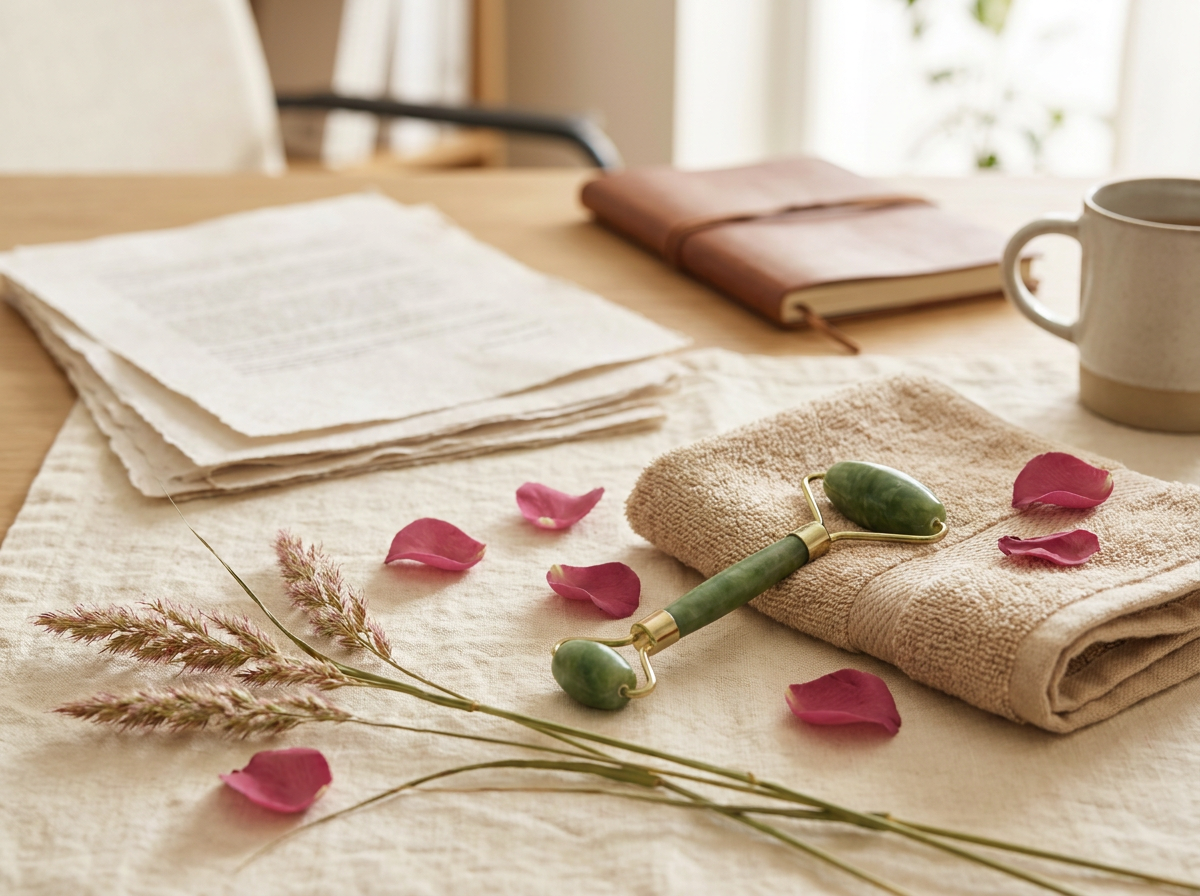
The palmarosa essential oil skin benefits that people report on the face translate well to the body too, particularly in terms of a softening, pleasantly scented after-bath ritual. The body routine is more forgiving with dilution (up to 3 percent) and is a good place to experiment with blending.
Step 1. Make Your Body Oil or Lotion Blend
Into a 2-ounce (60 ml) bottle of unscented body oil or lotion, add 36 drops of palmarosa essential oil for a 3 percent dilution. If you want to blend palmarosa with another oil, keep the total number of drops at 36. For example, 24 drops of palmarosa and 12 drops of sweet orange creates a fresher, more citrusy profile. Cap, shake or roll gently, and label with the date.
A word on using a lotion base versus a straight carrier oil: a lotion base (oil-in-water emulsion) tends to absorb more quickly and feel less greasy on larger body surfaces. A straight carrier oil often feels more luxurious but may need more time to sink in. Both work well.
Step 2. Apply Immediately After Bathing
The best window for body oil application is within two minutes of stepping out of the shower or bath, while your skin is still slightly damp. Pat off excess water but do not dry completely. The oil will emulsify lightly with the surface water and spread more easily, and people generally find the absorption faster and more even.
Step 3. Work Section by Section
Dispense a small amount into your palm and work from one area to the next: shins and feet, then thighs, then abdomen and back (as far as you can comfortably reach), then arms and shoulders. Using light upward strokes on the limbs follows the direction of natural lymphatic flow, which many estheticians recommend as a general good practice.
Step 4. Let It Settle Before Dressing
Give the oil at least three to five minutes before putting on clothing, particularly if you are wearing something light-colored or silk. Even fast-absorbing oils can transfer if you dress immediately.
For a lighter warmer-weather alternative to body oil, the DIY palmarosa body mist and linen spray guide shows how to create a water-based formula with a gentle spritz of that same rosy freshness.
Tips and Common Mistakes to Avoid
Do Not Increase the Dilution to Speed Up Results
More essential oil does not mean faster or better results. It means a higher risk of skin sensitization. Stick to the recommended percentages. Consistency over time matters far more than concentration.
Store Your Blends Properly
Heat, light, and air are the enemies of both essential oils and carrier oils. Keep your blended bottles in a cool, dark place. A bathroom cabinet away from the shower is fine. A shelf directly above a radiator is not. Write the date on every bottle and replace any blend that smells rancid or noticeably different from when you first made it.
Do Not Use Near the Eye Area
Essential oils should not be applied in or around the eyes. Keep your facial oil application to the cheekbones, forehead, chin, and neck. If any product gets into your eyes, rinse immediately with clean water.
Give It Time
Skin changes slowly. People who report the most satisfying experiences with palmarosa in their routines are typically those who used it consistently for four to eight weeks before evaluating whether it was working for them. Two or three uses will not give you a complete picture.
Keep Notes
A simple skin journal, even just a few lines on your phone after each week, can help you notice gradual changes that are easy to miss day to day. Note how your skin looks in the morning, how it feels by midday, whether the scent still appeals to you, and whether you have had any reactions.
What to Expect
People who use palmarosa oil regularly in their skin care routines often describe their skin as looking softer and feeling more settled, particularly after a few weeks of consistent use. Some notice that their skin's surface seems more comfortable through the day. The scent is frequently mentioned as one of the most rewarding parts of the ritual: soft, rosy, and a little green, it has a grounding quality that makes an ordinary morning routine feel more intentional.
What you should not expect is a dramatic overnight change. Palmarosa is a cosmetic ingredient, not a corrective one. It works best as part of a complete routine that includes sun protection, consistent cleansing, adequate hydration, and enough sleep. Think of it as a pleasant, botanically grounded addition to what you are already doing, rather than a replacement for any part of it.
If you have specific skin concerns, a dermatologist is the right person to consult. This guide is written for general cosmetic skin care and educational purposes only.
A Quick Reference Summary
- Always dilute: 1 percent for the face, 2 to 3 percent for the body
- Patch test every new batch on the inside of your elbow before full use
- Apply to slightly damp skin for best absorption
- Store blends in dark glass, away from heat and light
- Use SPF in the morning: palmarosa provides zero sun protection
- Give any new routine at least four weeks before drawing conclusions
- Consult a healthcare provider if you have any concerns about your skin or overall health
Palmarosa is one of those ingredients that rewards a little patience and attention. Once you find the right carrier and the right routine rhythm, the palmarosa essential oil for face experience has a way of becoming one of those small daily rituals you genuinely look forward to.