A Rose Grown as Grass
Palmarosa is the grass that smells like a rose garden. Steam-distilled from Cymbopogon martinii, a tall wild grass of India, it delivers a sweet, rosy-floral aroma at a friendly price, which is why perfumers and soap makers have adored it for generations.
Dilute palmarosa into facial and body oils for a rose-leaning routine that softens skin without leaning on synthetic fragrance.
Explore →Add palmarosa to cold process soap and poured candles for a soft rose-garden note that survives the process.
Explore →Blend palmarosa as an affordable heart note that stretches precious rose materials without cheapening the final accord.
Explore →Move from single bottles to production pounds once you have confirmed the aroma and quality on your bench.
Explore →
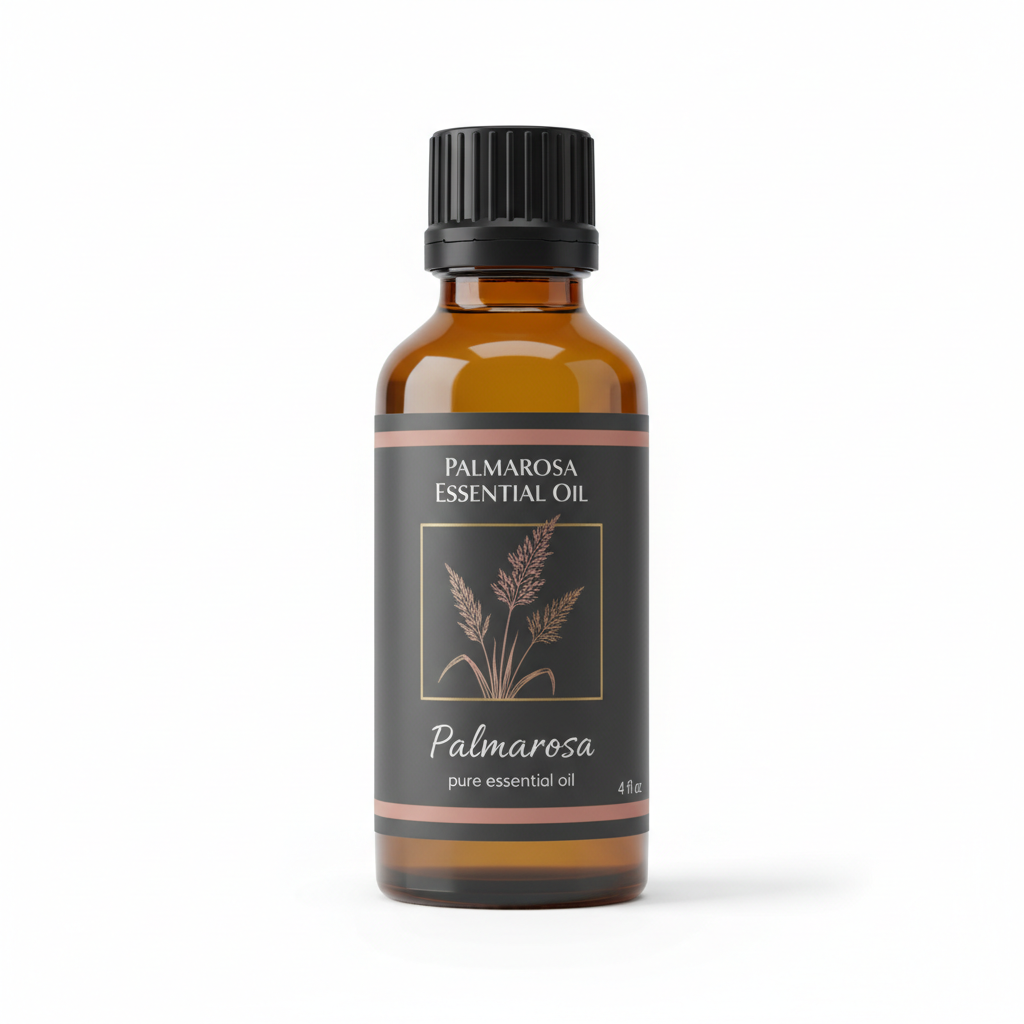
Evaluation Bottle
Smell palmarosa against your rose formula before committing bench time to a full blend.
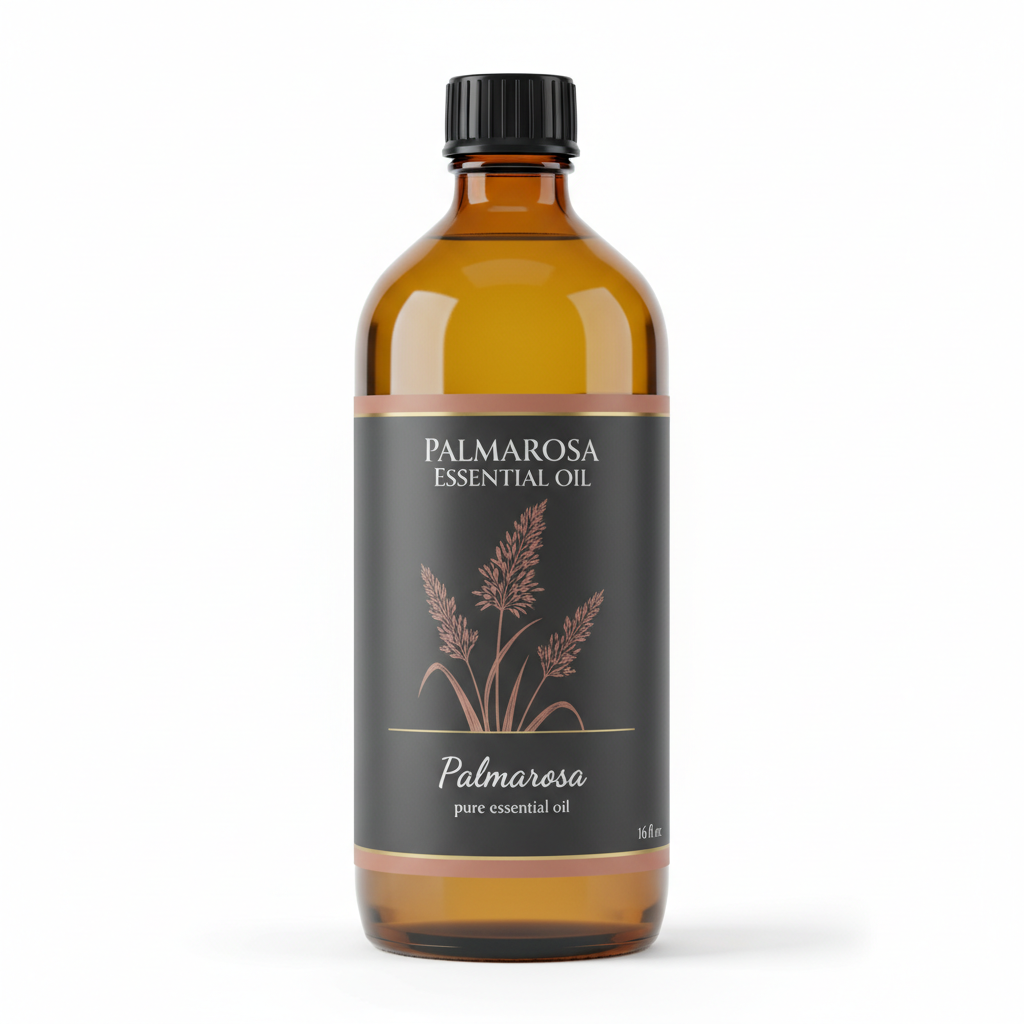
Pilot Batch
Run a real soap or candle pour at 16 oz to confirm scent survives your process.
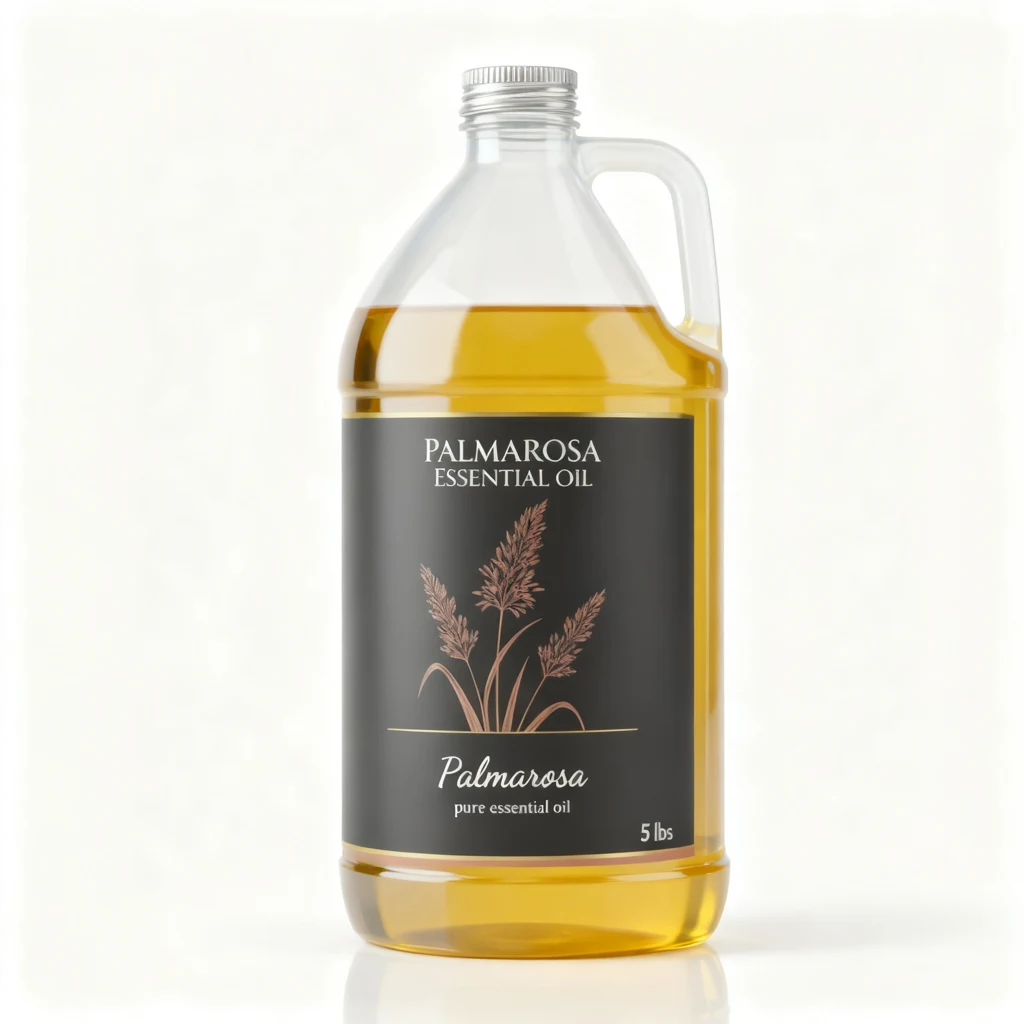
First Production Pound
Move to 5 lbs once the scent is proven, with a lower cost per ounce than bottles.
Palmarosa essential oil is steam-distilled from the wild and cultivated grass Cymbopogon martinii, a cousin of lemongrass and citronella that grows tall across India's drier plains. Its remarkable natural geraniol content gives a grass the soul of a rose.
The scent is sweet, rosy, and gently green with a soft lemony whisper underneath, lighter and airier than true rose otto. It flatters geranium, bergamot, ylang, and sandalwood, and it stretches precious rose materials in natural perfumery without cheapening them.
Palmarosa graces diluted facial and body oils in rose-leaning skincare rituals, gives handmade soaps and lotions a soft rose-garden note that survives the process, and softens diffuser blends that would otherwise read sharp or austere.
Cymbopogon martinii grass is cut from India's drier plains at full growth for distilling.
Cut grass is sorted and prepared so only clean plant material reaches the still.
The prepared grass is steam-distilled to draw out its geraniol-rich, rosy essential oil.
Each finished batch is lab-tested and the results are published on this site as a COA.
The tested oil is bottled 100% pure and undiluted, then stored for freshness before shipping.
Palmarosa is judged by its geraniol-rich, rose-like aroma pulled from Cymbopogon martinii grass, so an overly thin or flat-smelling bottle is easy to notice compared with a properly distilled batch straight off the still.
The current batch's certificate of analysis is published on this site, so you can check what you are buying before it ships, whether you are ordering a single bottle or several pounds for production.
| Distilled Palmarosa | Synthetic Rose Fragrance | |
|---|---|---|
| Source | Steam-distilled from Cymbopogon martinii grass | Blended in a lab from synthetic aroma chemicals |
| Aroma | Sweet, rosy, and gently green with a lemony edge | Often a flatter, one-note rose smell |
| Composition | Naturally complex, geraniol-rich plant oil | Formulated mix of isolated fragrance compounds |
| Documentation | Batch COA published on this site | Rarely comes with any batch testing |
| Best for | Skincare, soap, candles, and natural perfumery | Low-cost scent where purity does not matter |
Every bottle traces to a single grass species, Cymbopogon martinii
Grown and steam-distilled in the region named on the label
The plant part behind this oil, a tall aromatic grass
The gentle extraction method used to pull oil from the grass
Real diffuser recipes, skincare blends, and studio notes show how makers actually use palmarosa day to day.


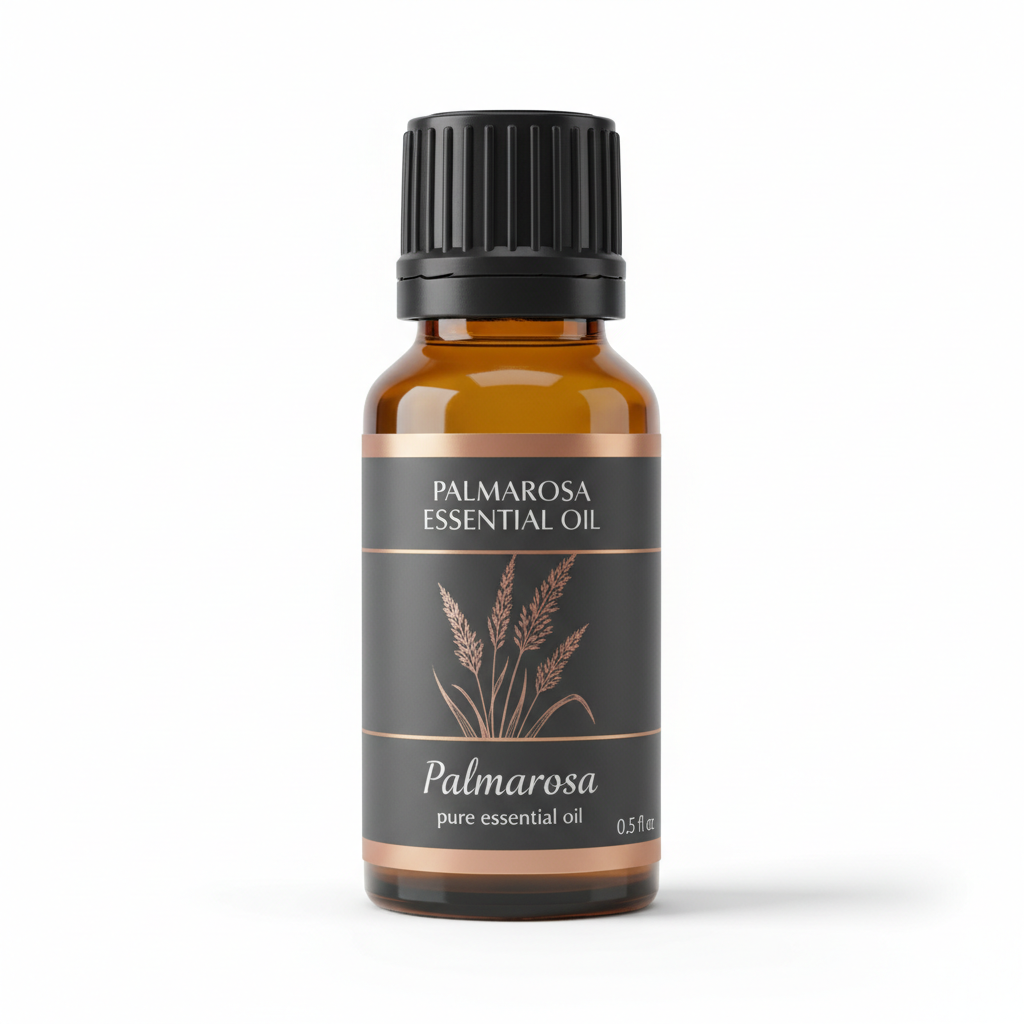
Soap houses, candle studios, and natural perfumers reach for palmarosa because it delivers a convincing rose note at a fraction of true rose otto's cost, and production runs need more than a bottle can offer. Our 5, 25, 100, and 400 lb sizes carry the same published batch documentation as the 0.5 oz bottle, so a bigger order never means less to check against.
Pour palmarosa into cold process batches for a soft rose-garden note that holds through saponification.
See the guide →Scale up pours with a rosy top note that reads clean and green rather than heavy or sweet.
See the guide →Stretch precious rose materials in an accord without losing the rosy heart your formula needs.
See the guide →