Has Your Palmarosa Oil Gone Off? How to Tell
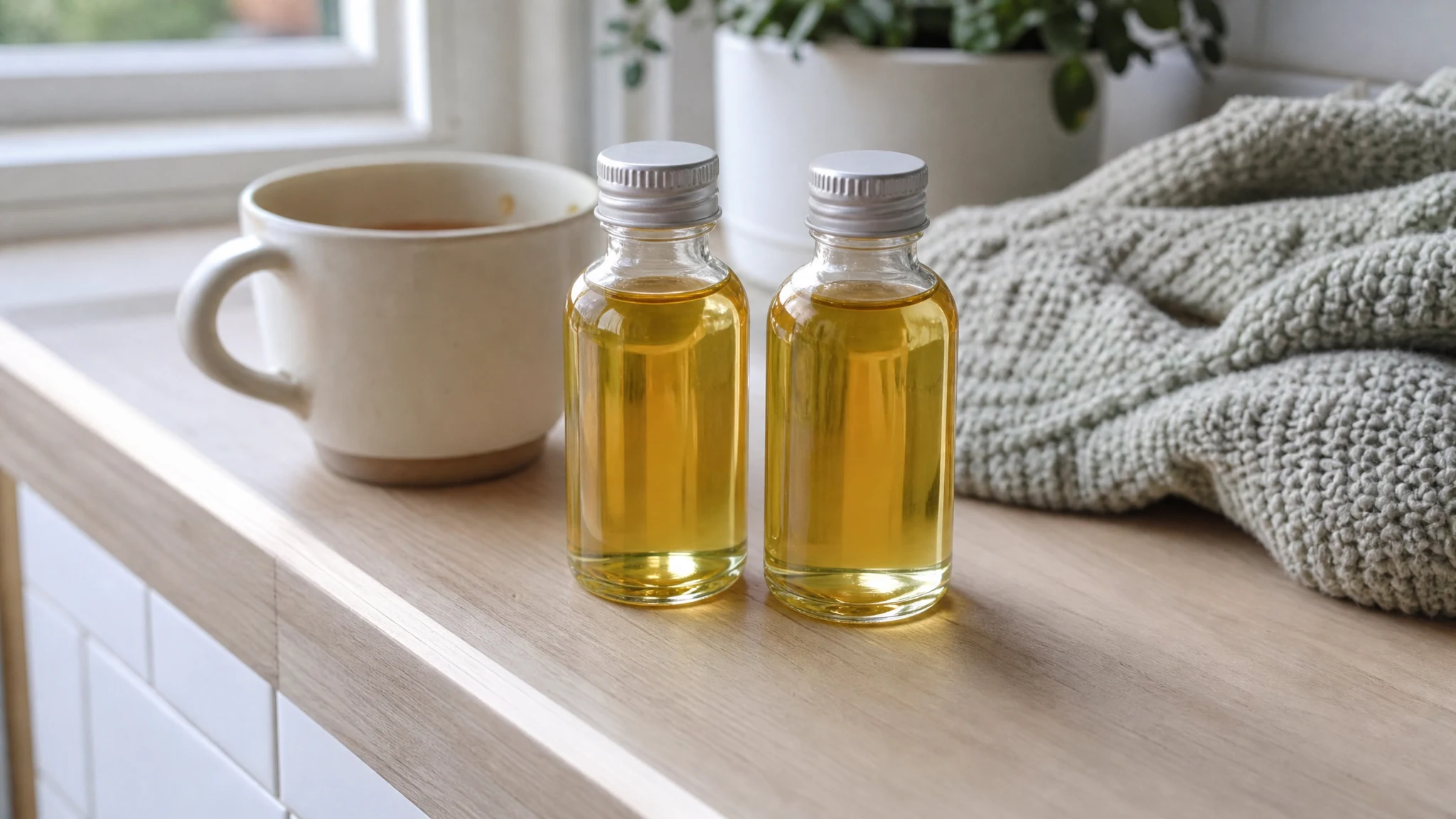
An old bottle at the back of the cupboard is not automatically spoiled. A nose-and-eye check for palmarosa oil, and what to do with a doubtful bottle.
Does Palmarosa Oil Stain Fabric? What to Do If It Does
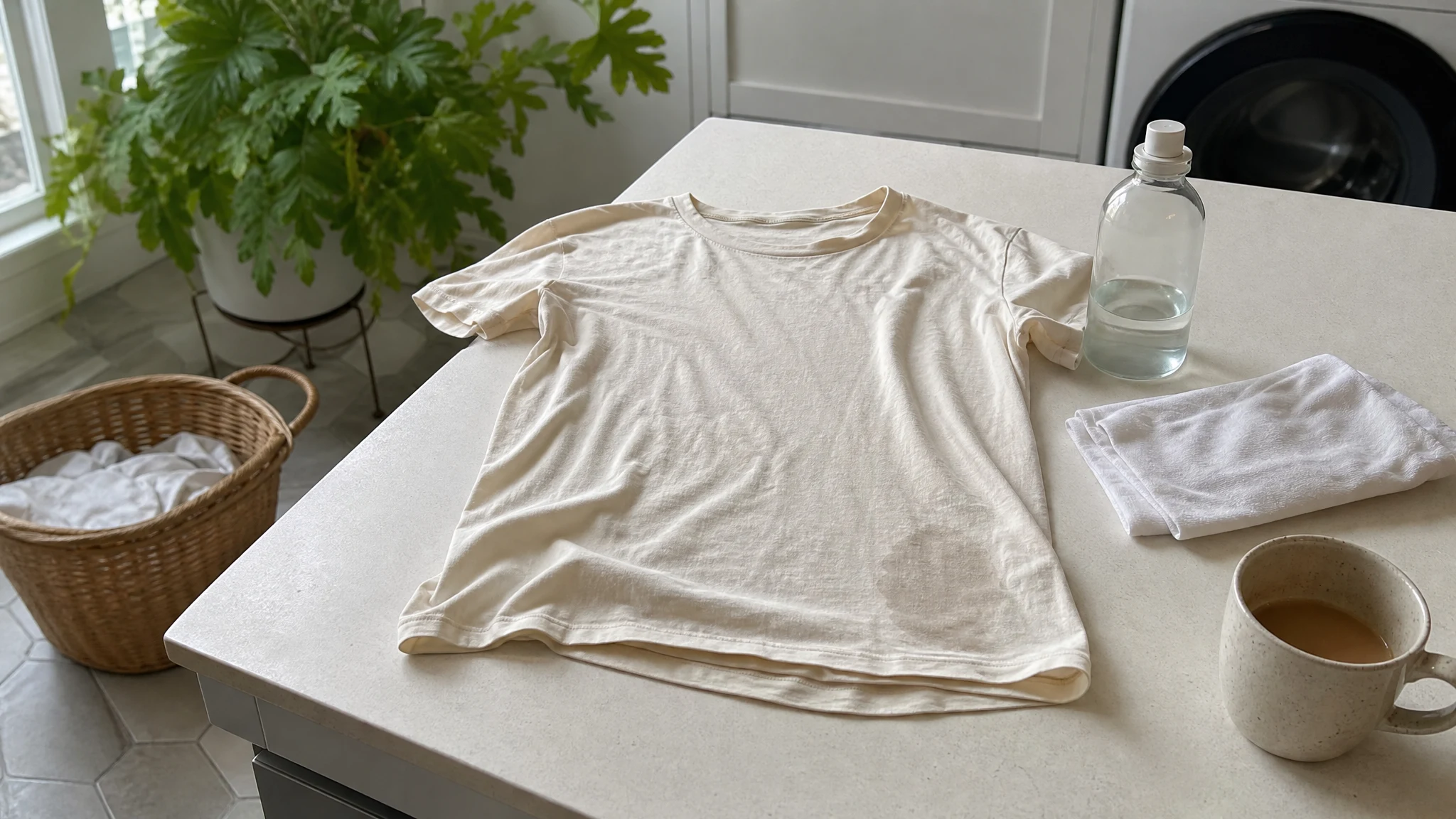
A drop of palmarosa on a cotton tee leaves an oily mark, not a dye. Here is how to treat it, when to wash, and which fabrics belong with a professional.
How to Blend Palmarosa Oil: Proportions That Work
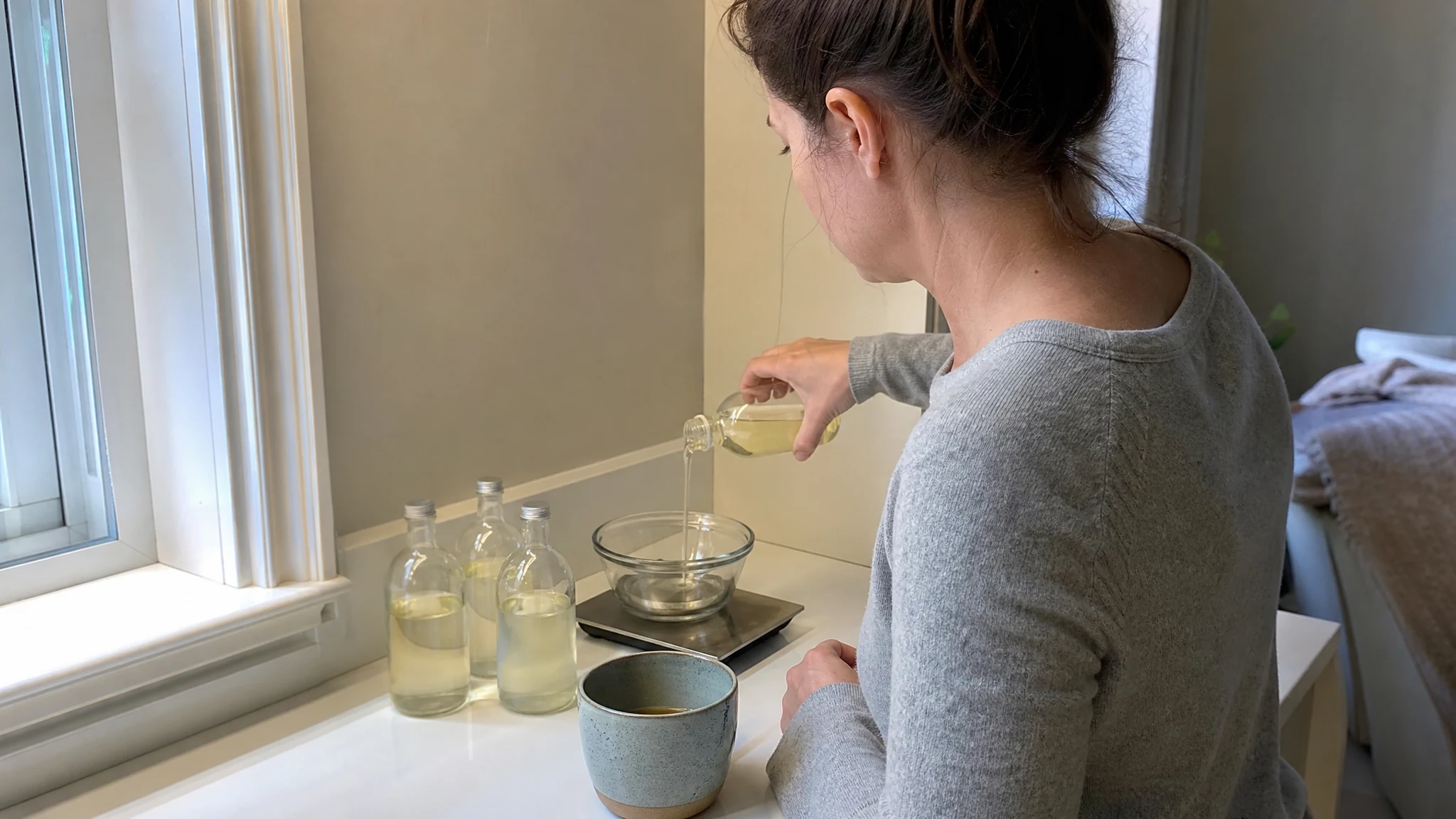
Palmarosa is easy to overdo. Work in parts, count percent for the whole blend, and tally geraniol across your oils. A worked example for a 30 ml bottle.
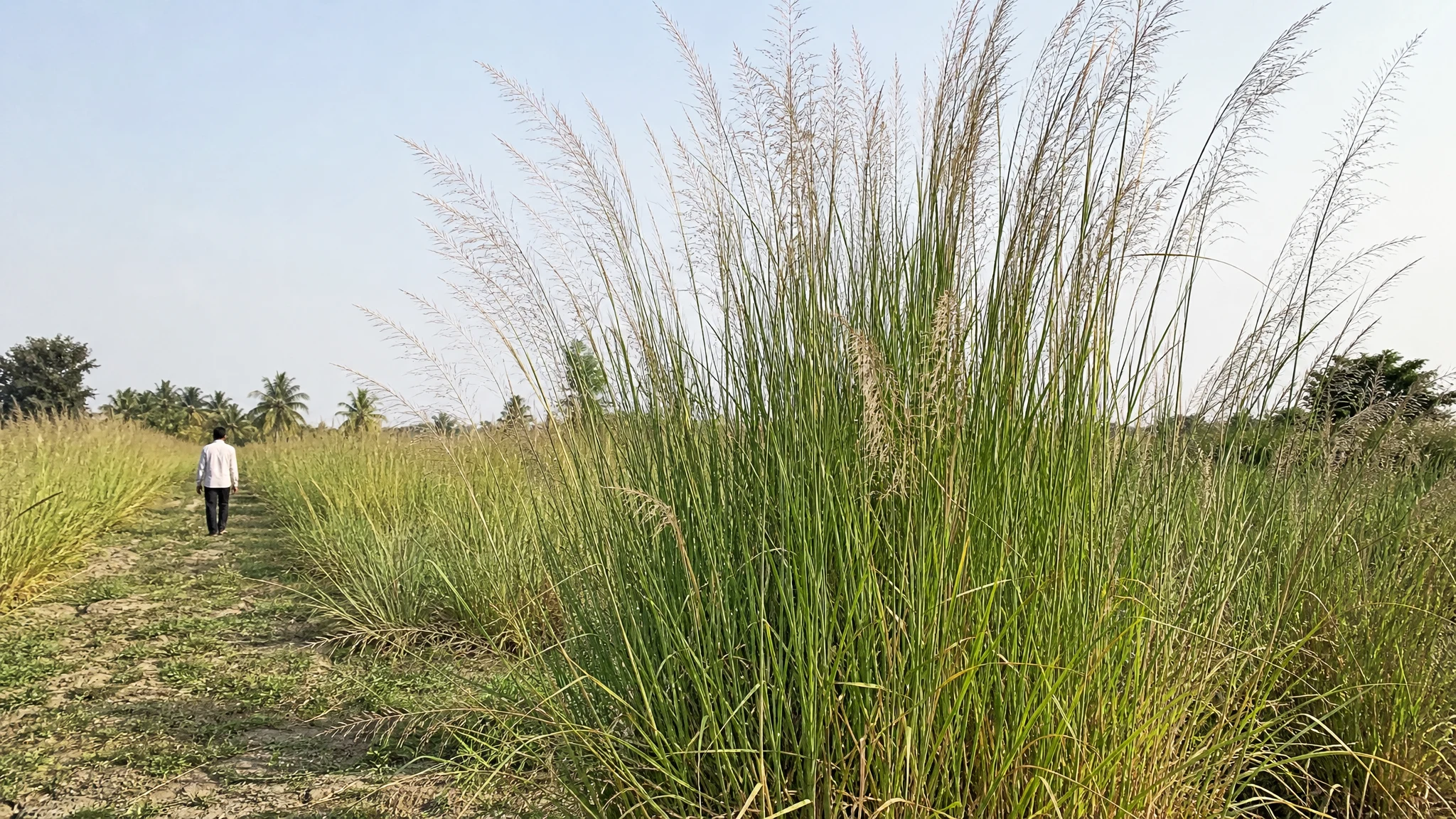
What Is Palmarosa? The Tall Grass Behind the Rose Scent
Palmarosa is a tall, tufted grass, not a flower. Meet the plant behind the rosy oil, how it grows and why the cutting date changes the oil.

Palmarosa Oil Research: A Tour of What Scientists Study
A friendly tour of the lab studies on palmarosa oil, from sunflower oil tests to flea papers, and what a result in a dish does and does not tell you.
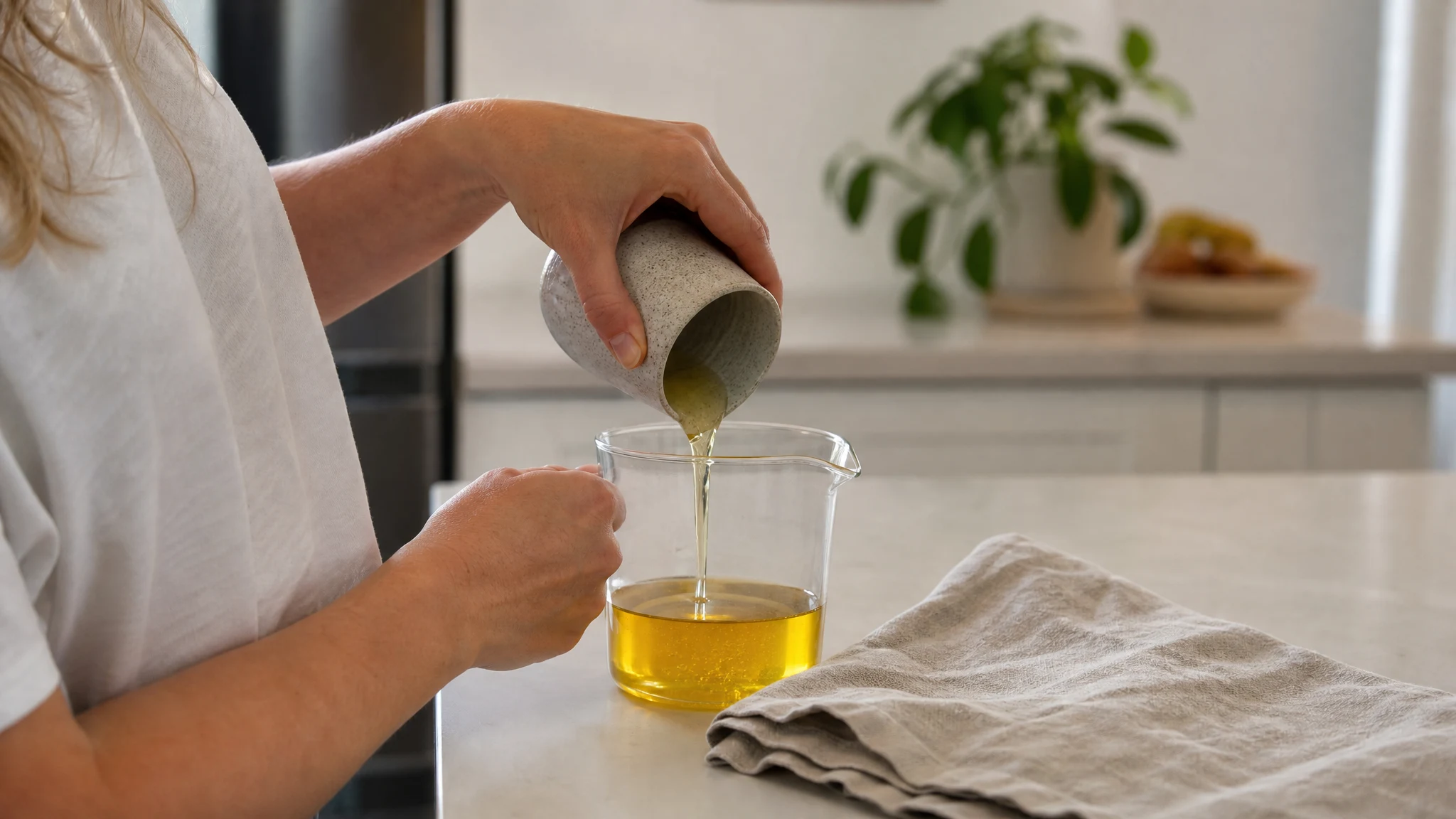
Palmarosa Dilution Chart: How Much Oil per Ounce?
Percentages beat drop counts. A palmarosa dilution chart in ml, drops and grams, set beside Tisserand ranges and IFRA geraniol ceilings.

Palmarosa Oil During Pregnancy: What to Ask Your Midwife
We found no study of palmarosa oil in pregnancy or nursing. See what the authorities say and what to bring to your midwife or clinician.
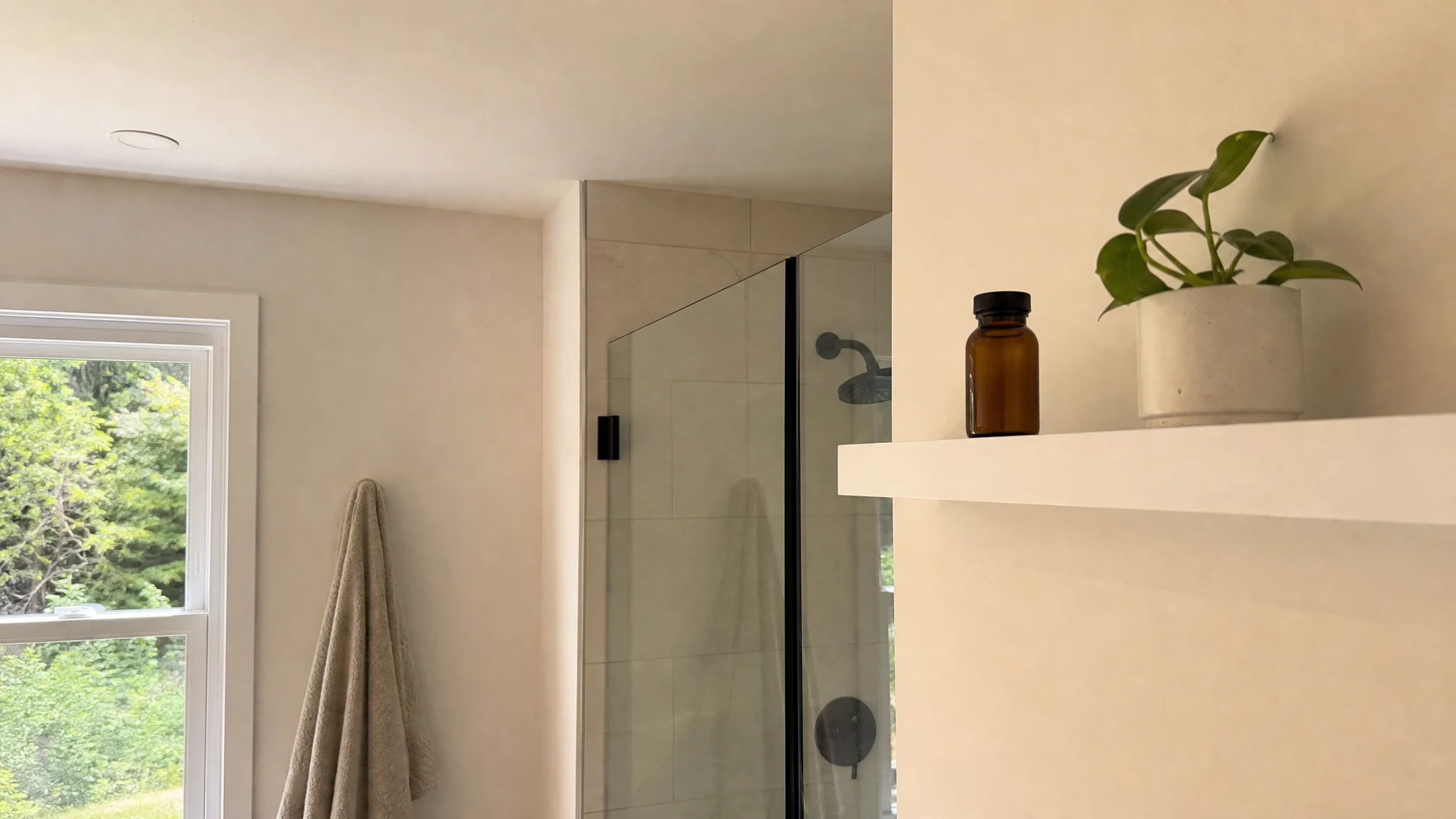
Palmarosa Oil and Children: Where to Store It
The bottle is the real risk around children, not the diffuser. What poison centre data show, plus simple storage habits we suggest for palmarosa.
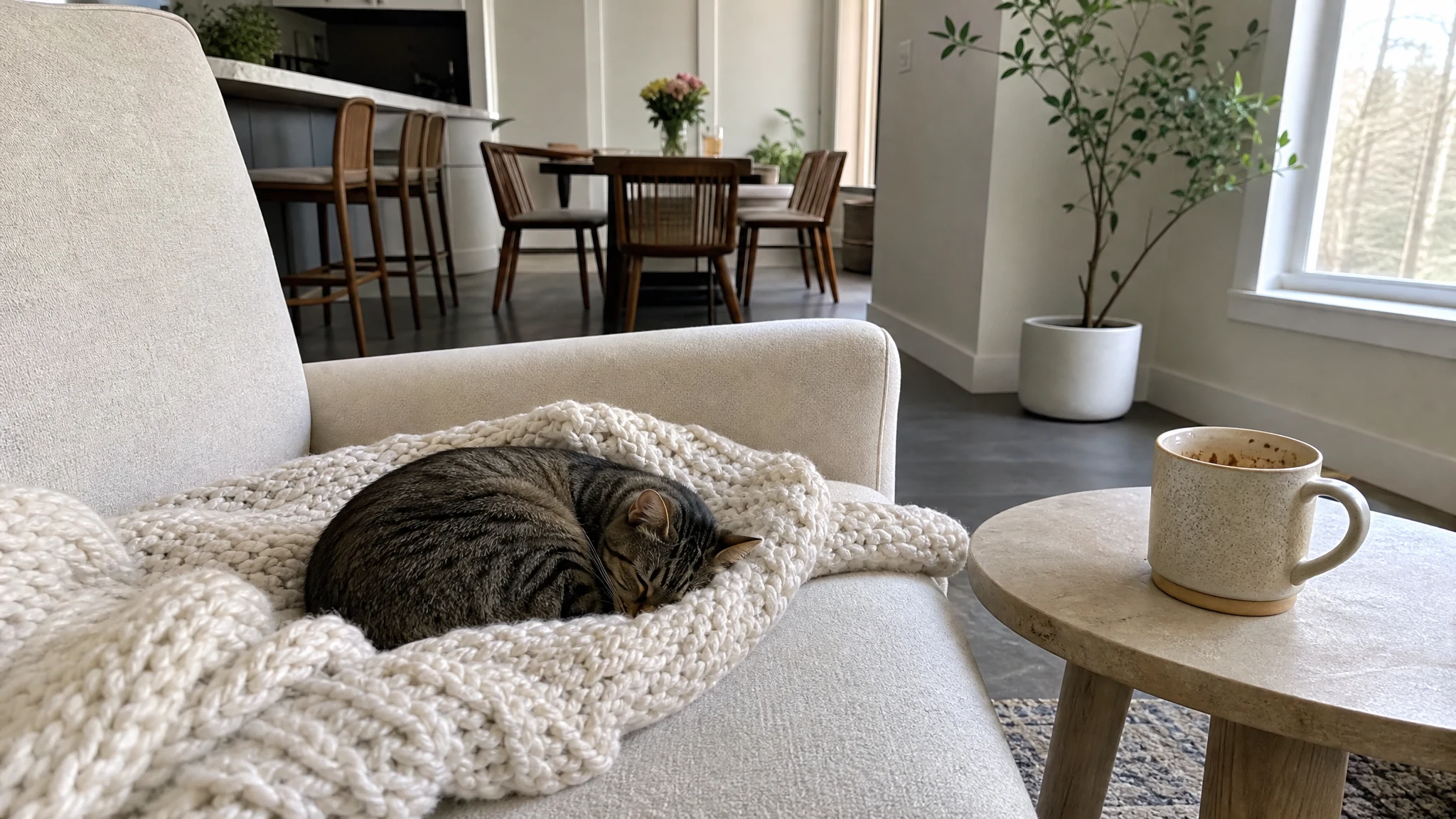
Palmarosa Oil Around Pets: What to Know First
Cats and birds are the most sensitive. What poison lines publish about essential oils, and how we keep palmarosa safely away from pets.
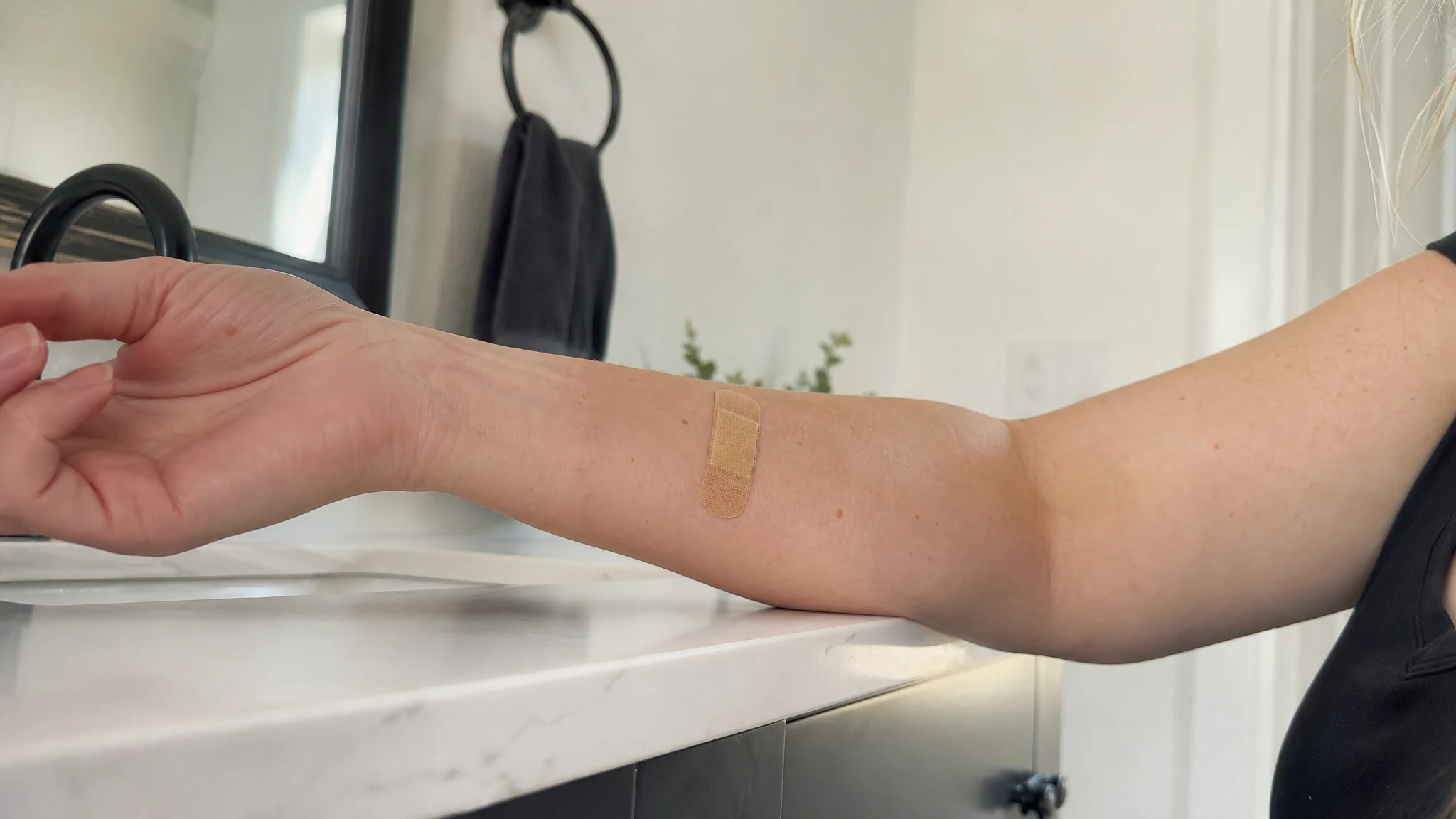
How to Patch Test Palmarosa Oil at Home
A clean spot test is a good sign, not a certificate. Learn why geraniol earns a careful test, how to run one at home, and when to see a professional.
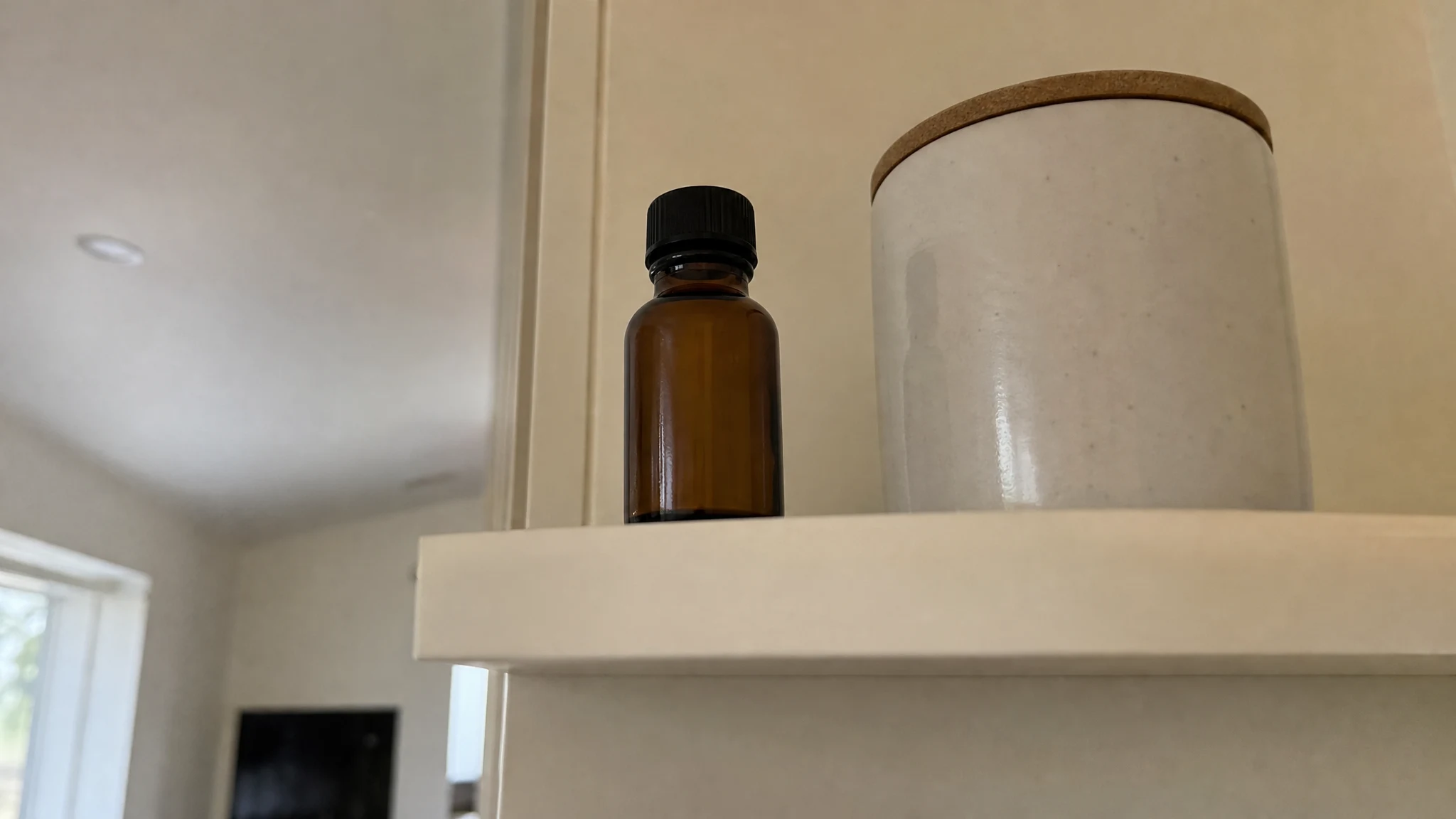
Can You Ingest Palmarosa Oil? Why We Say No
Palmarosa shows up on a flavouring list, which is why people ask about eating it. Here is what that listing means and what poison centres say.
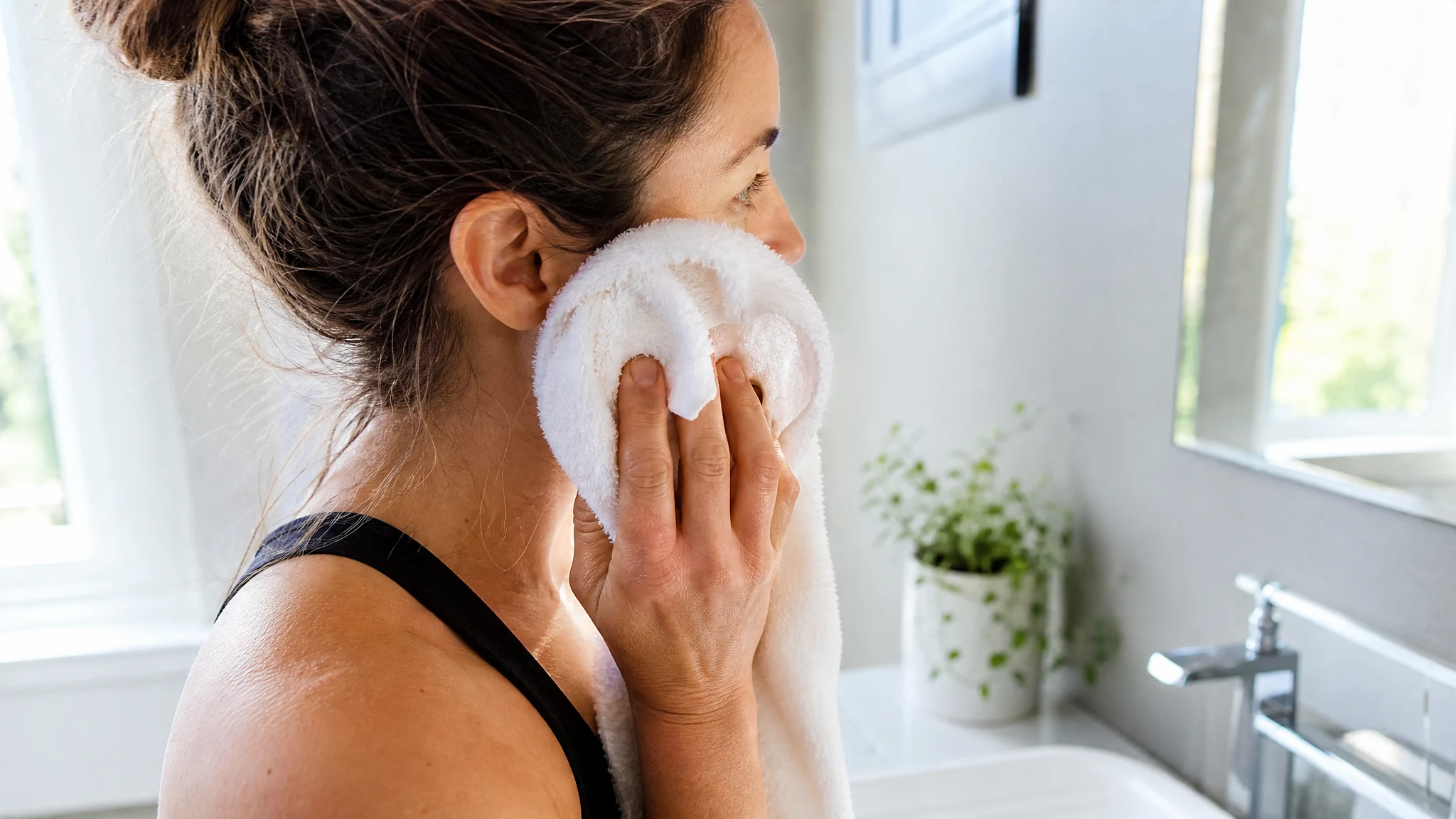
Palmarosa Oil and Acne: What the Lab Study Found
One lab paper tested palmarosa oil on acne bacteria in a dish. What it measured, why dish and skin differ, and how we dilute the oil for its aroma.
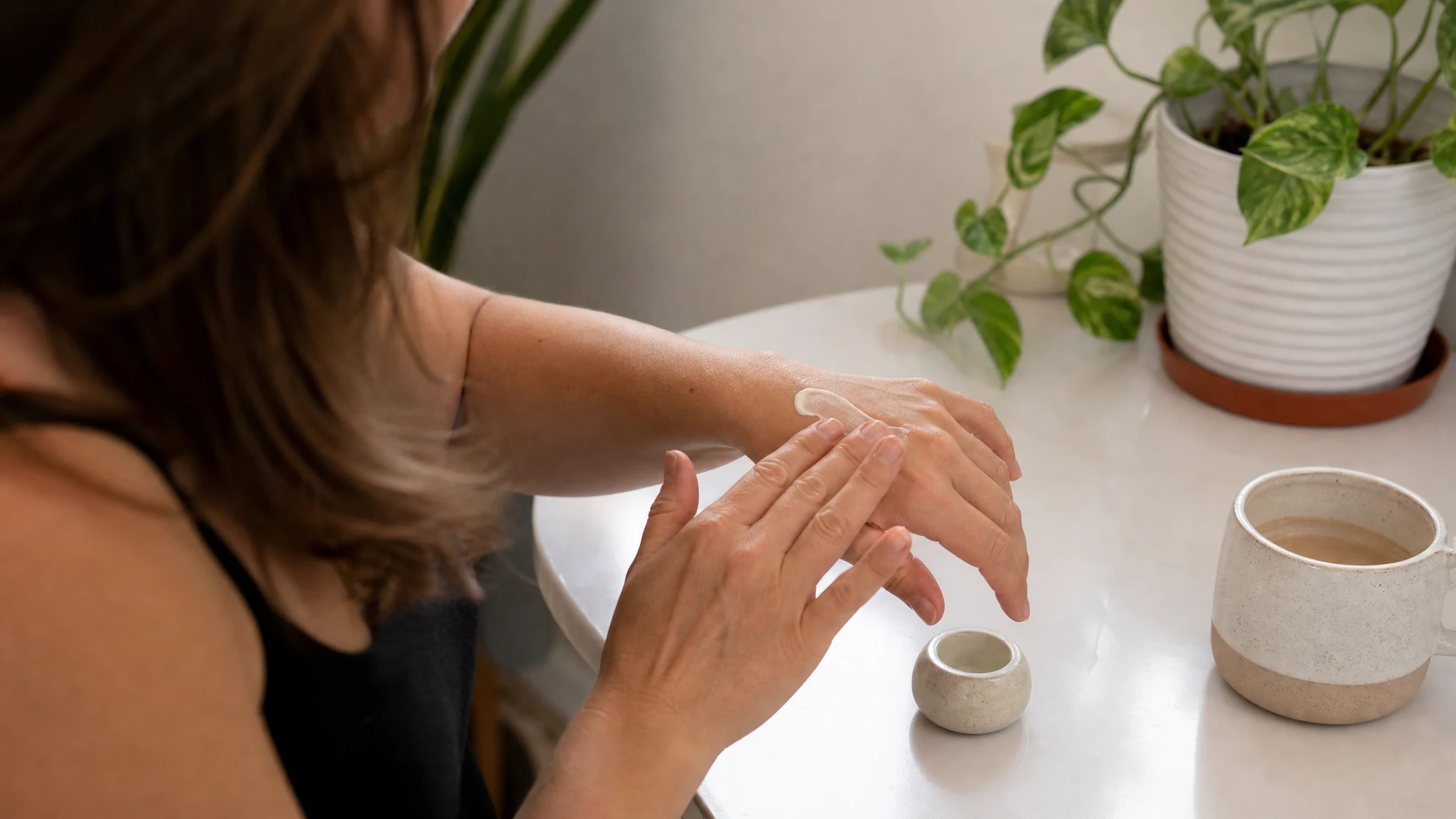
Palmarosa Oil Antioxidant Claims: What They Really Mean
"Antioxidant" shows up on palmarosa listings. Here is what the 2026 test-tube study measured, and how to use the oil for its rosy scent on the face.
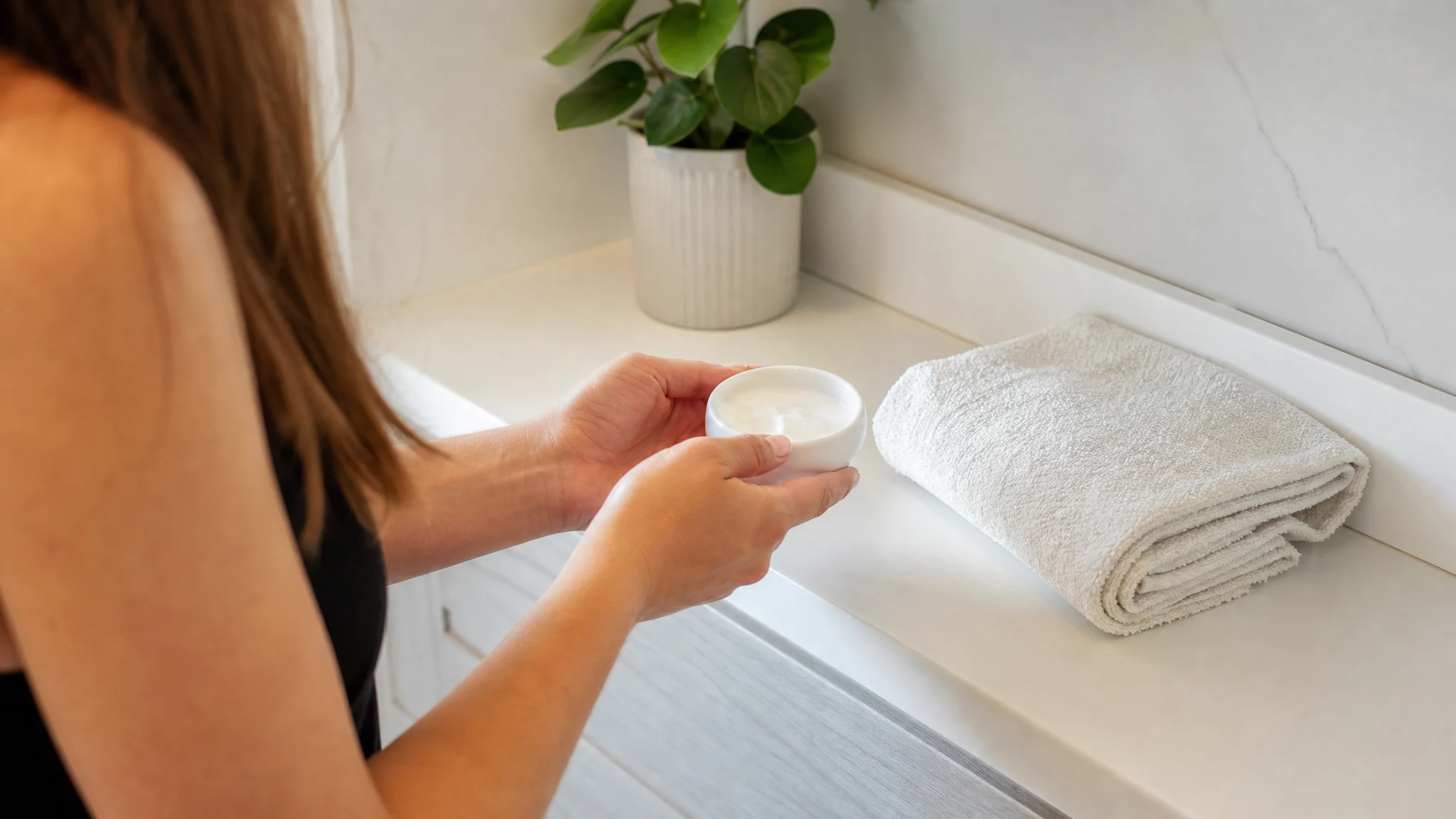
Palmarosa for Dry Skin Care: Why the Base Matters Most
A few drops of palmarosa add a rosy scent, but the cream or ointment does the moisturising. How to pick the base, and how much oil is a sensible amount.
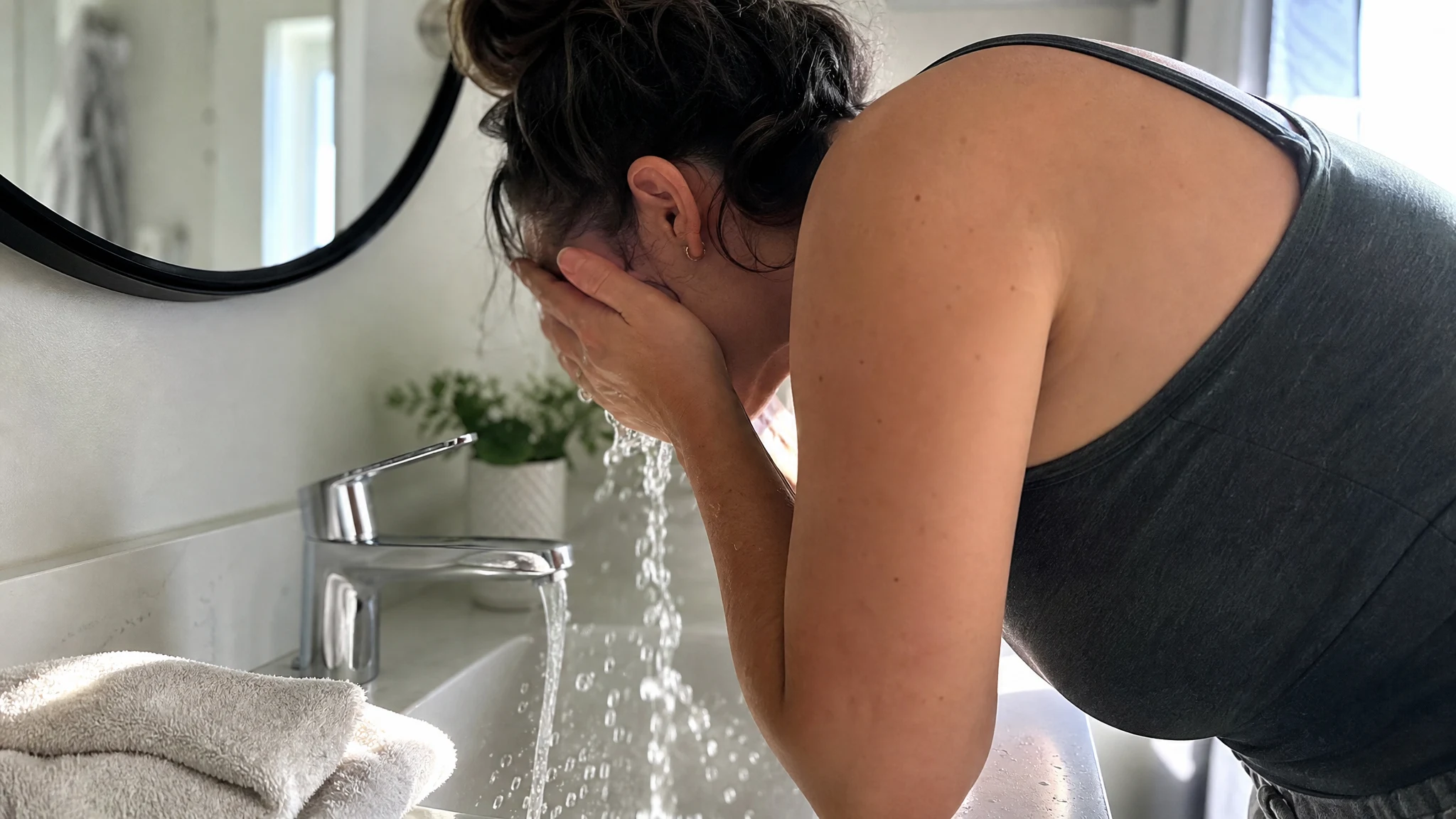
Palmarosa Oil for Oily Skin: Where It Fits and Doesn't
Skin oiliness is driven from within, so no essential oil adjusts it. A dermatologist-style routine, and where palmarosa really shines as a scent.
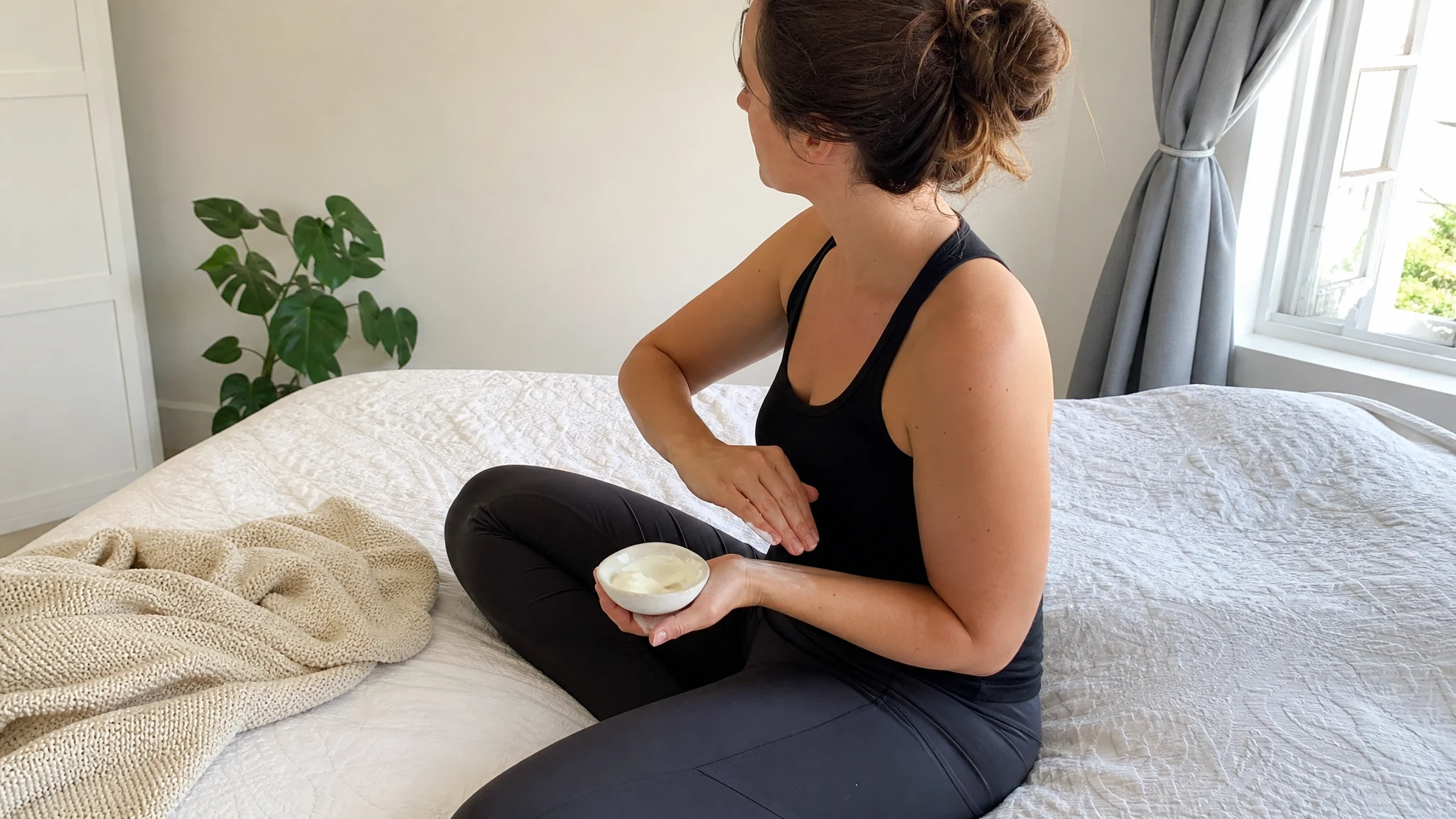
Palmarosa Oil and Stretch Marks: What Reviews Found
Reviews find no topical product proven to prevent stretch marks. Enjoy palmarosa in a body oil for its scent, with a sensible dilution.
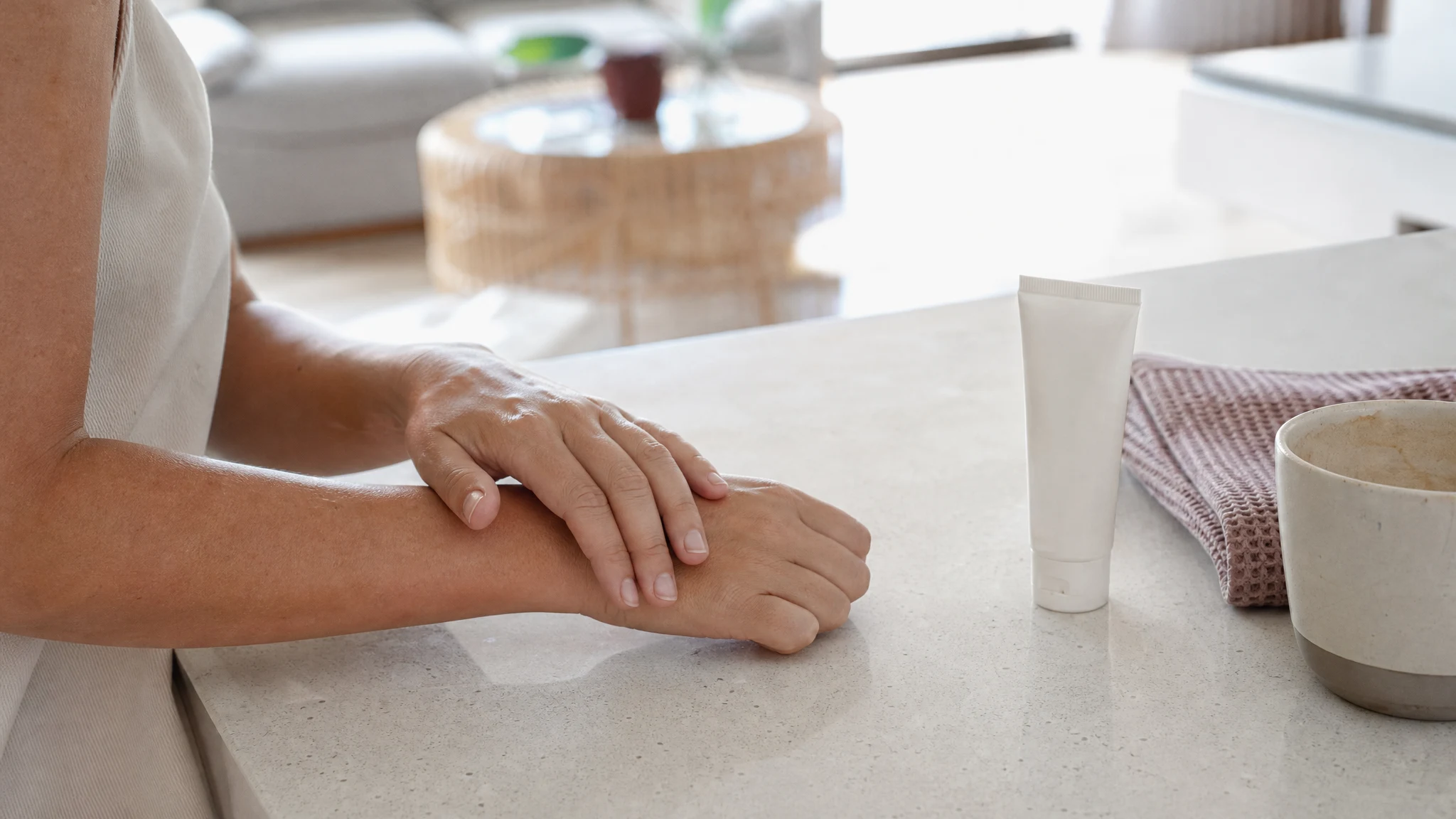
Palmarosa Oil and Sensitive Skin: Why Geraniol Matters
A soft rosy scent is not the same as a gentle ingredient. What to know about geraniol, air, storage and a patch test before you scent anything.
Palmarosa Oil Antifungal Studies: Dish Versus Foot
Lab papers show palmarosa oil slowing fungus in a dish. How to read those numbers, and why a foot or nail needs a pharmacist, not a fragrance.
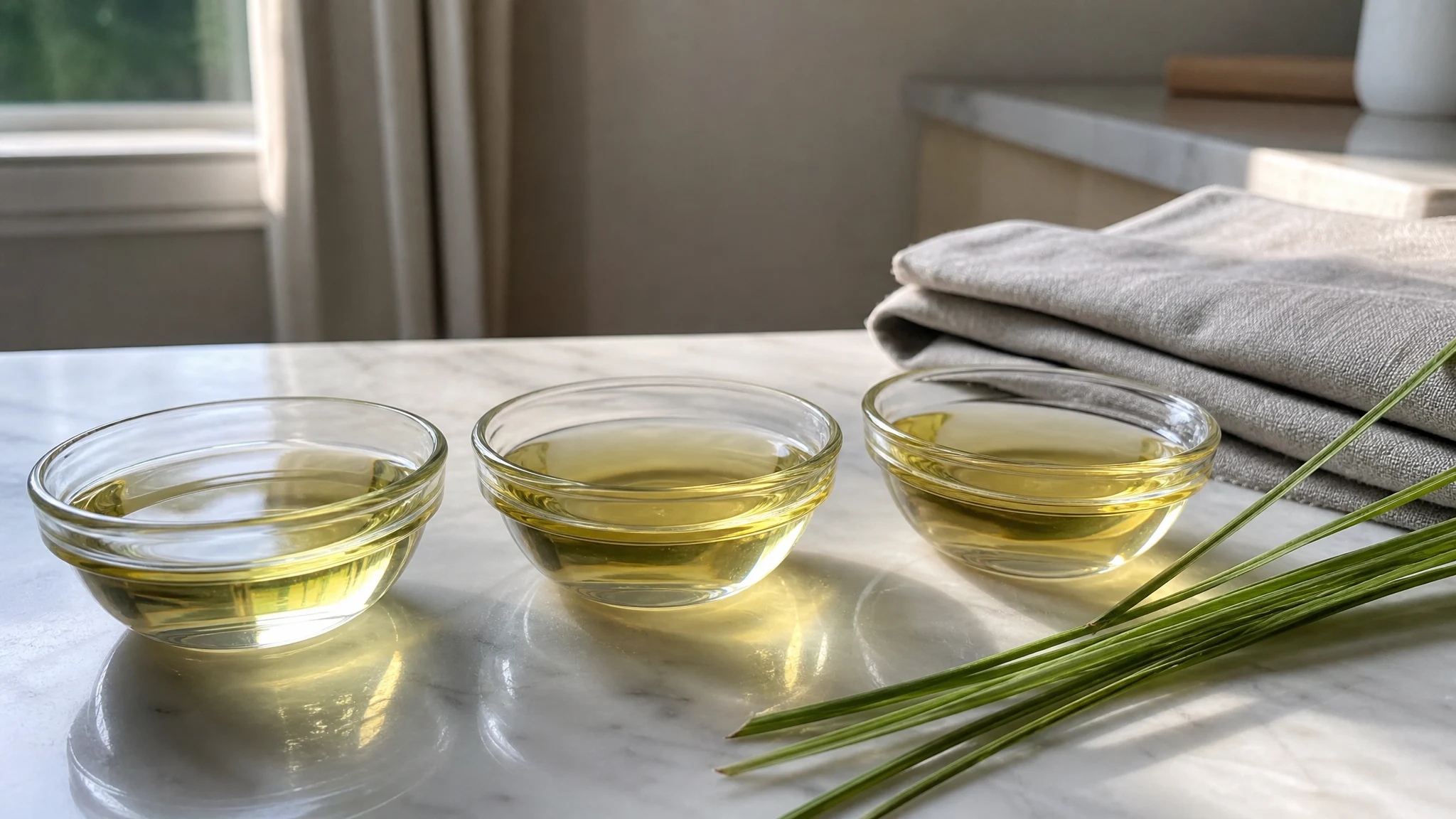
Best Carrier Oils for Palmarosa: How to Choose
Jojoba or sweet almond? Choose a carrier for palmarosa by allergies, shelf life and use, with the dilution sums for a 1 oz bottle worked out.
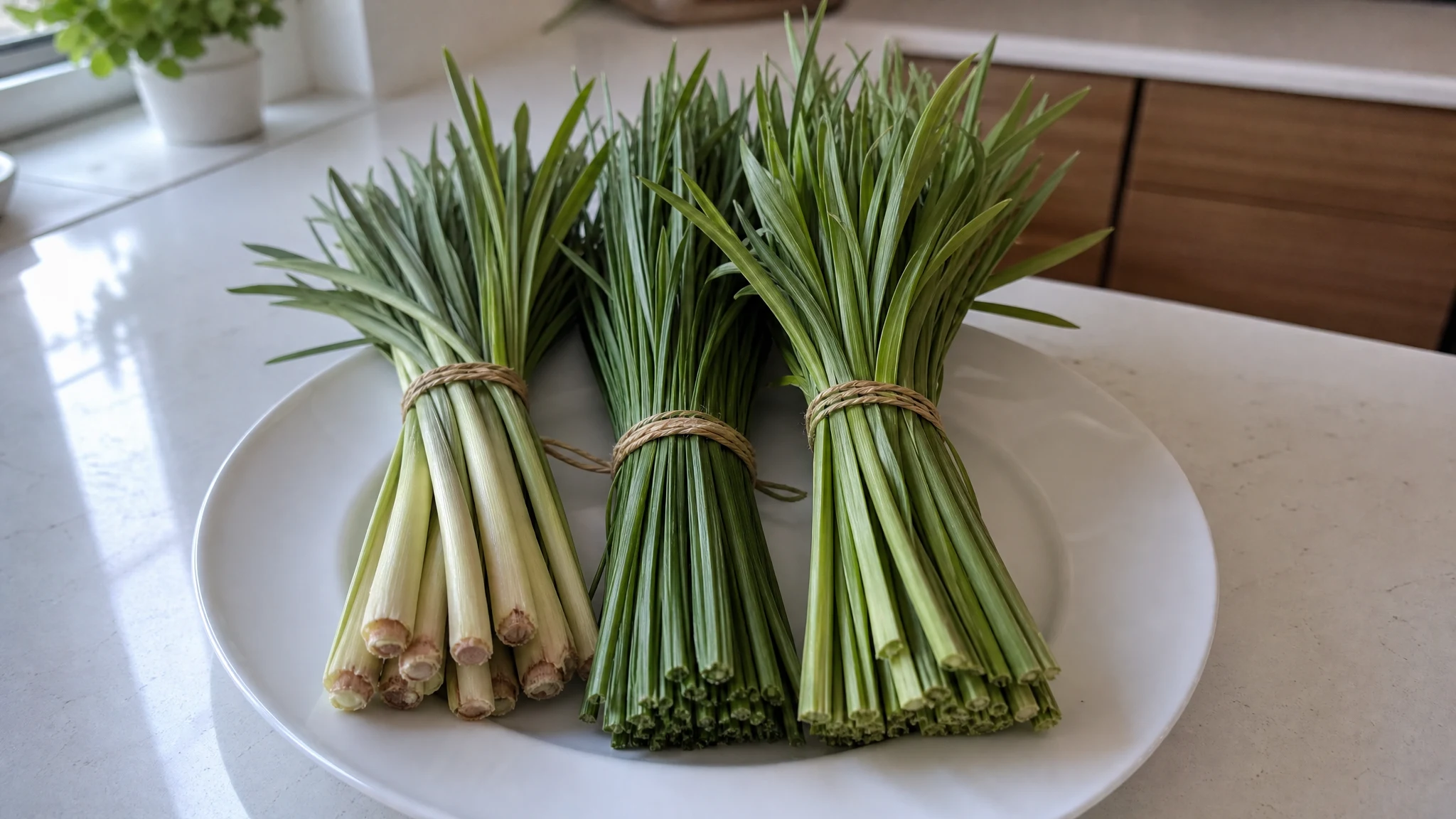
Palmarosa vs Lemongrass vs Citronella: Grass Oils Compared
Three cousin grasses, three lead molecules. See how geraniol, citral and citronellal shape each oil's scent and how much of it a product can hold.
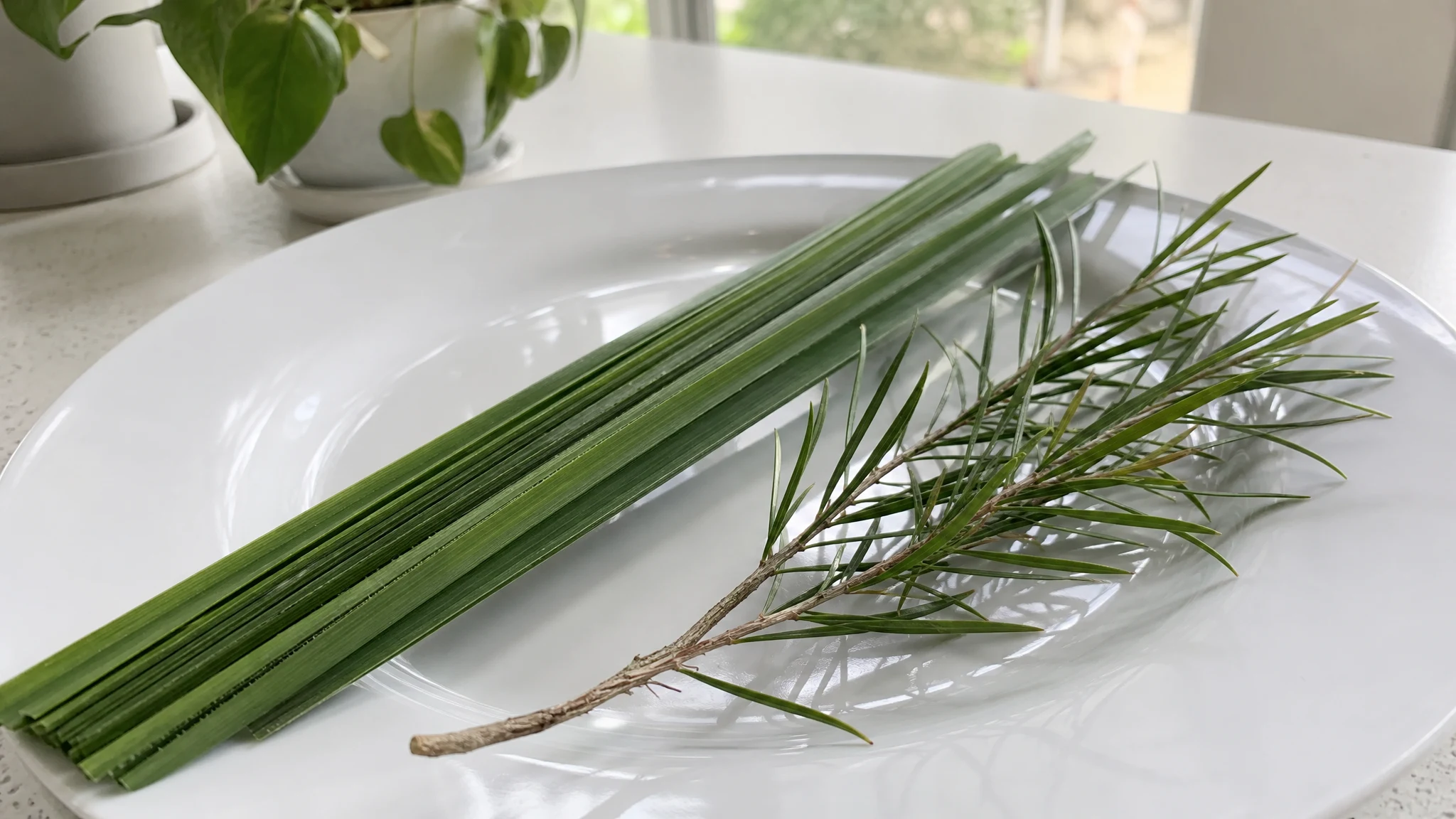
Palmarosa vs Tea Tree Oil: Two Very Different Oils
A rosy grass oil and a tree oil share almost nothing but a habit of oxidizing. Compare their chemistry and scent, and learn how to store both well.
Organic Palmarosa Oil: How to Read the Label
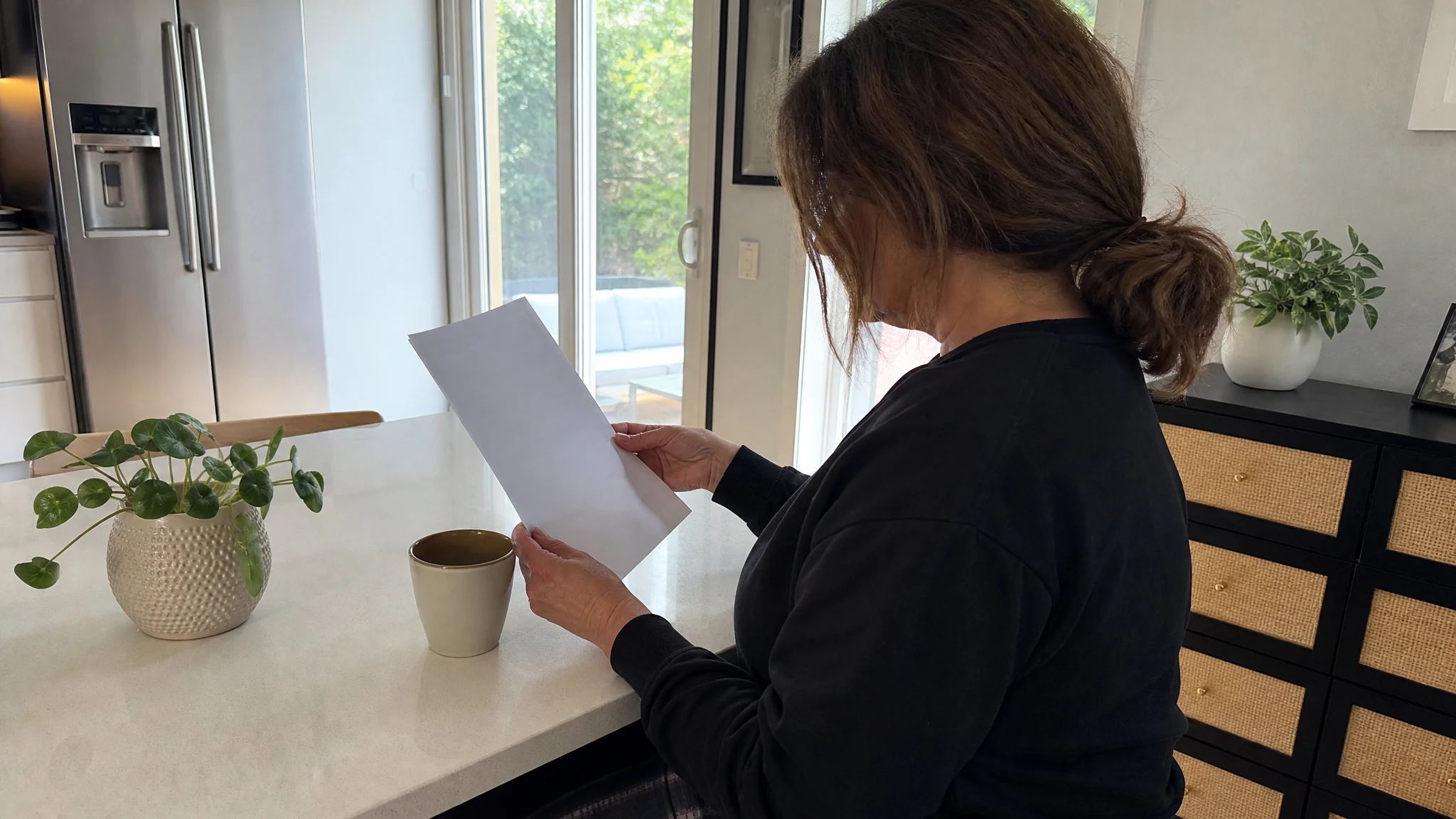
Organic is a claim about how the grass was grown, one a certifier name and number let you check. What the label requires, leaves out, and what to ask.
Palmarosa Hydrosol vs Oil: What Is the Difference?
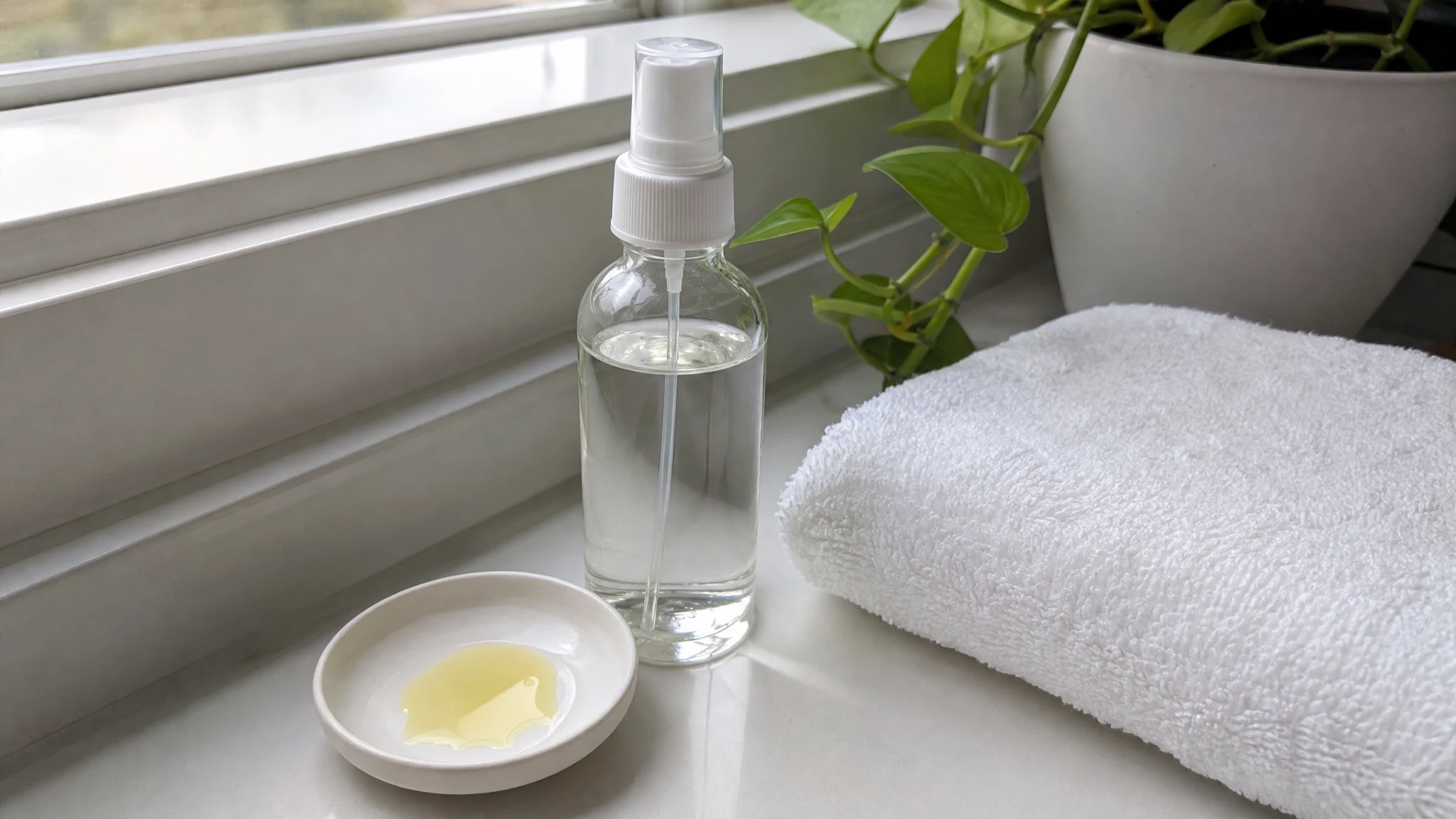
One still makes both oil and water. Here is why a palmarosa hydrosol is not watered-down oil, why it spoils differently, and what to ask a maker.
Out of Palmarosa Oil? Which Rosy Oils Can Fill In
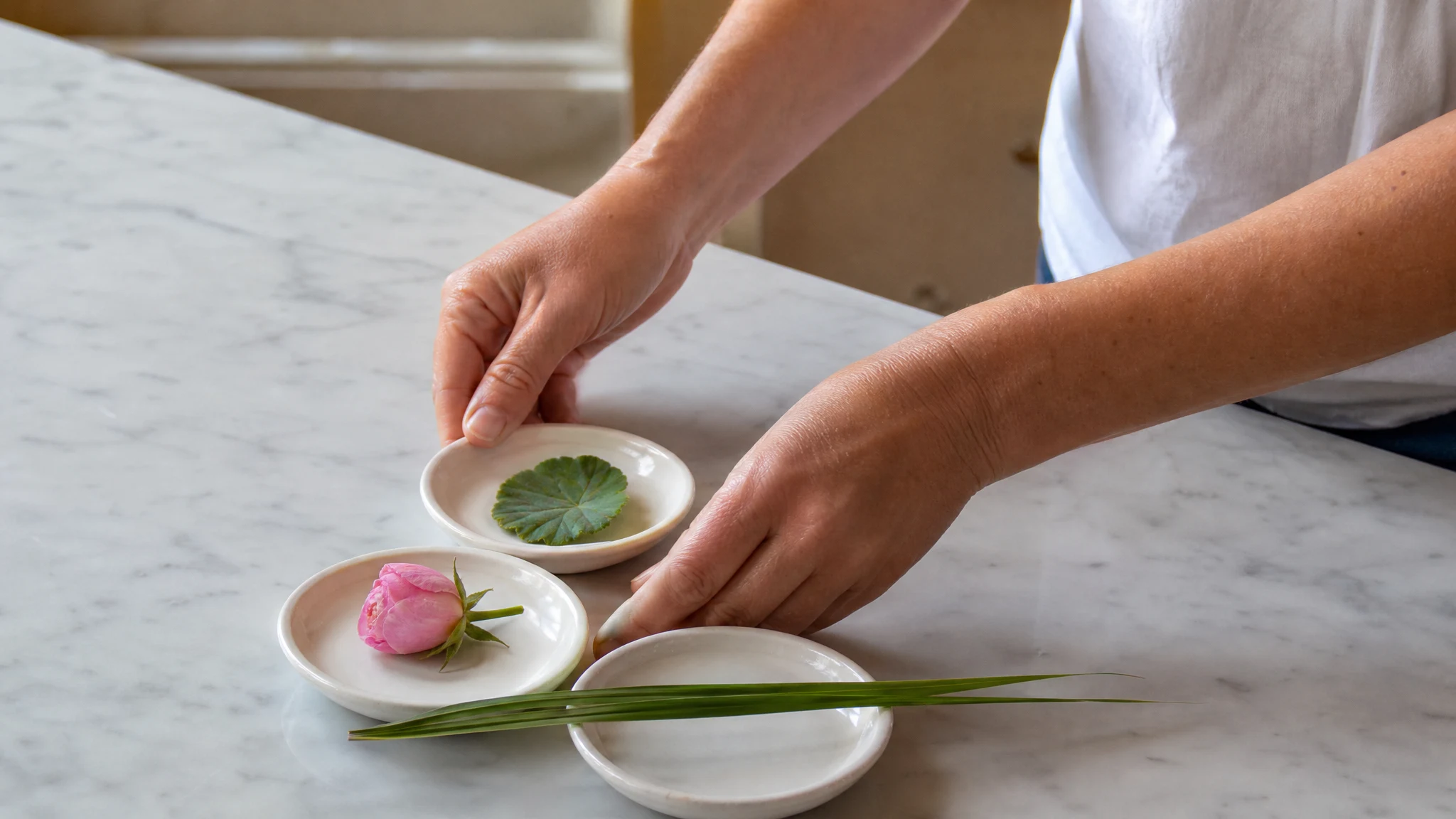
Out of palmarosa? Geranium, rose and the grass oils each fill part of its place. Here is what changes in scent and in the limits when you swap.
Palmarosa Aroma: A Rosy, Grassy Scent Explained
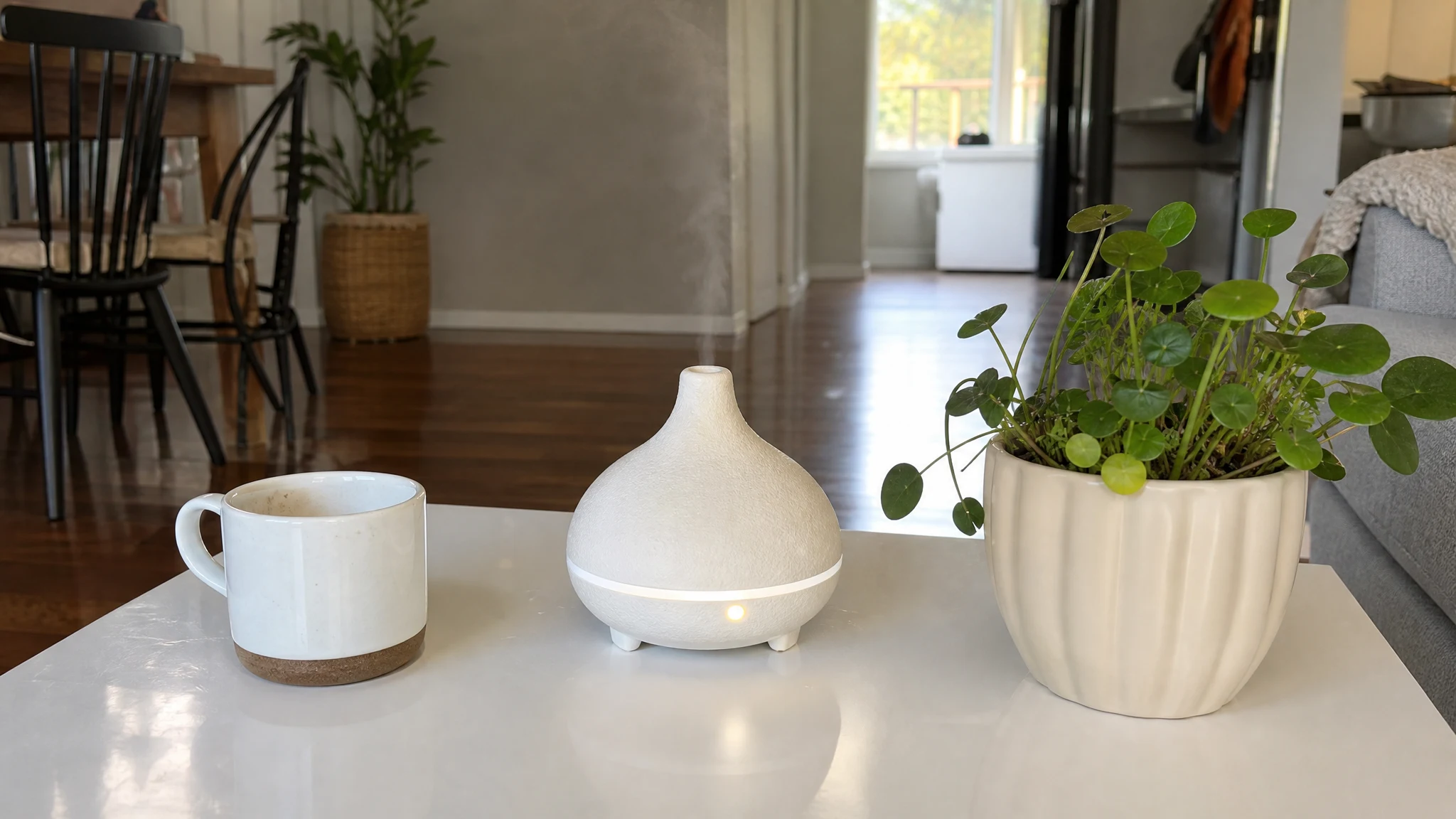
Smell is memory, mood and habit all at once. See why a rosy, green scent like palmarosa can change a room, and what the research does and does not say.

Scent, Memory and Palmarosa: Building Your Own Ritual
Why a favourite scent can lift an ordinary moment, what the research does and does not say about palmarosa, and when stress calls for a professional.

Palmarosa Oil and Sleep: Setting a Pleasant Evening Scene
Palmarosa is almost absent from sleep research. What the guidelines put first, and how a rosy scent can simply make your evening room more pleasant.
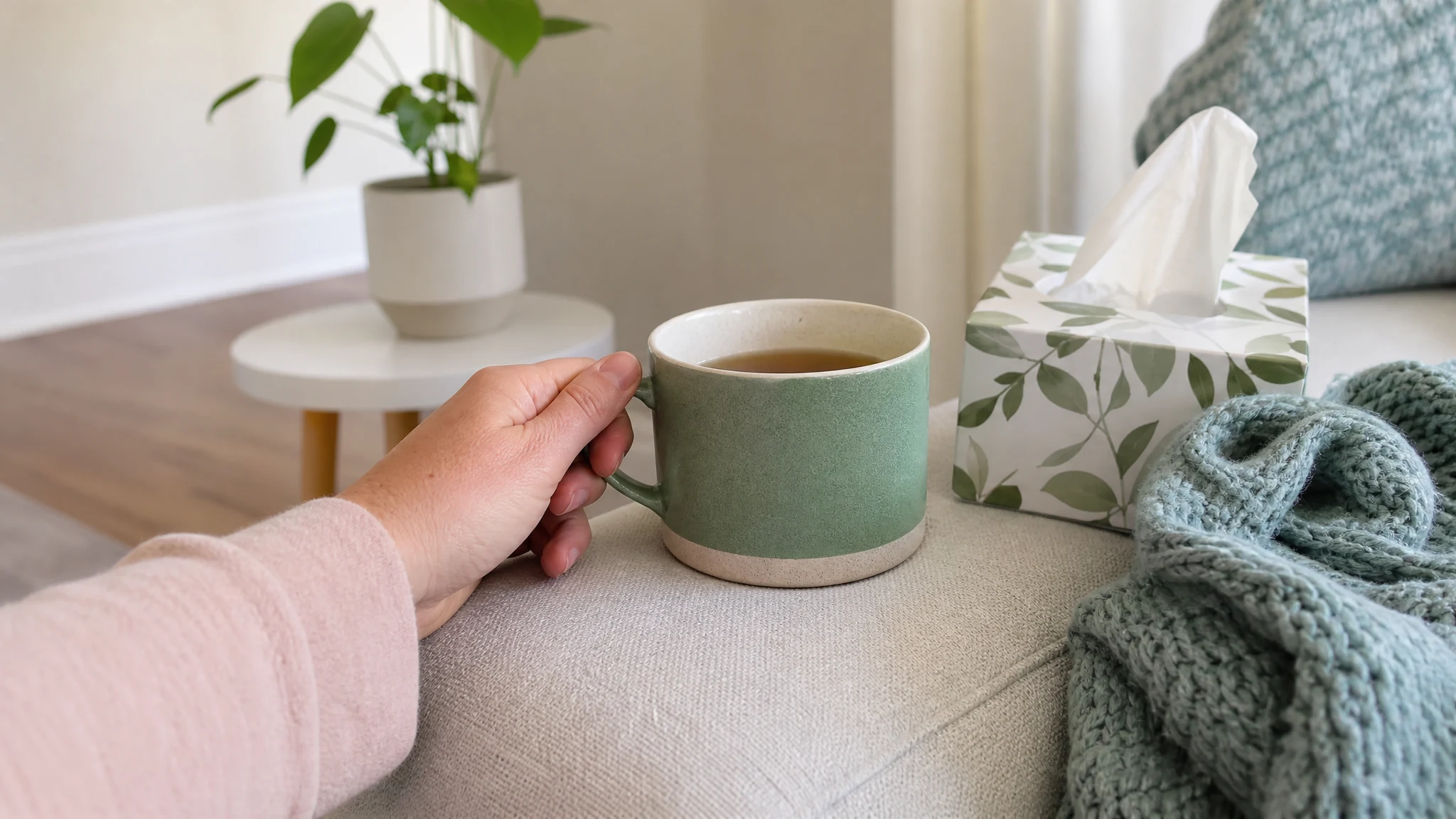
Palmarosa Oil for a Cold? Why We Skip the Steam Bowl
A bowl of hot water is the hazard in steam inhalation. What the NHS and a Cochrane review say, and why we enjoy palmarosa as a room fragrance only.

Scenting Hair Oil with Palmarosa: How Many Drops?
Hair oiling is a carrier habit, and palmarosa is the perfume. How to choose a base, how many drops give a rosy scent, and when to see a dermatologist.
Dandruff and Palmarosa Oil: A Plain Look at the 2025 Study
A 2025 lab paper found palmarosa oil stopped dandruff yeast in a dish. What that means for a real scalp, and what dermatologists recommend instead.
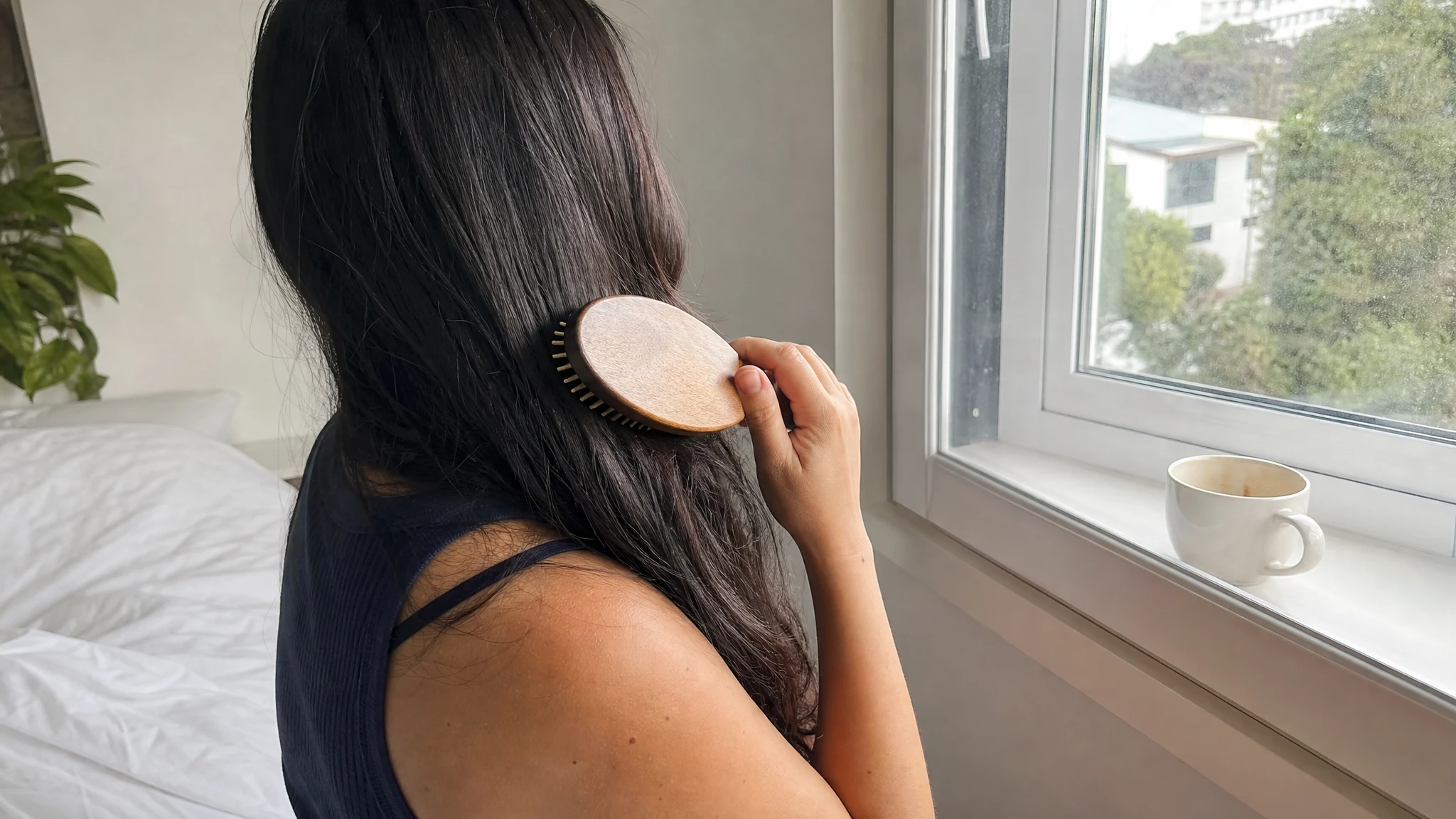
Palmarosa in Hair Oil: Is It Just for the Scent?
Palmarosa adds a rosy, gently green scent to a hair oil. How to dilute it for the scalp, plus when a dermatologist is the better next step.
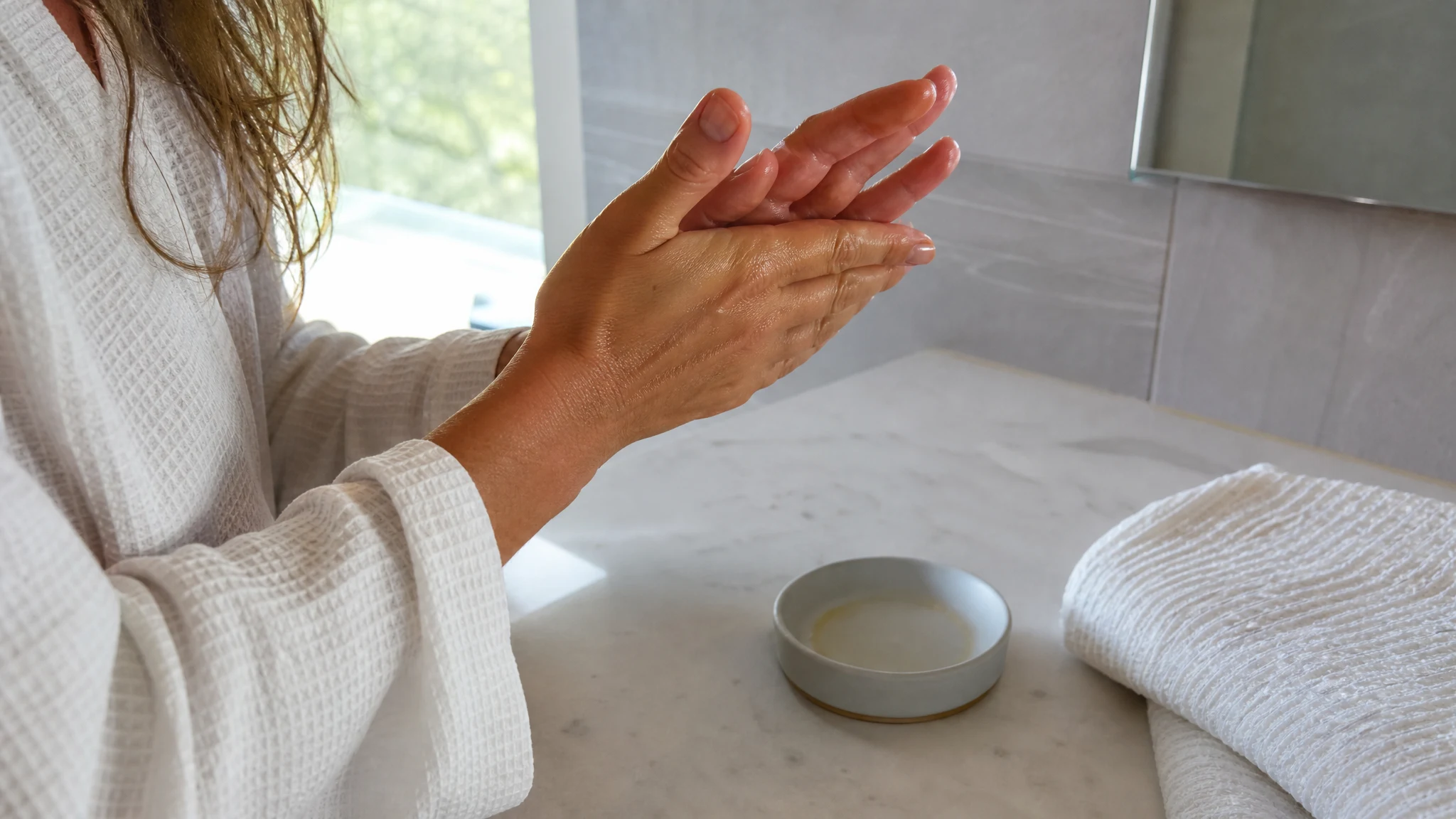
Palmarosa Hair Oil: A Pre-Wash Recipe in Drops
Pick the carrier first, then add a whisper of palmarosa. A scented pre-wash hair oil with every number worked out, from carrier to drops to patch test.
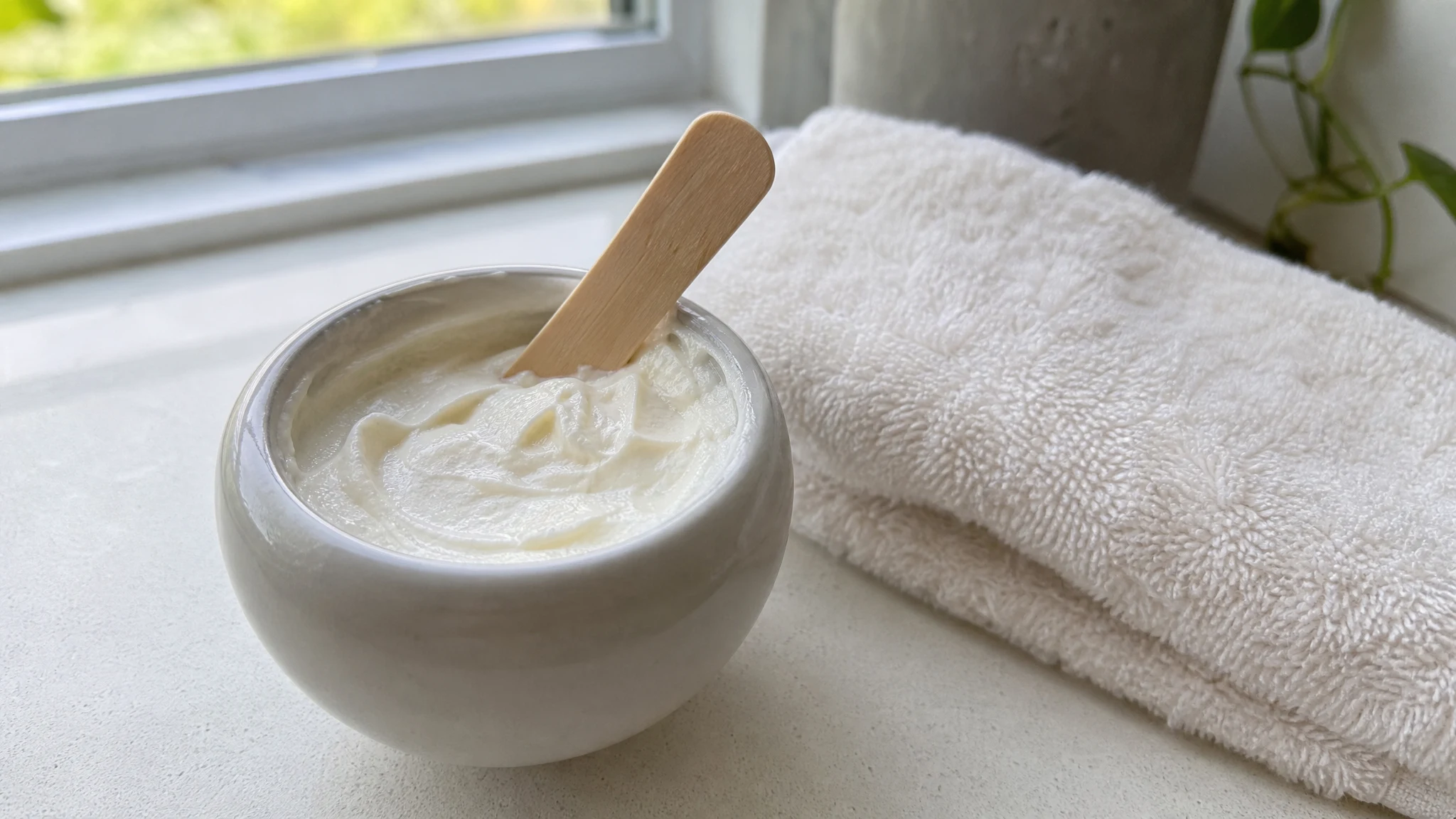
Palmarosa Body Butter: A Simple Water-Free Recipe
A rich body butter with no water and a light rosy scent. The recipe is worked out by weight, with the amount of palmarosa chosen to suit leave-on skin use.
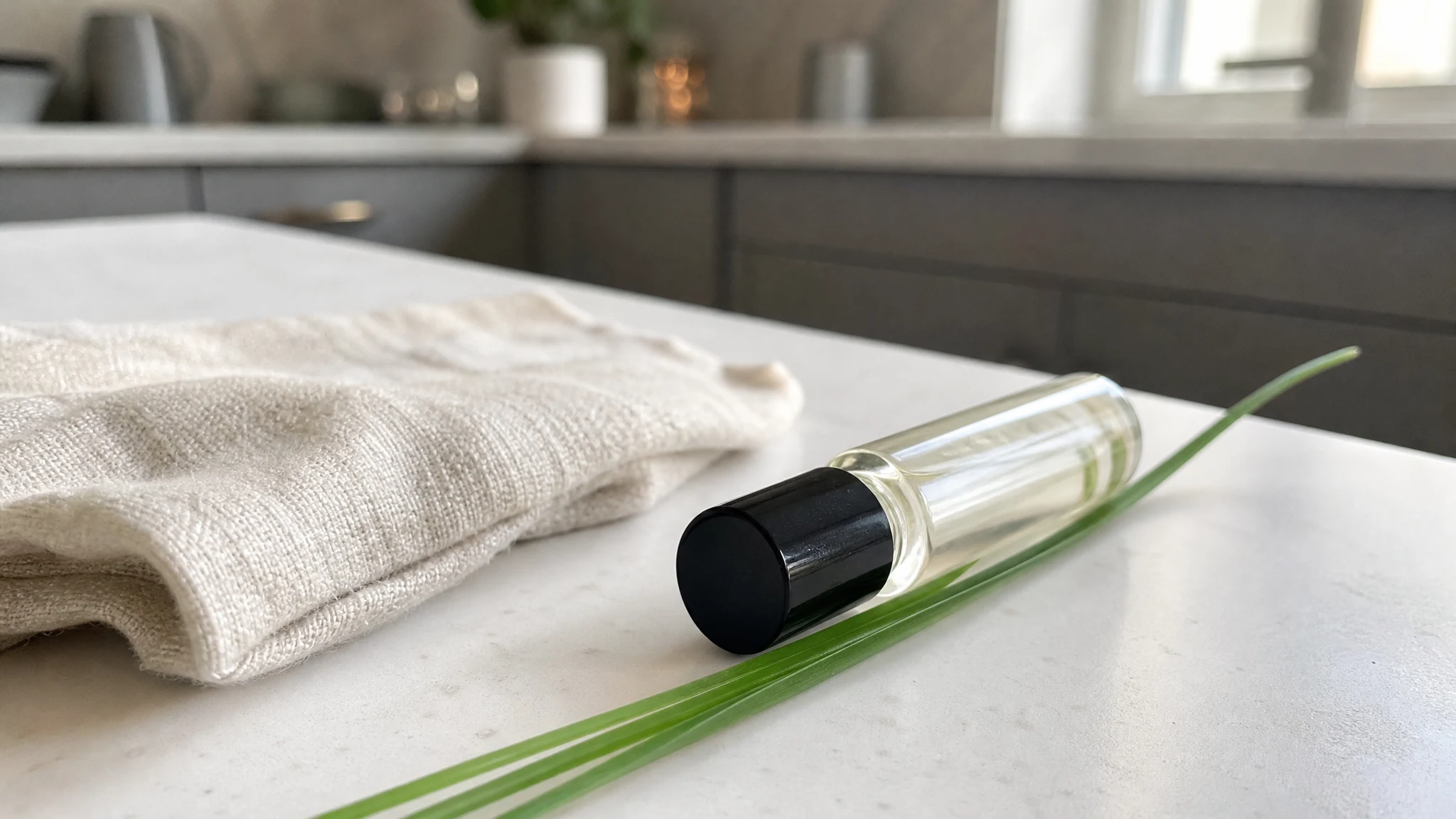
Palmarosa Roller Bottle Recipes: 3 Gentle Blends
A 10 ml roller is tiny, so one drop is half a percent. Three gentle palmarosa rollers to try: on its own, with bergamot, and with geranium.
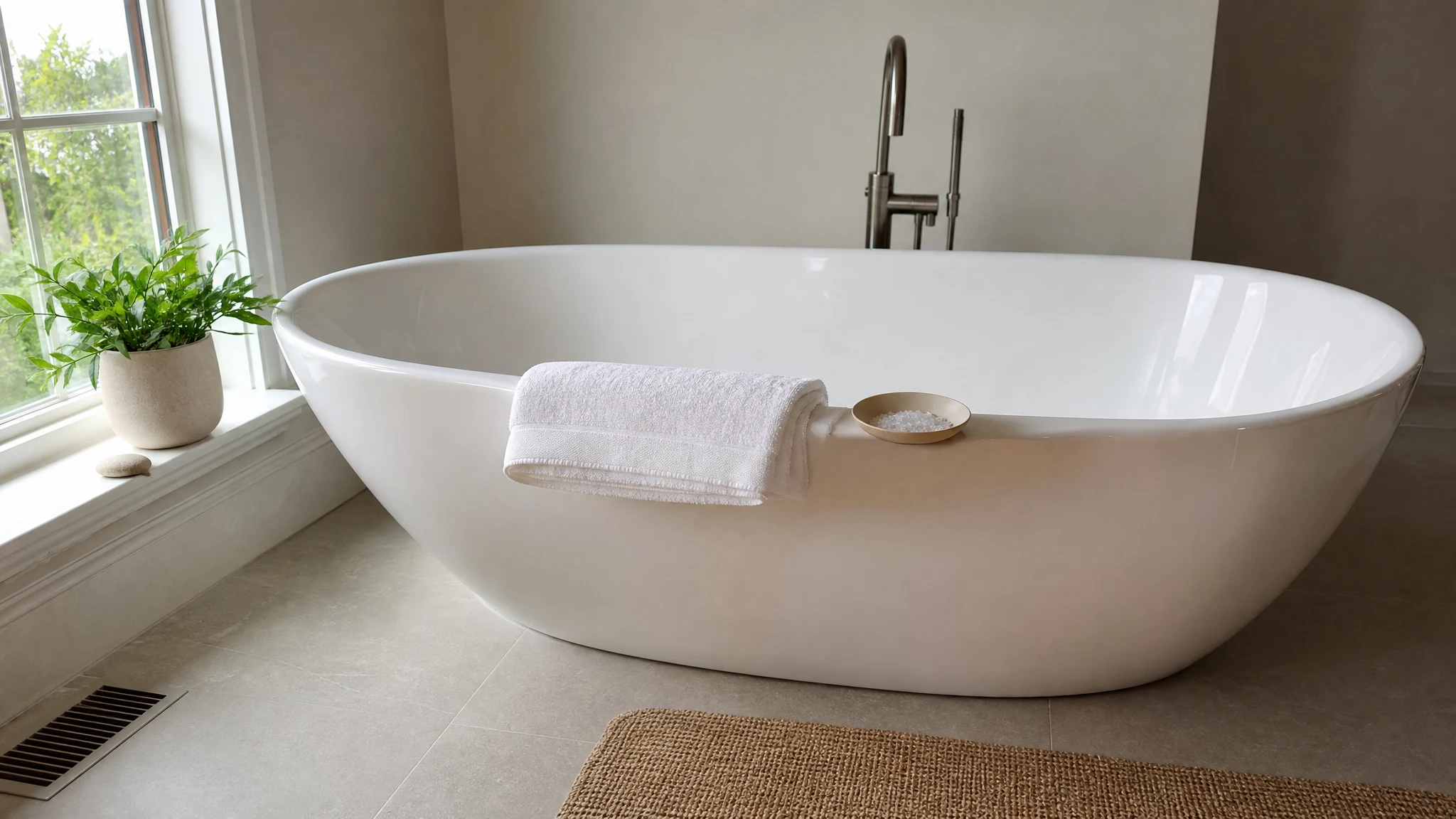
Palmarosa Bath Salts: Mixing Oil and Water Properly
Oil floats on a bath instead of mixing in. Here is how a dispersant fixes that, plus a gentle four drop palmarosa salt mix for one tub.
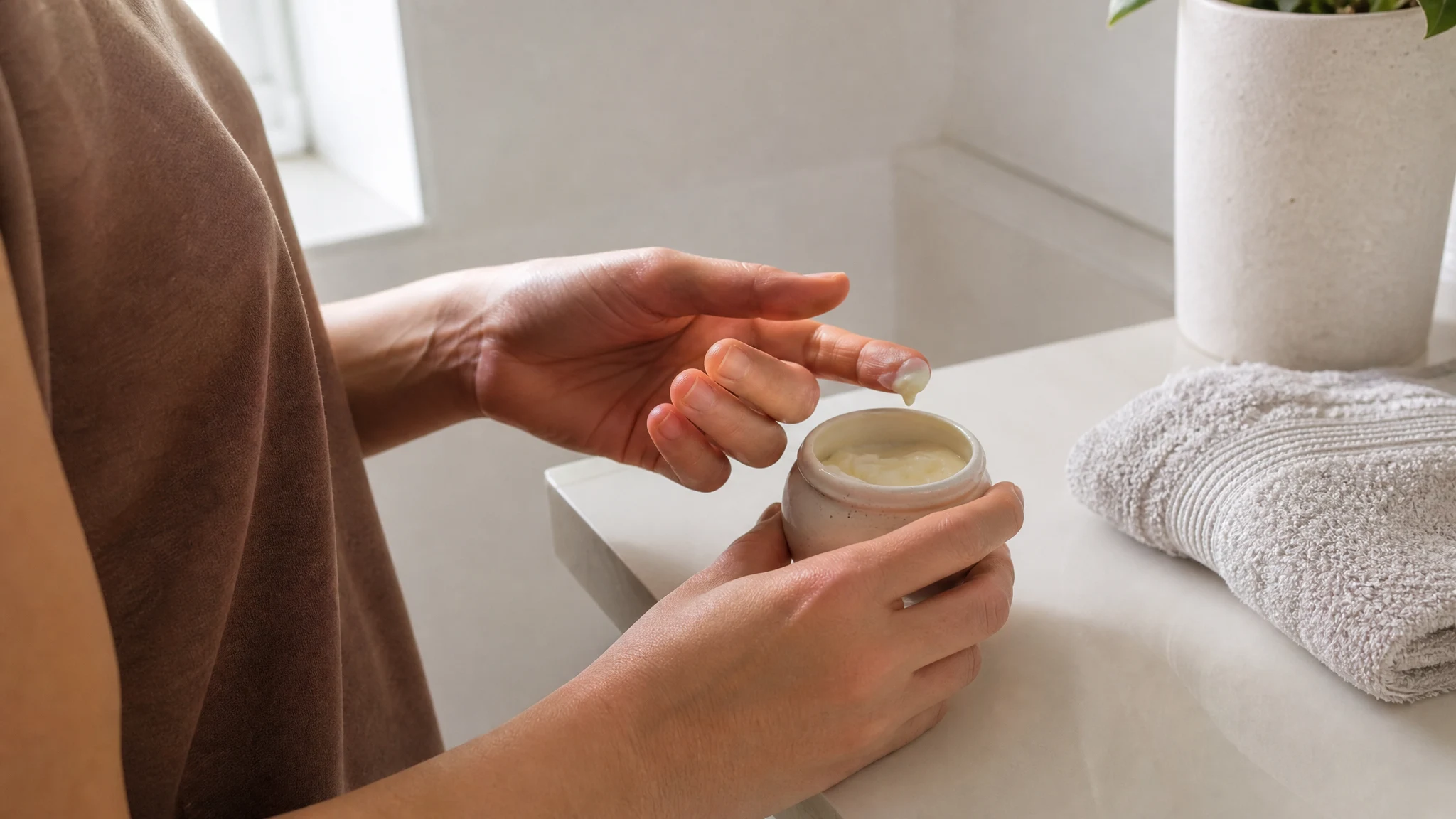
Palmarosa in Deodorant: How Little Is Enough?
A deodorant wants a very light touch of palmarosa. We work out the underarm ceiling and show how two drops can scent a 50 g base with a rosy veil.
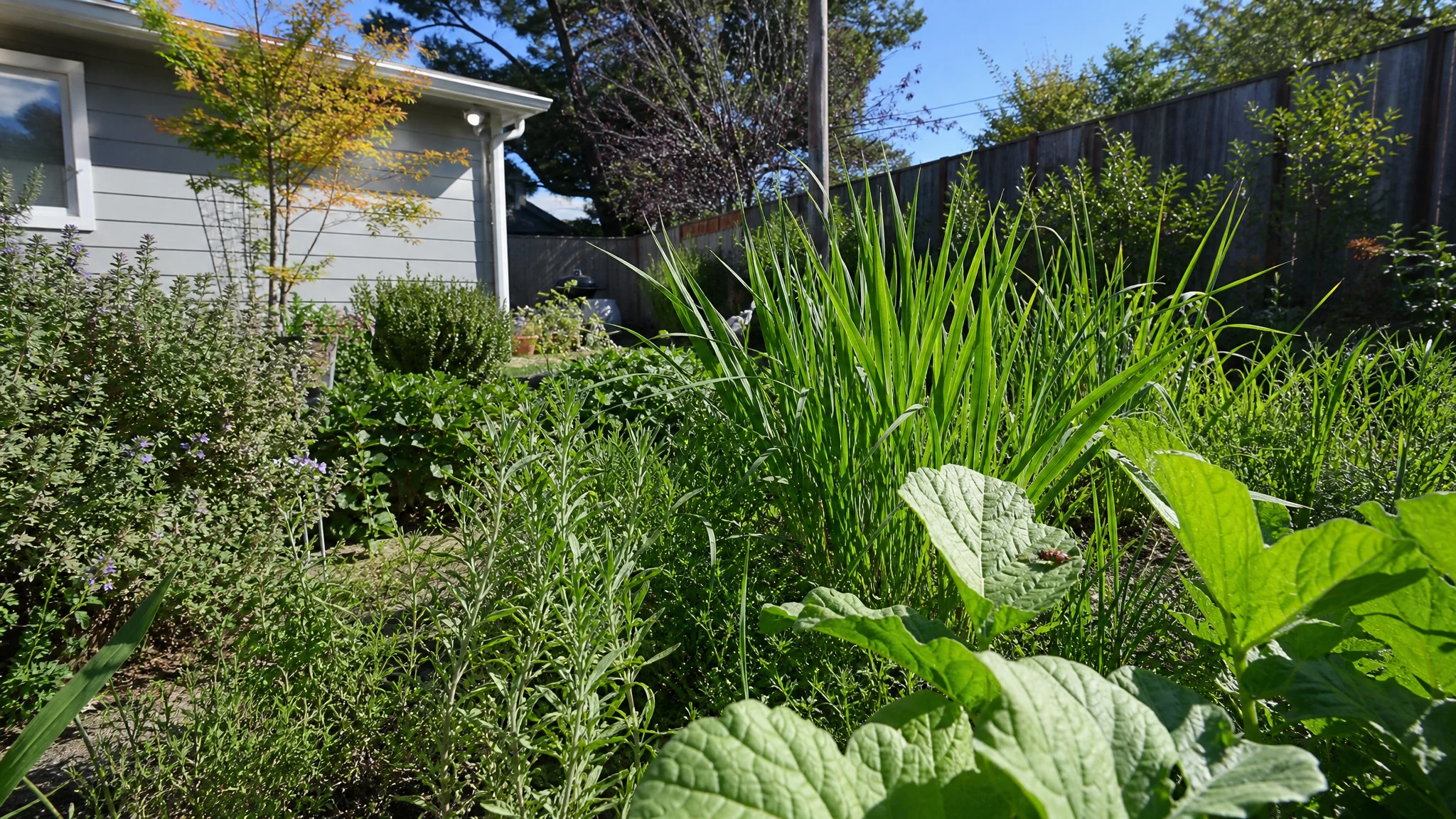
Does Palmarosa Oil Repel Mosquitoes? What Agencies Say
Palmarosa smells lovely on a summer evening. See what EPA and CDC say about repellents, and what studies of geraniol and palmarosa actually tested.
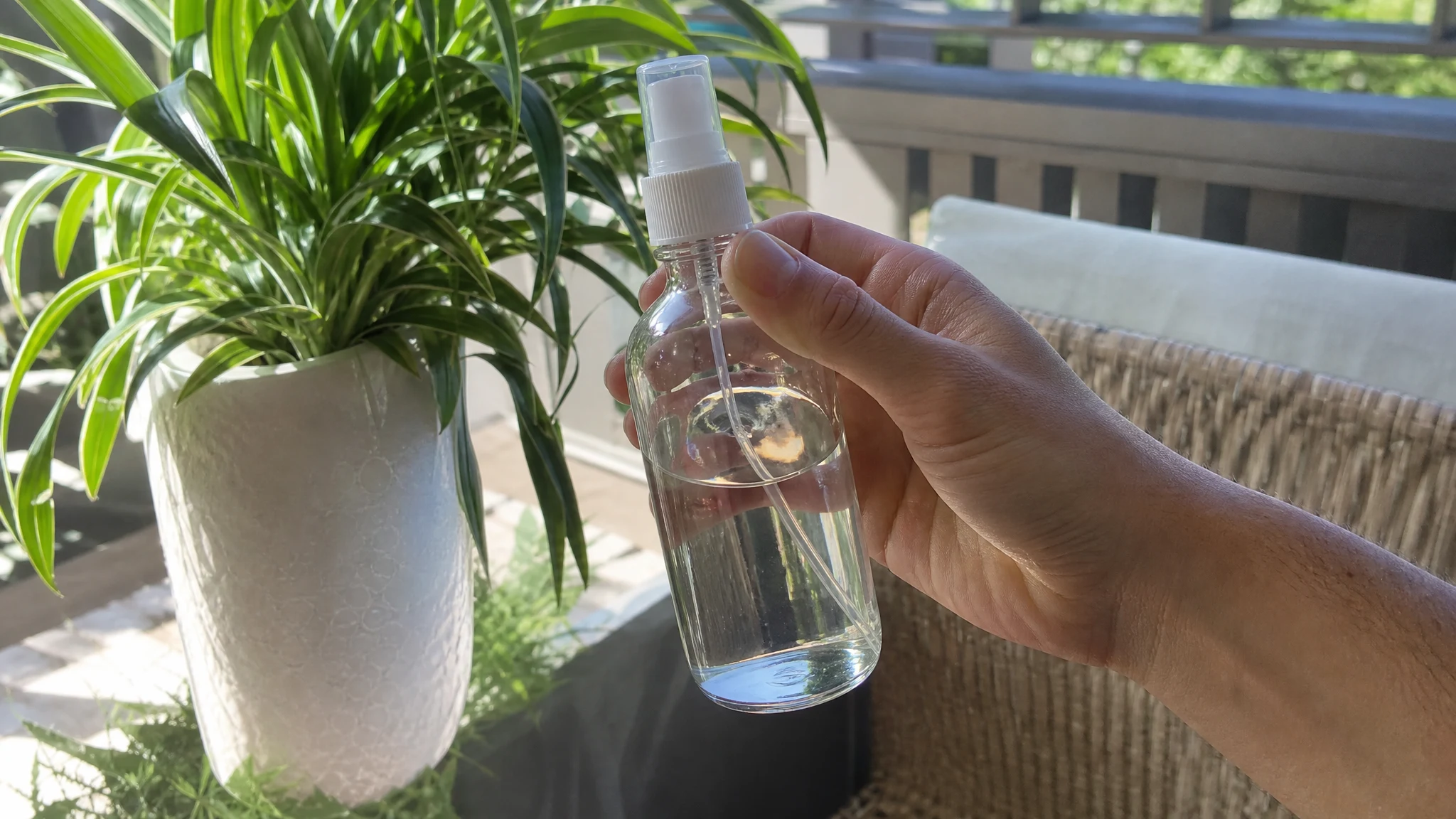
Palmarosa Porch Spray for Cushions and Outdoor Fabric
Rose-and-grass fragrance for patio cushions and outdoor throws, built on alcohol and worked out by weight. Plus a clear word on bug protection.
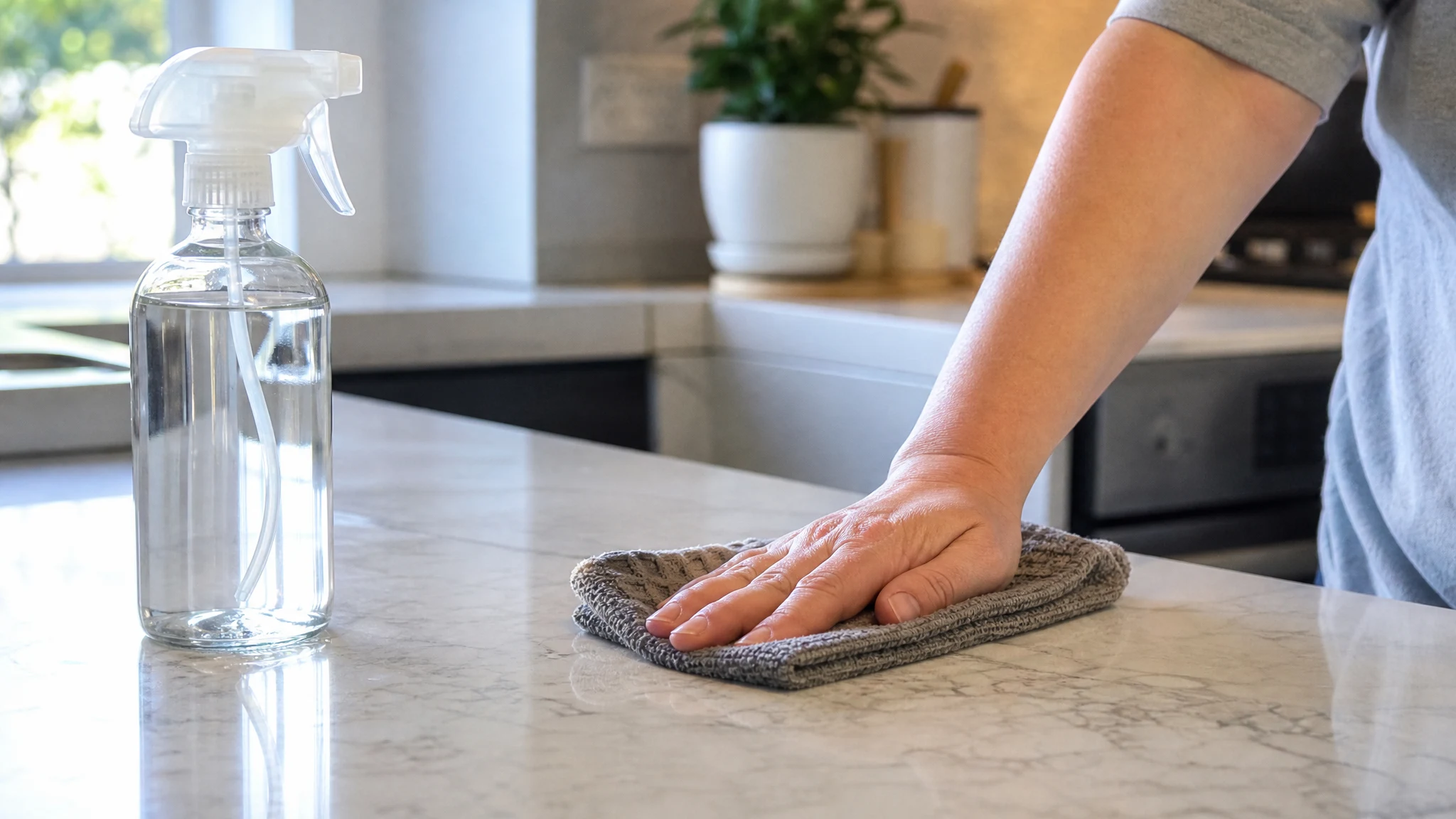
Scenting a DIY Cleaning Spray with Palmarosa
Detergent does the cleaning and palmarosa brings the rose and cut grass scent. A scented spray worked out by weight, with notes for homes with pets.
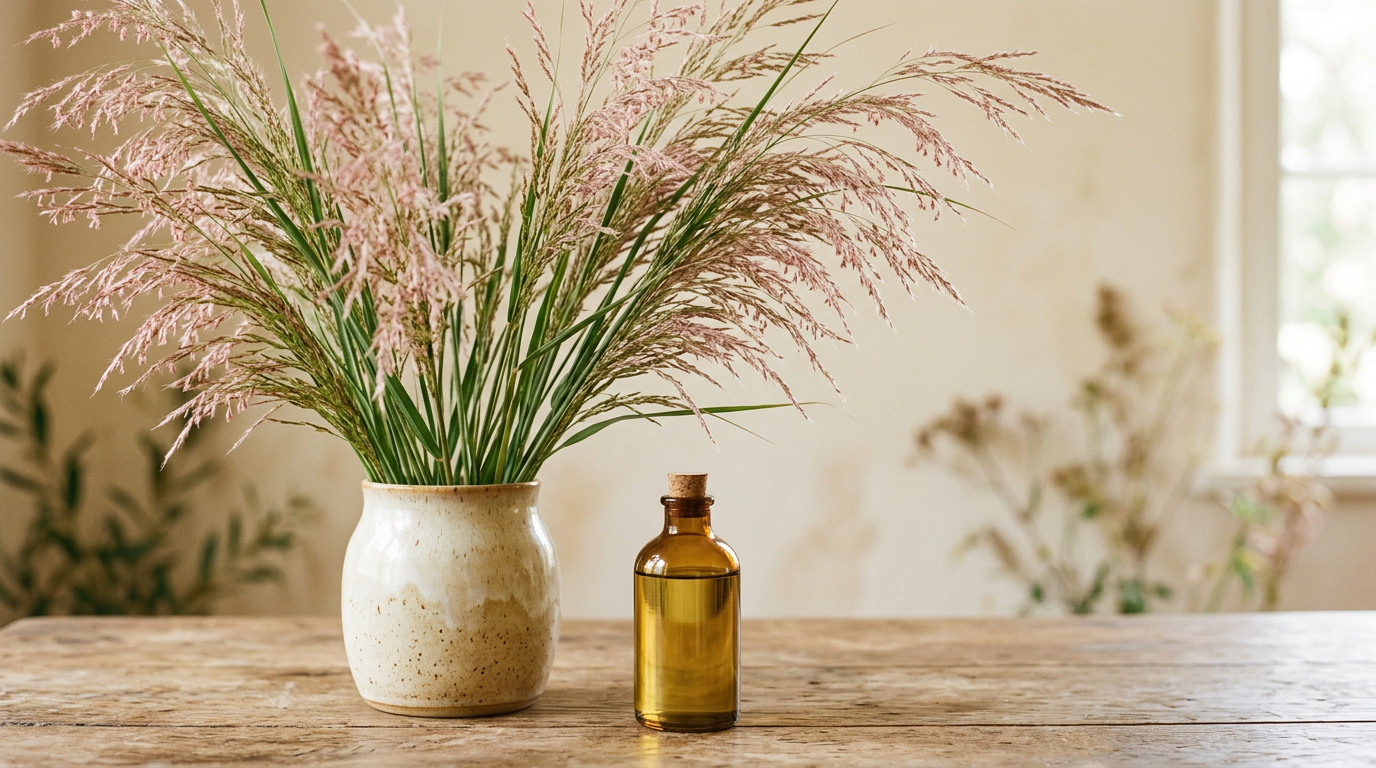
Palmarosa Candle Scent: A Maker's Starting Guide
Skin limits relax in a candle, so the wax and the load set the scent. Weight maths, air quality studies and a fair way to test palmarosa.
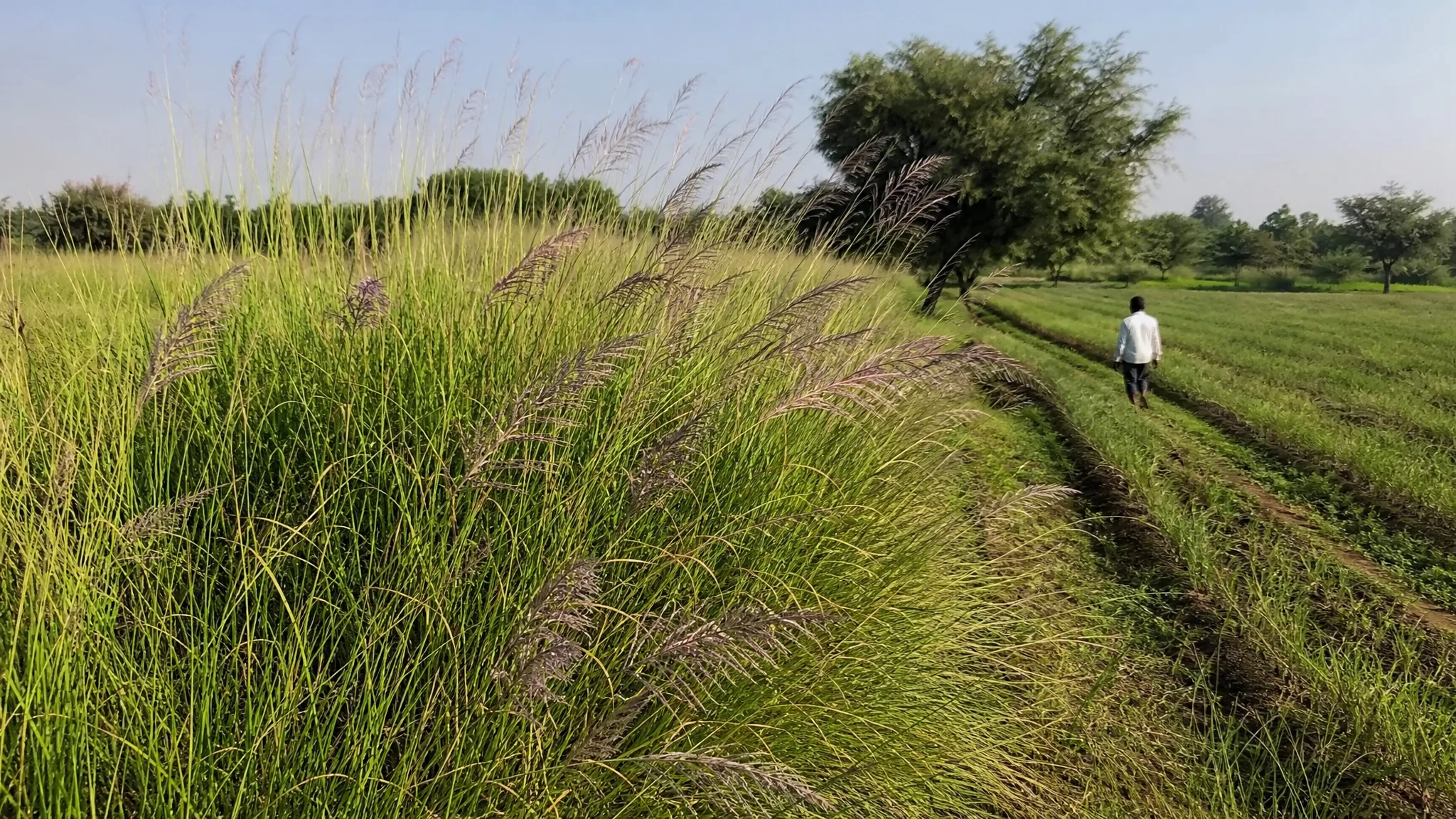
What Is Palmarosa Oil? The Rose-Scented Grass
Palmarosa smells like rose but comes from a grass. Meet the plant, the geraniol behind the scent, its lemongrass cousins and how the oil is used.
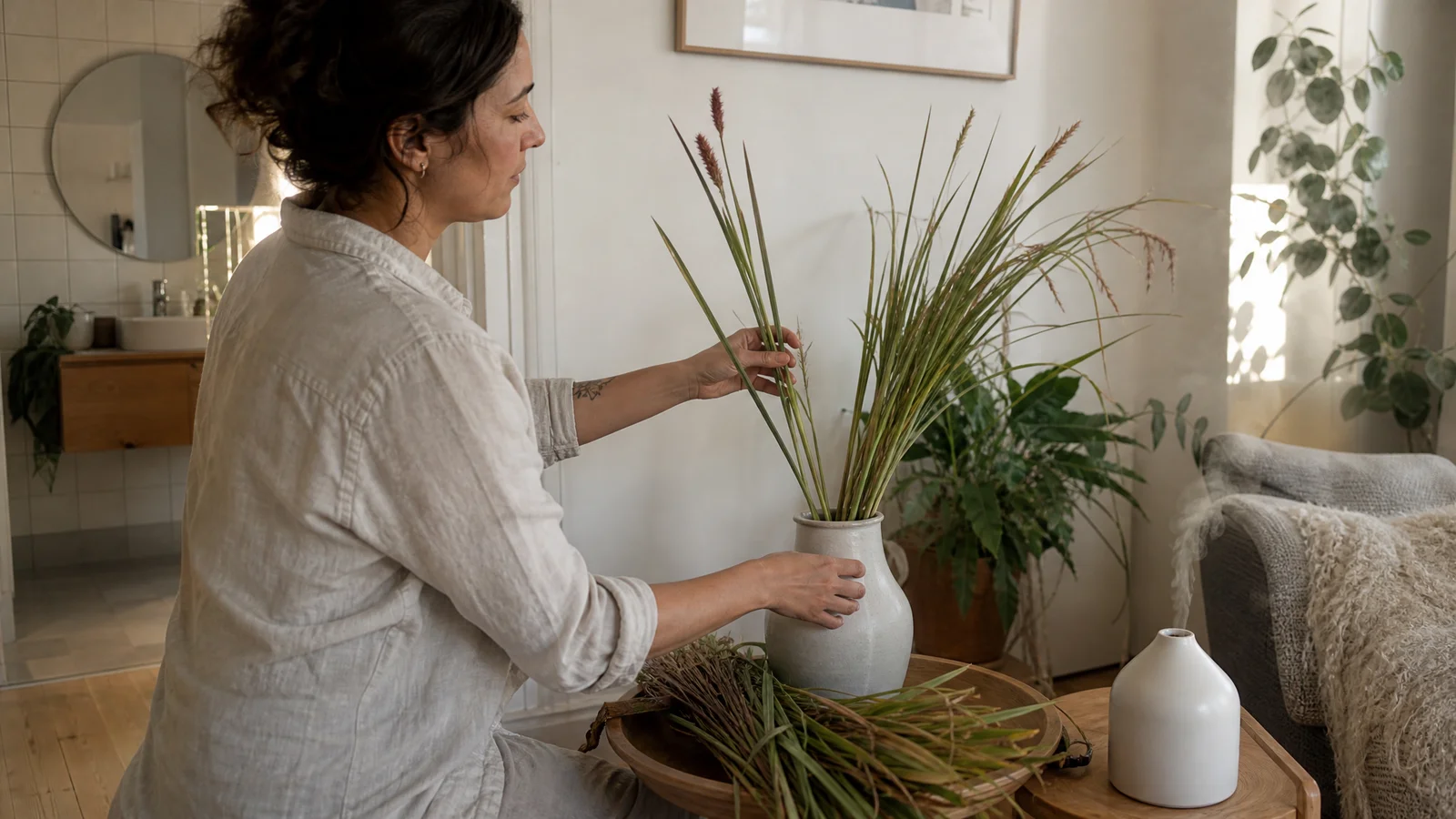
Palmarosa Oil Uses: What Amount Fits Each Product
One bottle, many jobs, and a very different amount for each. Here is how to match palmarosa oil to the product, from body mist to soap to candles.
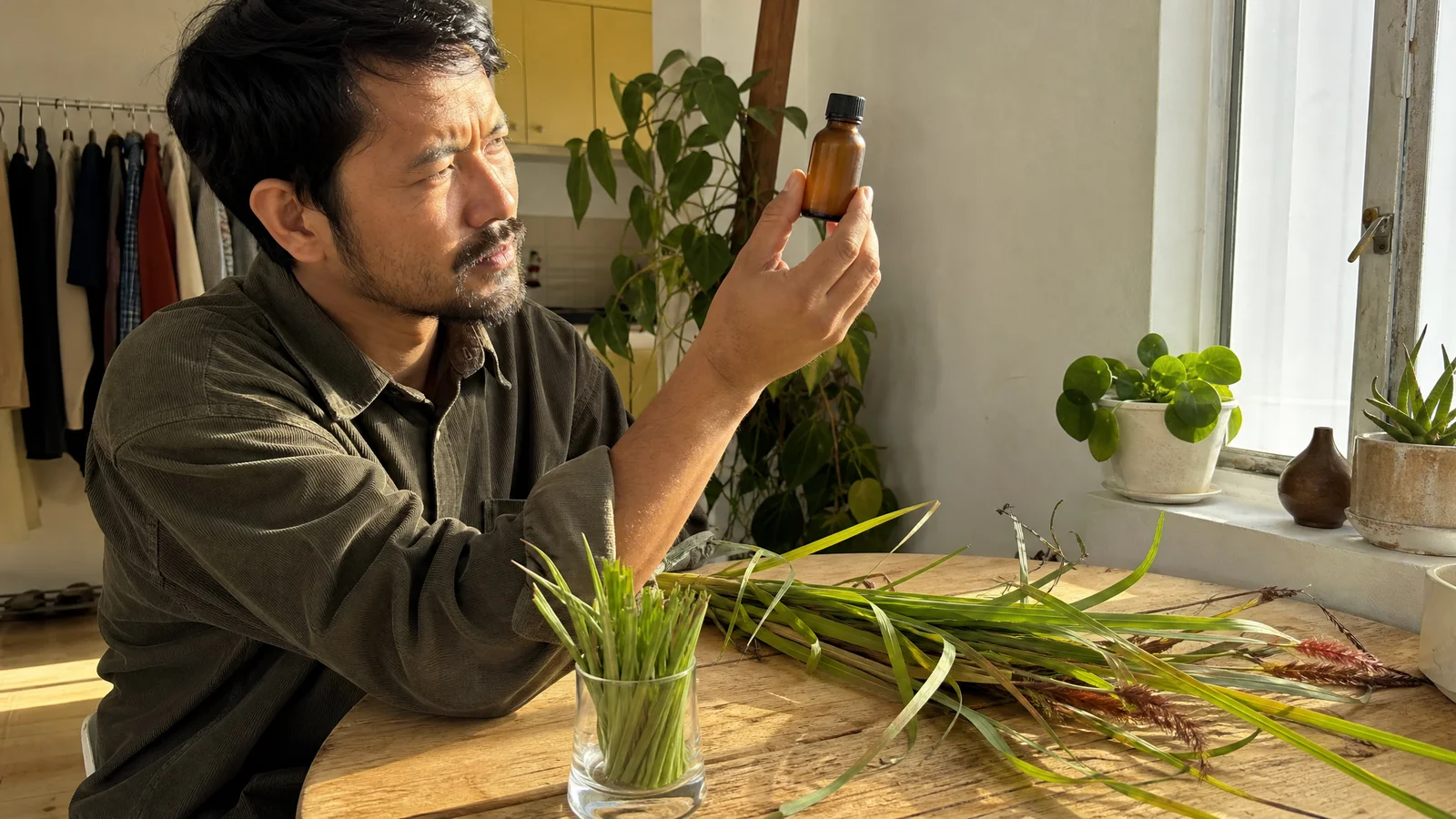
Palmarosa Certificate of Analysis: How to Read One
Density, refractive index and optical rotation explained with our own certificate, plus what a GC-MS report adds and how to ask a seller for one.
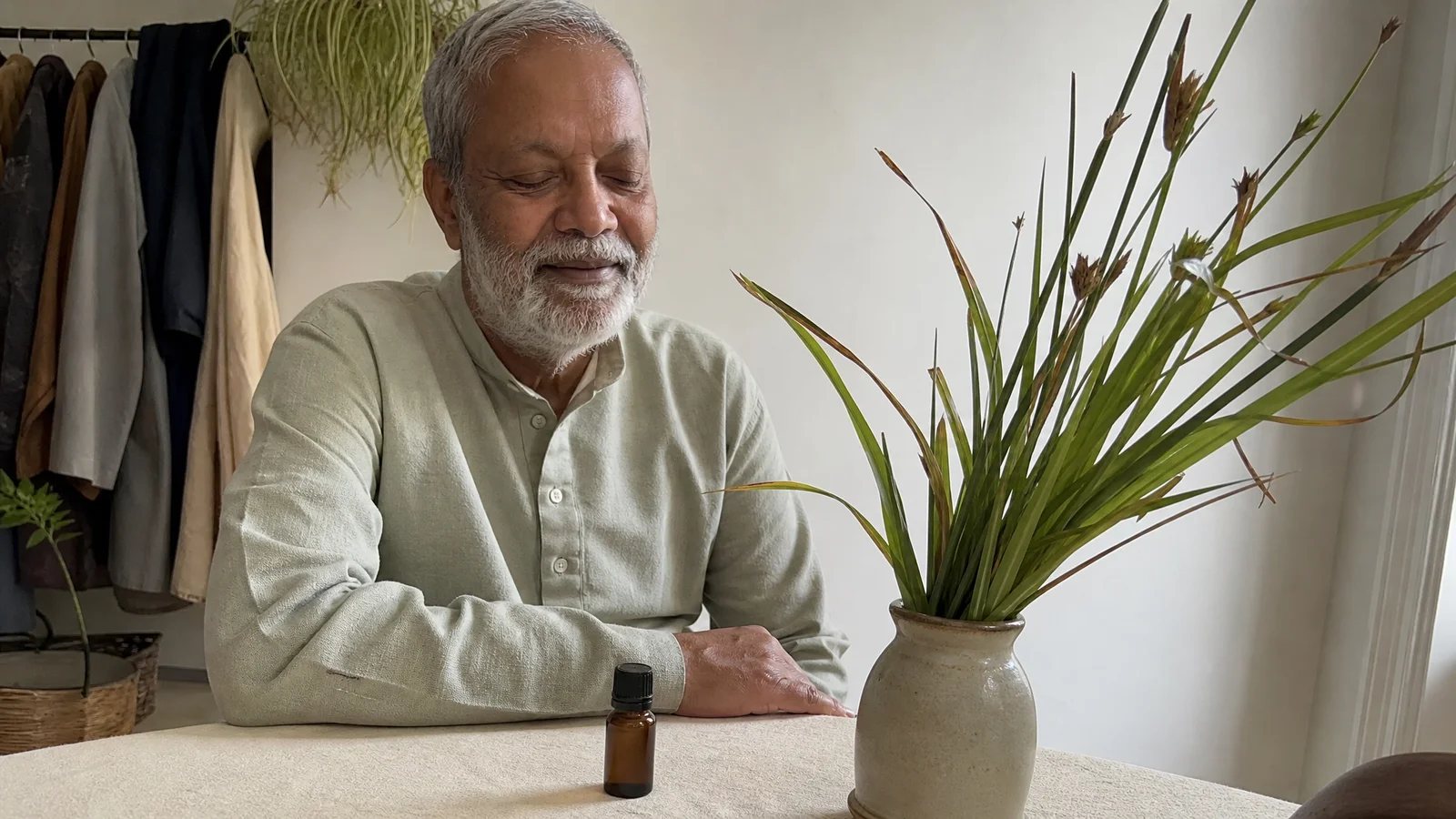
What Does Palmarosa Smell Like? Rose, Grass and Lemon
Palmarosa smells of rose, fresh grass and a touch of lemon. Here is the chemistry behind the scent, why bottles differ, and how to give one a proper sniff.
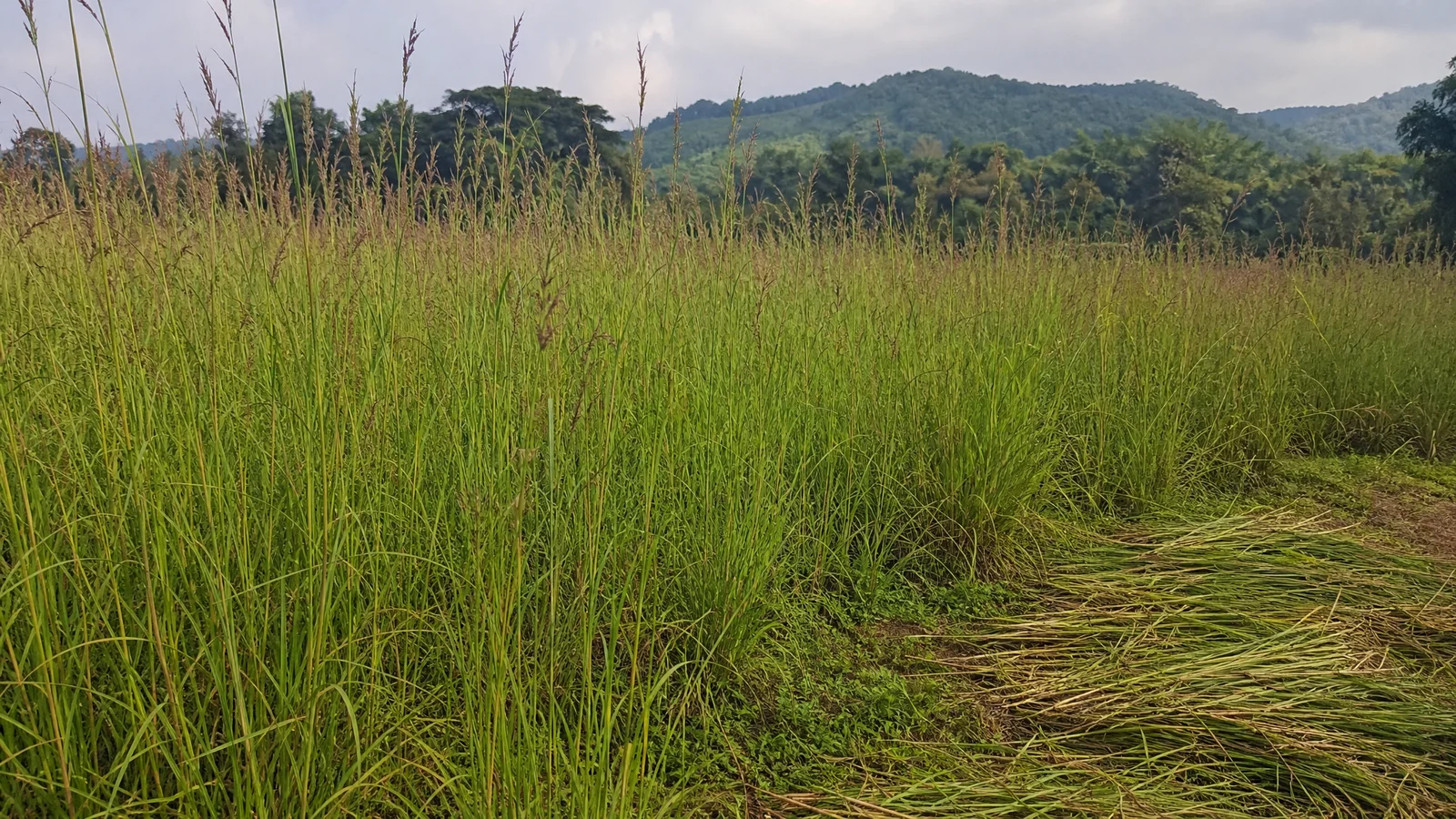
How Palmarosa Oil Is Made: From Grass to Bottle
Cut, wait, steam, stop: the four decisions that shape palmarosa oil, with real distillation numbers and what they mean when you choose a bottle.
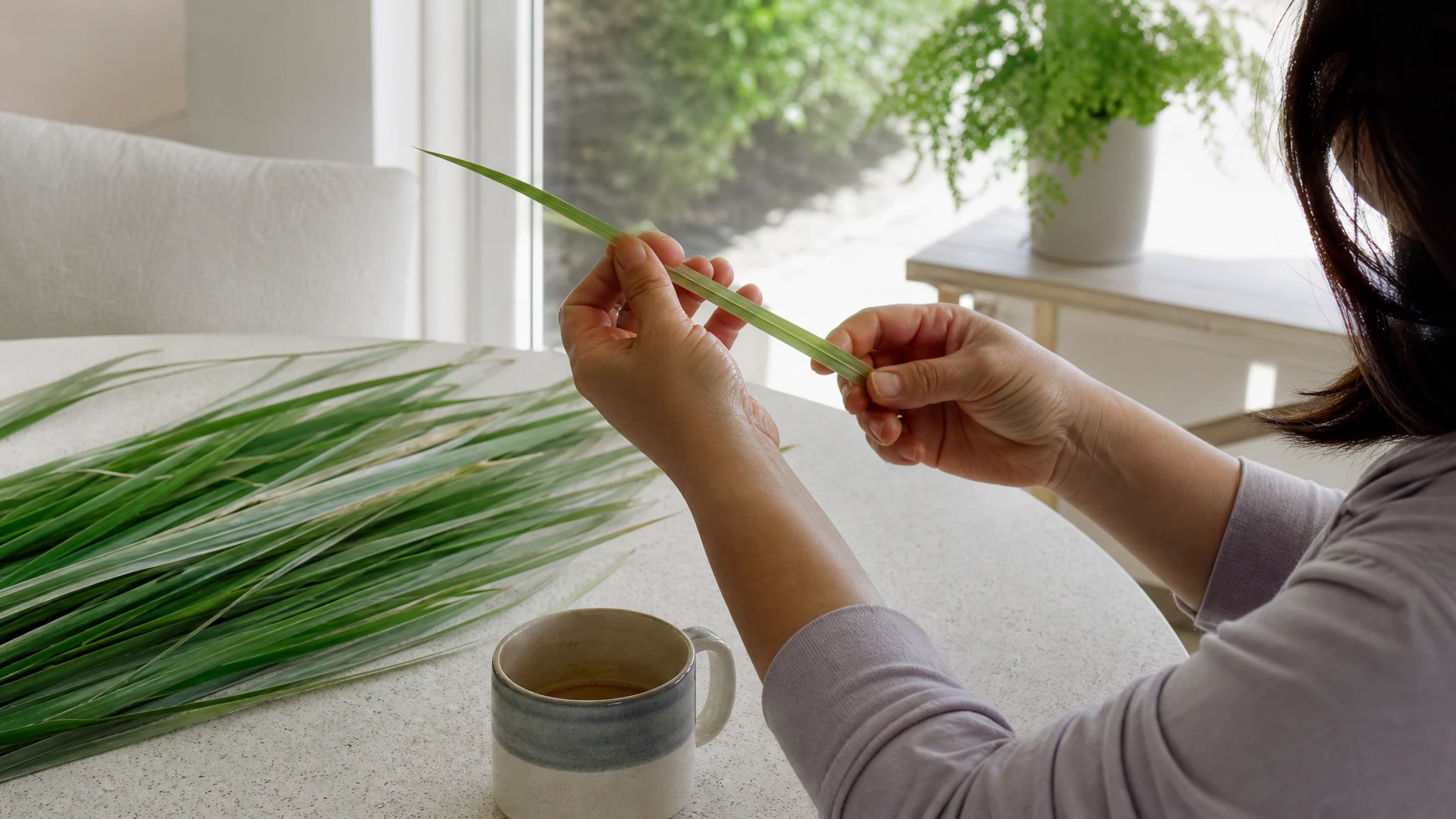
Palmarosa Oil FAQ: Scent, Dilution, Storage and More
Is palmarosa like rose, how much goes on skin, how long does a bottle last? Plain answers, with the sources behind each of the numbers.
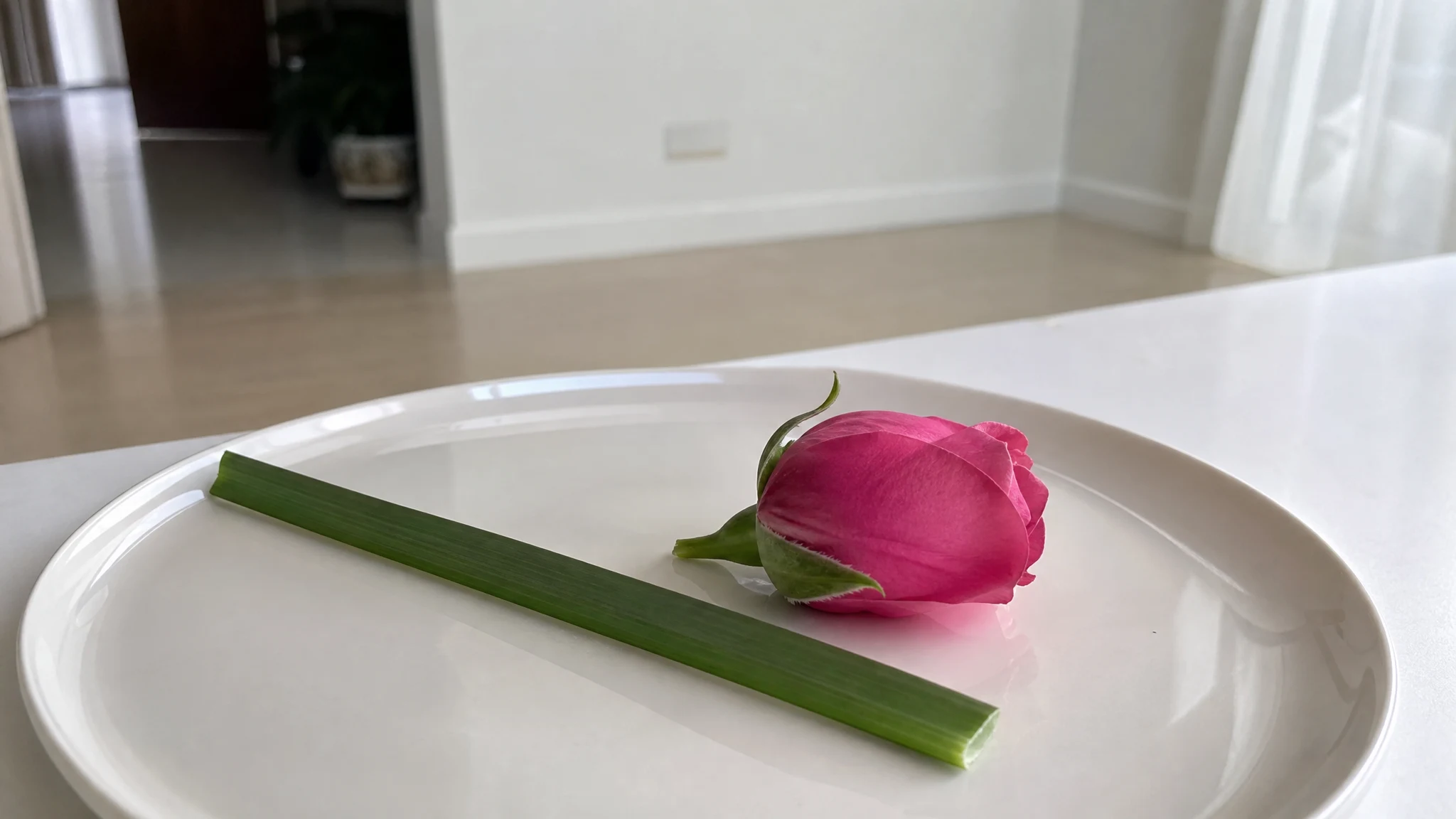
Why Palmarosa Smells Like Rose: Meet Geraniol
One molecule does most of the work in palmarosa oil. Why published analyses differ, how harvest shapes the oil, and why we dilute it lightly on skin.
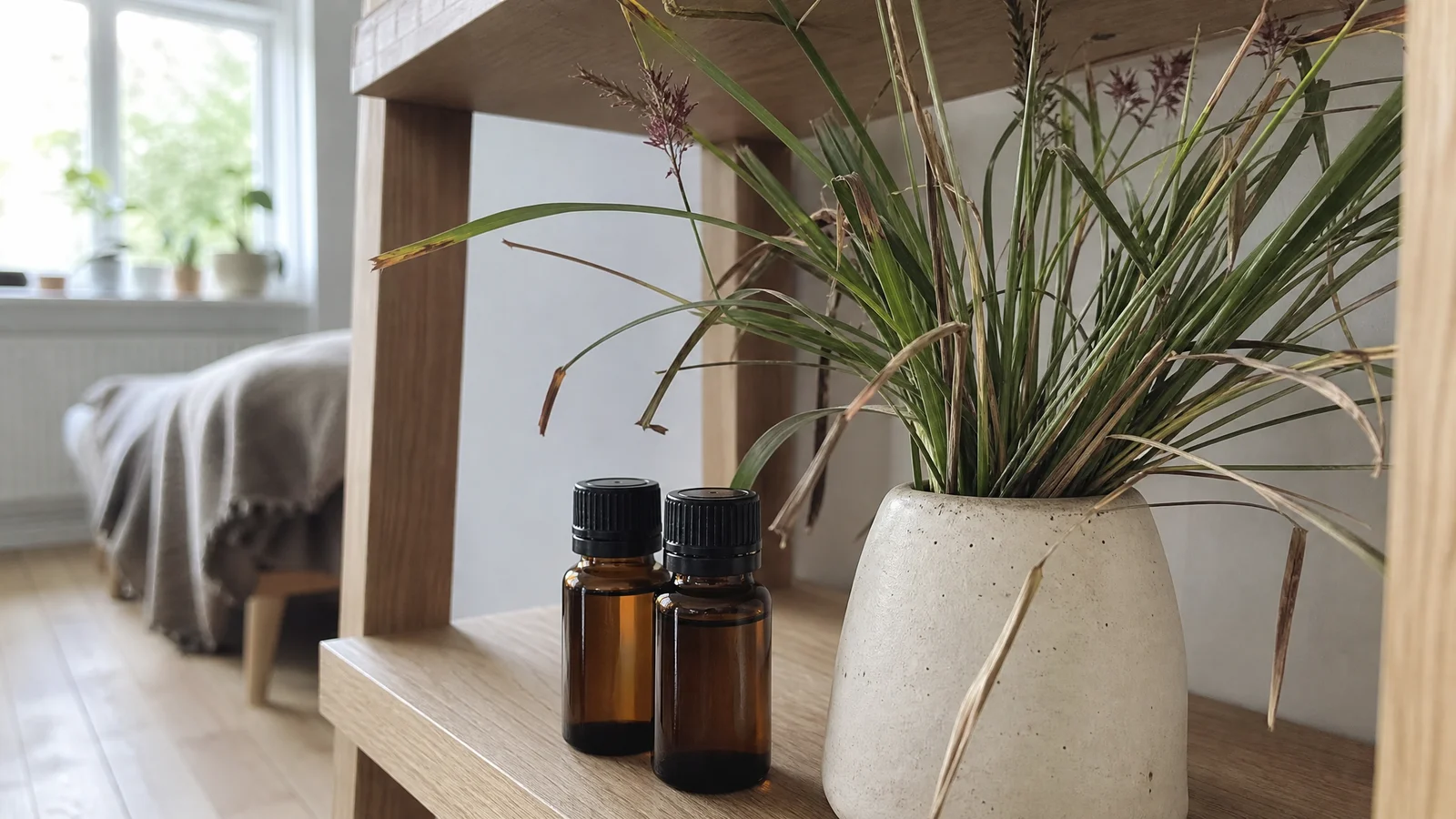
How to Store Palmarosa Oil So It Stays Fresh
Palmarosa is mostly geraniol, and geraniol reacts with air. Simple habits keep a bottle fresh, and an older one still makes a lovely room scent.
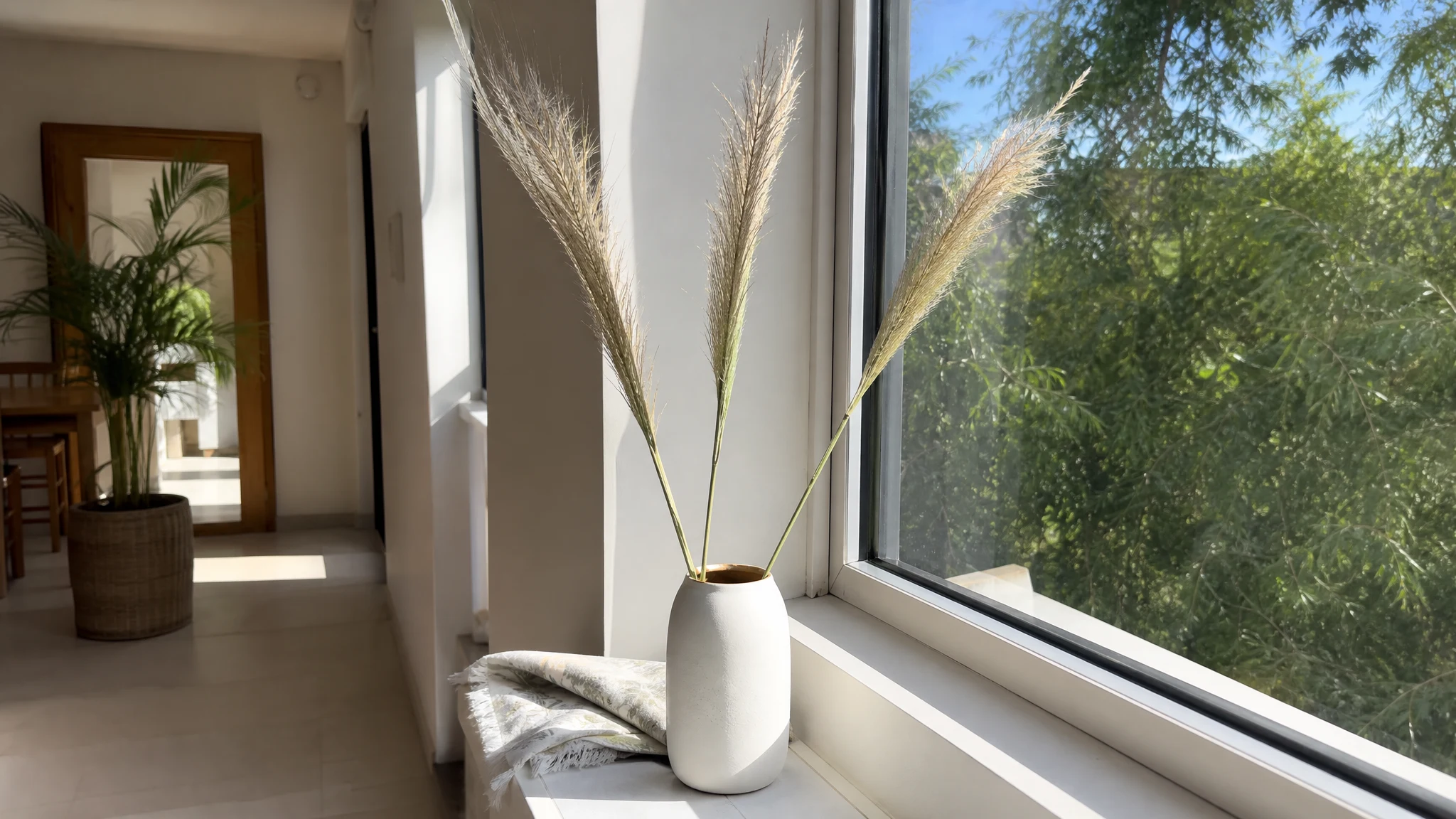
Why Was Palmarosa Called Turkish Geranium?
A grass sold as geranium, shipped to Constantinople to stretch rose oil, and the chemists who finally named the molecule that makes it smell of roses.
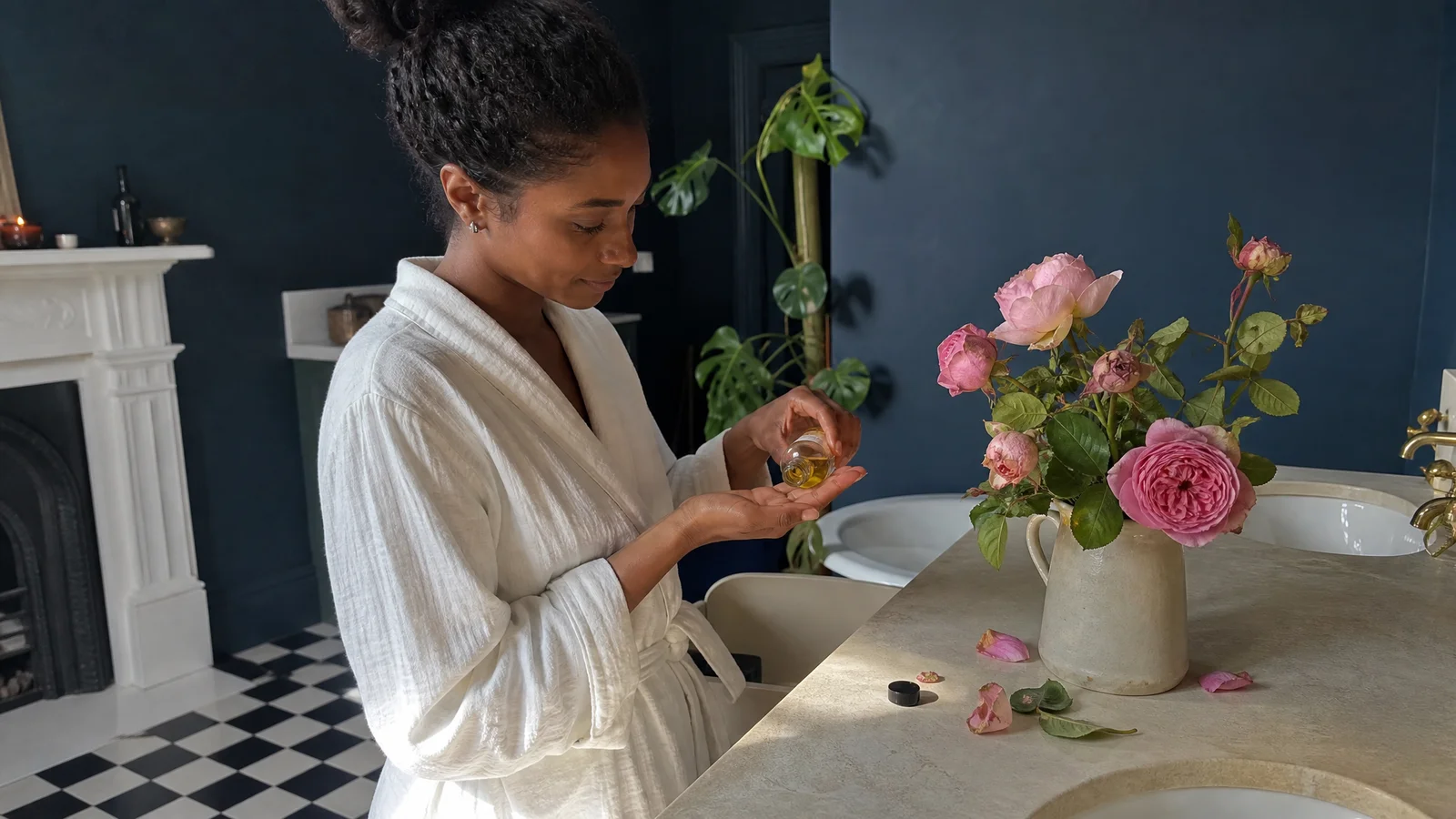
Adding Palmarosa to Face Oil and Body Cream
A rosy touch for face and body products, kept within IFRA geraniol limits. See how much fits, how to test, and how to add it one step at a time.
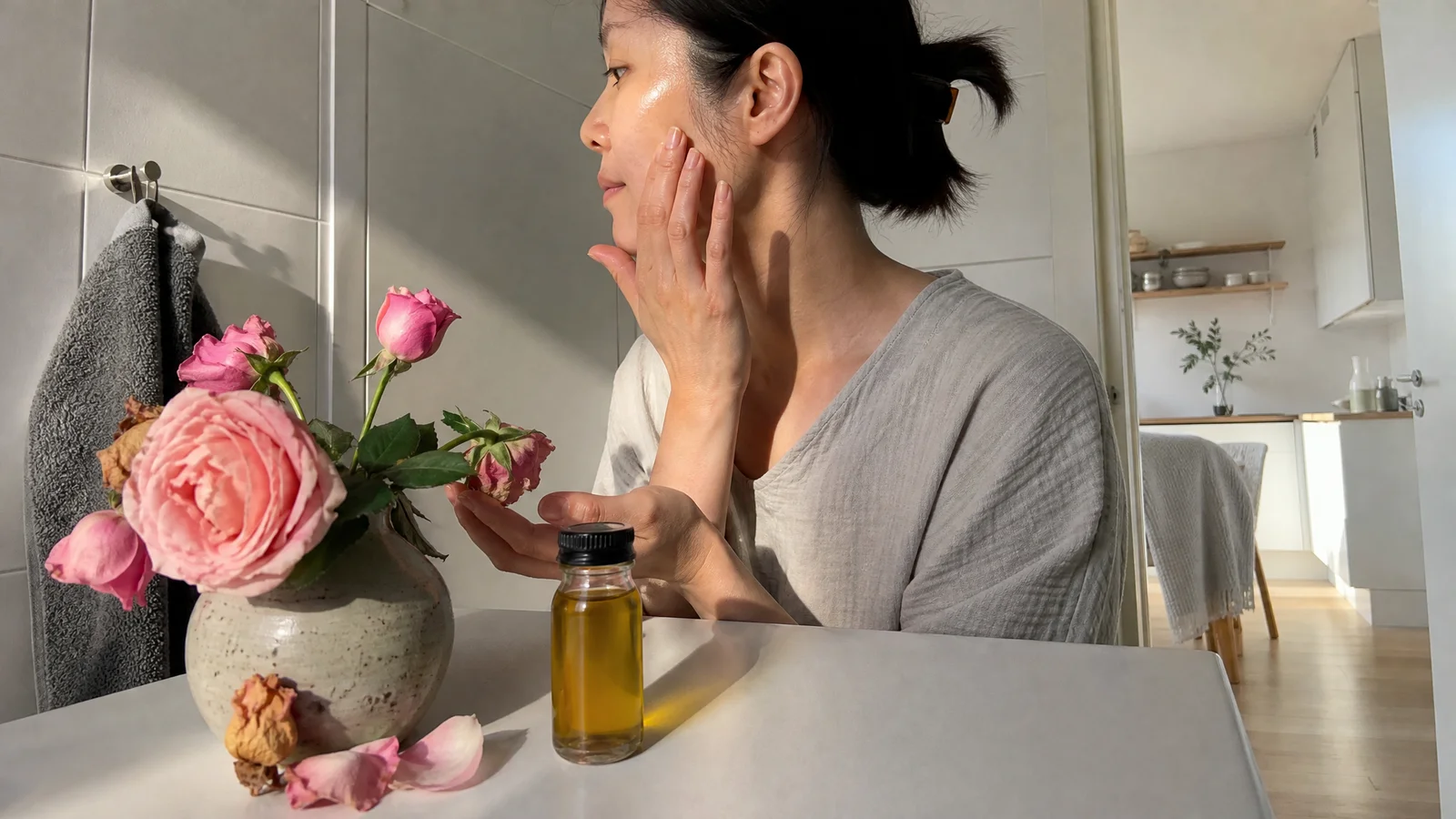
Palmarosa Face Oil: How Much to Add, Worked by Weight
A two-ingredient face oil with a delicate rosy scent. The palmarosa is kept under fragrance-industry limits for the face and worked out by weight.
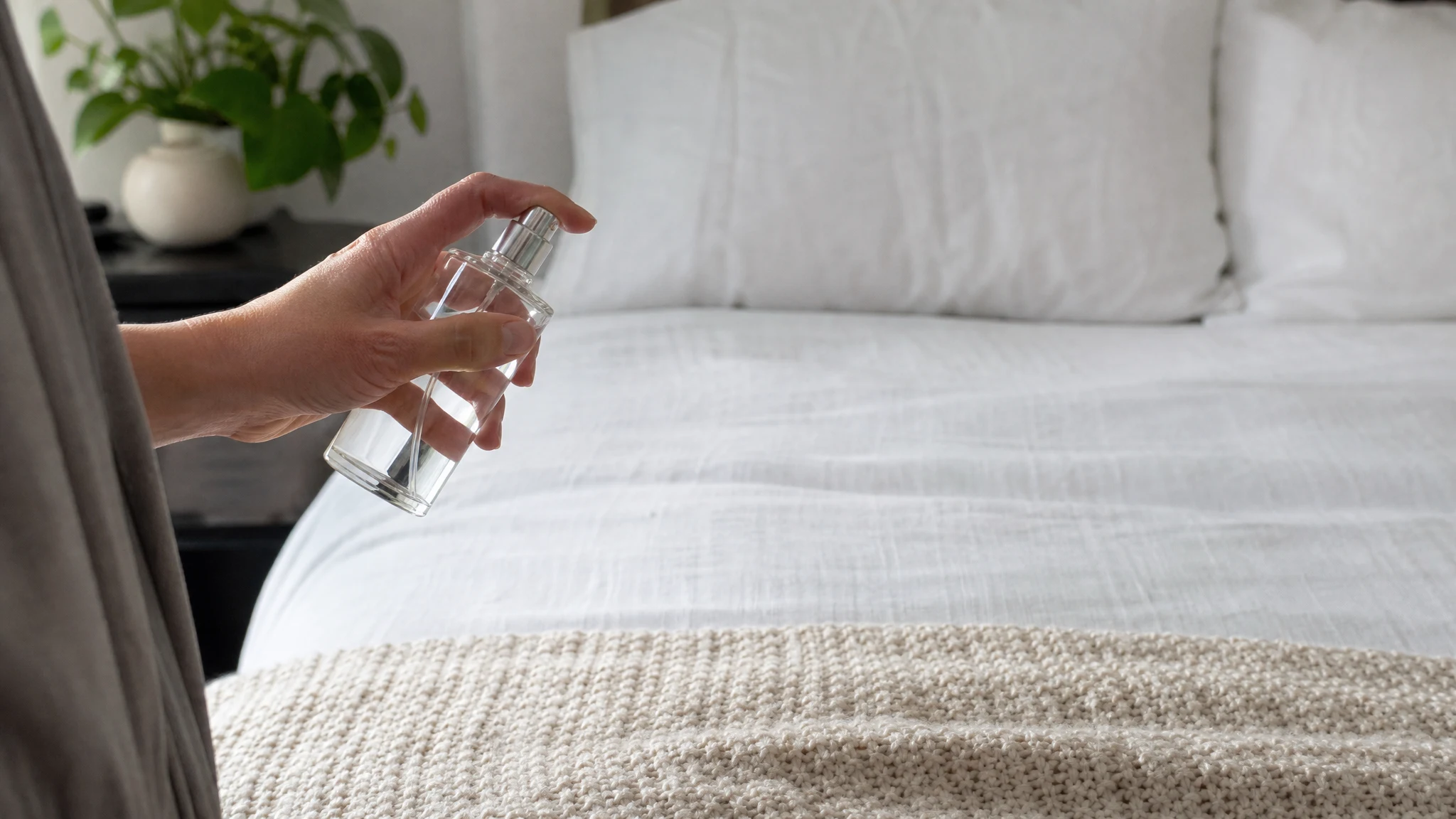
Palmarosa Linen Spray and Body Mist Recipes
A body mist and a linen spray look like one project but need different strengths. Here are both, built on alcohol and worked out by weight.
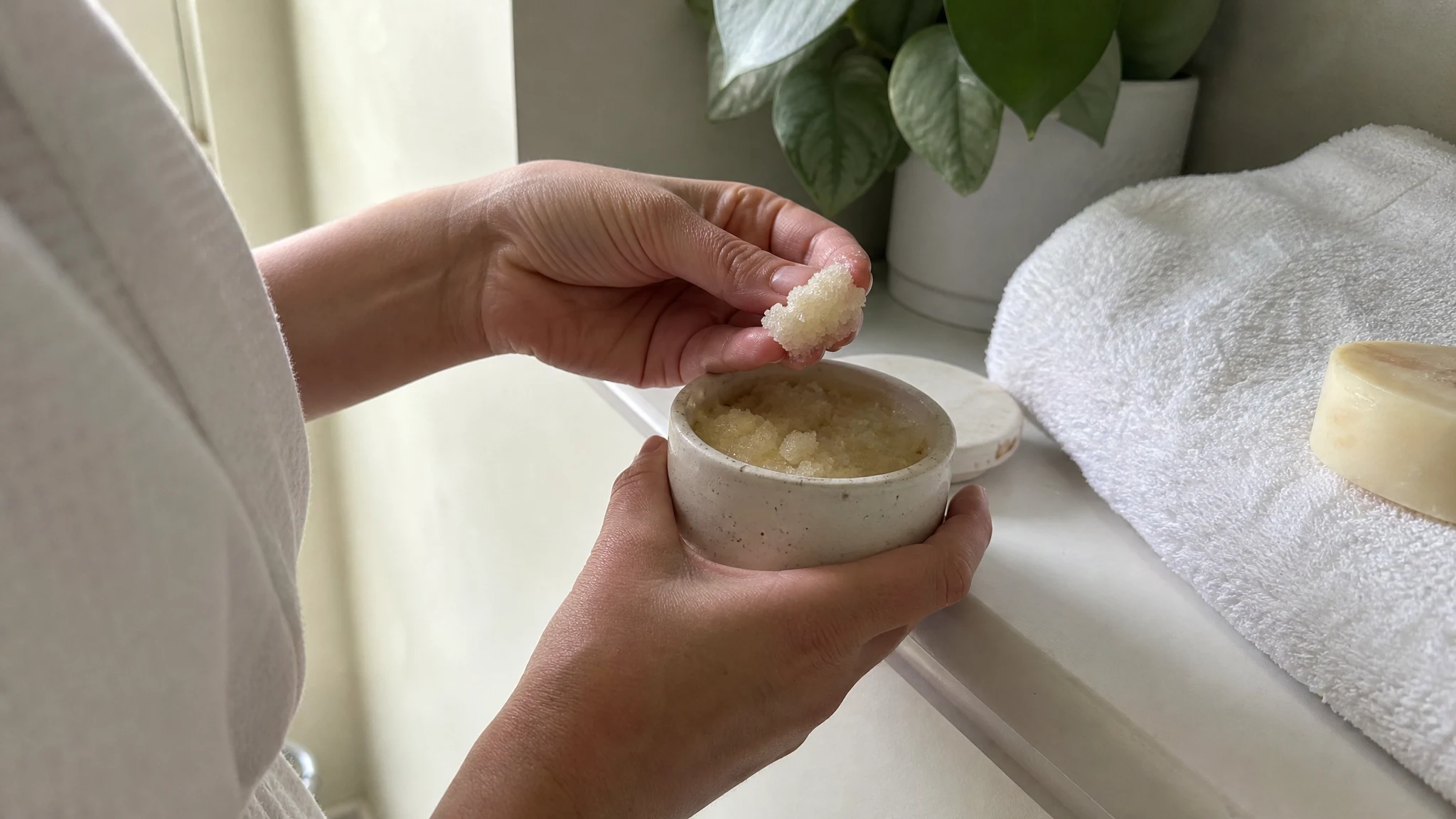
Palmarosa Soap and Sugar Scrub: Easy Rinse-Off Recipes
Soap lets palmarosa stretch its legs: a roomier rinse-off limit, a melt and pour bar and a dry sugar scrub, both worked out gram by gram.
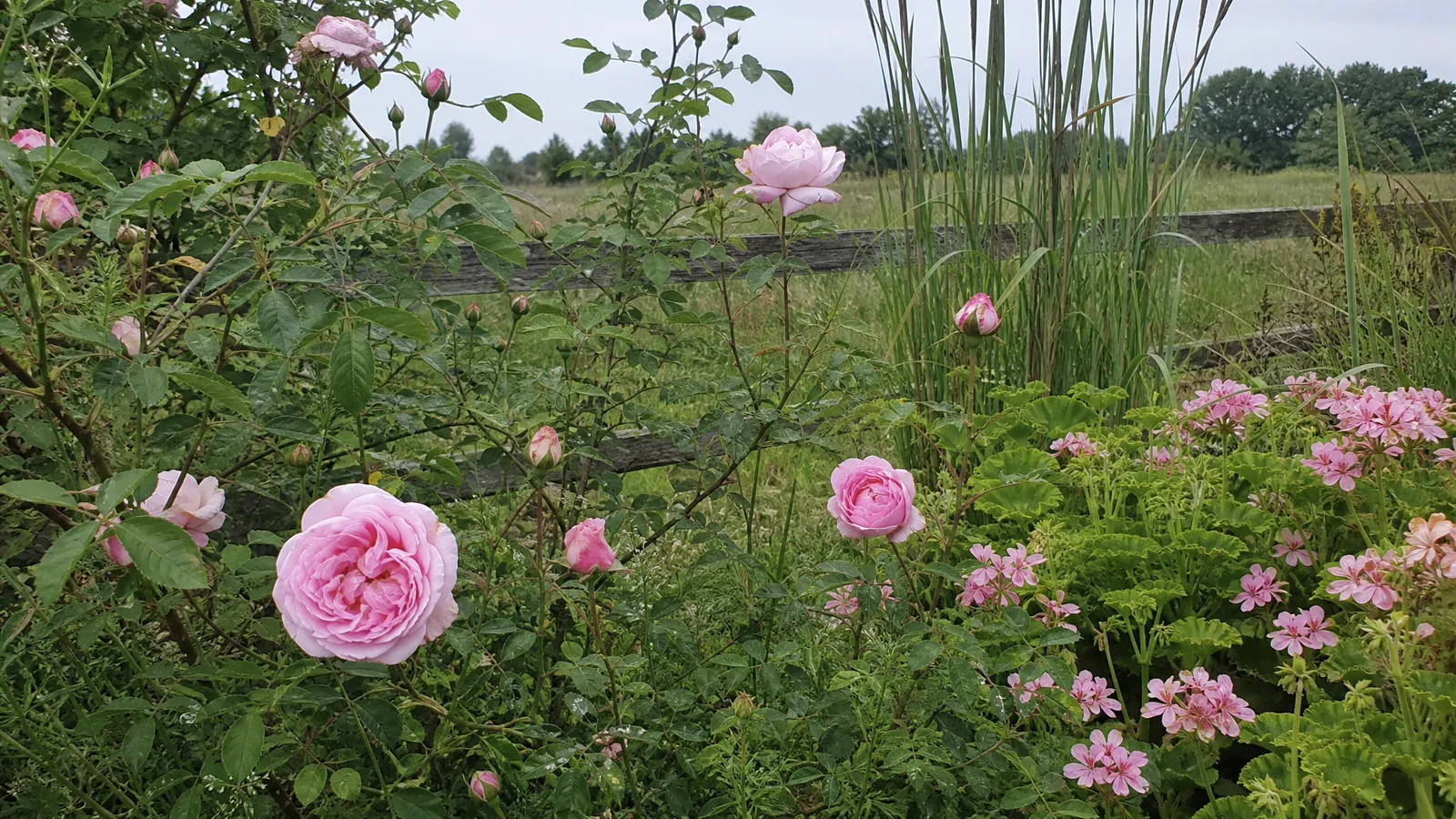
Rose Meadow Blend: Palmarosa, Geranium and Bergamot
Palmarosa, geranium and bergamot make a lovely rose-meadow blend. Here it is worked out in drops for a 30 ml bottle, with the limits that set its strength.
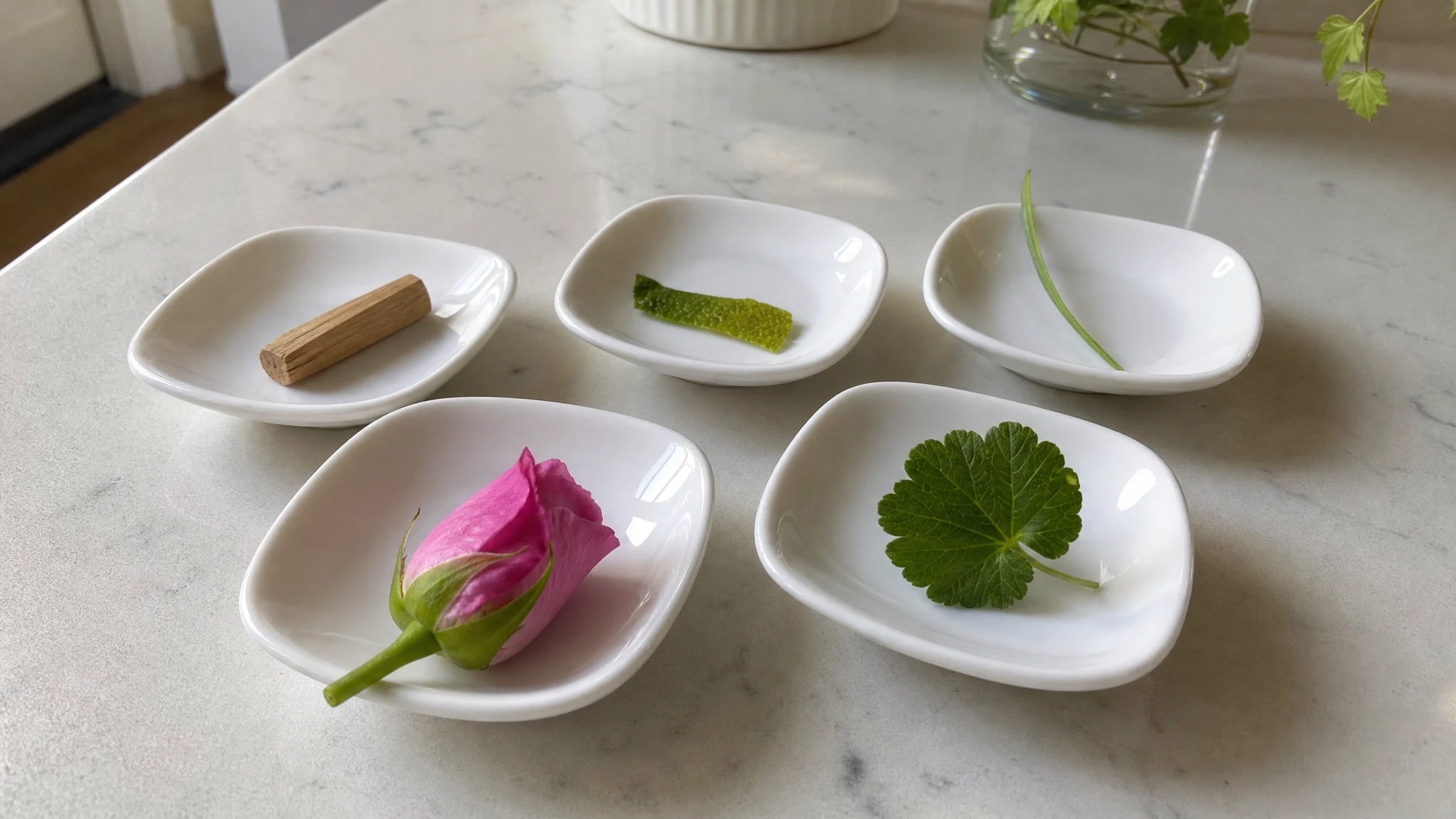
What Blends With Palmarosa Oil? Six Partners to Try
Geranium, bergamot, ylang ylang, sandalwood, lavender or patchouli: what each adds to palmarosa, plus the simple sum that keeps a skin blend balanced.

Palmarosa for Summer Rooms: Light Diffuser Blends
Palmarosa smells green and rosy rather than heavy, which suits summer. Diffuser timing, where to keep the bottle, and two light blends written as ratios.
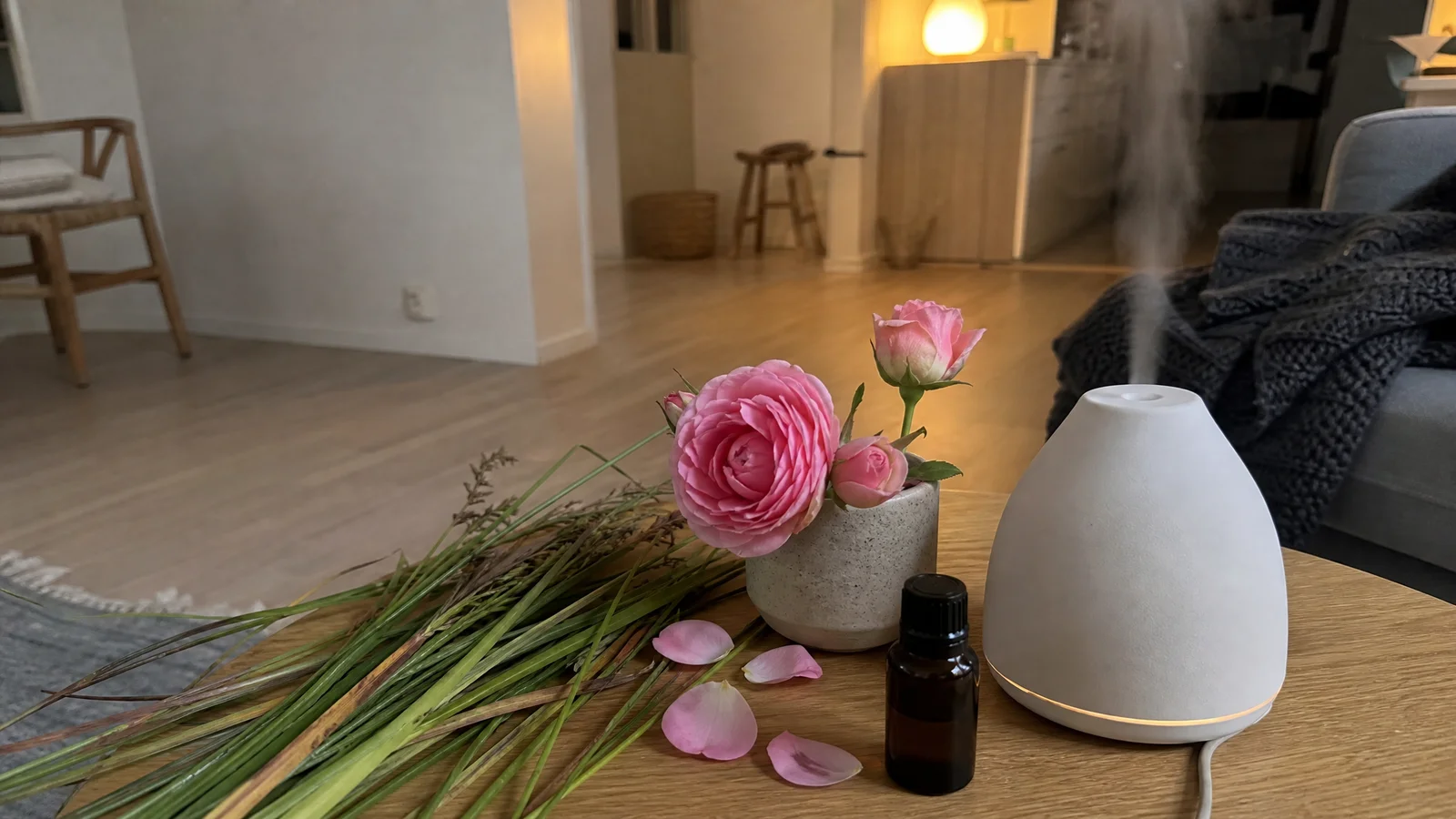
Palmarosa Diffuser Guide: Drops, Timing and Blends
Palmarosa oil floats instead of dissolving in the tank, so extra drops add little. See why short cycles, fresh air and a light hand work better.
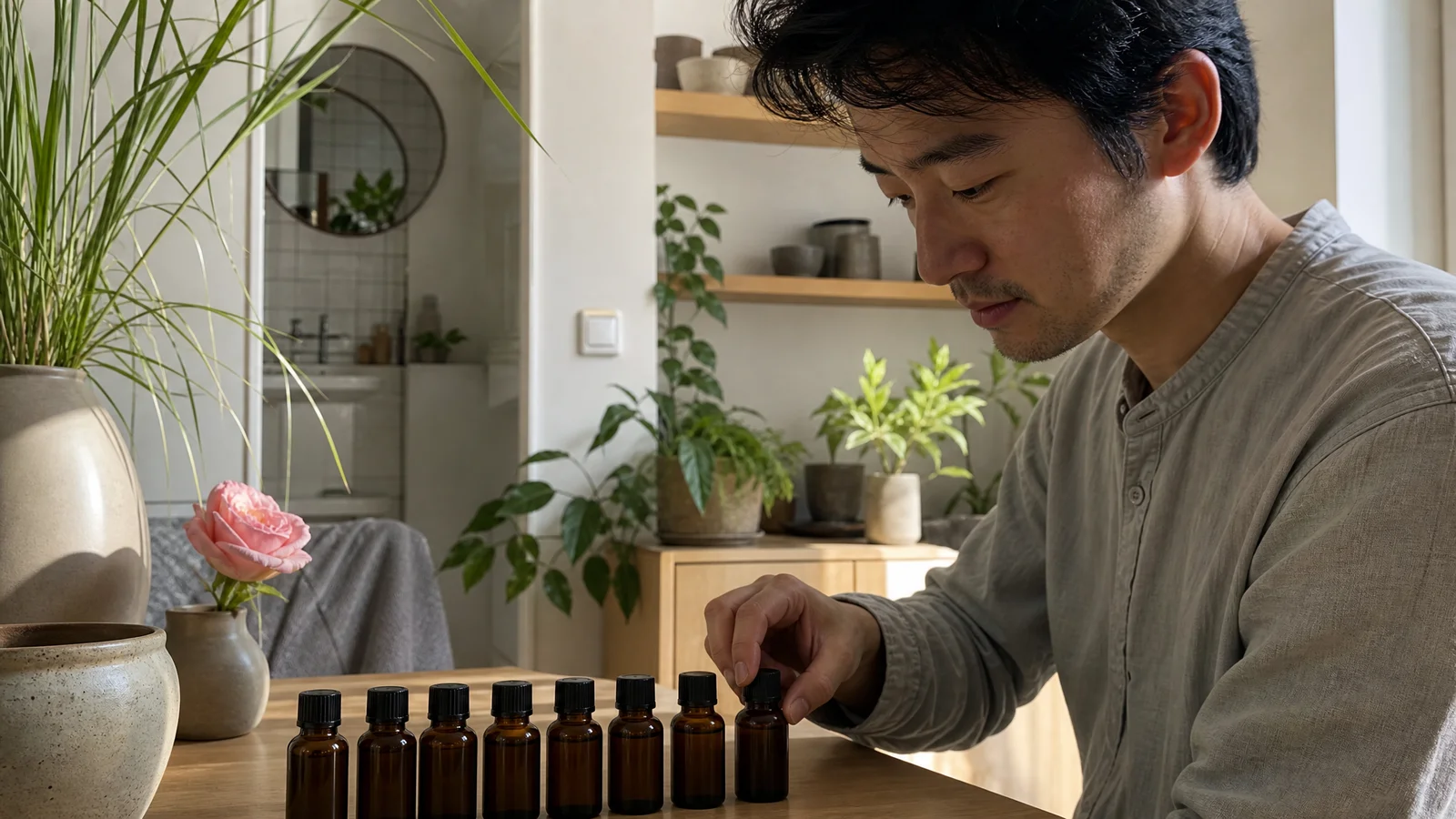
Palmarosa in Natural Perfume: Using the Rosy Heart Note
Palmarosa gives perfume a rosy heart note, and its geraniol sets how much fits. Worked IFRA arithmetic for an alcohol spray and a perfume oil.
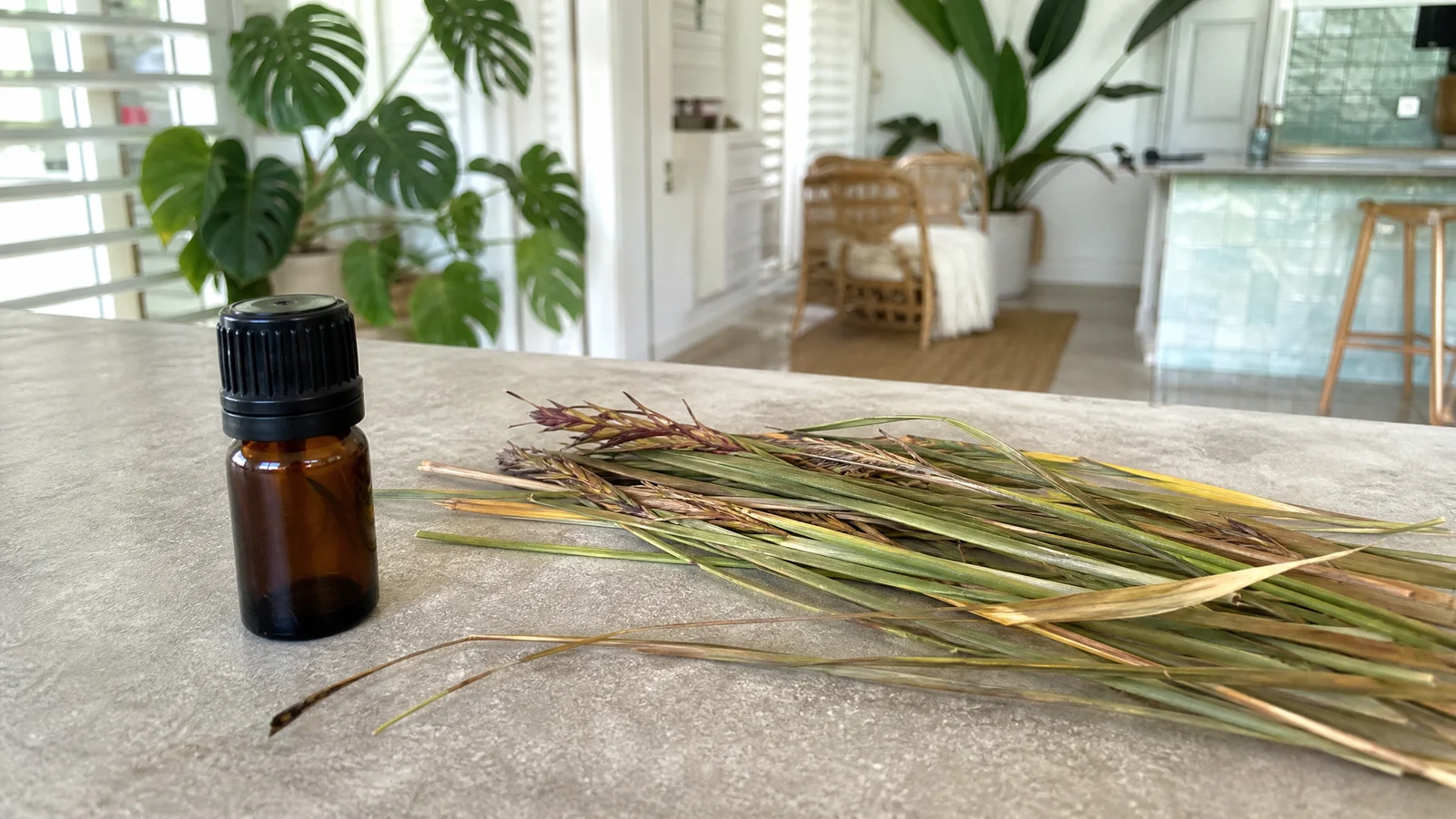
Checking Palmarosa Oil Quality: What to Ask For
Home tests cannot tell you what is in a bottle. Learn what a good lab report shows, how palmarosa composition varies and which documents to ask for.
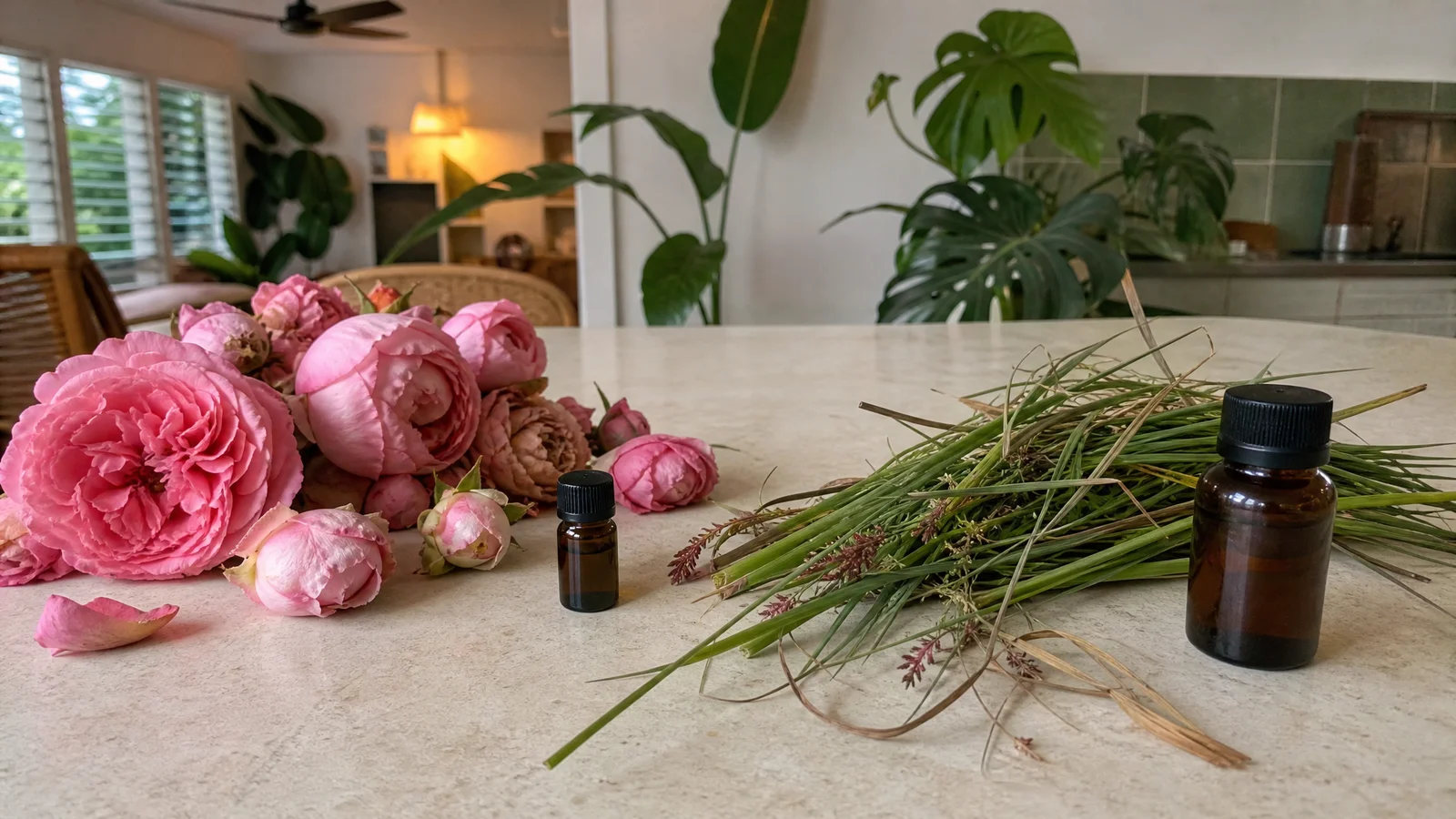
Palmarosa vs Rose Oil: How They Really Differ
Palmarosa and rose share one molecule and not much else. See how they are built, why rose needs so much more plant, and how to use palmarosa well.
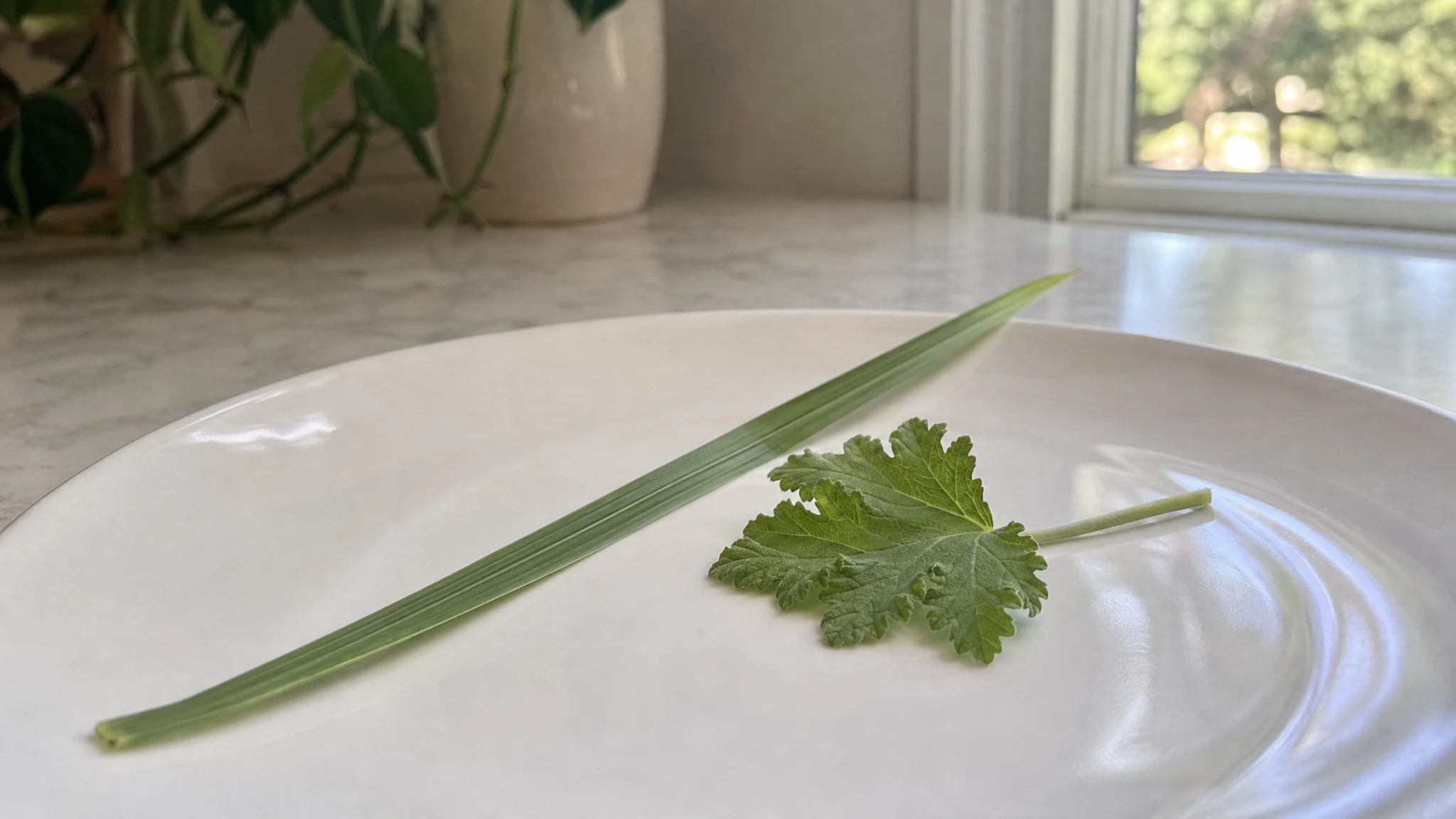
Palmarosa vs Geranium: Which Rosy Oil Should You Pick?
Both are called rosy, but palmarosa is led by geraniol and geranium by citronellol. Here is how to choose by what your recipe needs to keep.
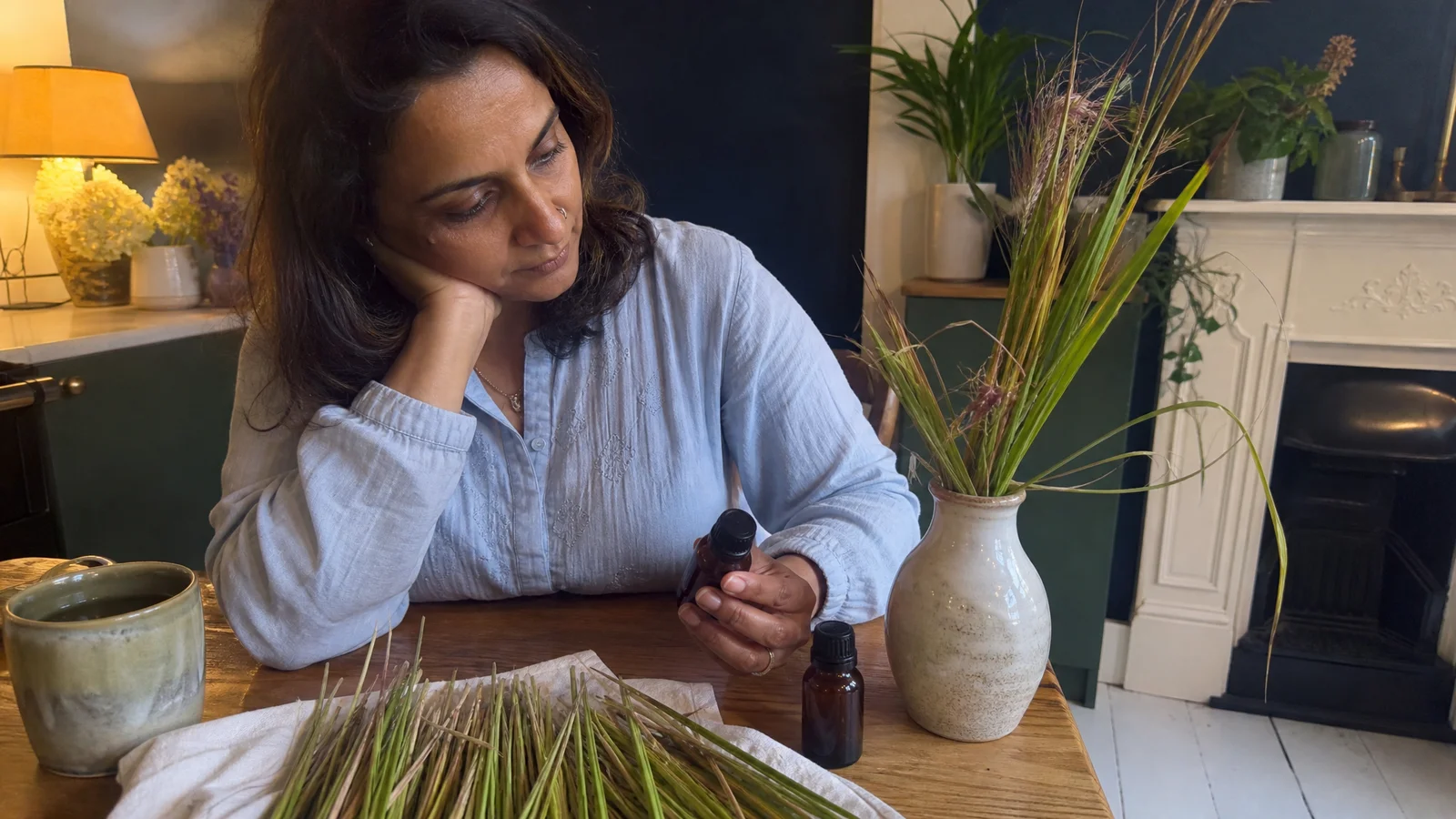
How to Compare Palmarosa Oil Prices, Listing by Listing
Two palmarosa prices only compare once they share a unit. Convert to price per millilitre, check the ingredient line and price the oil per finished blend.
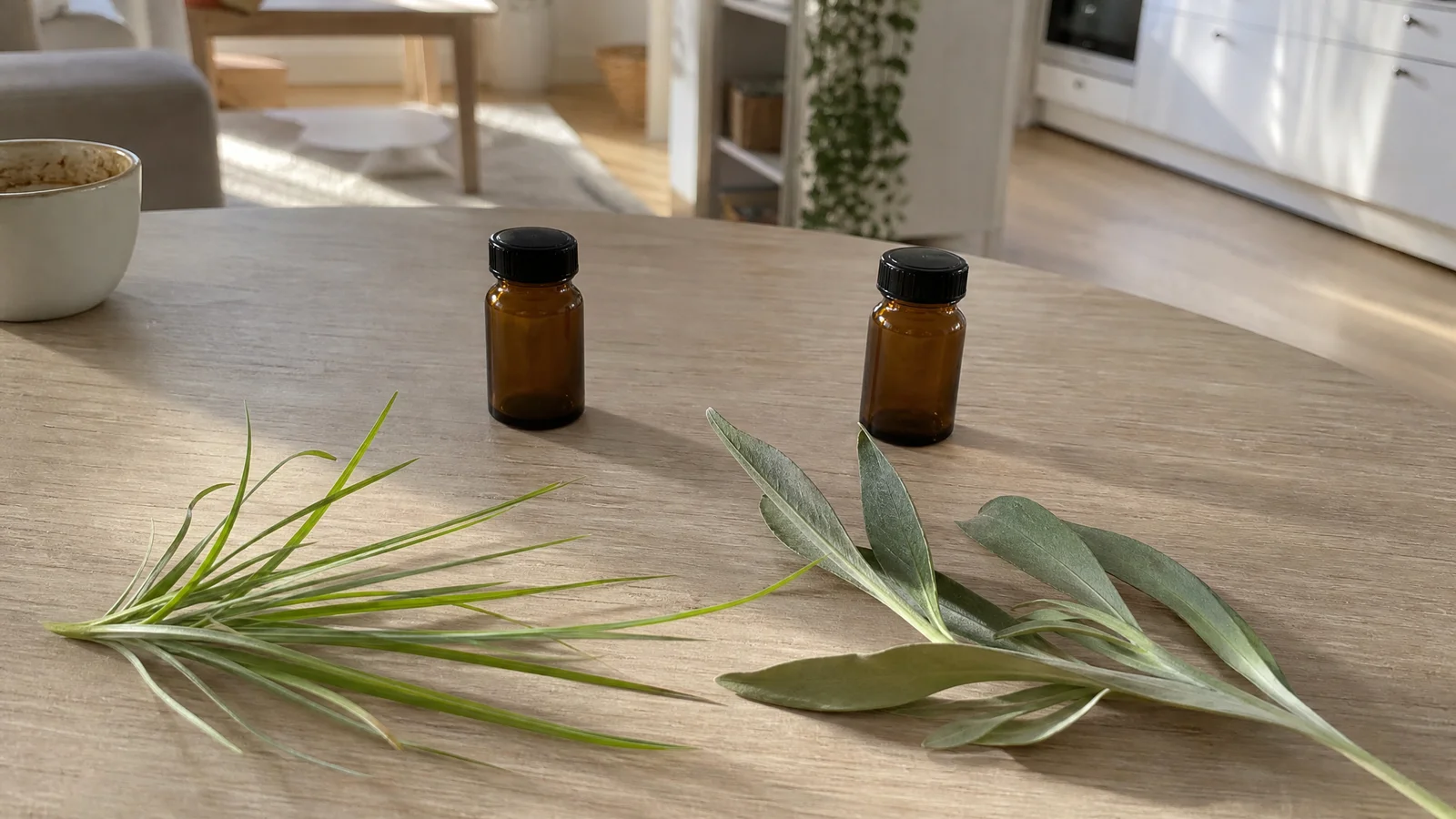
How to Read a Palmarosa Label: Motia, Sofia, Origin
One Latin name covers two quite different oils. Read a palmarosa label line by line, from motia and sofia to CAS numbers, origin and organic wording.
Palmarosa Oil Sellers Compared: Questions That Matter
Big name or independent? Four plain questions show which palmarosa seller documents the lot you will receive, and we answer them for ourselves too.
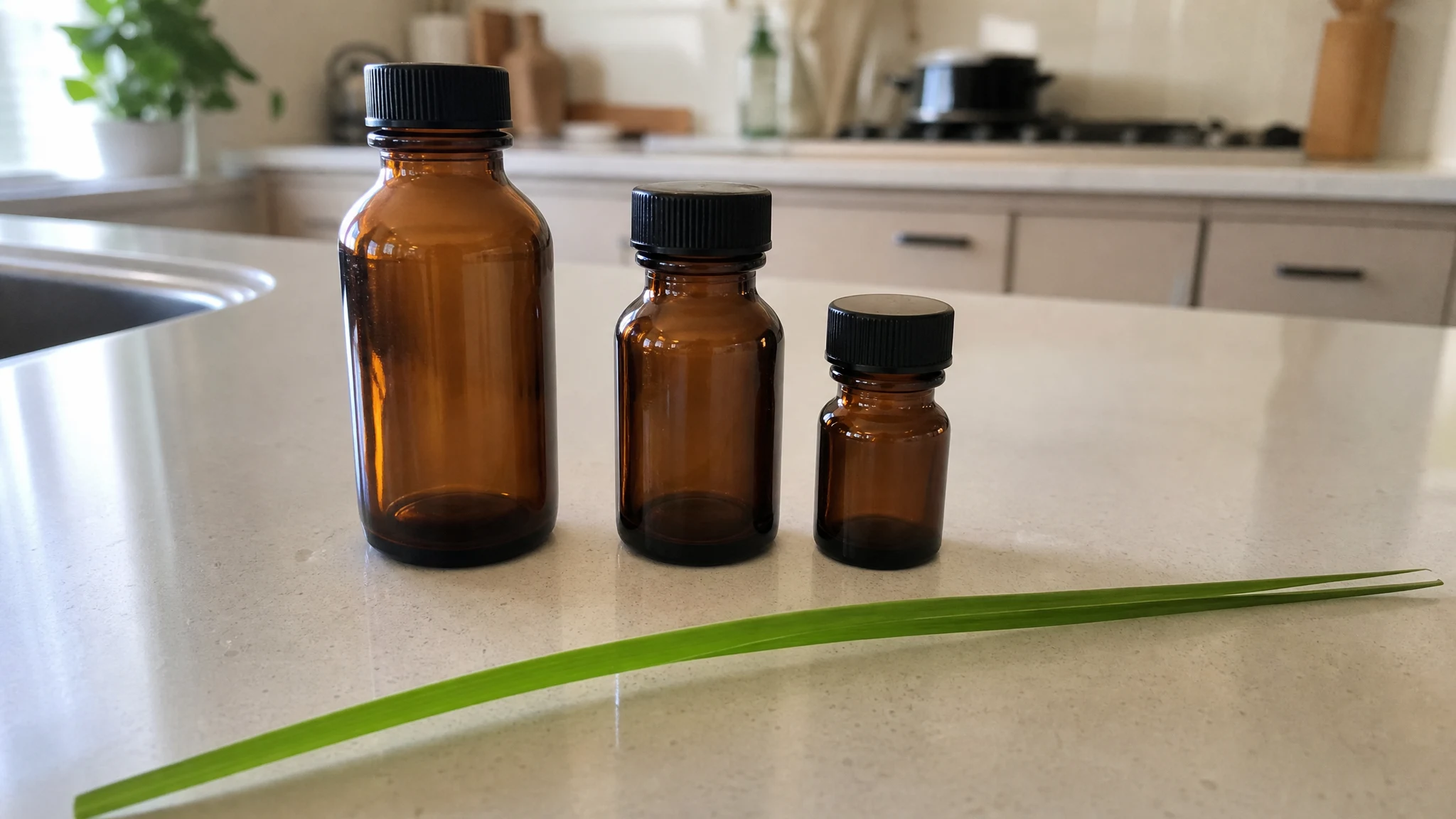
Palmarosa Bottle Sizes: Which One to Start With?
From 0.5 oz to a 400 lb drum, here is what each palmarosa size holds in millilitres and finished blends, and how to pick one that fits your project.
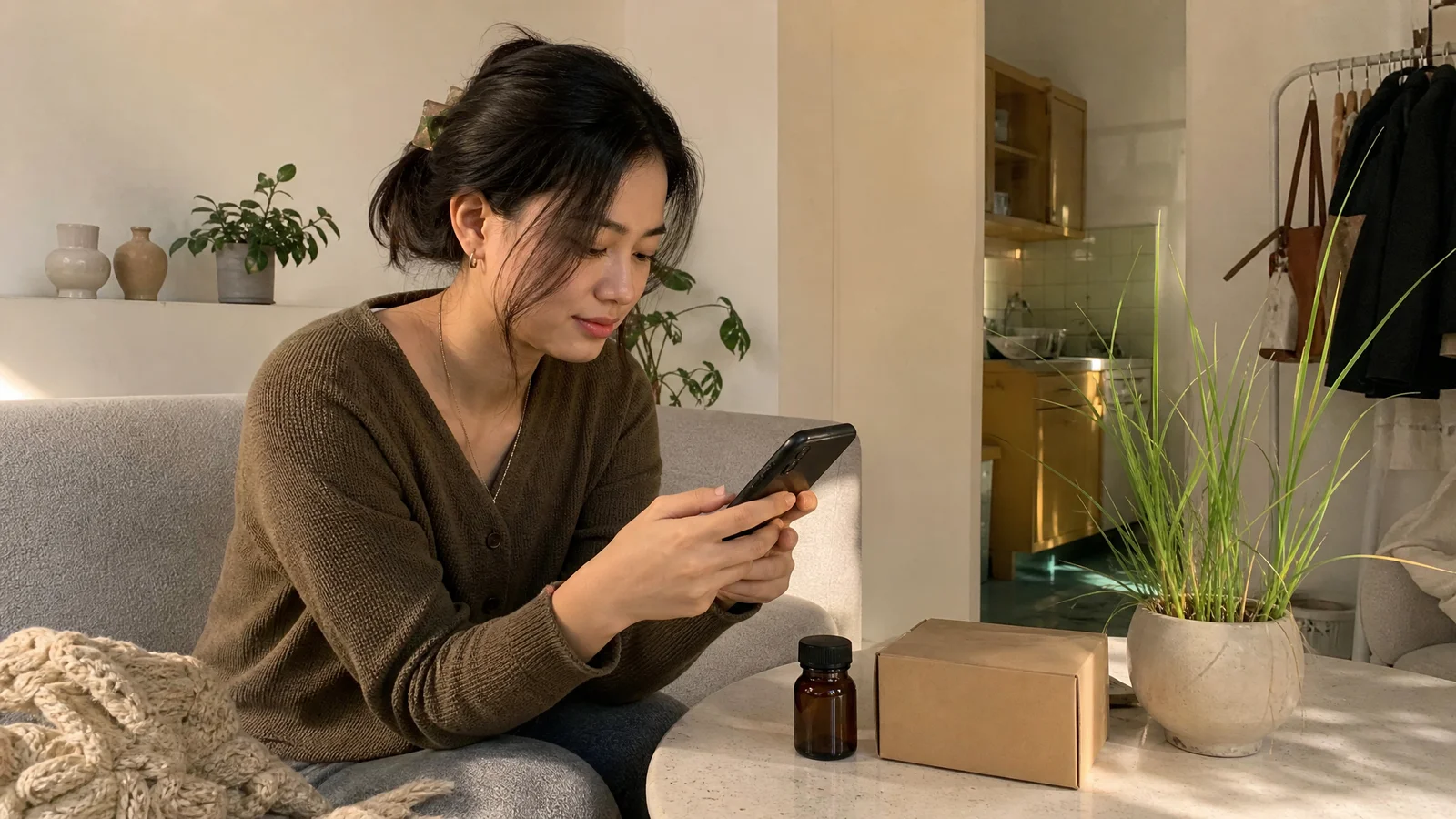
Where to Buy Palmarosa Oil: A Guide by Use
A first bottle, a soap batch or a business order each calls for a different seller. Here is how to match the source to the job and five questions to ask.