Palmarosa vs Rose Oil: How They Really Differ
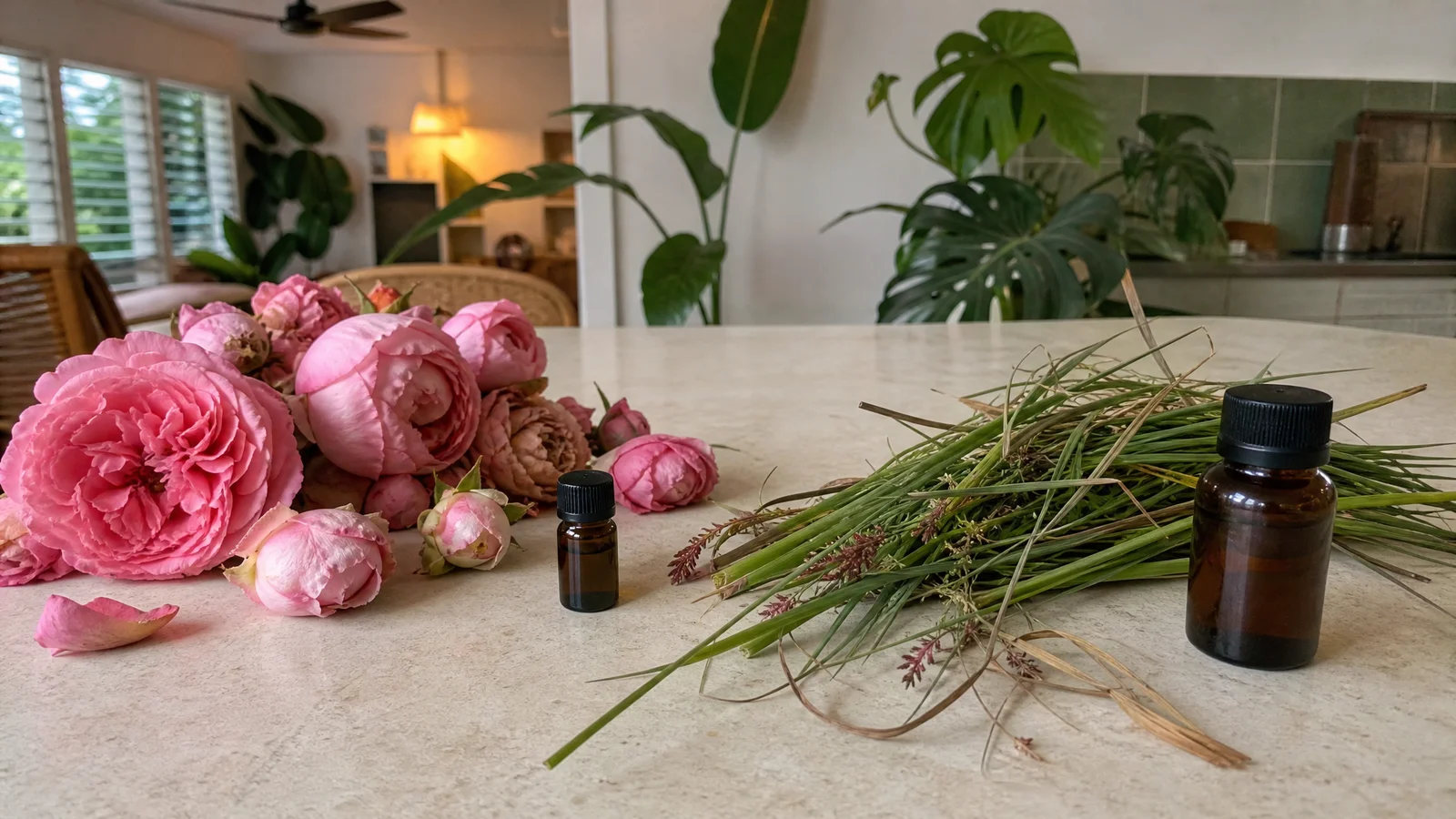
Palmarosa is often called a rose oil for people who cannot afford rose, and the nickname is half right. The two share a headline molecule and a rosy reputation. They do not share much else, and understanding the difference makes you better at using either.
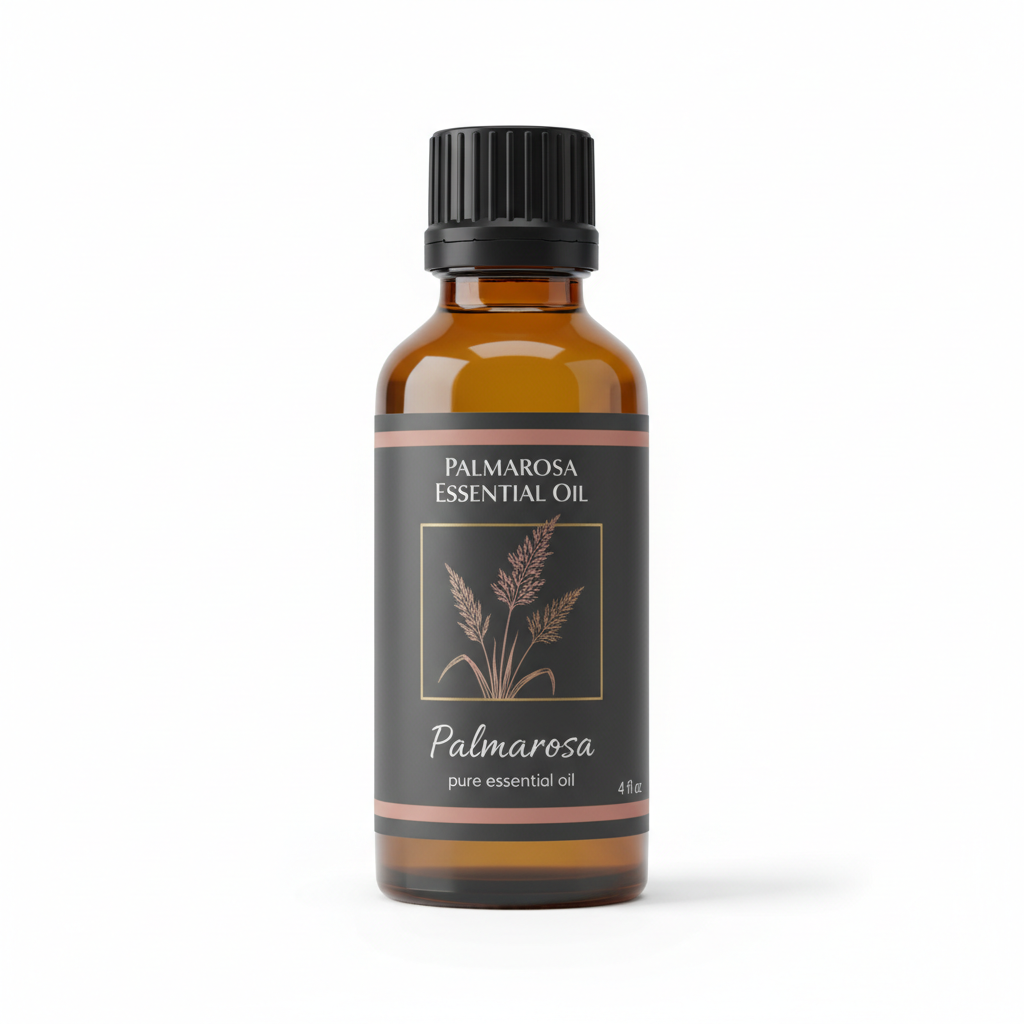
Palmarosa Essential Oil
Our own Palmarosa Essential Oil, in sizes from 0.5 oz to bulk.
From $10.99
Shop Now →The scent, side by side
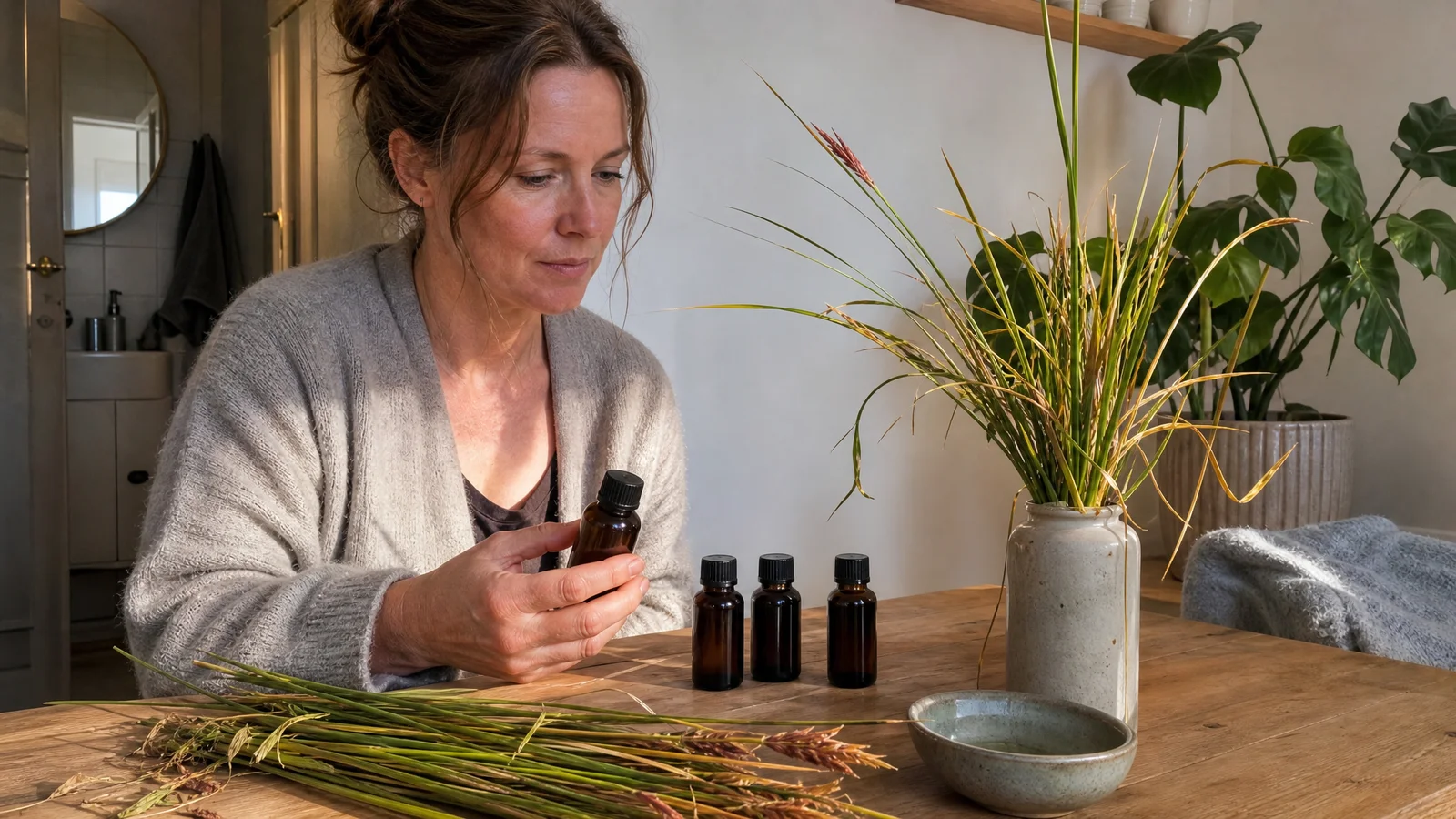
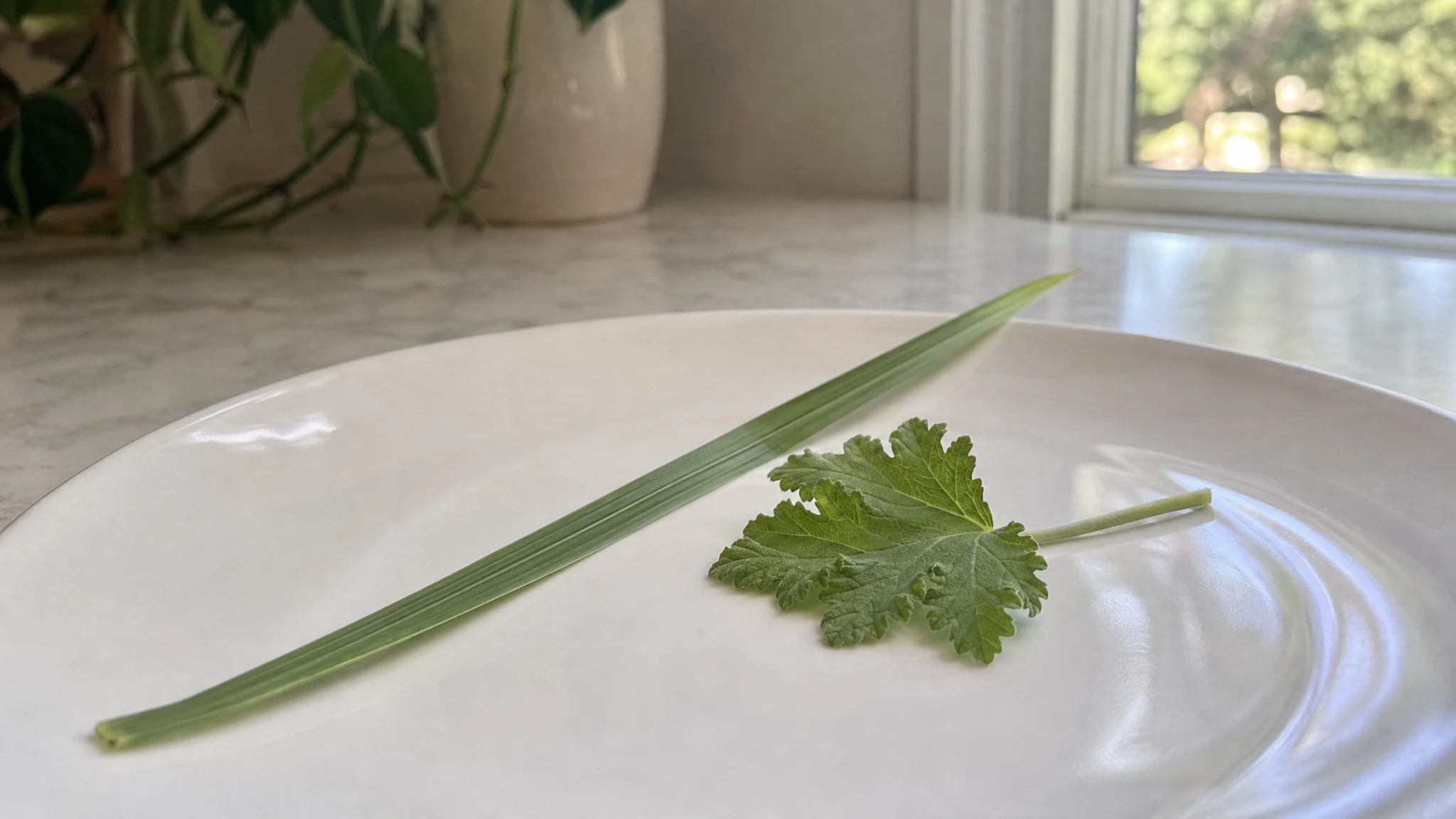
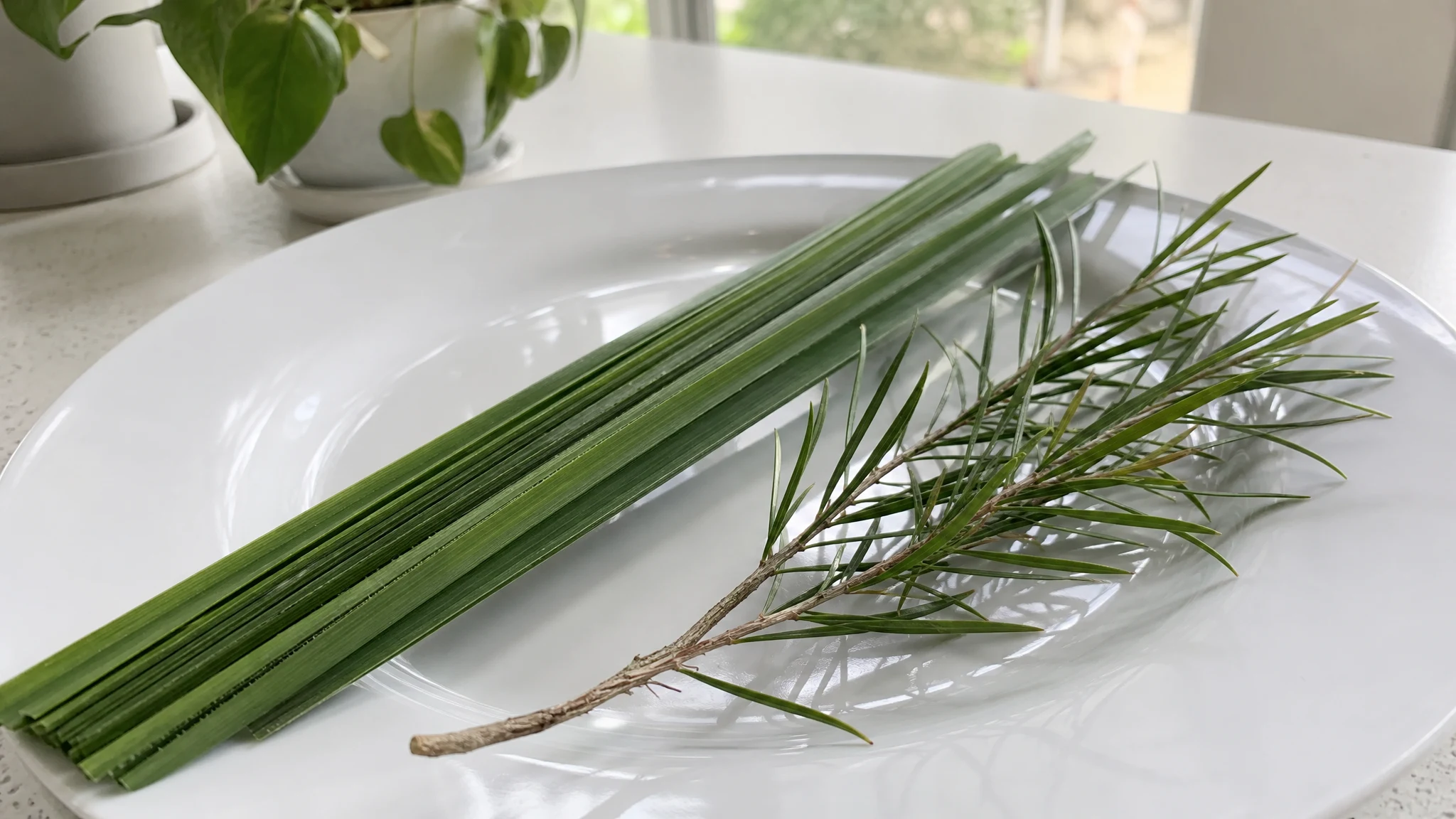
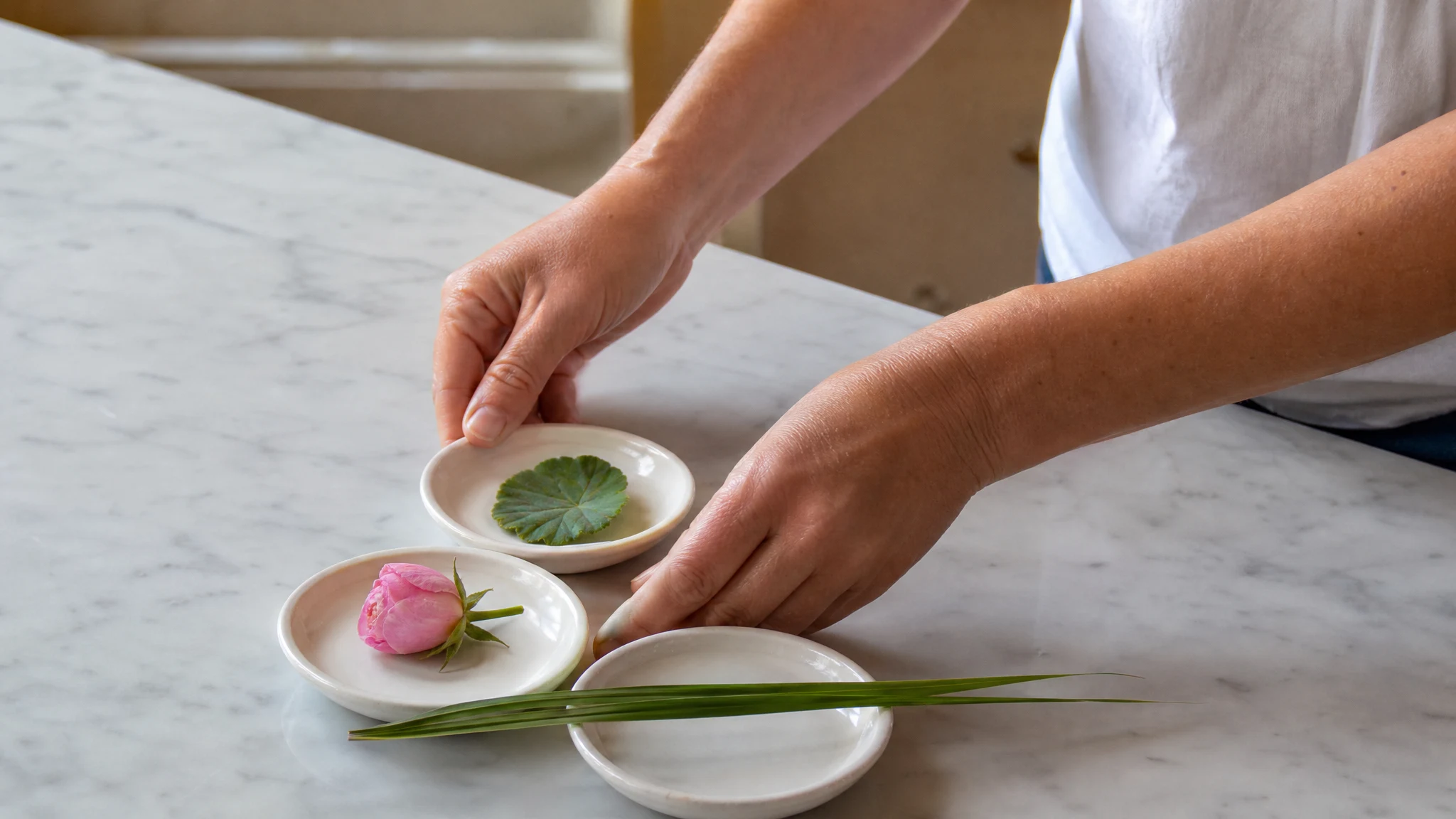
Hold a bottle of palmarosa under your nose and you'll notice something sweet and rosy, with a gentle green streak and a soft lemony hint. It reads as a rose seen through an open window: bright, airy and a little grassy. True rose otto is often described as deeper and richer, and ours is lighter and airier than that. Neither is a lesser version of the other. They are different moods.
One molecule against a chorus
IFRA keeps a list of typical amounts of regulated substances in natural materials, which makes it the one place where palmarosa and rose can be read side by side. Palmarosa oil lists 82.4% geraniol. Rose oil (Rosa x damascena) lists just 17.7% geraniol, alongside 32.5% citronellol and smaller amounts of eugenol, methyl eugenol and farnesol (IFRA annex). The list covers only substances of regulatory interest, so it is a partial picture, but the shape is clear.
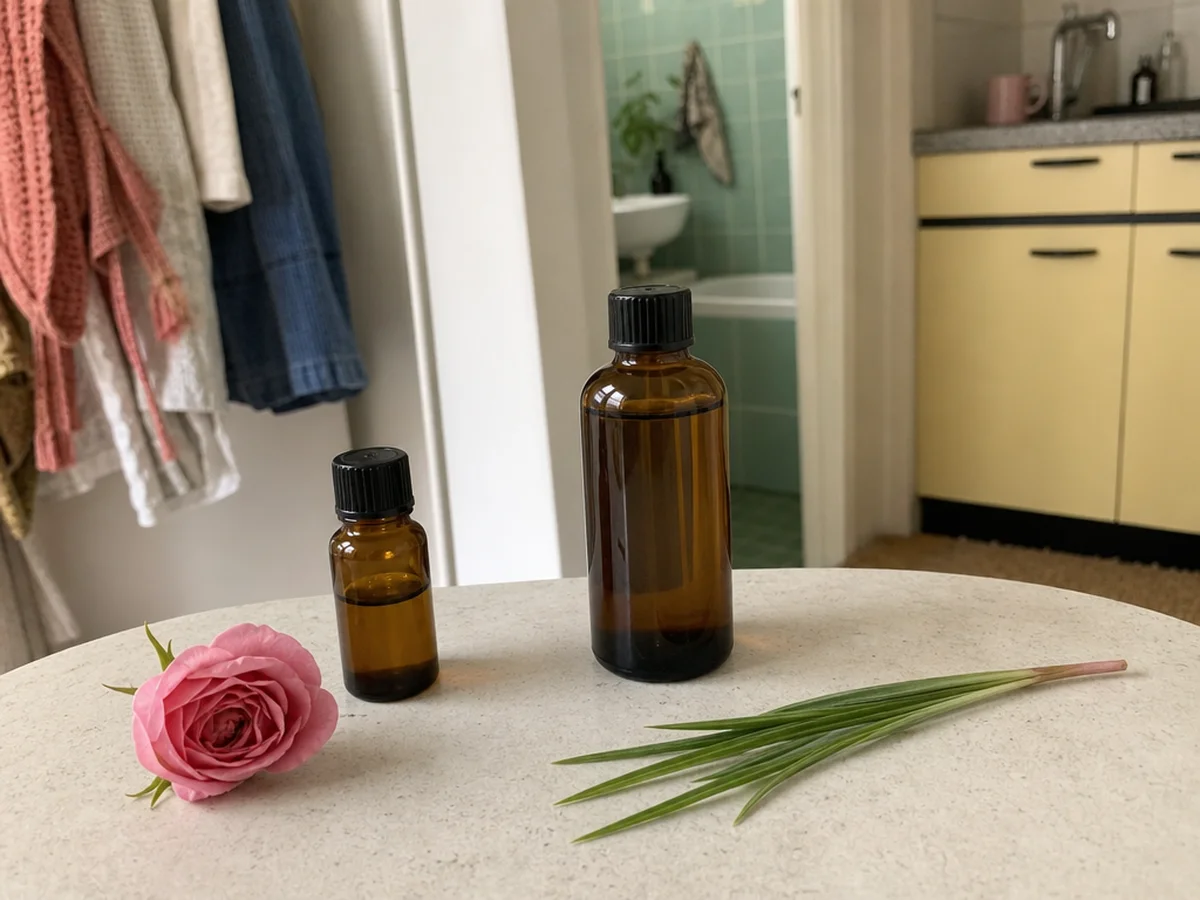
A 2023 study of rose oil quality reports that geraniol, nerol, citronellol and linalool alone can make up over 60% of the oil, with many minor compounds (Raeber, Favrod and Steuer, 2023). So rose is a wide spread of molecules, with its quiet minor compounds adding to the aroma, while palmarosa is mostly one. Palmarosa reads as rosy because geraniol itself smells of rose, a sweet one, and our shop describes our oil as sweet, rosy and gently green. It is lighter and airier than true rose otto, and that lightness is the charm, not a shortfall.
Why rose costs what it does
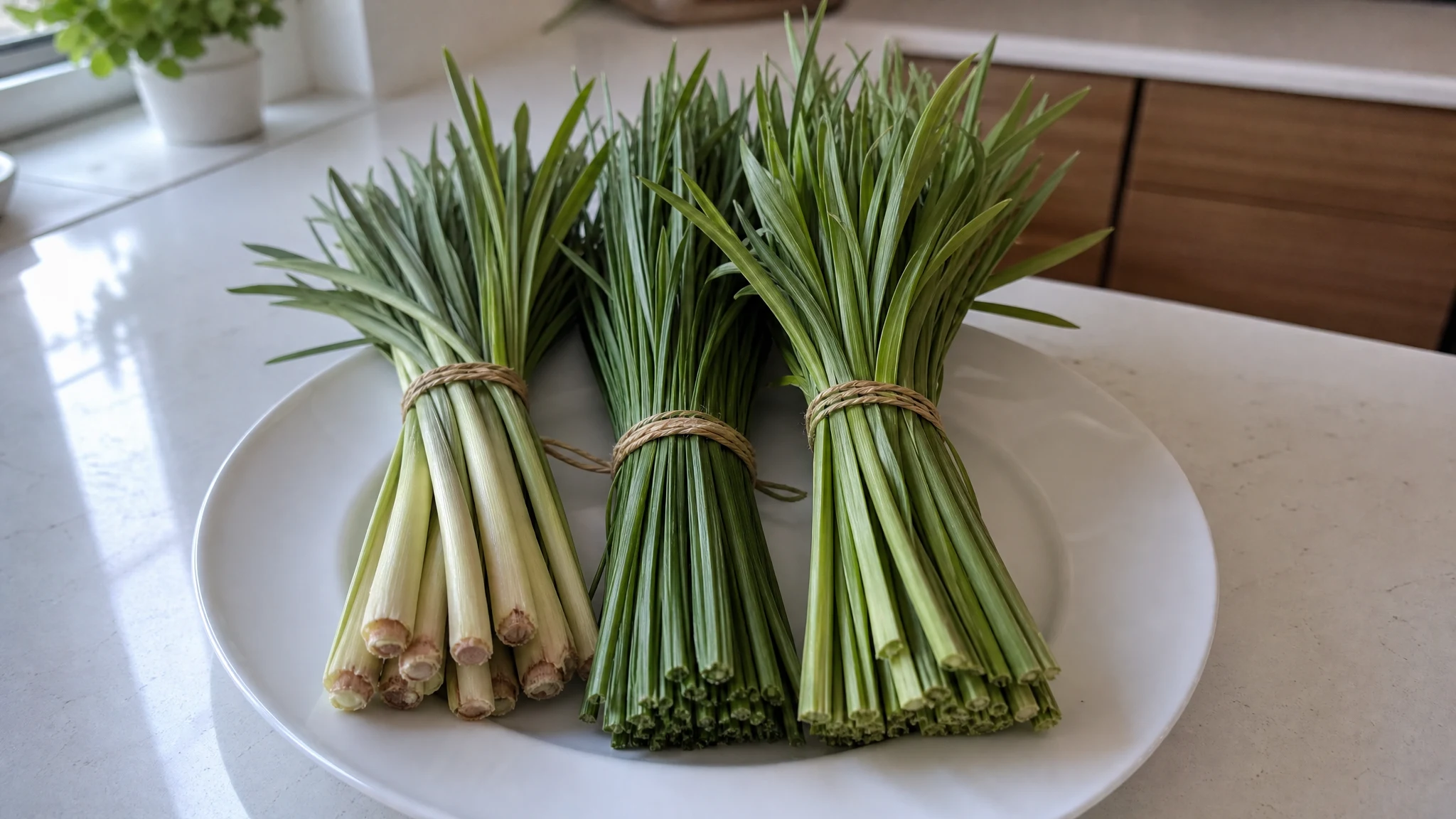
We do not quote prices, and they move, but yield explains the gap. Raeber and colleagues report that rose distillation yields about 0.02% oil, and that one kilogram of rose oil takes 3.5 to 4 tons of flowers. A study of palmarosa grown in Colombia reported a steam-distillation yield of about 0.41% (Romero et al., 2023). By our arithmetic that is roughly 244 kg of grass per kilogram of oil, against 3,500 to 4,000 kg of petals. Yields differ with plant, season and still, so treat this as the order of magnitude: rose needs on the order of fifteen times the plant.
That is also where the nickname comes from. Geranium is the oil nicknamed "poor man's rose oil" in the literature, and palmarosa sits in the same economical neighborhood for the same reason. The label is about economics and not about equality, and none of the sources we read claims one oil can replace the other.
A note for anyone buying rose oil
The rose trade has a known weak spot. Raeber and colleagues write that the oil's price makes adulteration tempting, by adding individual compounds, mixing in cheaper oils such as palmarosa, or adding vegetable oils, and that the ISO rose norm leaves out some minor quality markers. If you buy rose, palmarosa is therefore one of the things worth asking about. If you buy palmarosa, the rose market tells you little. The useful habit is the same for both: ask for a gas chromatography report for the lot you will receive. Our quality-checks article shows what to look for.
Using palmarosa where you wanted rose
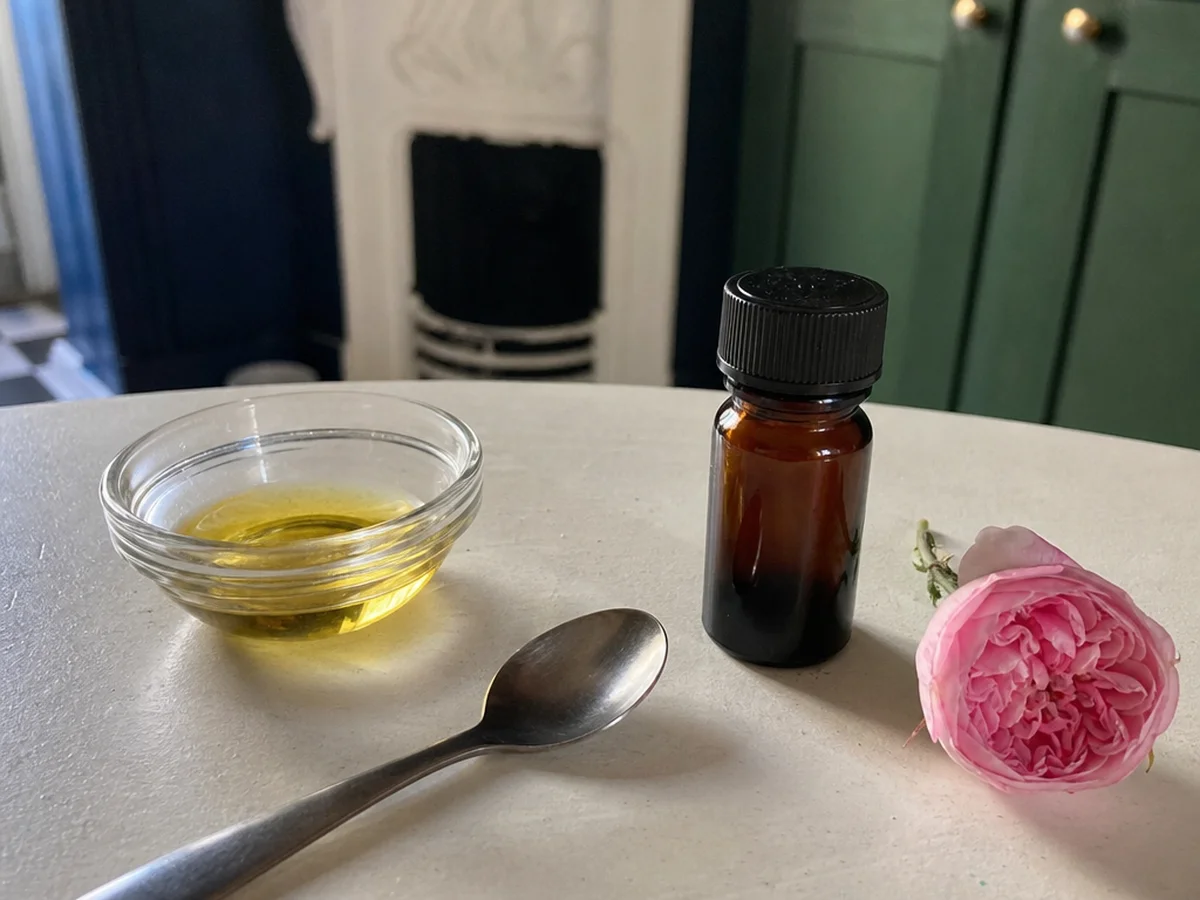
If you are building a rosy scent on a sensible budget, palmarosa makes a natural heart note for it. A sweeter, rounder floral can come from a pairing, and our shop lists geranium, bergamot, ylang ylang, sandalwood, lavender and patchouli among the oils that blend well with it. We sell palmarosa only, so you will find the others at a craft, soap-supply or perfumery-supplies shop. Our natural perfumery article explores the heart-note idea further, and the scent profile describes the aroma in detail.
Ways to use palmarosa as a rosy heart
- In a diffuser, on its own or with a little geranium or bergamot.
- In a bar of soap or a sugar scrub, where it has room to stretch.
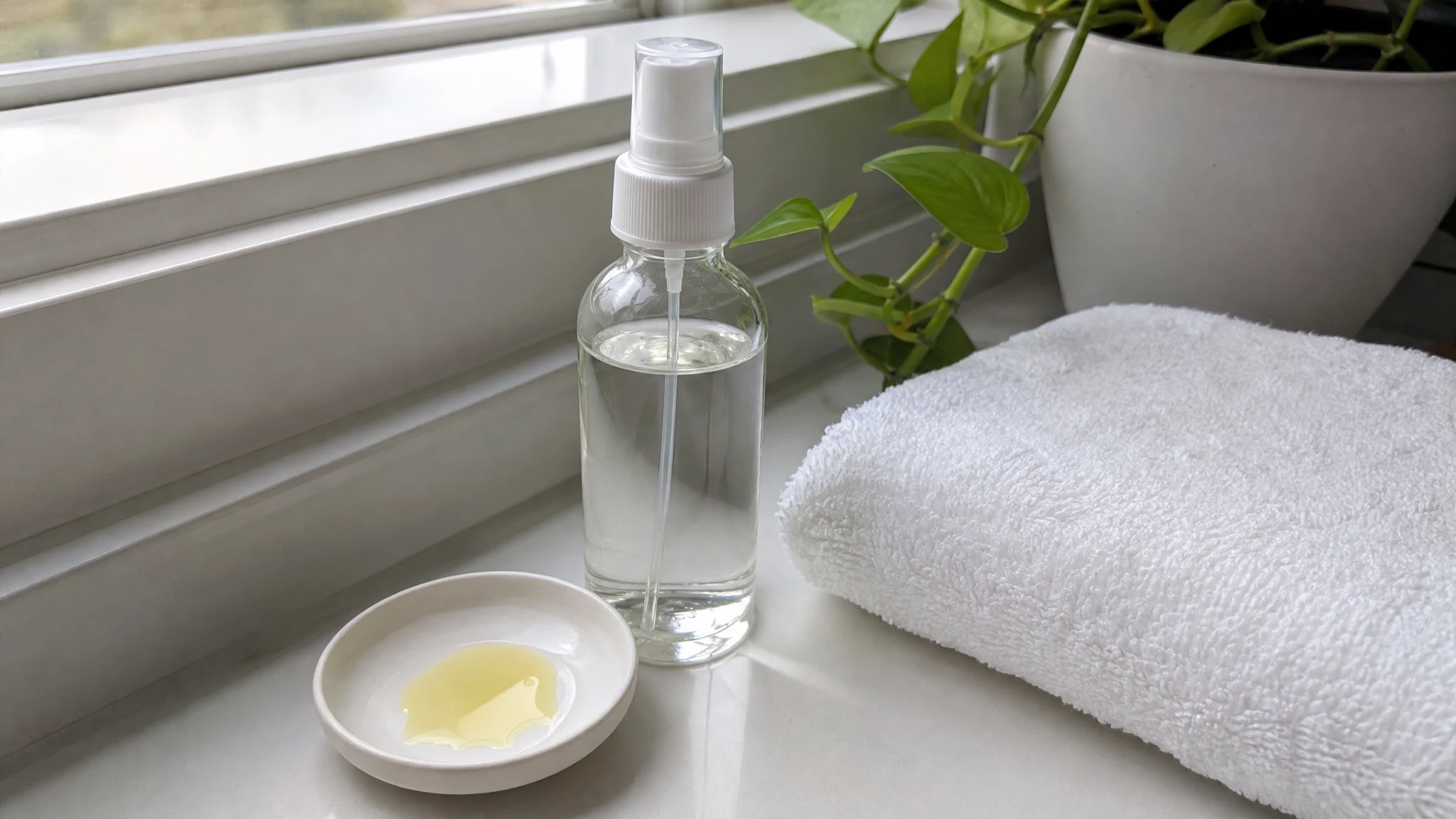
- In a light linen spray, for a rosy-green cushion or pillowcase.
- As a heart note in a small natural perfume, which our perfumery article explores.
One practical caution carries over from the chemistry. Because palmarosa is so rich in geraniol, a regulated fragrance allergen, its skin limits are tighter than rose's by weight. We recommend diluting to 0.5% to 2% in a carrier, starting at the low end, and patch testing first. Our dilution chart turns percentages into drops.
Where we would start
If you are new to rosy oils, our advice is to begin with palmarosa. It lets you learn what a rose-leaning scent feels like in a diffuser or a soap without much at stake. If you later fall in love with the richer, rounder character of true rose, you will know exactly what you are looking for, and palmarosa will still earn its spot on the shelf as the lighter, greener companion.
It also pays to smell before you decide. A rose scent you love in your imagination can feel quite different in a room, so let a simple diffuser run for a short time and see how the sweetness settles for you.
Rose is a luxury to savor, and palmarosa is an honest, lively scent in its own right. Choosing between them gets easier once you stop asking one to be the other.
Palmarosa Essential Oil
Palmarosa Essential Oil from our own shop, in sizes from 0.5 oz to bulk.
From $10.99
Shop Now →Sources & Further Reading
- Annex on contributions from other sources to the IFRA Standards (IFRA, 51st Amendment, 2023)
- Determination of Major, Minor and Chiral Components as Quality and Authenticity Markers of Rosa damascena Oil by GC-FID (Raeber, Favrod and Steuer, Plants, 2023)
- Enhanced Two-Step Extraction from Biomass of Two Cymbopogon Species Cultivated in Santander, Colombia (Romero et al., Molecules, 2023)