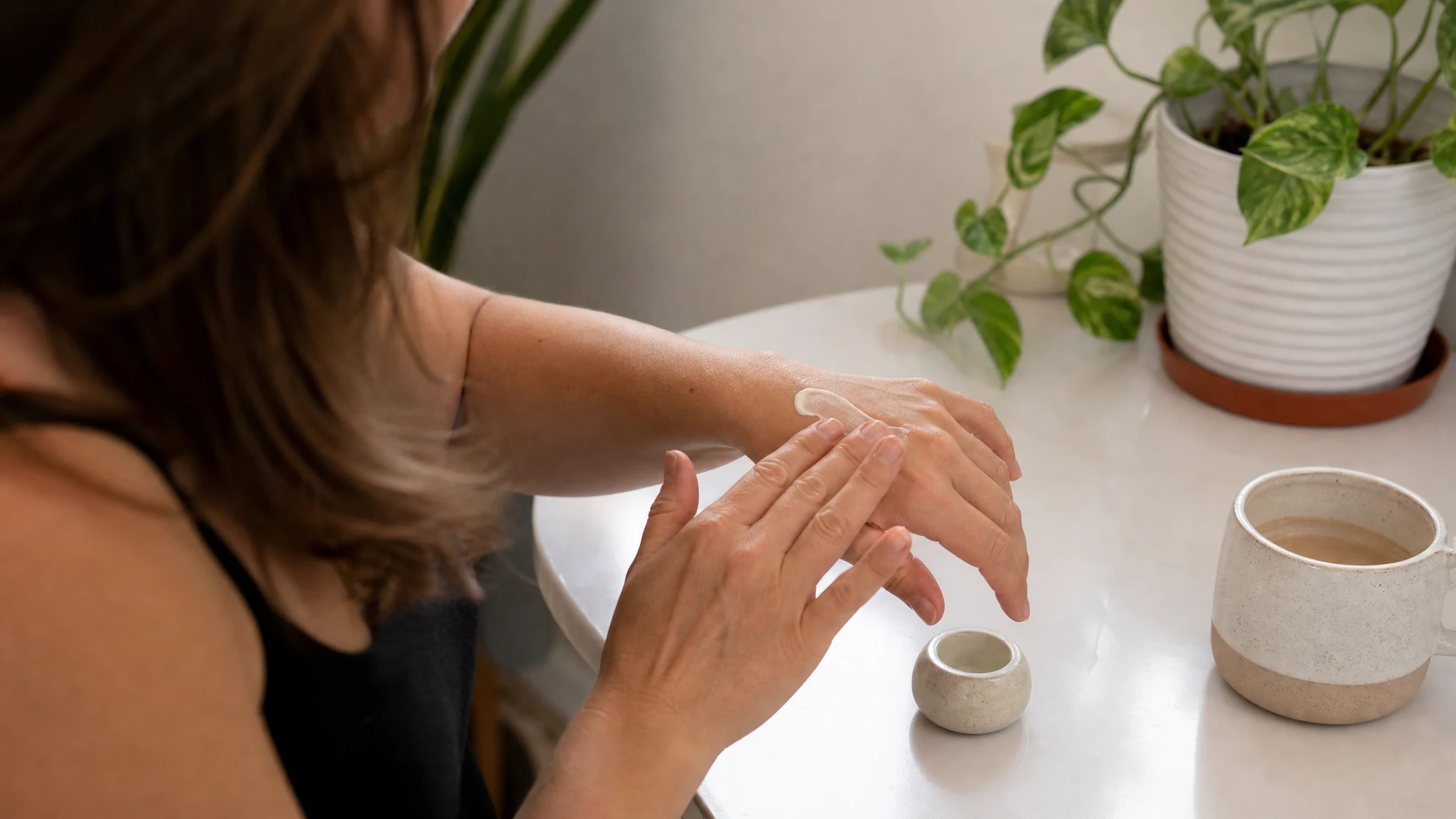
Palmarosa Oil Antioxidant Claims: What They Really Mean
Read enough palmarosa listings and the word "antioxidant" starts to look like a feature. It is a real word with a narrow meaning, and it is worth knowing what it describes before you let it decide a purchase. In short, it is a statement about chemistry in a flask, and the part of palmarosa that matters most to us is the smell.
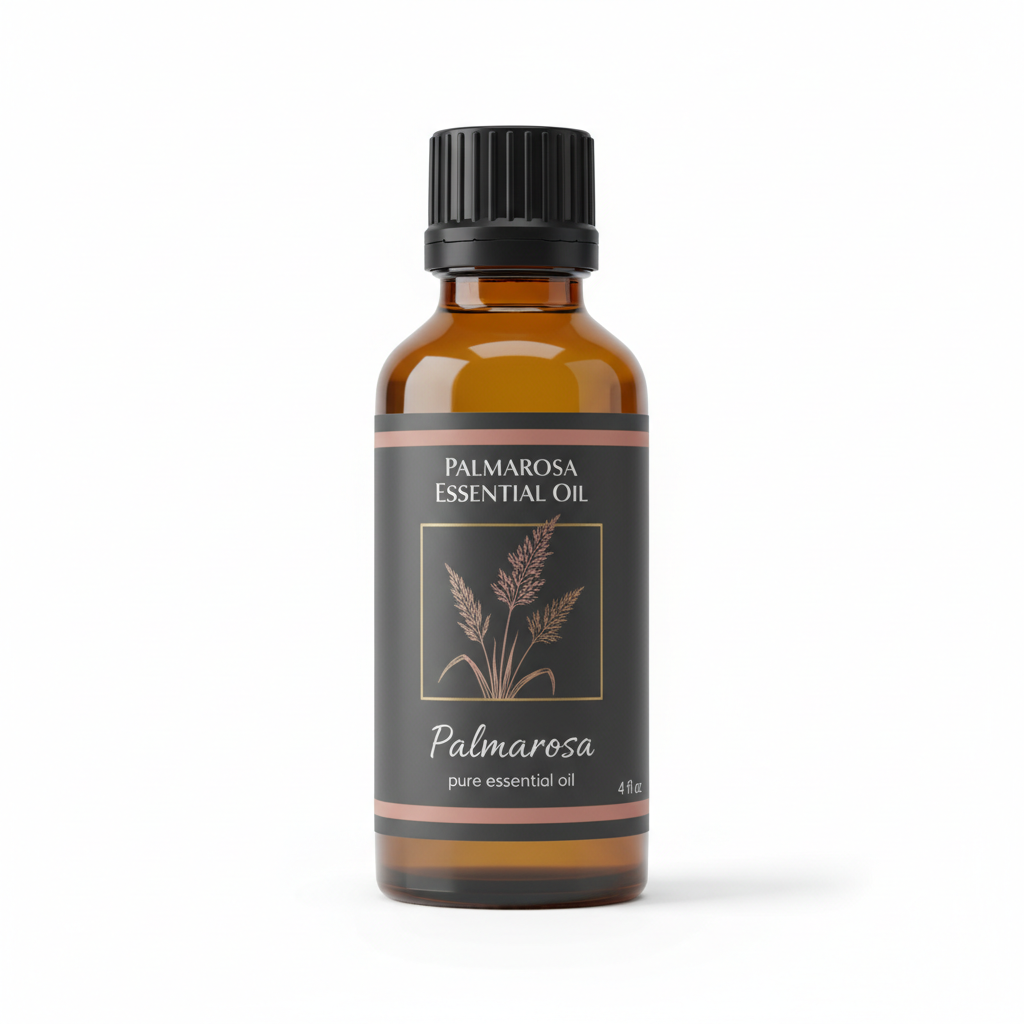
Palmarosa Essential Oil
Our own Palmarosa Essential Oil, in sizes from 0.5 oz to bulk.
From $10.99
Shop Now →What the word was measured on
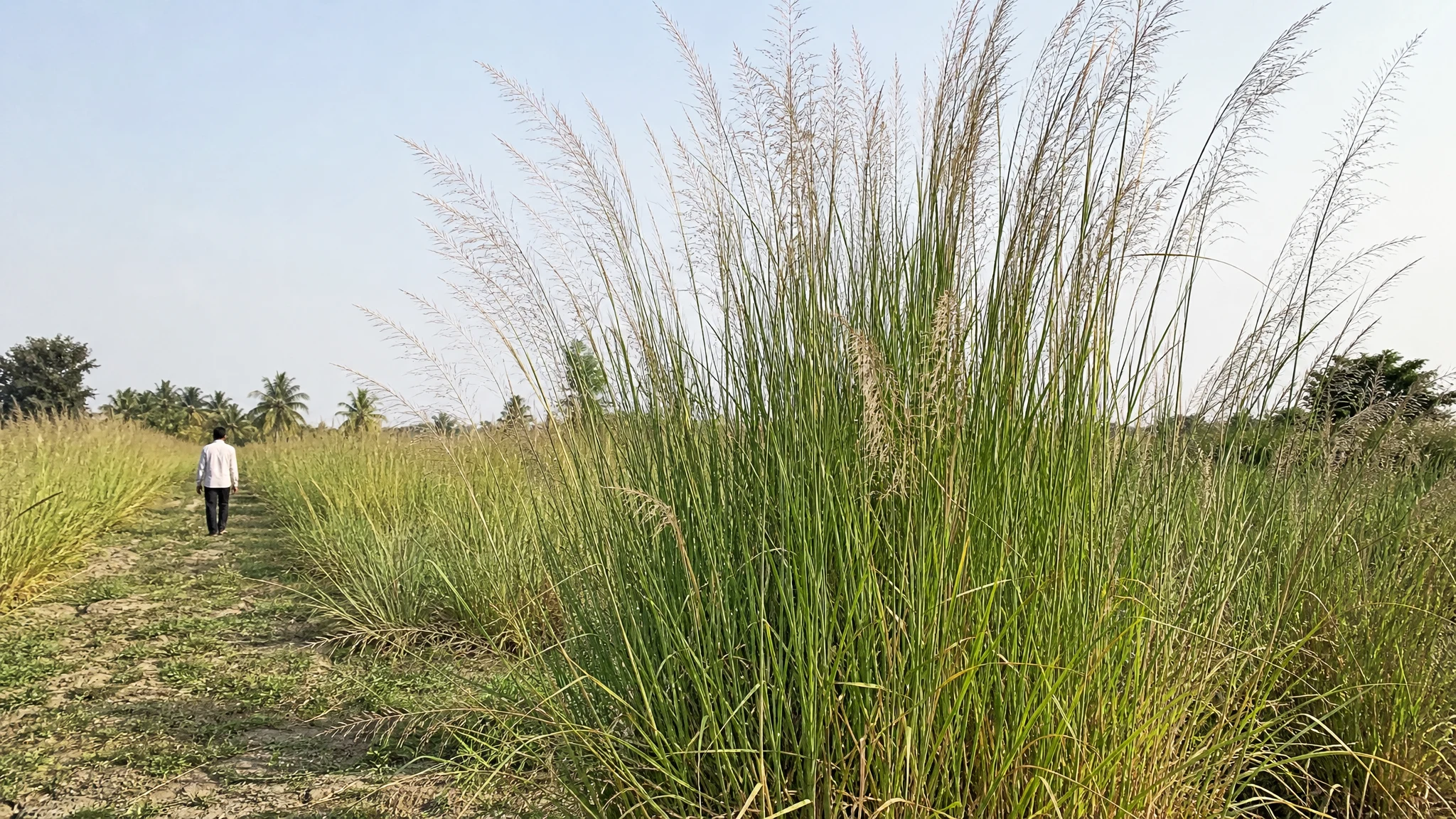
A 2026 paper in the Journal of the Science of Food and Agriculture compared three grass oils from the Cymbopogon family: citronella, lemongrass and palmarosa. The researchers measured how well each one mopped up a stable test radical in the lab, counted its phenols, and then added each oil at 0.2% to sunflower oil to see how well it slowed that cooking oil going rancid. Palmarosa landed in the middle of the group: better than lemongrass at slowing oxidation in the sunflower oil, behind citronella (Juncos et al., 2026).
That is a useful result for someone choosing a natural way to keep a salad oil fresh. It is not a result about skin. No skin, no skin cells and no people were involved, and the authors were mainly asking which Cymbopogon crops are worth growing for their chemistry. The honest way to say it is that palmarosa oil does well in a particular lab test, and that the test says nothing about what it does on a face.
How to read a label with big words on it
When a listing uses a word like antioxidant, slow down and look for what comes after it. Does it say what was measured, in what, and by whom? If there is a number, ask what it is a number of. If there isn't, treat the word as decoration and move on to the things you can check yourself: the botanical name, the part used and how the seller describes the oil's scent.
We think the best test of an oil is the simplest one. Open the bottle, breathe in, and decide whether you like it.
What we would reach for first
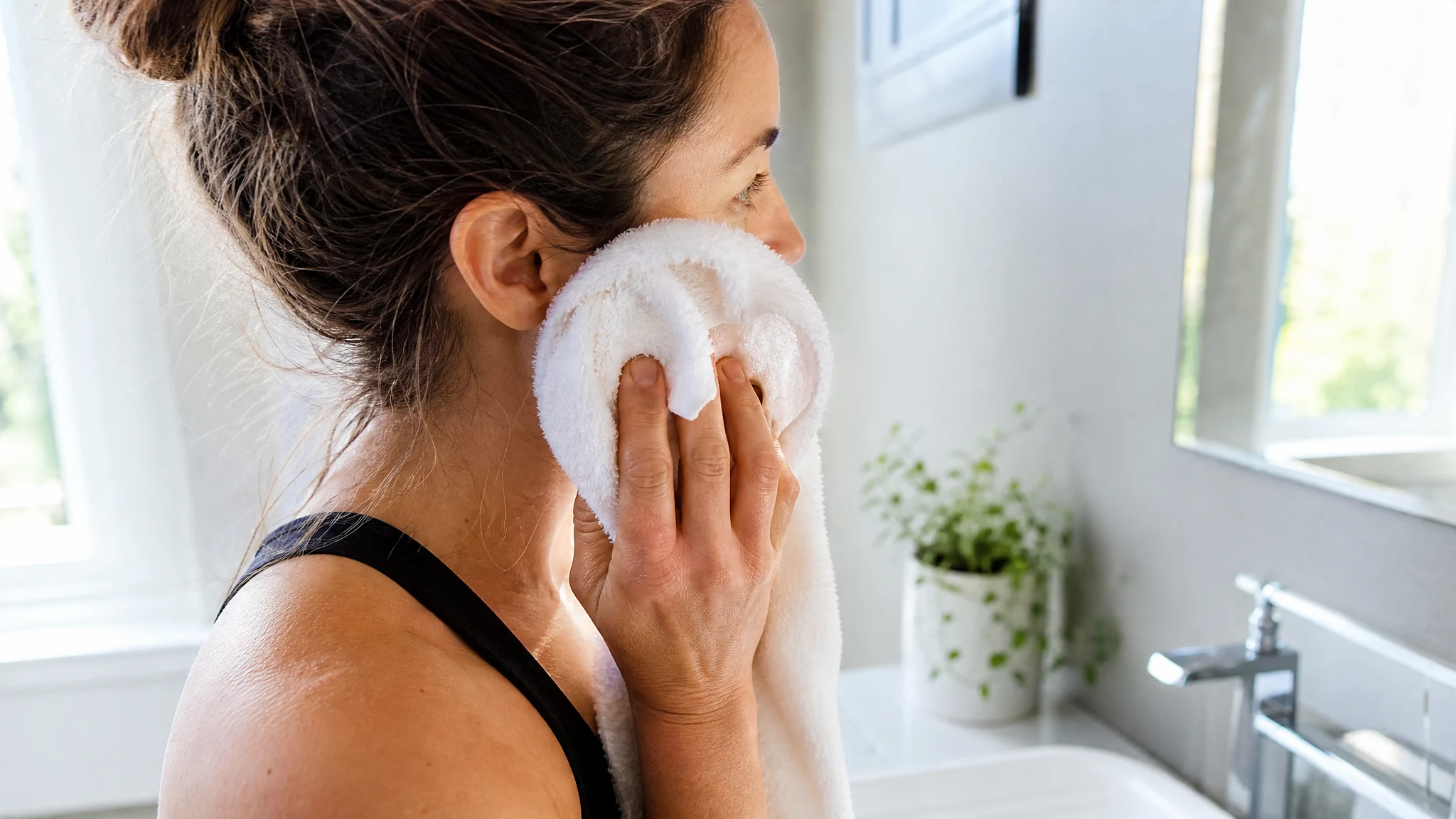
The American Academy of Dermatology keeps a short list of everyday habits for skin that looks its best: gentle washing, a daily moisturizer that holds water in the skin, and stopping any product that stings or burns (11 ways to reduce premature skin aging). None of it mentions essential oils, and we like that clarity. A good carrier oil or moisturizer does the real work of leaving skin feeling soft and smooth. Palmarosa's job in a face oil is to make it smell lovely.
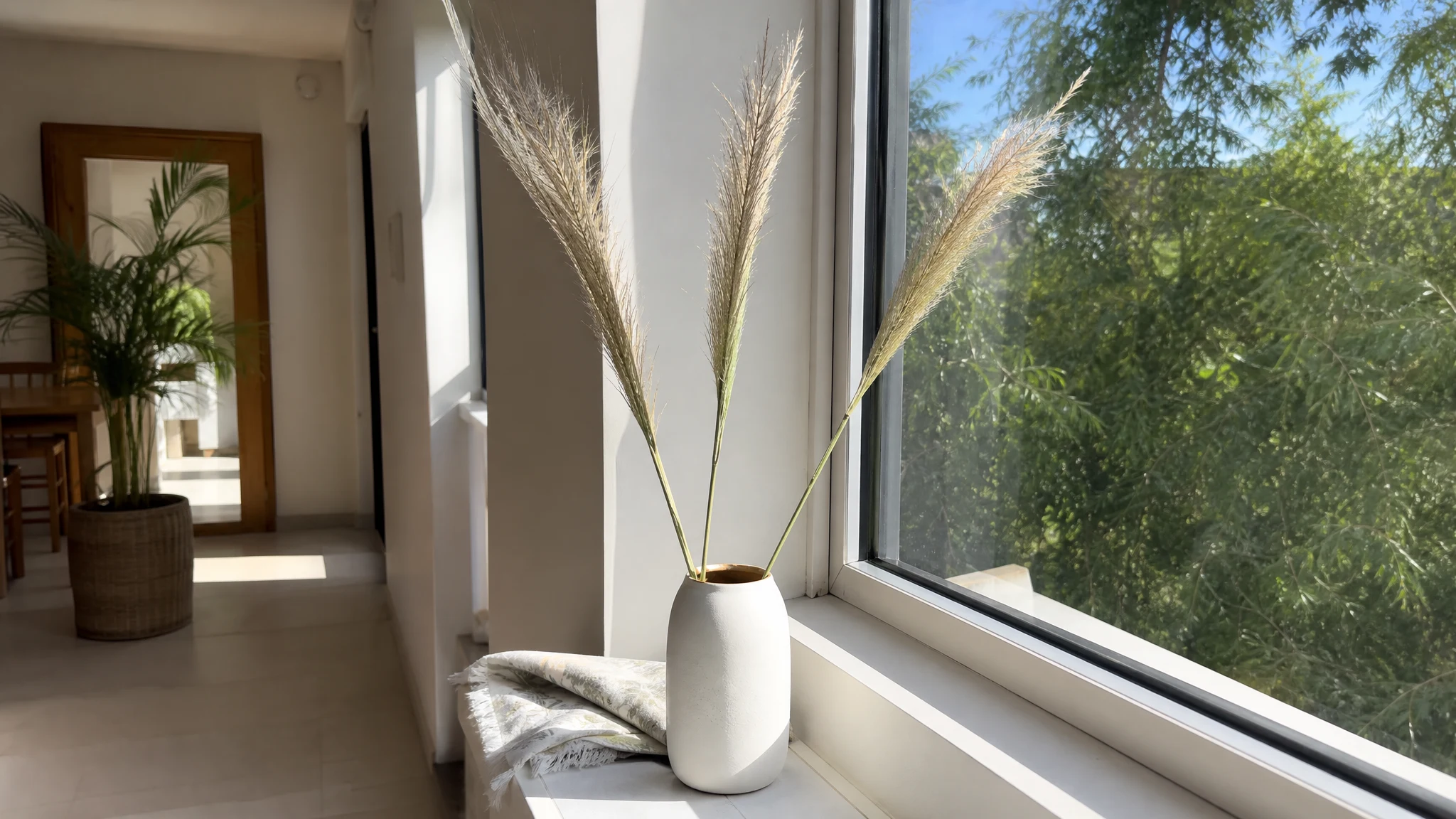
And it does. Our palmarosa is sweet, rosy and gently green with a soft lemony hint, a middle note that sits comfortably beside geranium, lavender and ylang ylang. If you like the idea of a rose-scented daily face oil without the cost of rose, that is a good reason to own a bottle. You can read more about that character in what palmarosa smells like.
Keeping the dilution face-friendly
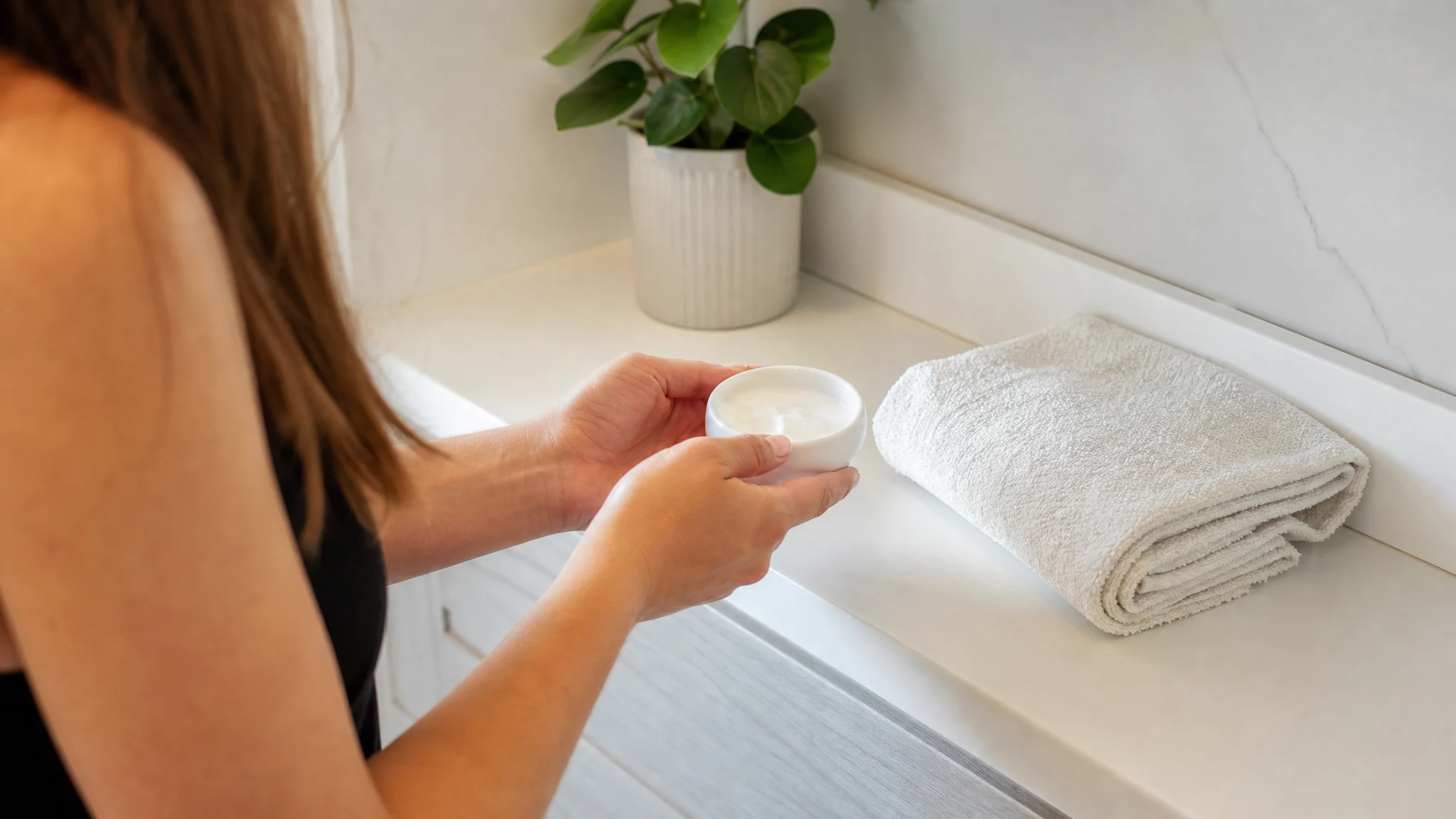
We sell palmarosa neat, so the dilution is yours to work out. Our guidance is 0.5% to 2% in a carrier oil with a patch test first, and for the face we start at the lower end. There is a reason beyond habit. Palmarosa oil is rich in geraniol, a fragrance ingredient that the industry's own standard limits by product type. For a facial moisturizer, IFRA allows 0.78% geraniol in the finished product (IFRA geraniol standard). IFRA's reference composition for palmarosa oil is about 82.4% geraniol (IFRA annex). Dividing one by the other gives about 0.95% palmarosa oil as a ceiling for a face product. That is our arithmetic from a typical composition, so we treat it as a guide to staying comfortably under, not a target.
The Tisserand Institute's general range for facial cosmetics is 0.5% to 1.2% (Dilution for essential oils), which points the same way. So we suggest 0.5%. In 1 oz (29.57 ml) of carrier oil that is roughly 0.15 ml, about 3 drops at the common rule of 20 drops to the millilitre. Droppers differ, so a scale is better if you have one.
- Patch test on a small area of inner forearm before the face.
- Keep the oil away from the eyes.
- If skin stings or turns red, stop, which is the same rule the dermatologists give for any product.
- If your skin is reactive or you have had fragrance reactions before, a dermatologist is the right person to ask first.
Keeping the bottle happy
Whatever words you read on a label, store the bottle the way we recommend: tightly closed, in a dim, temperature-stable spot. A cool cupboard works better than a sunny windowsill, and a well-closed cap makes sure your oil smells as good in a year as it does today.
A scent choice that stands on its own
Palmarosa is a delightful ingredient when you let it be what it is. For more on the molecule behind the rose note, see the chemistry of a rose-like grass, and for a careful walk through face use, the facial oil formula. Our dilution chart has the percentages in drops and grams.
Pick the oil for its aroma, give it a sensible carrier and a gentle hand, and it will do what it does best: make your routine smell like a rose garden after rain.
Palmarosa Essential Oil
Palmarosa Essential Oil from our own shop, in sizes from 0.5 oz to bulk.
From $10.99
Shop Now →Sources & Further Reading
- Antioxidant Cymbopogon efficiency ratio (ACE) = (citronellal + citronellol)/(citral + geraniol) to determine the antioxidant capacity of the genus Cymbopogon, Juncos et al., J Sci Food Agric, 2026
- 11 ways to reduce premature skin aging, American Academy of Dermatology
- IFRA Standard: Geraniol, IFRA, 51st Amendment, 2023
- Annex on contributions from other sources to the IFRA Standards, IFRA, 51st Amendment, 2023
- Dilution for essential oils, Tisserand Institute