What Does Palmarosa Smell Like? Rose, Grass and Lemon
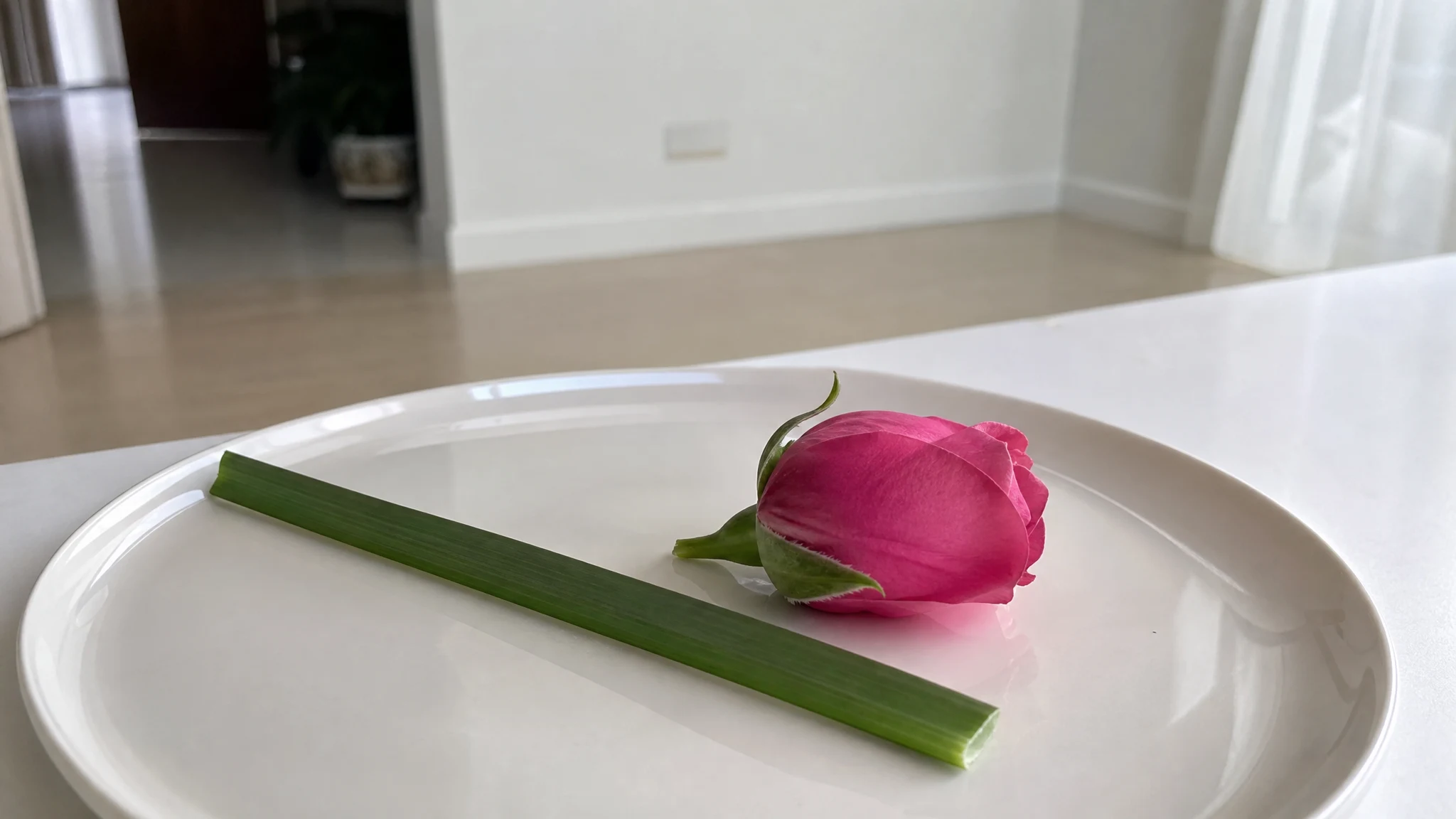
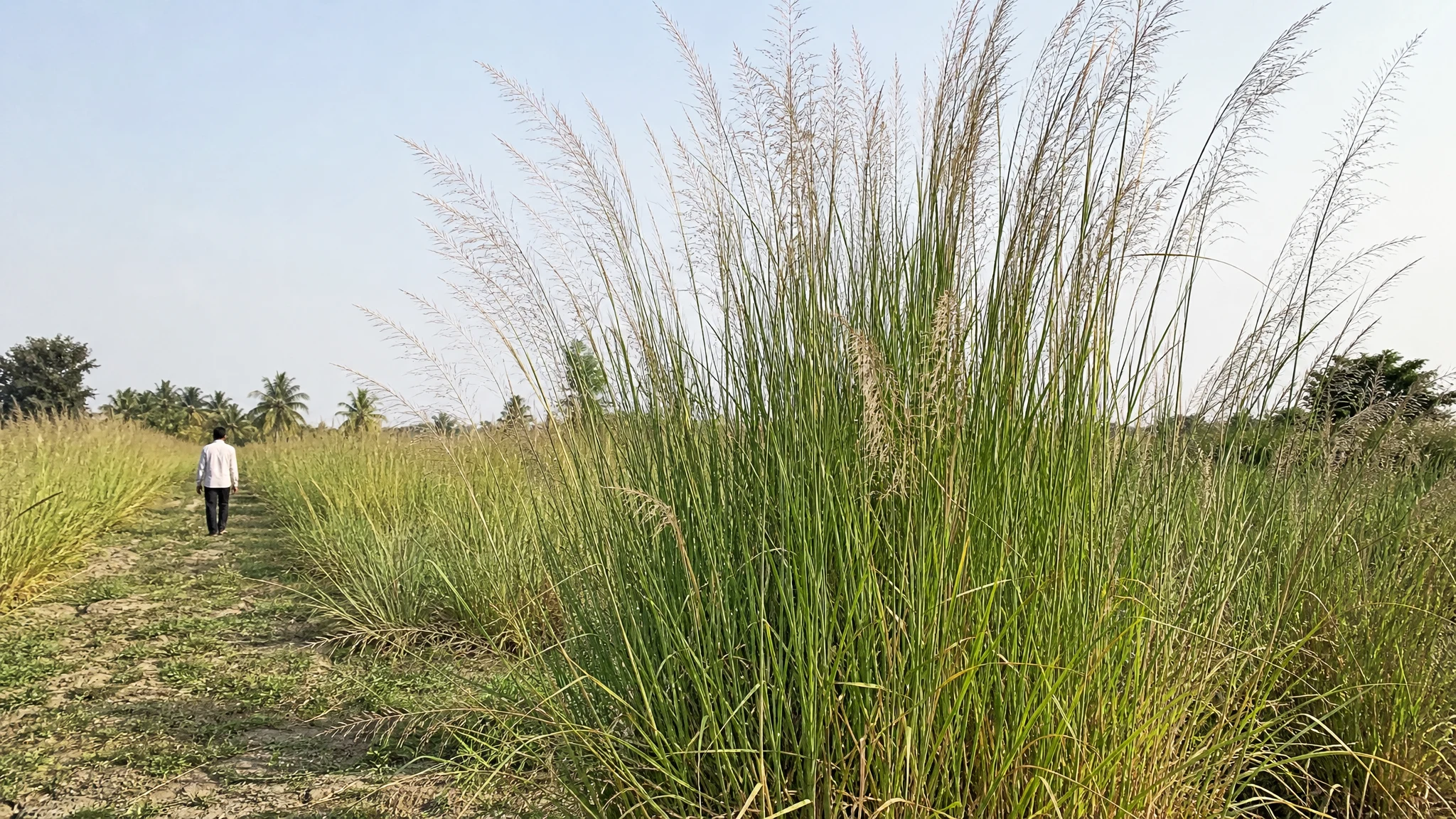
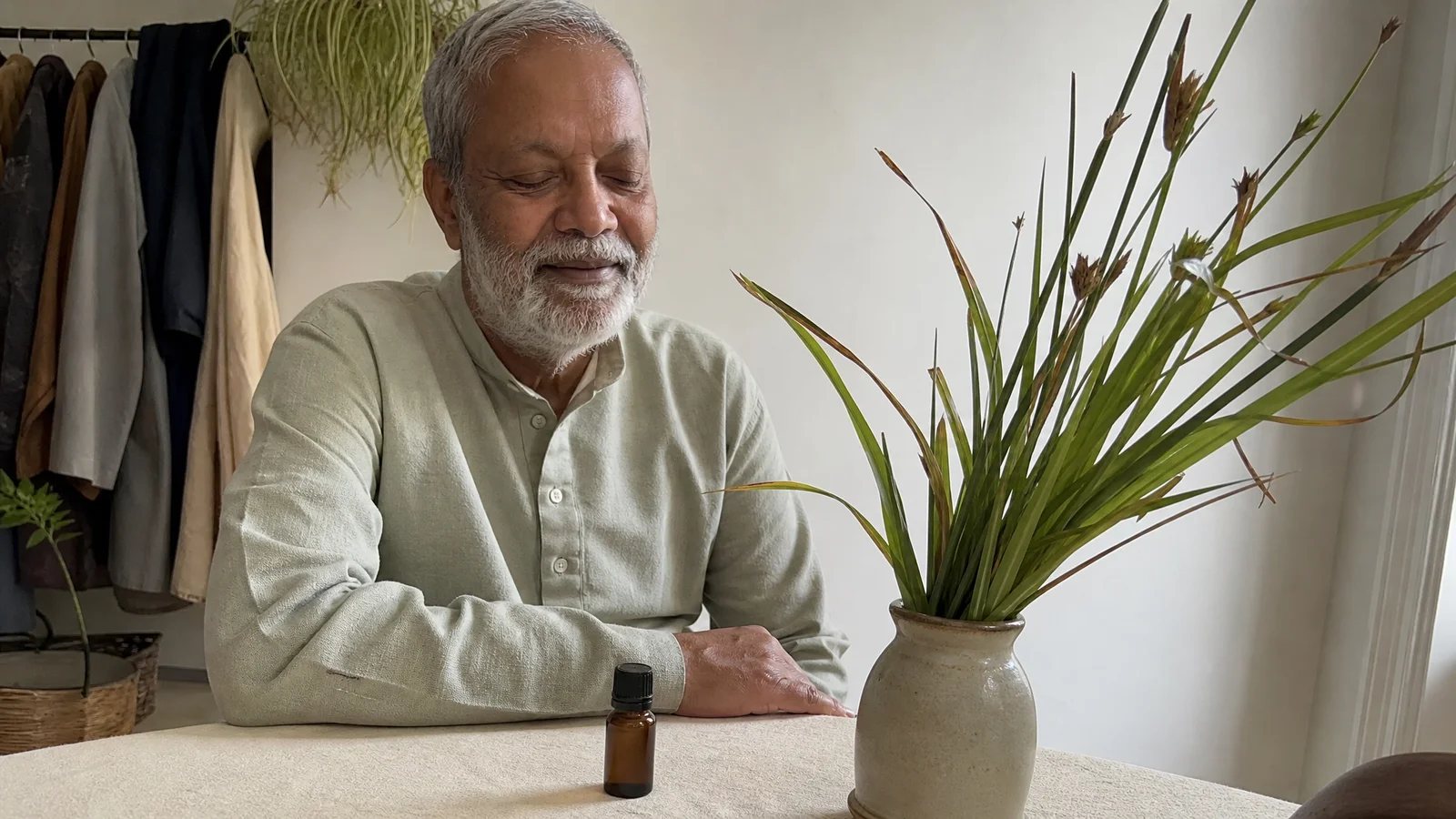
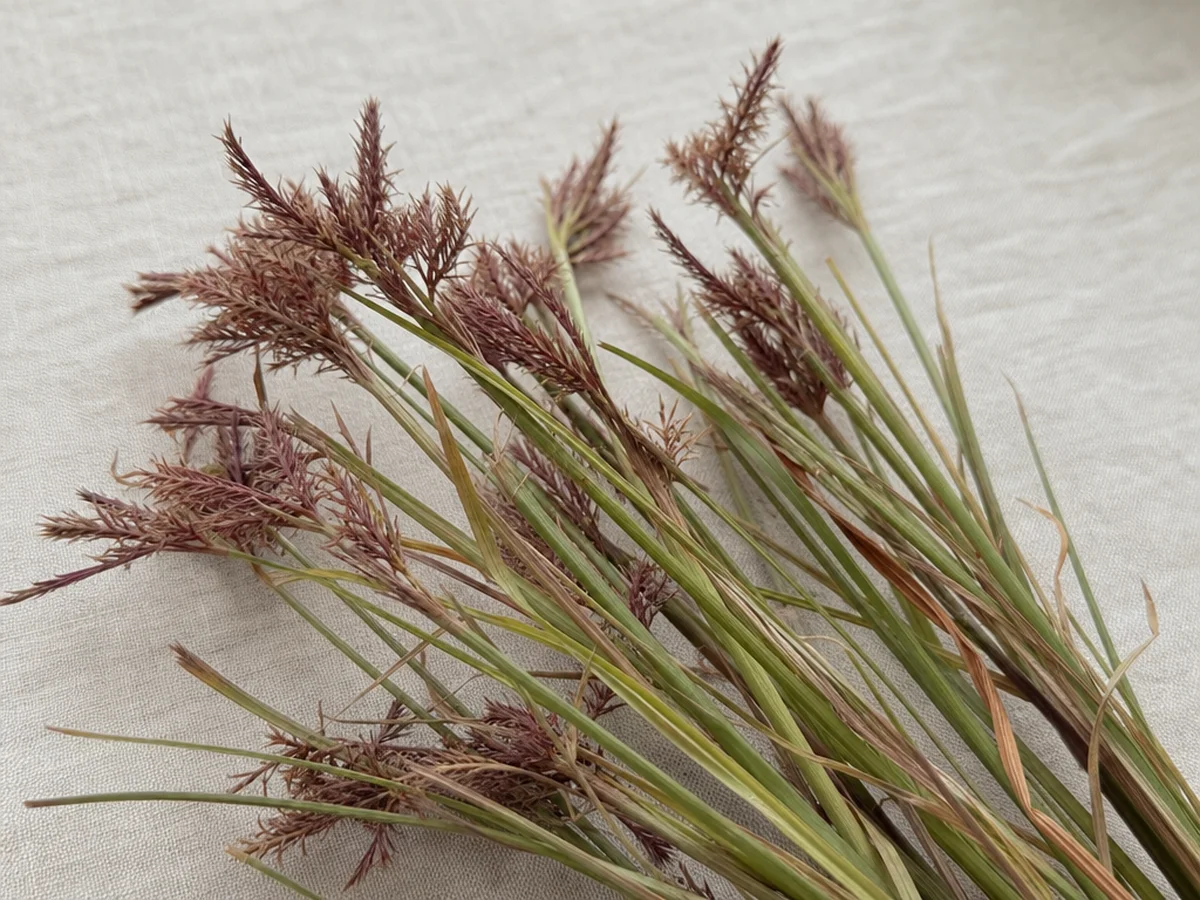
Palmarosa is a rose-scented oil that comes from a grass. We describe it as sweet, rosy and gently green, with a soft lemony hint, and we class it as a middle note, the heart of a scent that shows up once the first impression has faded. It is a light yellow liquid with a viscosity close to water, so it pours and drops easily, and it rewards a slower sniff than most oils get.
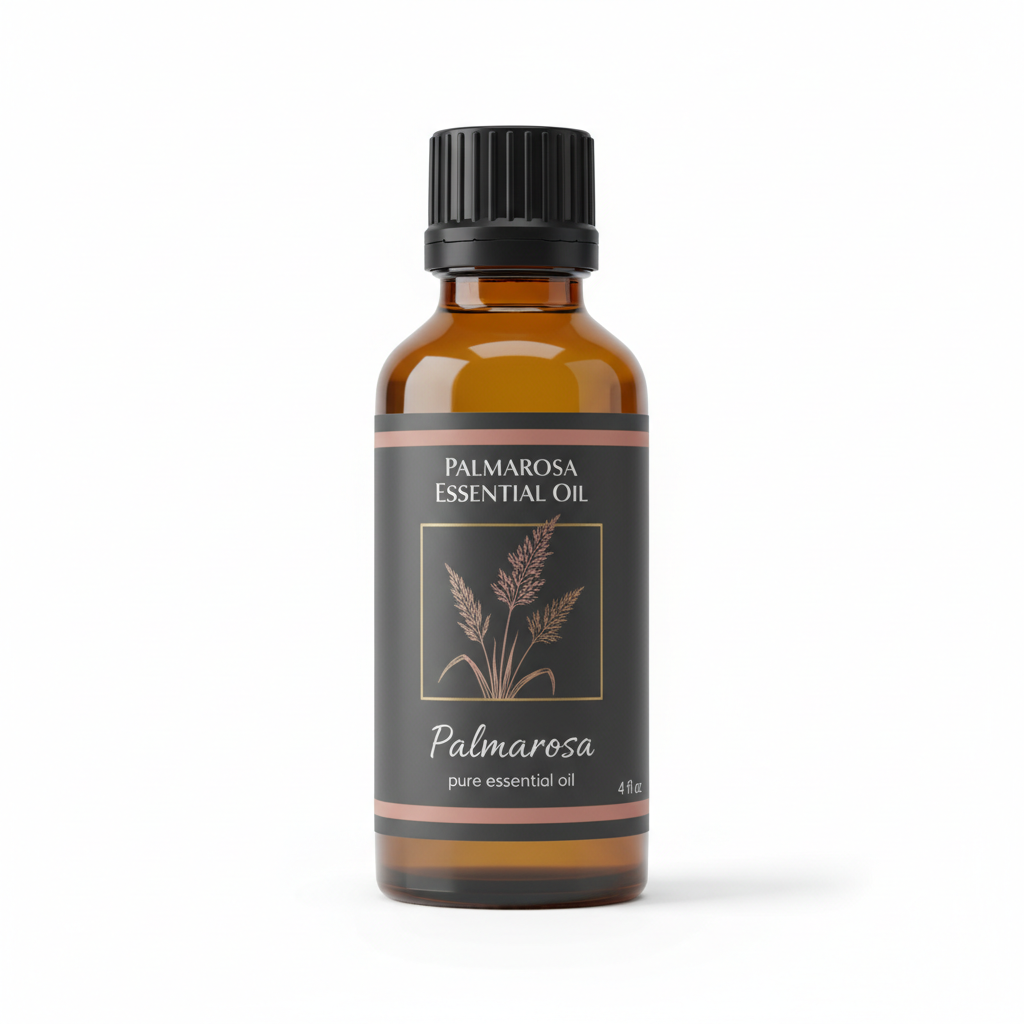
Palmarosa Essential Oil
Our own Palmarosa Essential Oil, in sizes from 0.5 oz to bulk.
From $10.99
Shop Now →One molecule does most of the talking
The rosy character comes mainly from geraniol. In the typical composition IFRA lists for palmarosa oil, geraniol makes up 82.4%, and a 2023 analysis of cultivated palmarosa leaves from eastern Nepal measured 76.6% (see Sources below). Reference books describe the molecule on its own as having a "sweet rose odor" (Merck Index), a "pleasant geranium-like odor" (Hawley's) and a "pleasant, floral odor" (Sax). Three authors, three words for the same thing, which is a good clue about why one person smells rose in a bottle of palmarosa and another smells geranium. Neither is wrong.
Geraniol is also a fairly slow evaporator. Reasoning from its low vapour pressure, you should expect the rosy middle to build over several minutes on a blotter rather than jump out in the first second, and that matches its place as a middle note.
The supporting cast
Two smaller components shape the edges. Geranyl acetate came in at 15.2% in the Nepalese leaf oil and 4 to 7% in an oil distilled in Colombia. The perfumer's reference Arctander (1969) describes it as sweet, fruity-floral, rosy and somewhat green, with a faint lavender note. That is our best candidate for the soft green fruitiness in palmarosa, though it is an inference from the descriptions and the percentages, not something either study measured by nose.
Linalool, at roughly 2% in the Nepalese sample, adds a clean floral lift with none of the camphor or turpentine character you find in some oils. And the lemony hint? IFRA's table lists citral, the lemon-scented compound, at 0.6% in palmarosa. A trace like that can plausibly put a faint citrus edge on the scent, though how much of it anyone perceives depends on its odour threshold. That is why we call the lemon a hint rather than a note of its own.
The Certificate of Analysis we publish for one batch records the smell requirement as "Floral, Grassy, Sweet" and the result as "Complies."
Describing it in your own words
Scent vocabulary is a game anyone can play. You might reach for "rose petals", "a cut green stem" or "lemon peel at the edge", and none of them is wrong. The words you pick are the ones you will remember when you reach for the bottle again, so keep a small notebook by your blending table and write down the first thing that comes to mind before you start second-guessing it.
Rosy, but not a rose
Rose oil is a crowd. In IFRA's typical figures, rose oil carries citronellol at 32.5% and geraniol at 17.7%, plus a long tail of minor compounds. Palmarosa is mostly one molecule. That is why the two are related but not identical, and why we describe palmarosa as lighter and airier than true rose otto. If you are weighing the two, our palmarosa and rose comparison goes further, and palmarosa and geranium covers the other lookalike.
Why two bottles can smell different
Palmarosa is not one fixed recipe. A 2025 study of wild-growing Cymbopogon martinii in Rajasthan found 59 compounds and no geraniol among its principal constituents, with carveol and mentha-dienols leading instead. The authors said the profile resembled var. sofia, a different type from the geraniol-rich var. motia. The PROSEA plant-resources handbook adds that rainy-season grass tends to give more oil with less geraniol. So variety, season and harvest all move the scent, and the Latin name alone will not tell you which you are smelling. Our label-reading guide shows what to ask a seller.
How to smell a bottle properly
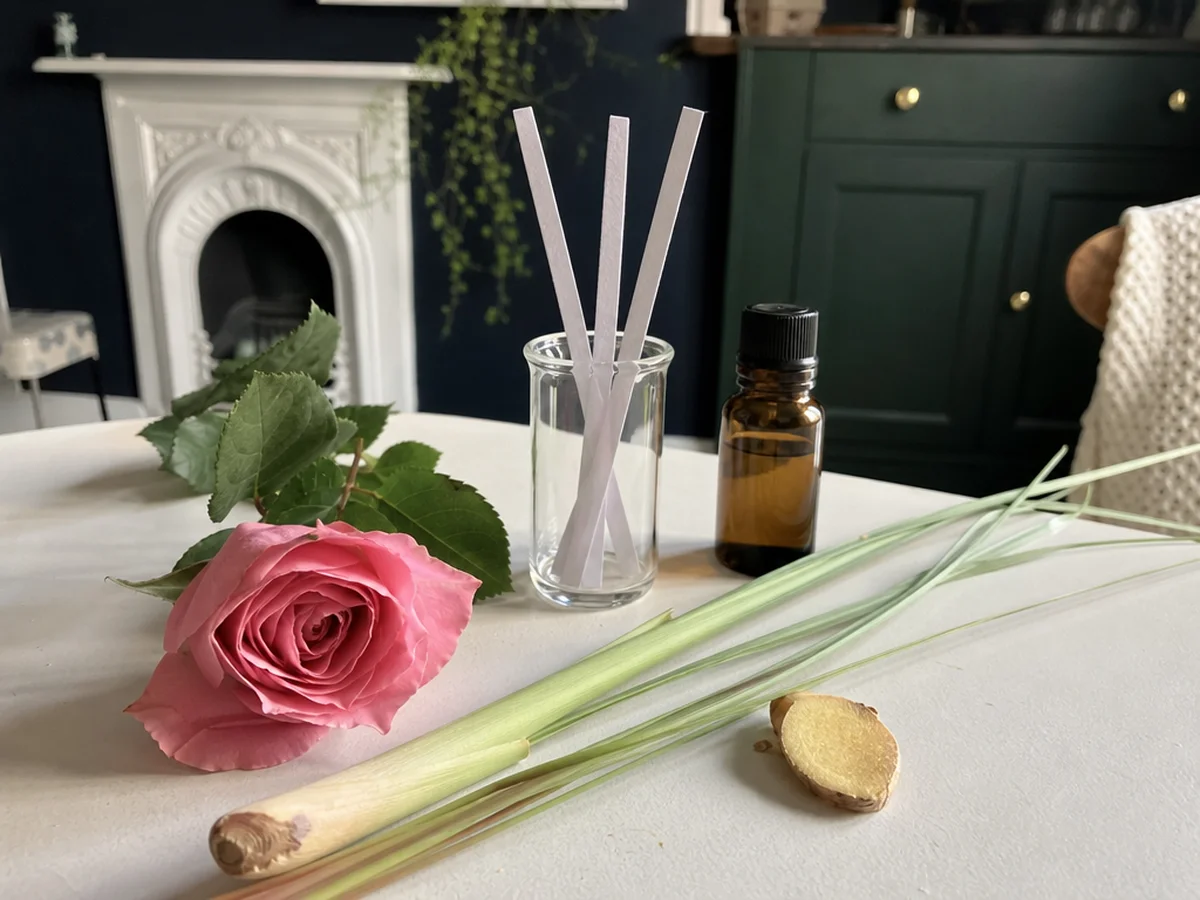
- Use a clean strip of unscented paper, not skin, and write the date on it.
- Smell it straight away, again after five minutes and again after thirty. Expect the character to move.
- Pause on something neutral between samples if you are comparing bottles.
- Jot down what you smell in your own words before you read anyone else's, including ours.
Give your nose a rest between sniffs. Smelling for too long dulls the sense, which is why perfumers step away and come back. A breath of fresh air at a window is enough to reset things before the next strip.
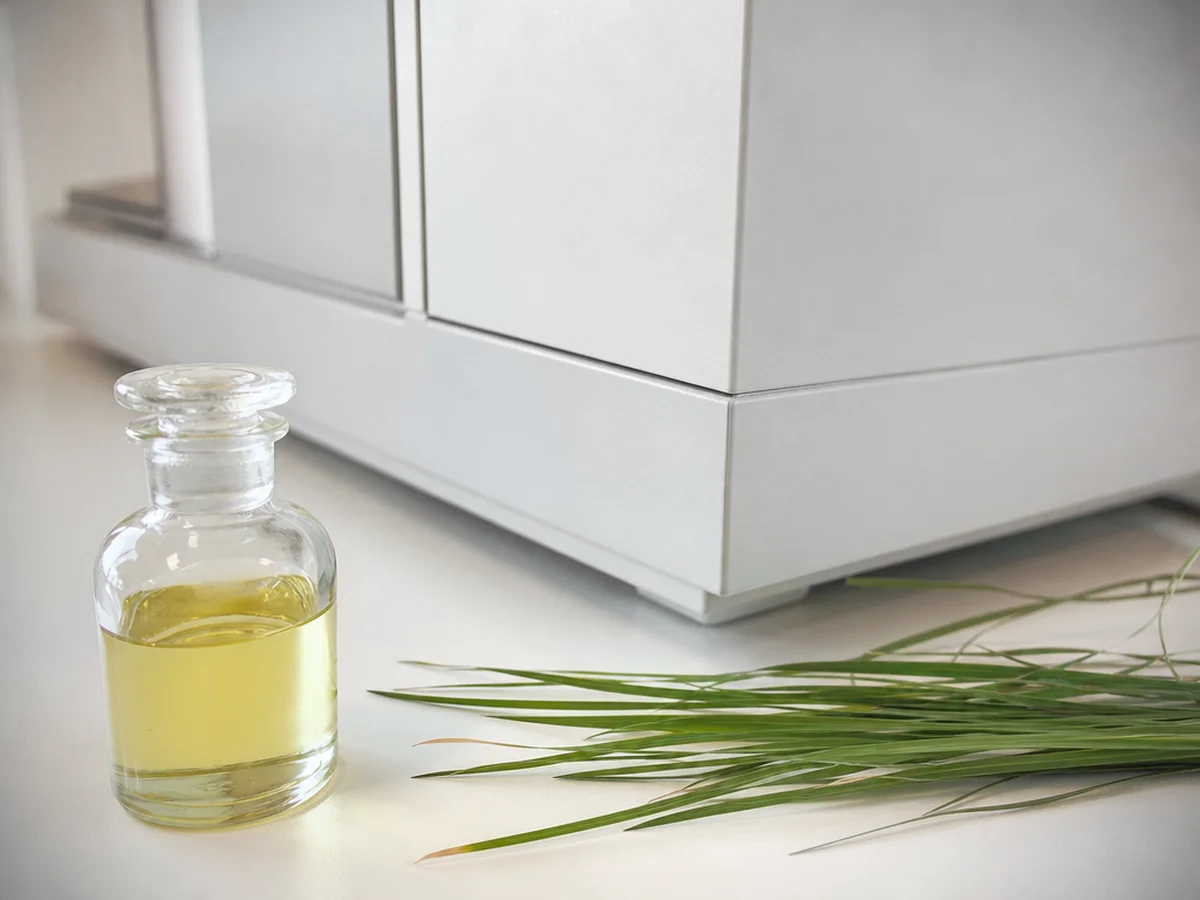
Keep the oil off your fingers and away from your eyes. Geraniol is a recognised fragrance allergen, so for skin we recommend diluting to 0.5% to 2% in a carrier oil and patch testing first, starting at the low end for the face.
Where the scent sits best
Because palmarosa is a middle note, it behaves best in the heart of a blend, where its roundness meets the lighter top notes and leads into whatever sits underneath. A heavy hand will dominate, while a light one lets a partner such as geranium or sandalwood speak. Add a little, wait, and smell again. A blend is easier to correct a drop at a time than to rescue.
Once you know the scent, the fun starts in blending. Geranium, bergamot, ylang ylang, sandalwood, lavender and patchouli all sit well beside it, and our pairing guide and the post on palmarosa in natural perfumery pick up from here. Trust your nose, give it thirty minutes, and let the grass and the rose take turns.
Palmarosa Essential Oil
Palmarosa Essential Oil from our own shop, in sizes from 0.5 oz to bulk.
From $10.99
Shop Now →Sources & Further Reading
- IFRA, 2023. Annex on contributions from other sources to the IFRA Standards (51st Amendment)
- Dangol S et al., 2023. Essential Oil Composition Analysis of Cymbopogon Species from Eastern Nepal by GC-MS and Chiral GC-MS, and Antimicrobial Activity of Some Major Compounds. Molecules
- Romero et al., 2023. Enhanced Two-Step Extraction from Biomass of Two Cymbopogon Species Cultivated in Santander, Colombia. Molecules
- PubChem, Geraniol (compound record, Odor section)
- PubChem, Geranyl Acetate (compound record, Odor section)
- PubChem, Linalool (compound record, Odor section)
- Sonigra P, Meena M, 2025. Influence of growth stage on the chemical composition, antimicrobial, and antioxidant potential of Cymbopogon martinii (Roxb.) Wats. essential oil. Frontiers in Plant Science
- PROSEA, PROSEA - Plant Resources of South East Asia, record 661 (Cymbopogon martini)
- Sukakul T, Bruze M, Svedman C, 2024. Fragrance Contact Allergy - A Review Focusing on Patch Testing. Acta Dermato-Venereologica