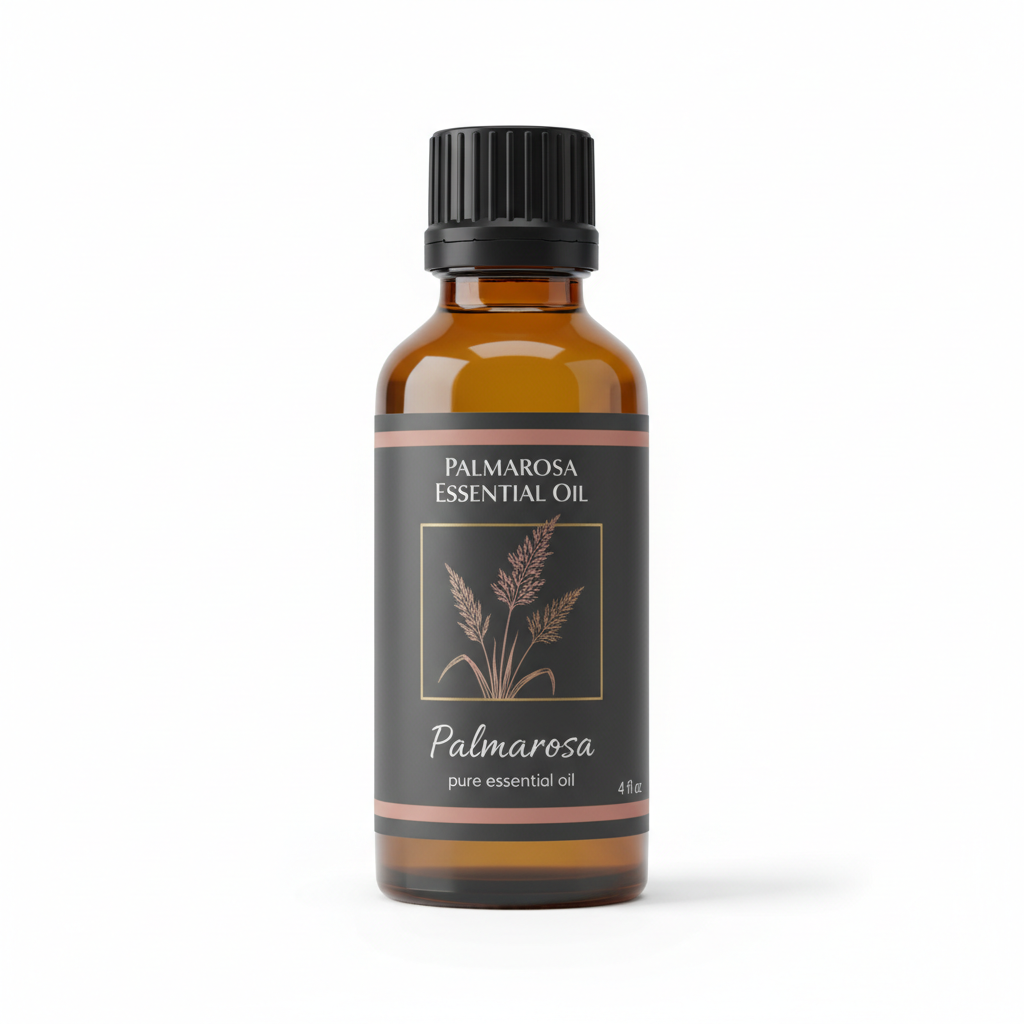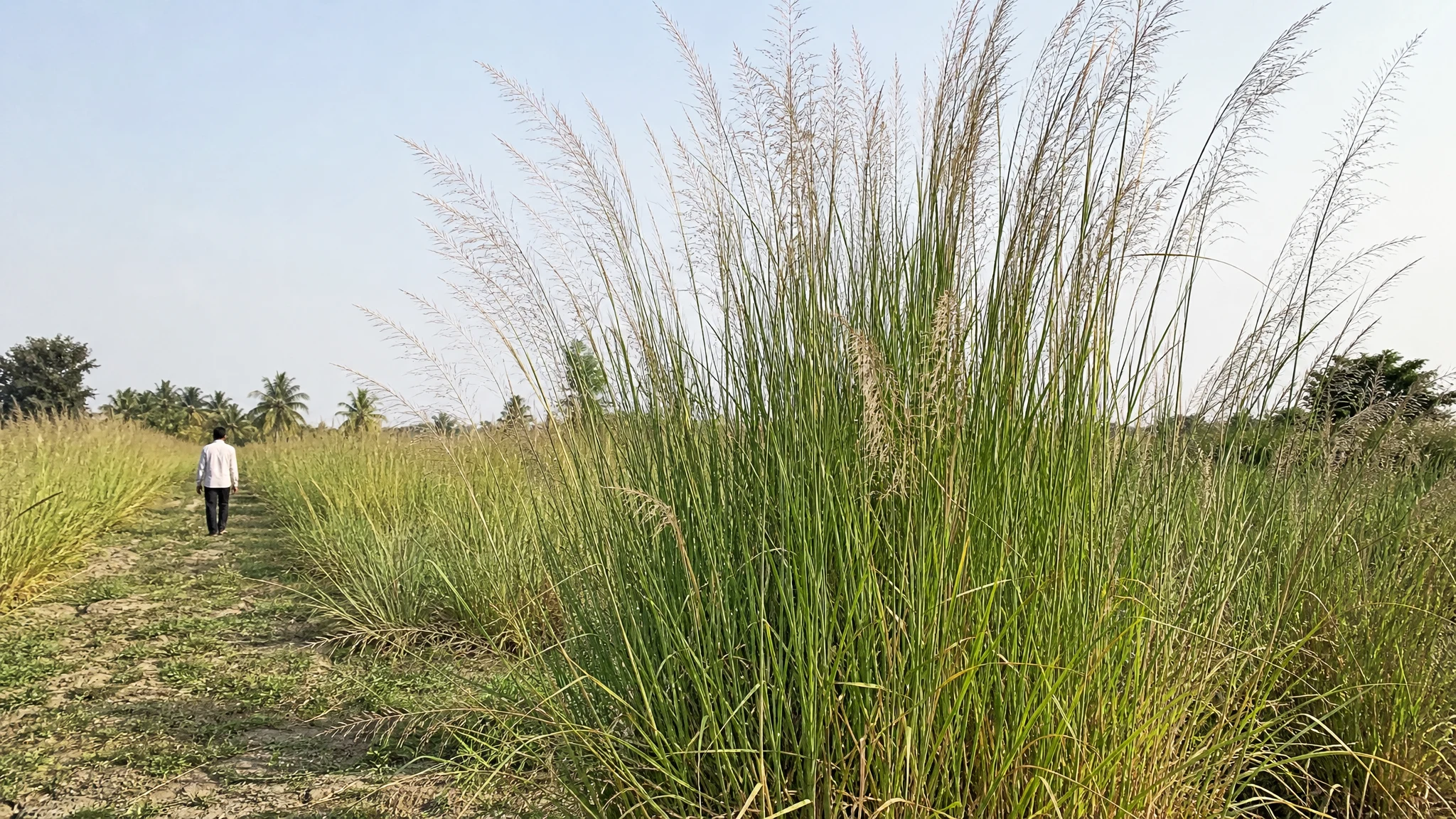
What Is Palmarosa? The Tall Grass Behind the Rose Scent
Palmarosa is a tall, tufted grass, not a flower. Meet the plant behind the rosy oil, how it grows and why the cutting date changes the oil.

Palmarosa Oil Research: A Tour of What Scientists Study
A friendly tour of the lab studies on palmarosa oil, from sunflower oil tests to flea papers, and what a result in a dish does and does not tell you.
Palmarosa Oil and Acne: What the Lab Study Found
One lab paper tested palmarosa oil on acne bacteria in a dish. What it measured, why dish and skin differ, and how we dilute the oil for its aroma.
Palmarosa Oil Antioxidant Claims: What They Really Mean
"Antioxidant" shows up on palmarosa listings. Here is what the 2026 test-tube study measured, and how to use the oil for its rosy scent on the face.
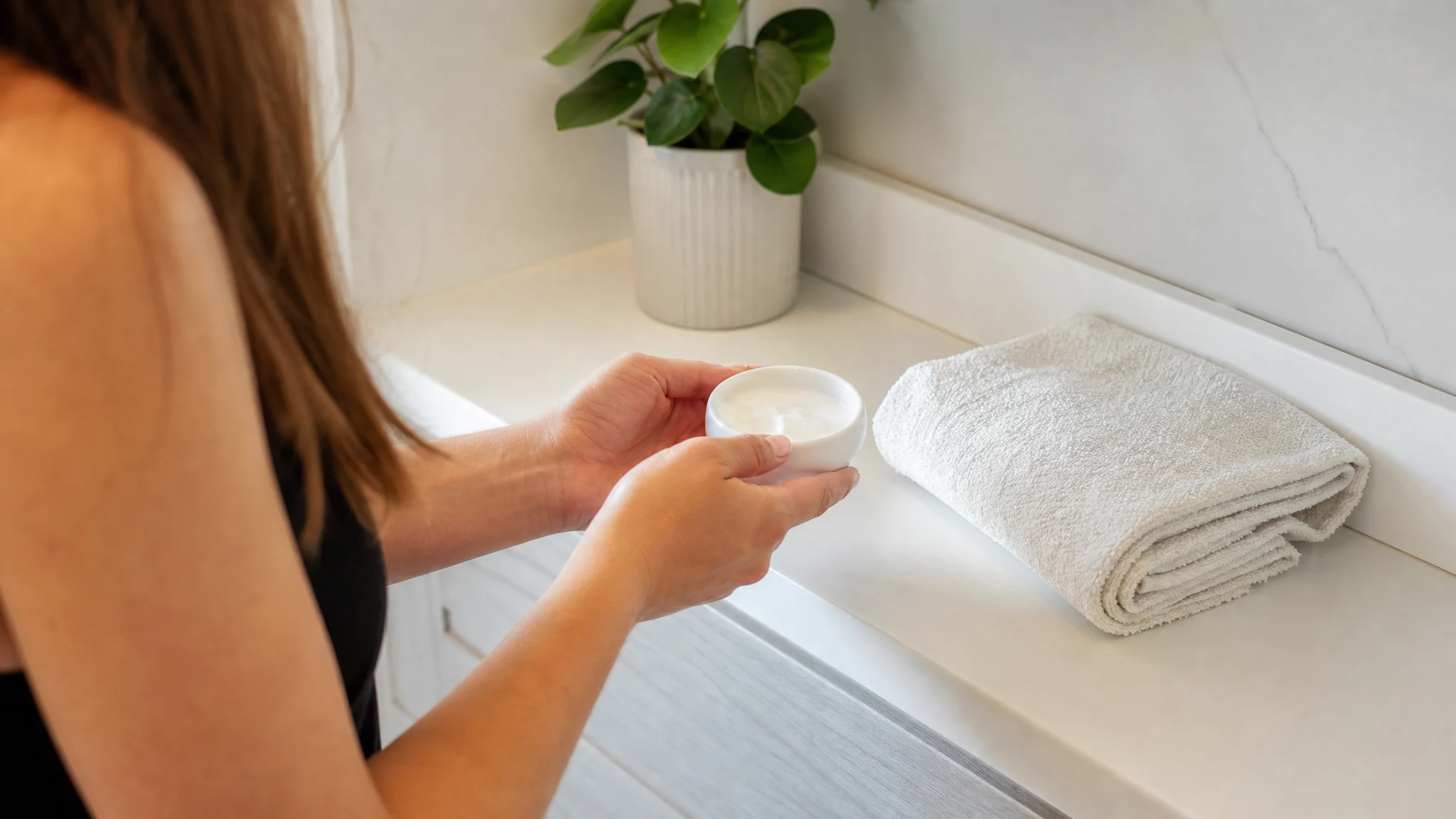
Palmarosa for Dry Skin Care: Why the Base Matters Most
A few drops of palmarosa add a rosy scent, but the cream or ointment does the moisturising. How to pick the base, and how much oil is a sensible amount.
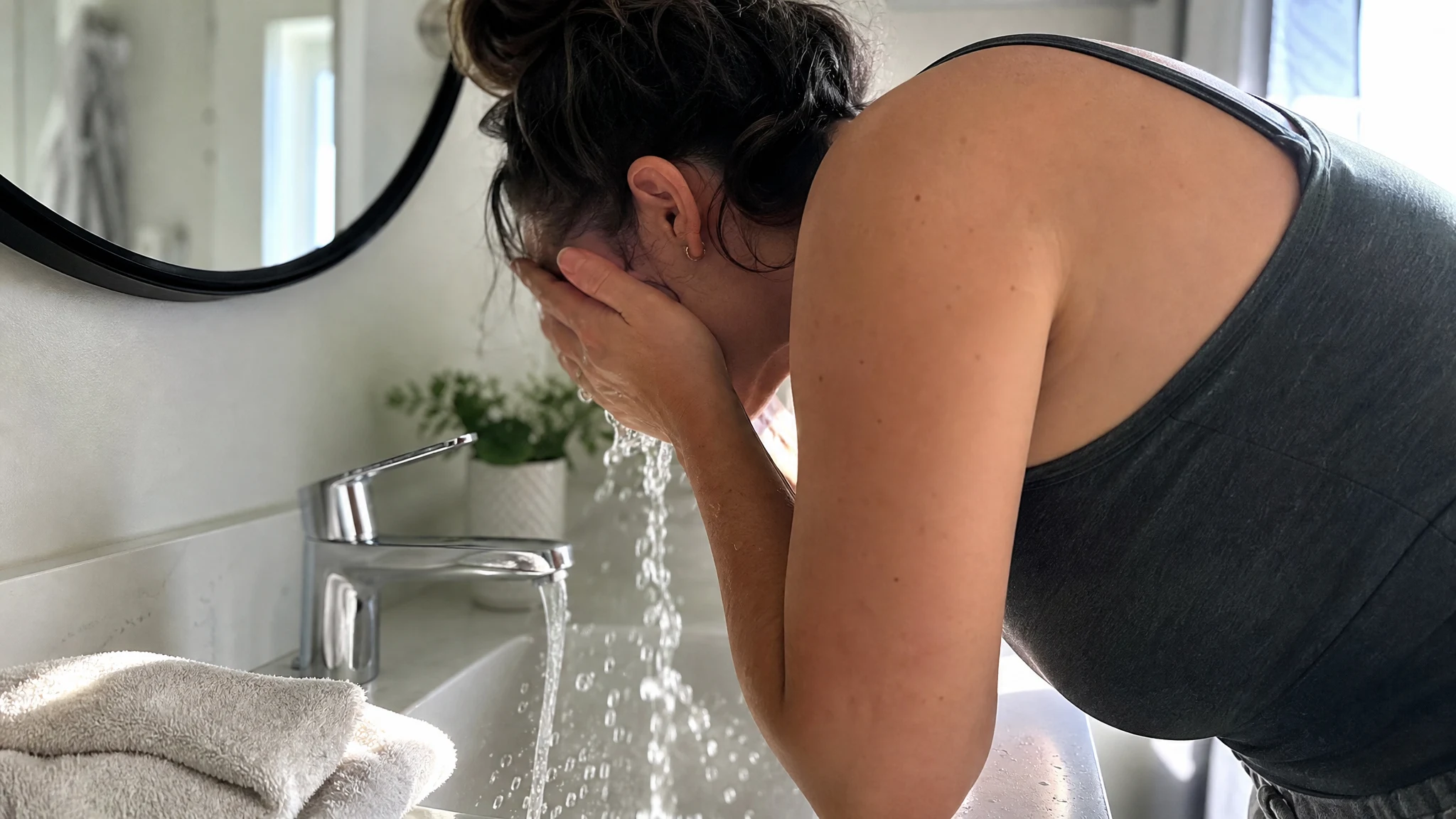
Palmarosa Oil for Oily Skin: Where It Fits and Doesn't
Skin oiliness is driven from within, so no essential oil adjusts it. A dermatologist-style routine, and where palmarosa really shines as a scent.
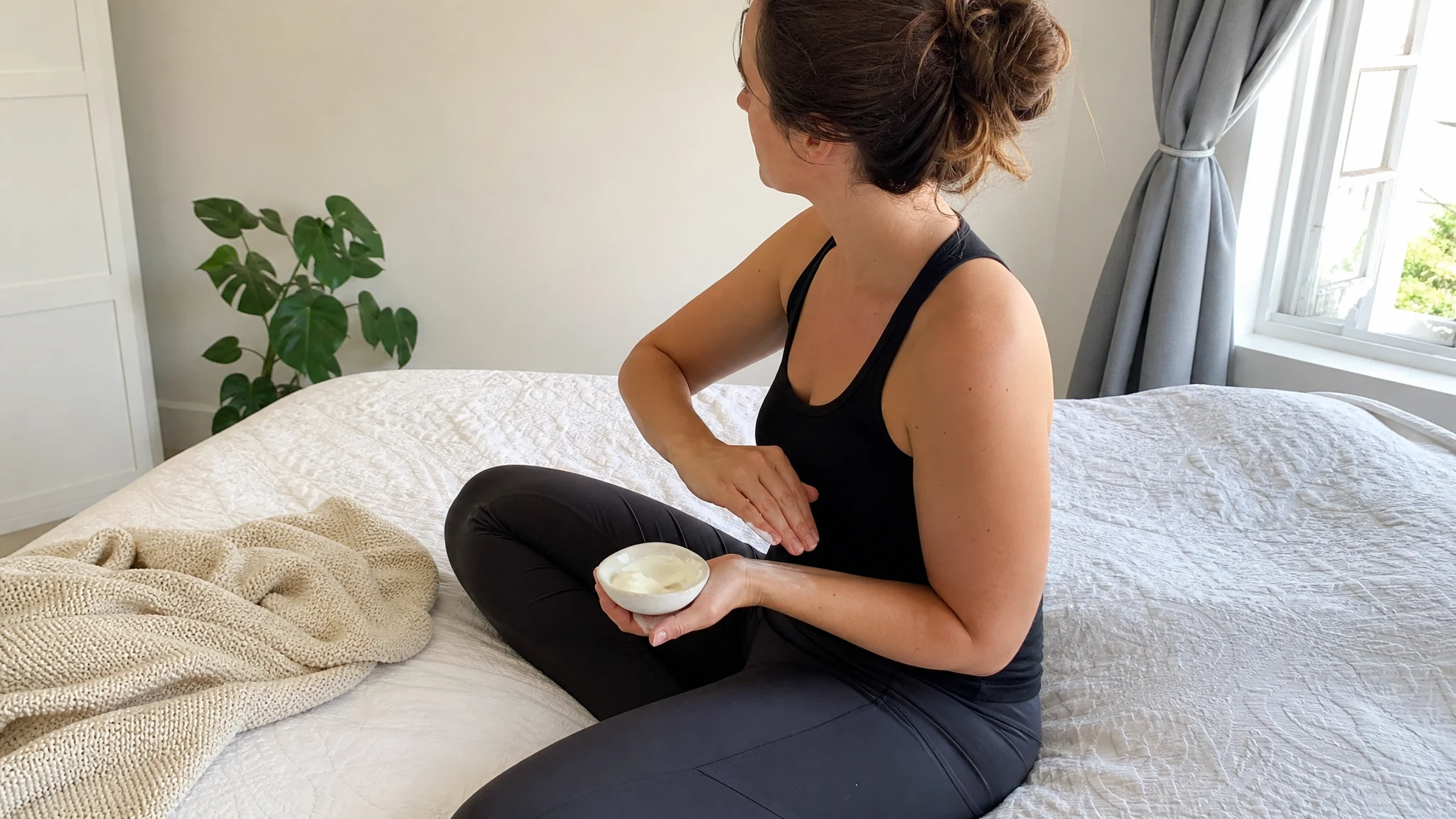
Palmarosa Oil and Stretch Marks: What Reviews Found
Reviews find no topical product proven to prevent stretch marks. Enjoy palmarosa in a body oil for its scent, with a sensible dilution.
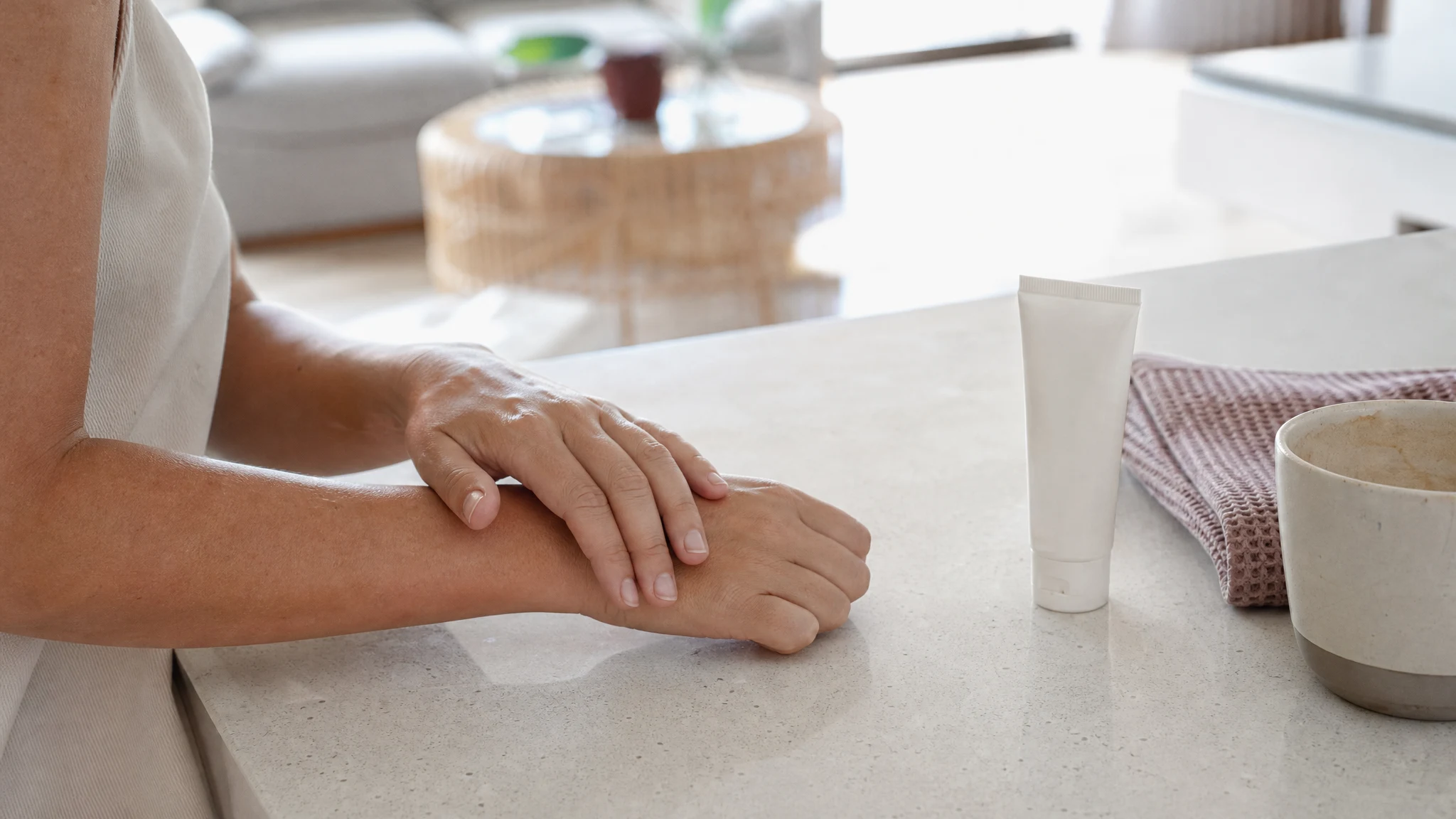
Palmarosa Oil and Sensitive Skin: Why Geraniol Matters
A soft rosy scent is not the same as a gentle ingredient. What to know about geraniol, air, storage and a patch test before you scent anything.
Palmarosa Oil Antifungal Studies: Dish Versus Foot
Lab papers show palmarosa oil slowing fungus in a dish. How to read those numbers, and why a foot or nail needs a pharmacist, not a fragrance.
Organic Palmarosa Oil: How to Read the Label
Organic is a claim about how the grass was grown, one a certifier name and number let you check. What the label requires, leaves out, and what to ask.
Scent, Memory and Palmarosa: Building Your Own Ritual
Why a favourite scent can lift an ordinary moment, what the research does and does not say about palmarosa, and when stress calls for a professional.
Palmarosa Oil and Sleep: Setting a Pleasant Evening Scene
Palmarosa is almost absent from sleep research. What the guidelines put first, and how a rosy scent can simply make your evening room more pleasant.
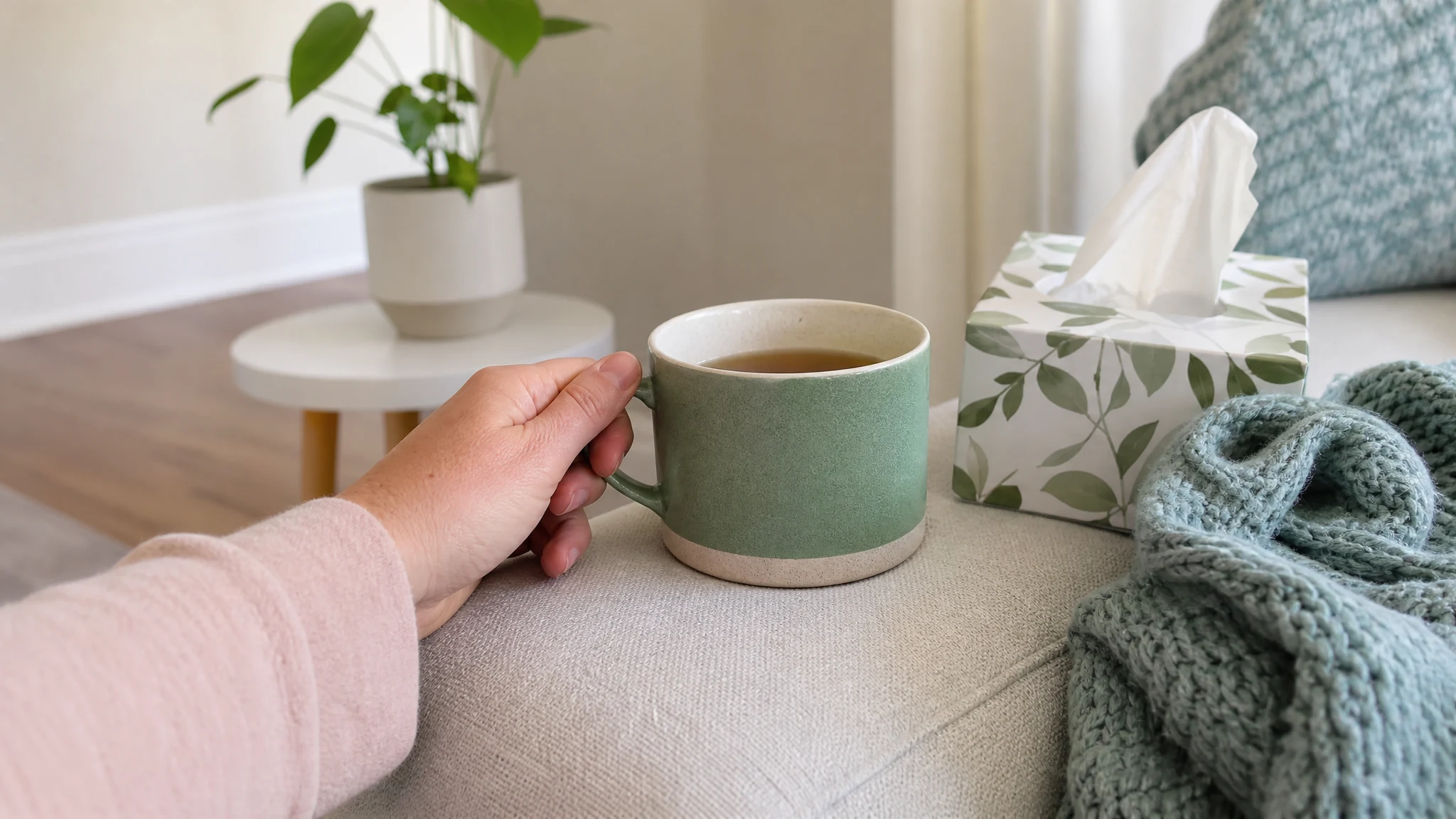
Palmarosa Oil for a Cold? Why We Skip the Steam Bowl
A bowl of hot water is the hazard in steam inhalation. What the NHS and a Cochrane review say, and why we enjoy palmarosa as a room fragrance only.
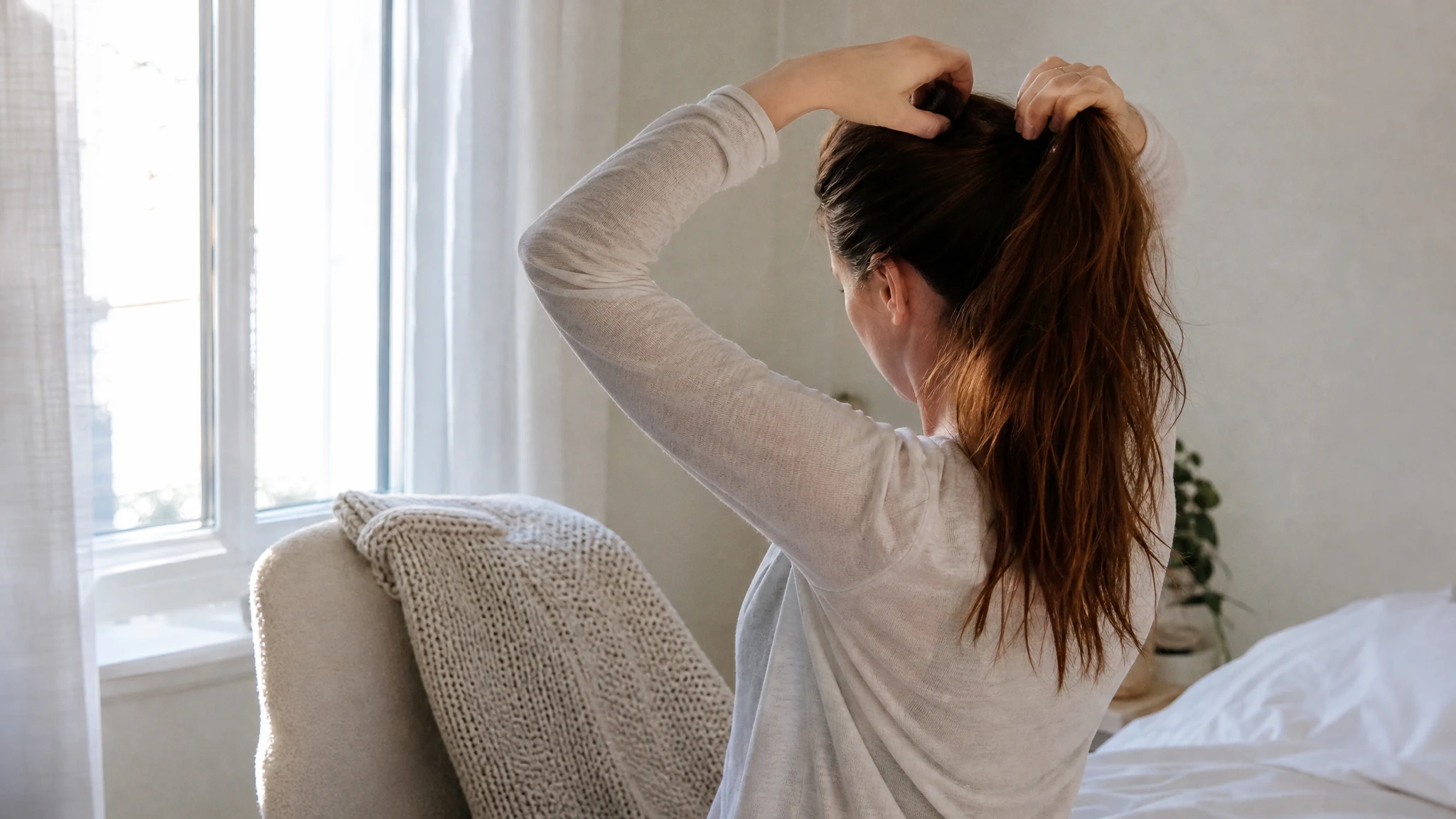
Scenting Hair Oil with Palmarosa: How Many Drops?
Hair oiling is a carrier habit, and palmarosa is the perfume. How to choose a base, how many drops give a rosy scent, and when to see a dermatologist.
Dandruff and Palmarosa Oil: A Plain Look at the 2025 Study
A 2025 lab paper found palmarosa oil stopped dandruff yeast in a dish. What that means for a real scalp, and what dermatologists recommend instead.
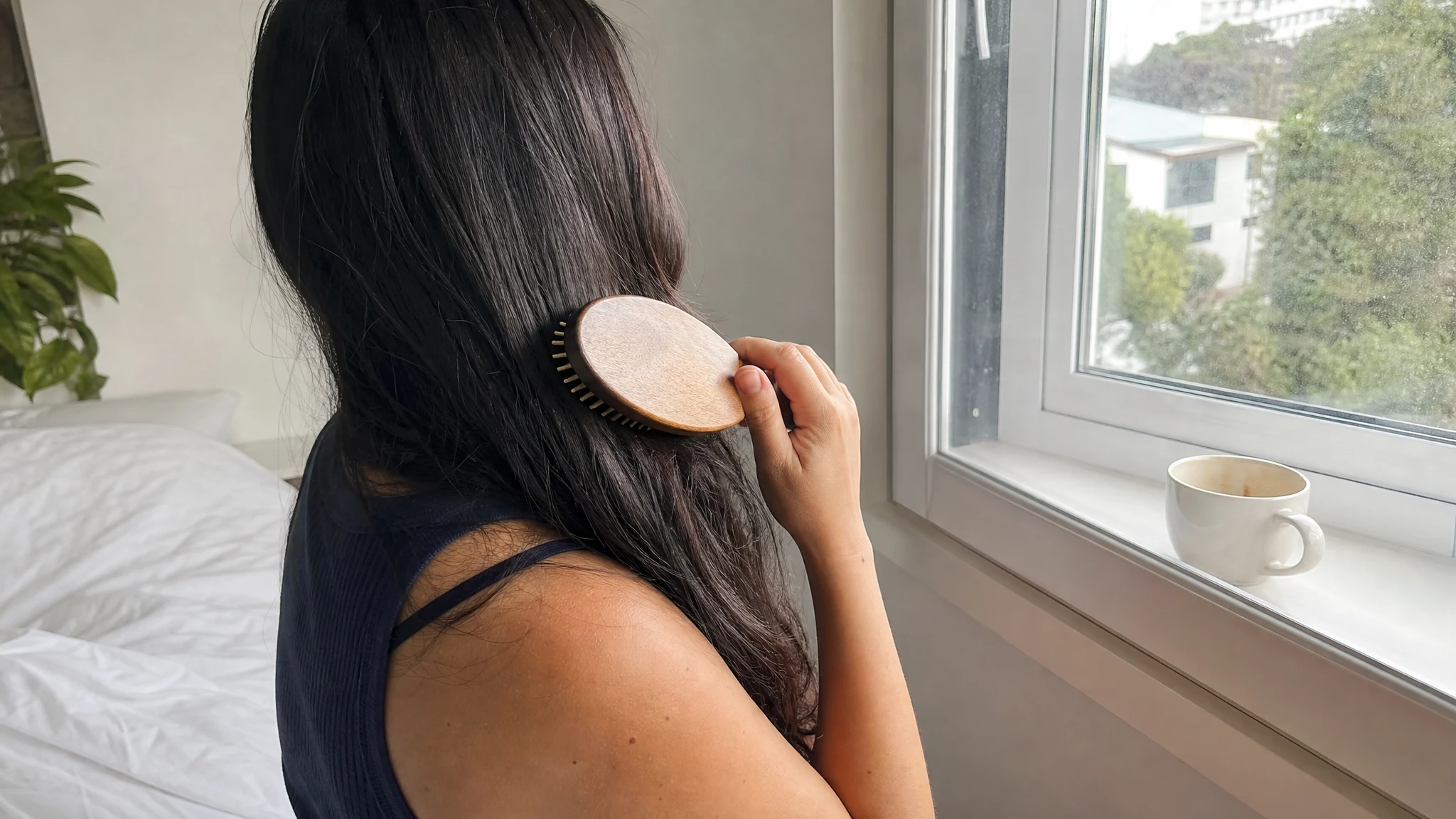
Palmarosa in Hair Oil: Is It Just for the Scent?
Palmarosa adds a rosy, gently green scent to a hair oil. How to dilute it for the scalp, plus when a dermatologist is the better next step.
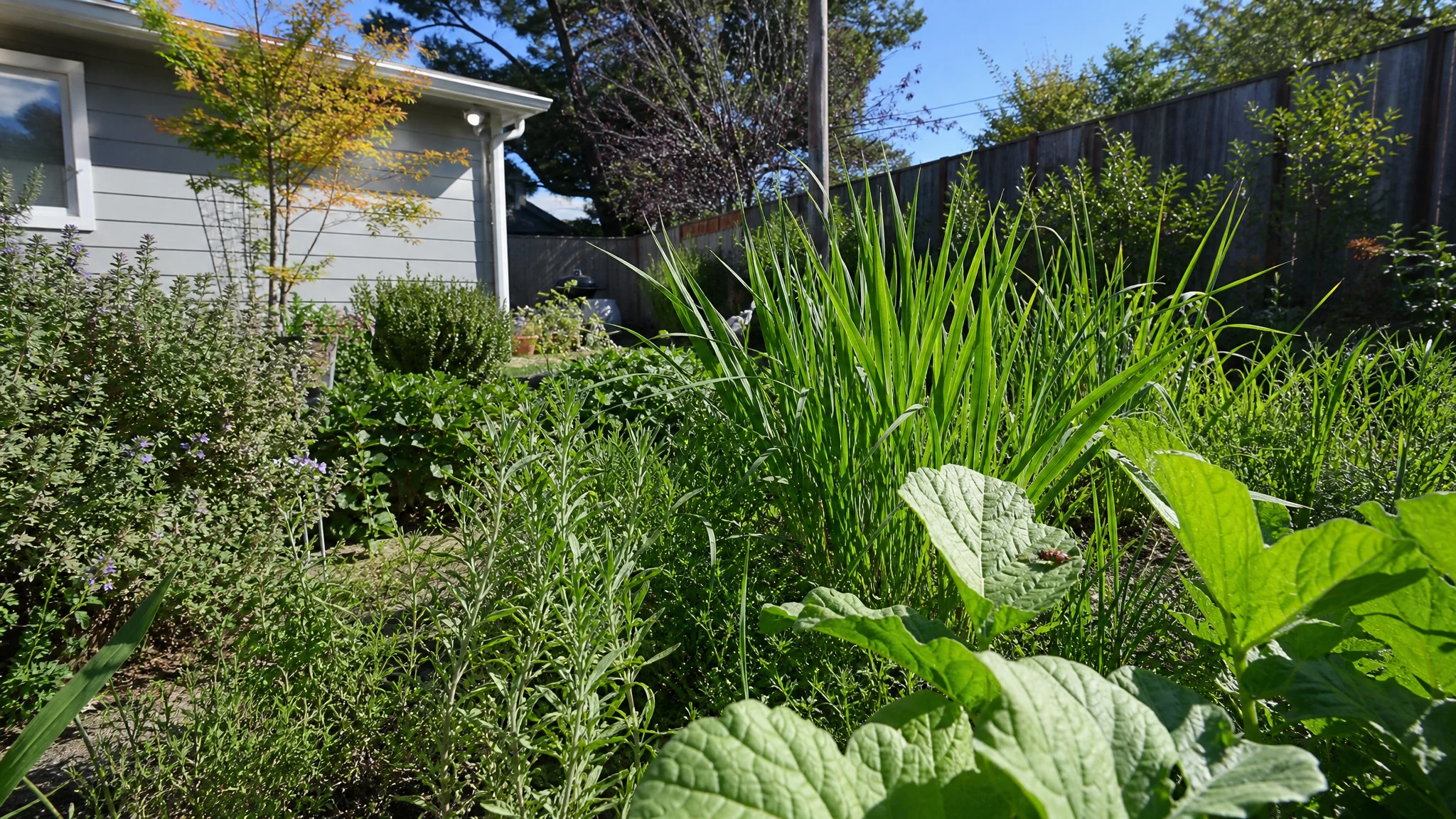
Does Palmarosa Oil Repel Mosquitoes? What Agencies Say
Palmarosa smells lovely on a summer evening. See what EPA and CDC say about repellents, and what studies of geraniol and palmarosa actually tested.
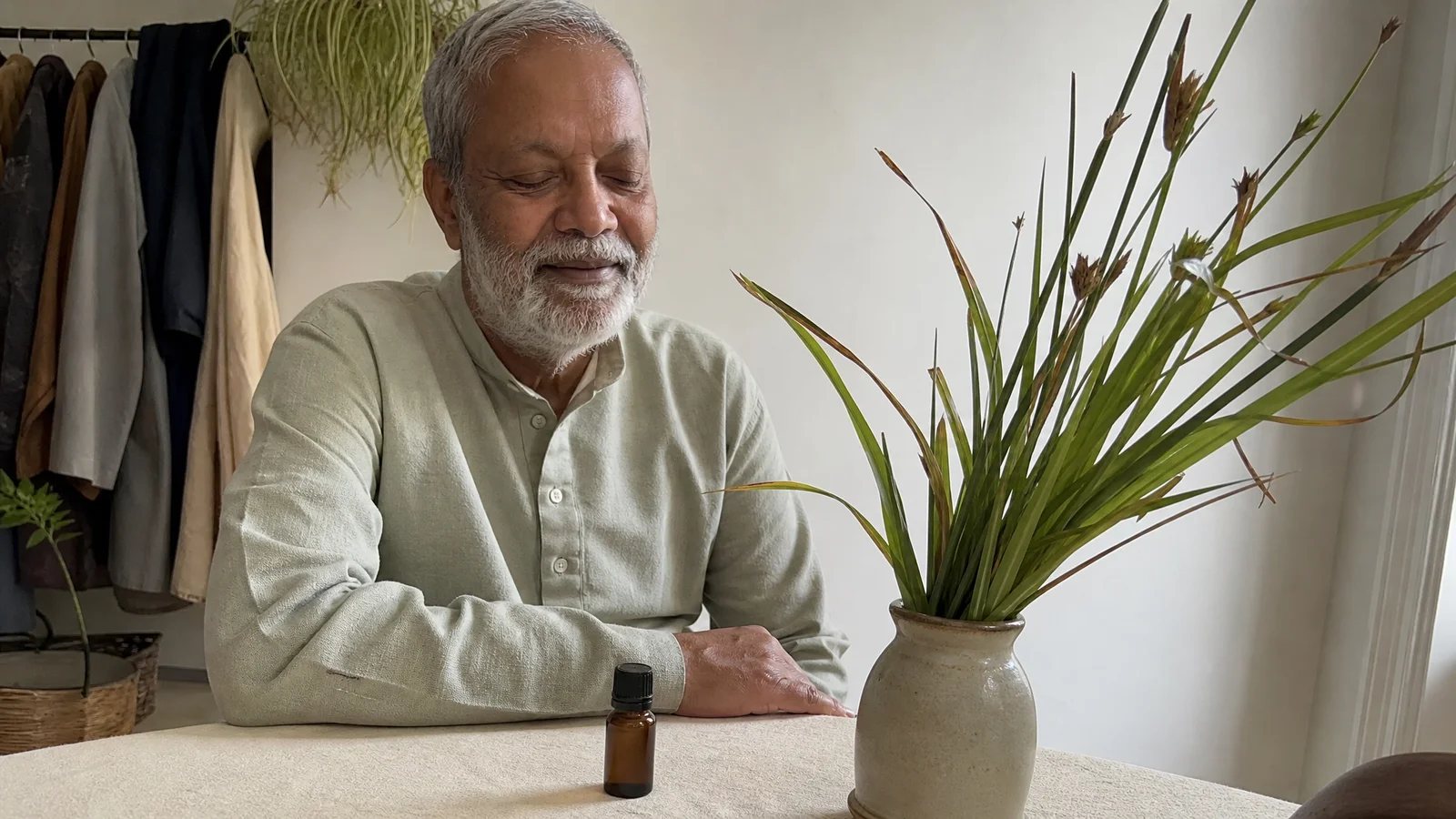
What Does Palmarosa Smell Like? Rose, Grass and Lemon
Palmarosa smells of rose, fresh grass and a touch of lemon. Here is the chemistry behind the scent, why bottles differ, and how to give one a proper sniff.
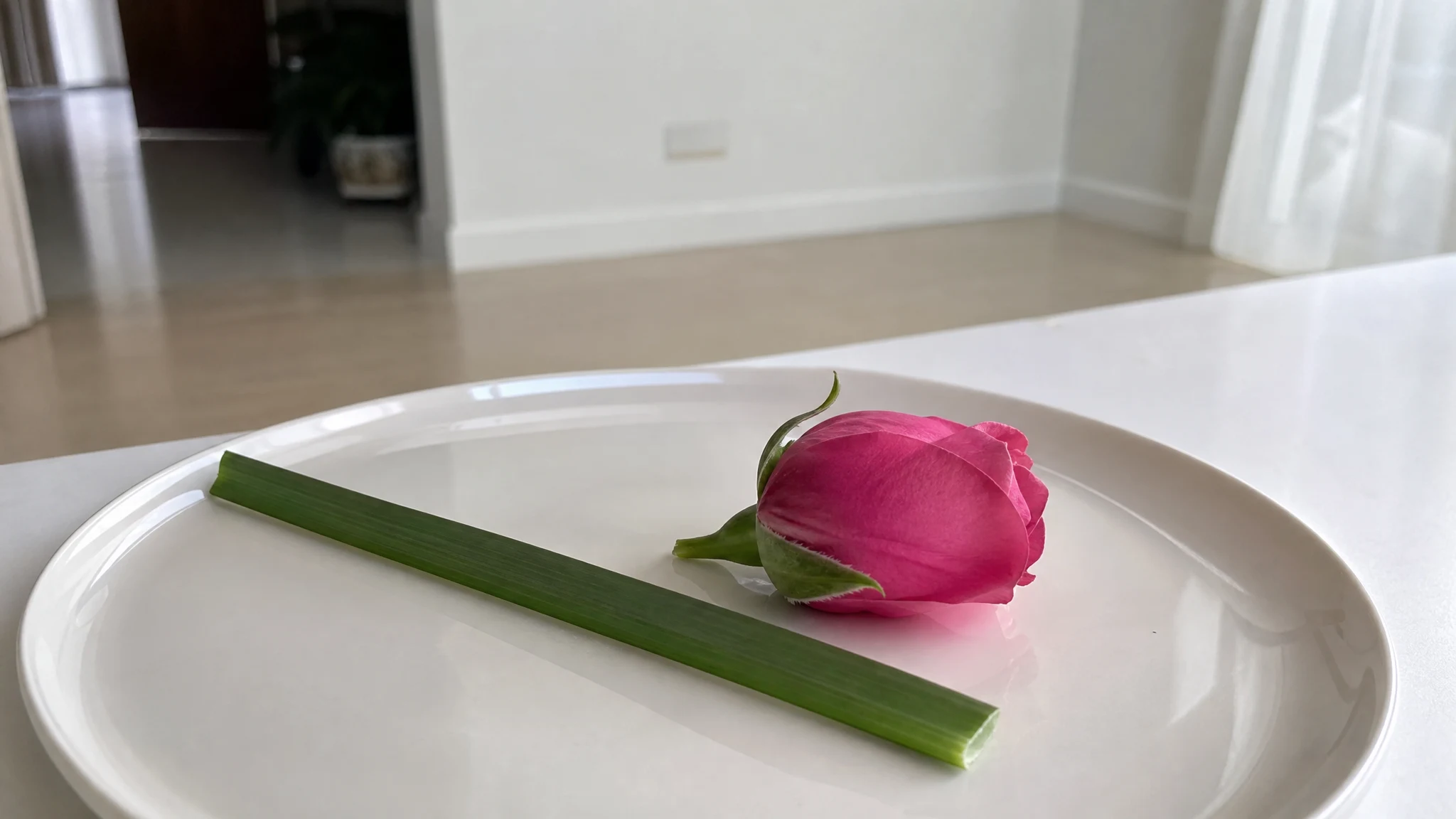
Why Palmarosa Smells Like Rose: Meet Geraniol
One molecule does most of the work in palmarosa oil. Why published analyses differ, how harvest shapes the oil, and why we dilute it lightly on skin.
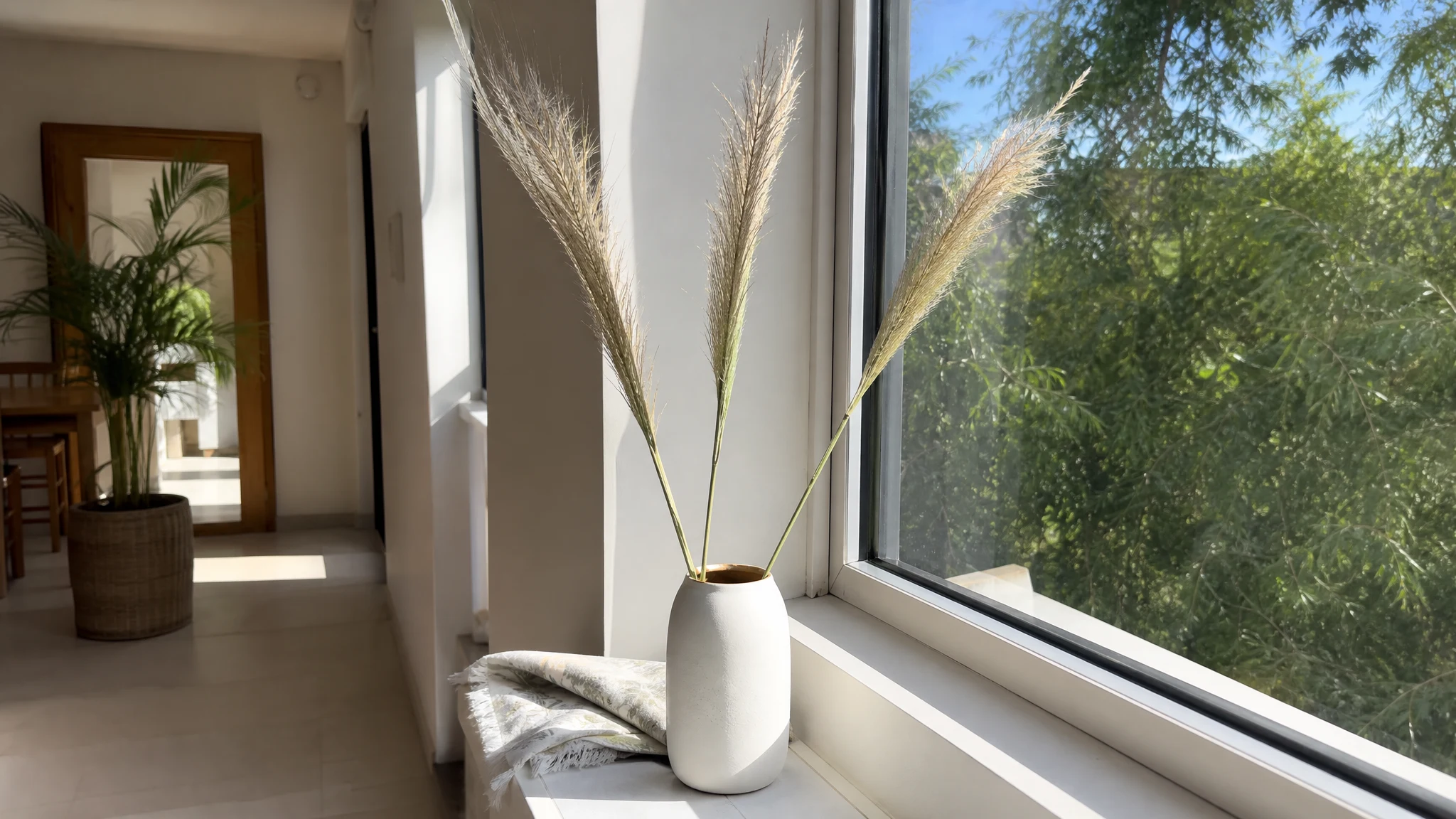
Why Was Palmarosa Called Turkish Geranium?
A grass sold as geranium, shipped to Constantinople to stretch rose oil, and the chemists who finally named the molecule that makes it smell of roses.