Palmarosa for Dry Skin Care: Why the Base Matters Most
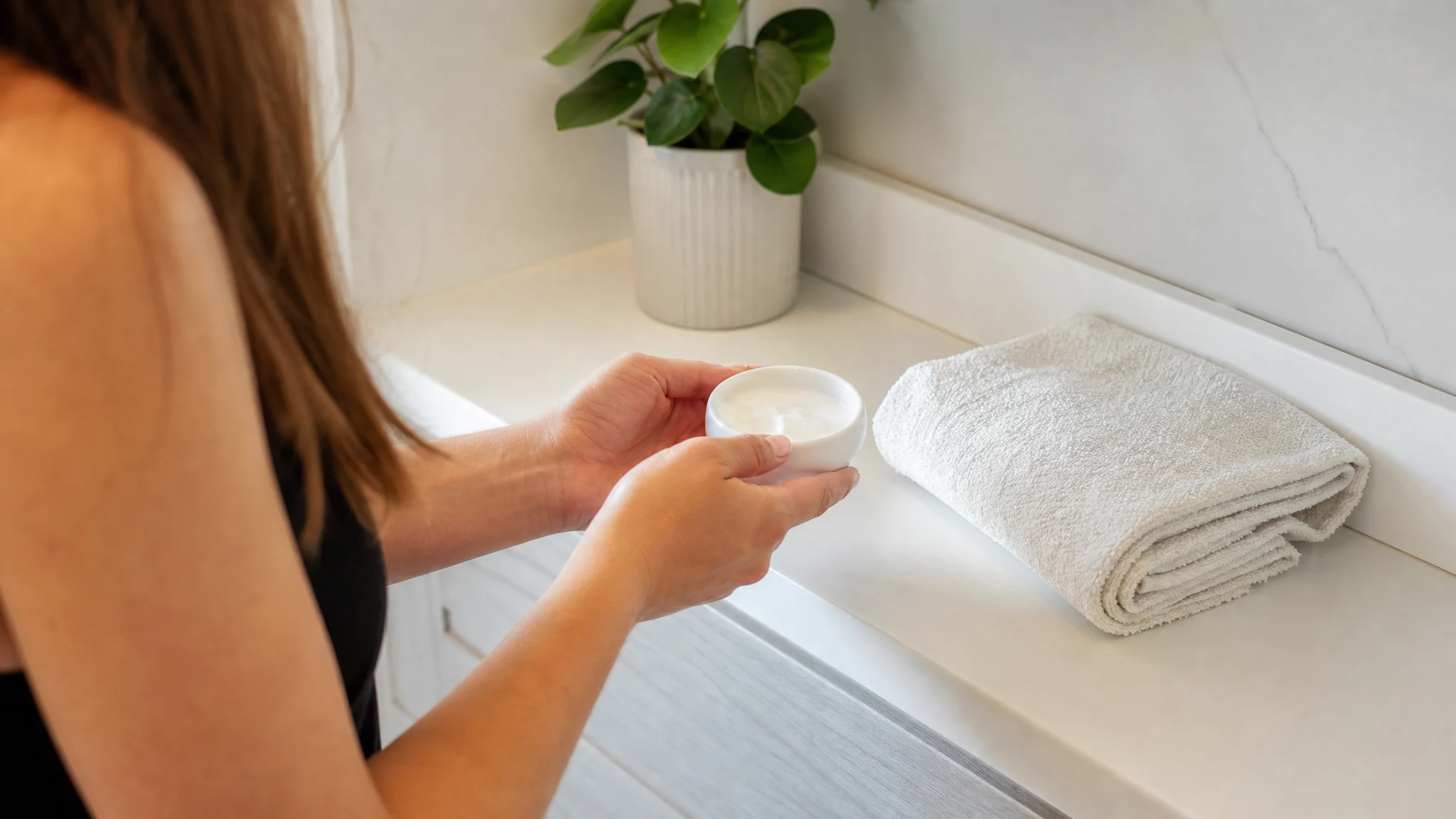
Open a jar of rich ointment, add three drops of palmarosa, and you have changed how it smells, not how it moisturises. That is the most useful thing to know before you scent anything for dry skin: the base does the work, and the oil is a pleasure you add on top.
Palmarosa Essential Oil
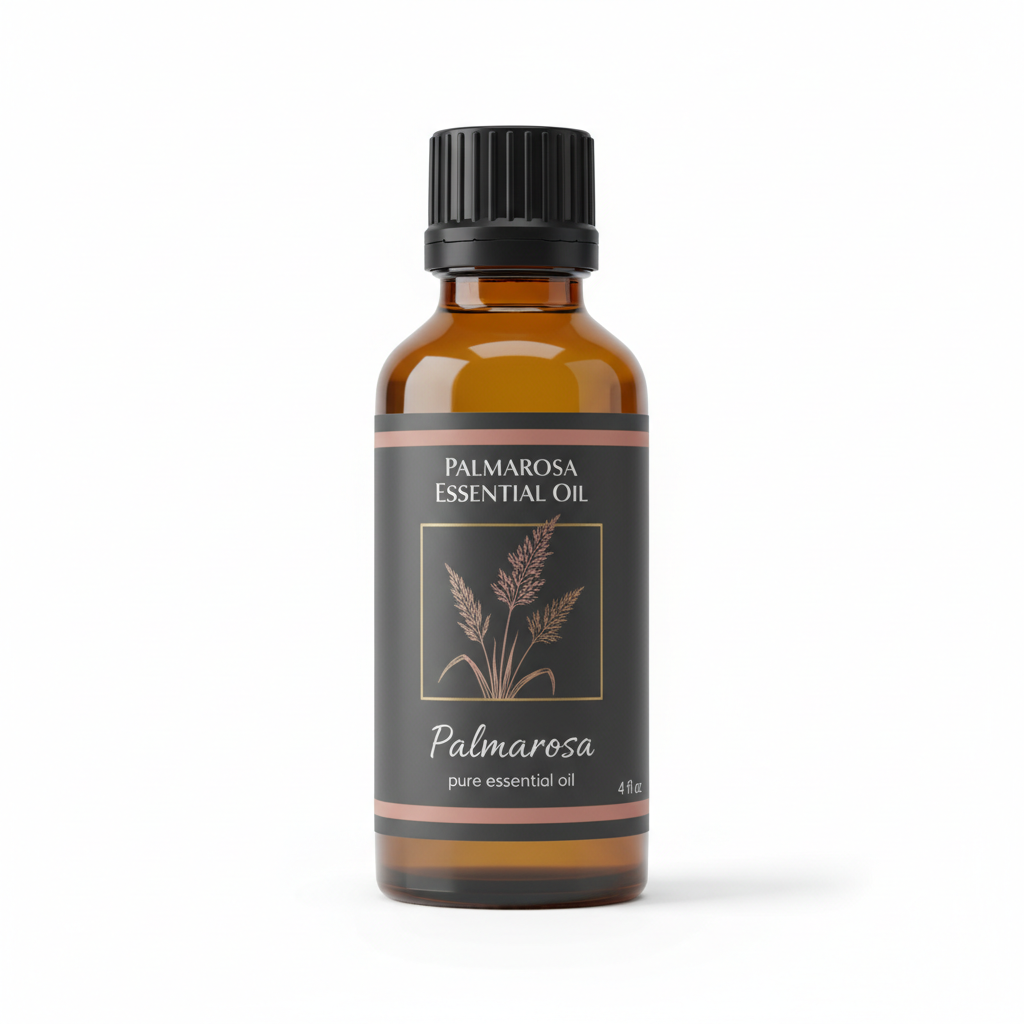
Our own Palmarosa Essential Oil, in sizes from 0.5 oz to bulk.
From $10.99
Shop Now →What the base does
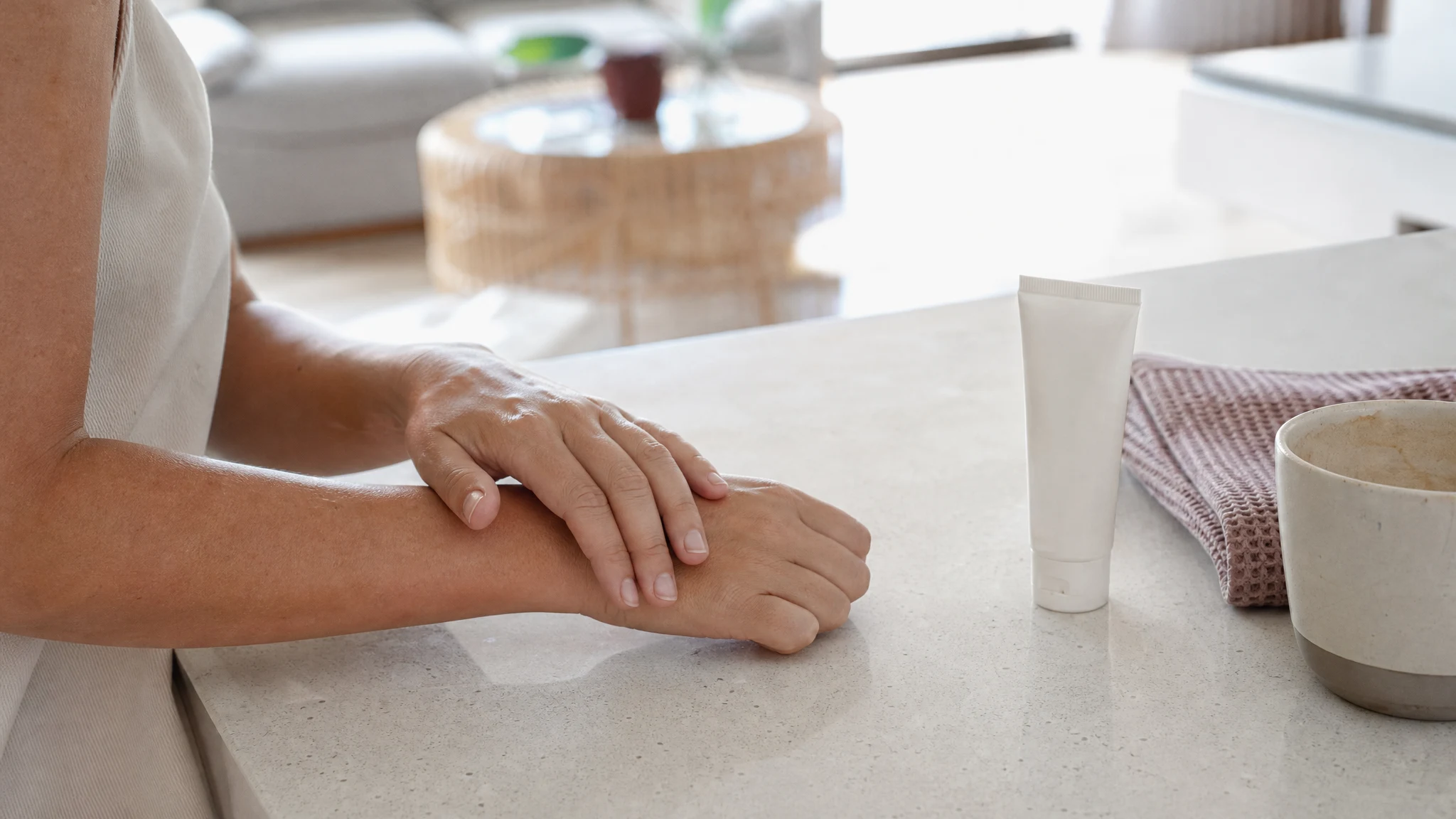
Dermatologists at the American Academy of Dermatology put it plainly. Ointments and creams add more moisture than lotions, and they suggest applying moisturiser while skin is still damp after a bath or shower. Their lists of helpful ingredients include jojoba oil, glycerin, lanolin, petrolatum and shea butter. The NHS describes the same ladder: ointments are thick and suit very dry skin and night-time use, creams soak in quickly for daytime, and lotions are the thinnest and least moisturising. Everything on those lists comes from a pharmacy, grocery store or craft supplier, since we sell one thing only, palmarosa essential oil.
The arithmetic makes the same point. For one ounce of finished product, which is 29.57 ml, a 0.5% blend uses about 0.15 ml of oil, roughly 3 drops. A 1% blend is about 6 drops and 2% about 12 (drop counts are a rough convention of about 20 drops to the millilitre, and droppers vary, so weigh if you can). At every one of those strengths, 98% or more of what touches your skin is the base.
Where palmarosa earns its place
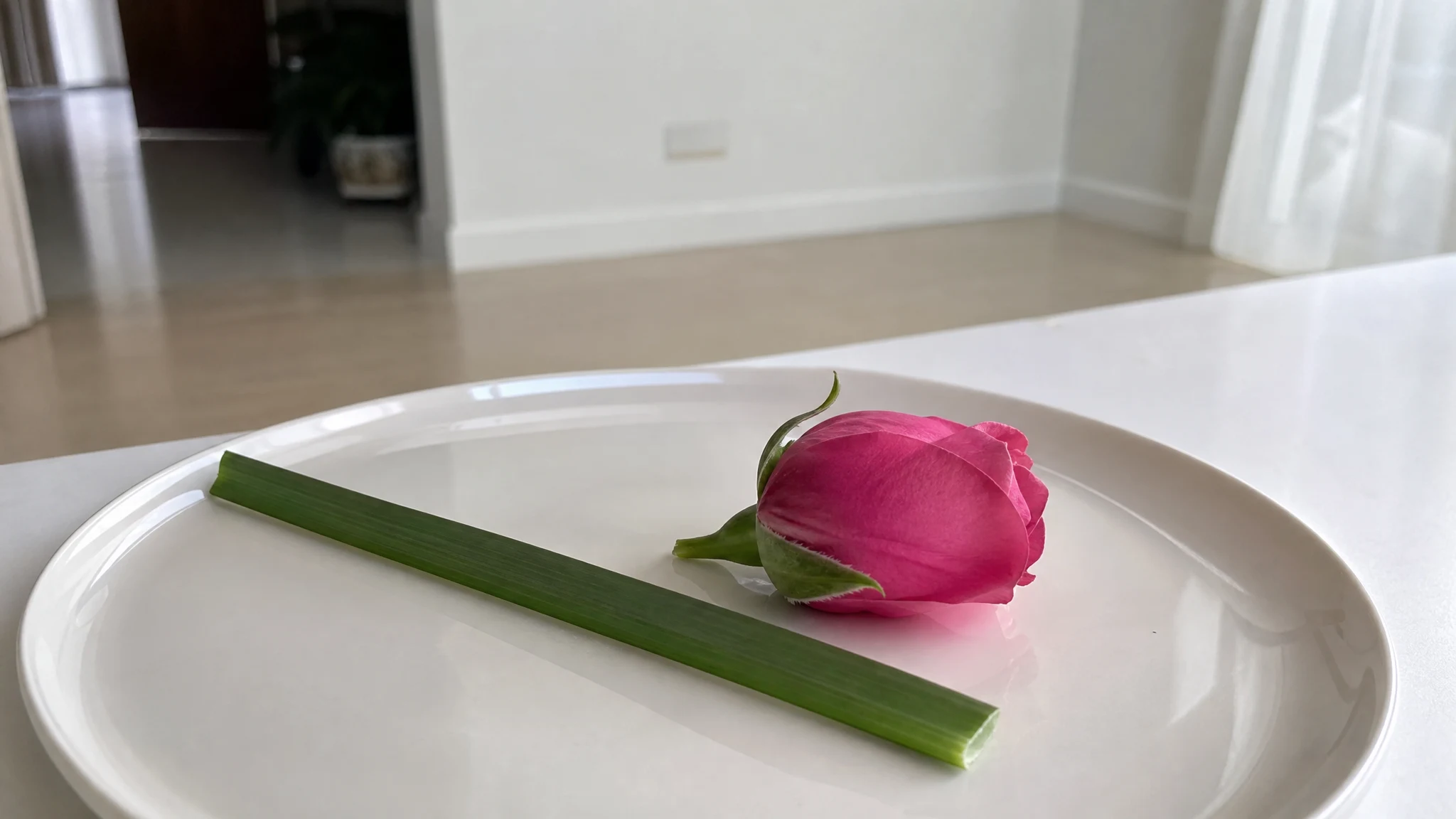
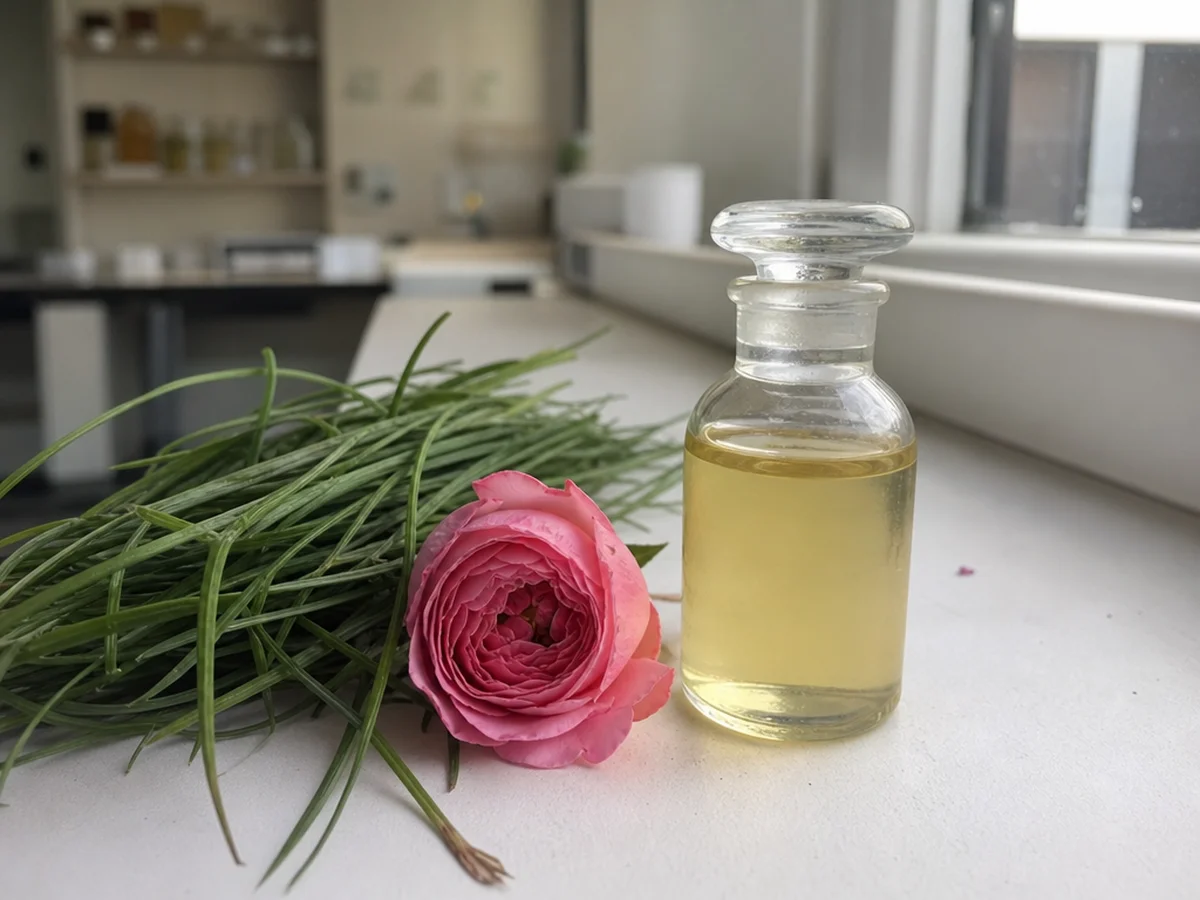
It earns it through the nose. Our palmarosa is sweet, rosy and gently green with a soft lemony hint, lighter and airier than true rose otto, and it is a middle note that behaves well in simple blends. If you are making a body cream or butter for yourself, a little of it turns an everyday jar into something you look forward to reaching for. Our body butter formula shows the weights, and our carrier oil guide covers the bases that carry scent well.
What you'll notice when you scent a jar
Warm a little of your base in the jar first, then add the palmarosa and stir slowly. The scent will seem loud for the first minute and then settle into the base, so give the jar a day before you decide it needs more. Palmarosa is a light yellow liquid with a viscosity close to water, so it mixes in easily, and its rosiness is strong enough that a heavy hand will dominate a blend. Go gently and you will keep the soft, green edge.
A sensible amount
We recommend diluting palmarosa to between 0.5% and 2% in a carrier and patch testing before wider use, but for leave-on products we start at the low end, and here is why. Palmarosa oil is rich in geraniol, which IFRA lists at a typical 82.4% for the oil. IFRA also sets a ceiling for geraniol in finished products: 0.78% in a facial moisturiser and 1.2% in a body cream, oil or lotion. Divide by 0.824 and you get a practical ceiling of roughly 0.95% palmarosa oil in a face product and 1.46% in a body product. That is our arithmetic from a typical composition, not a measurement of any bottle, but it explains why we say 2% is the top of a range, not a target. The Tisserand Institute offers similar guidance: 0.5% to 1.2% for the face and other sensitive areas, and 1% to 3% for body oils and lotions.
So a face cream scented at 0.5% and a body butter at 0.5% to 1% sit comfortably under both sets of figures. Geraniol is also one of the fragrance ingredients regulators ask brands to name on labels, which is a good reminder that scent is the optional part.
Choosing the jar you will actually reach for
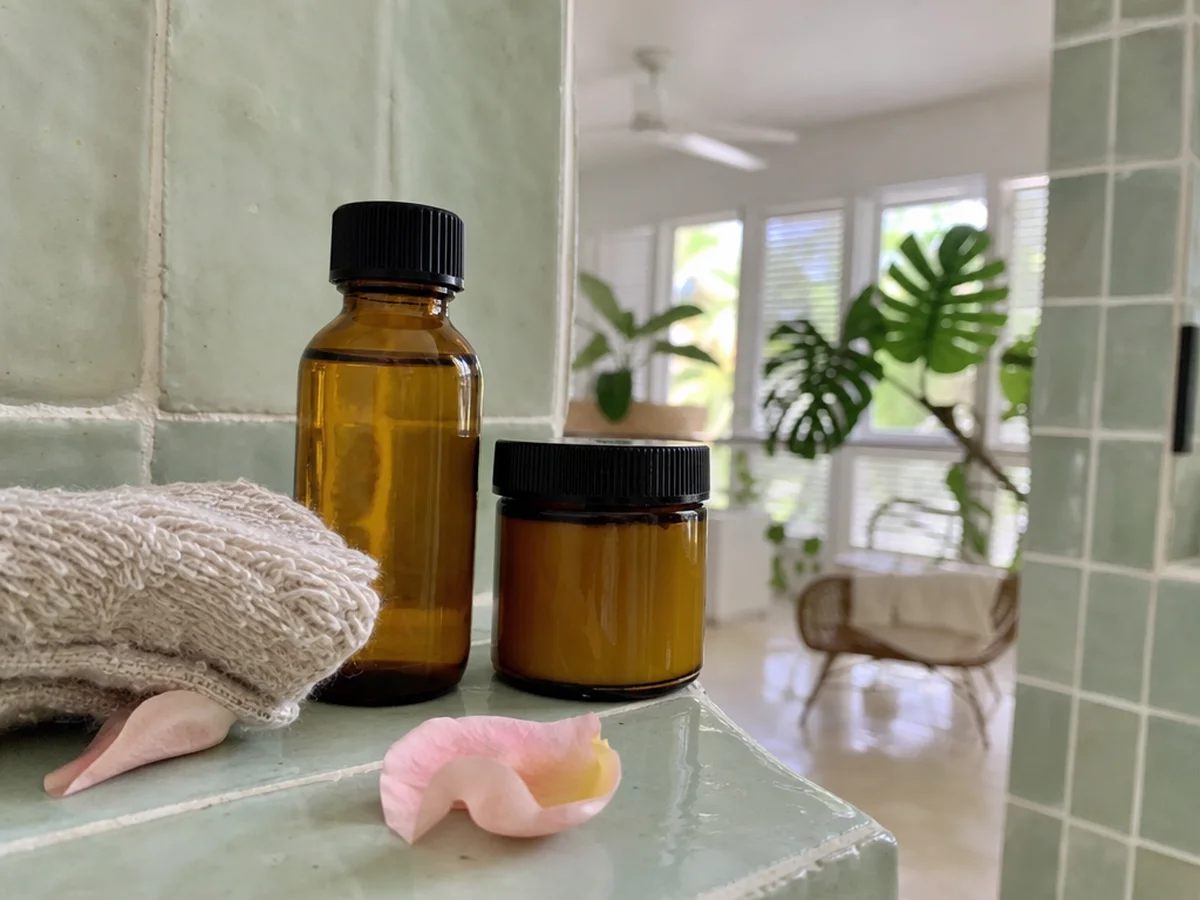
Here is a recommendation from one small-business owner to anyone mixing at the kitchen counter: put the jar where your routine already happens. Beside the sink, next to the bath, on the nightstand. A moisturiser kept in a drawer is a moisturiser that does not get used. Make a size you will finish in a reasonable time, and label it with the date and the percentage you used so the next batch can improve on the last.
When to leave the scent out
The AAD recommends products labelled fragrance-free for dry, sensitive skin, and notes that "unscented" can mean masking chemicals have been added. If your skin is cracked, stinging or has been recently irritated, the best version of your moisturiser is the plain one. Keep palmarosa for skin that is calm, patch test on the inside of your forearm first, and put the scented version on a day when you are not experimenting with anything else. Skin that stays dry and sore despite regular moisturising deserves a visit to a pharmacist or a doctor, who can tell you what it needs.
Two further habits matter more than any oil: moisturise within a few minutes of washing, and moisturise often. The NHS suggests whenever skin feels dry or tight, ideally three or four times a day. A cream you enjoy using gets used, and that is where a lovely scent genuinely helps. For blending ratios across skin types, our dilution chart gives the numbers, and the patch testing guide walks through the forearm check.
A good base, a whisper of rose, and a jar you actually reach for: that is the whole recipe.
If you are scenting a jar as a gift, keep it simple: one base, one oil, one clear label. Simple recipes are easier to repeat, and a rose-leaning jar needs nothing else to feel special.
Palmarosa Essential Oil
Palmarosa Essential Oil from our own shop, in sizes from 0.5 oz to bulk.
From $10.99
Shop Now →