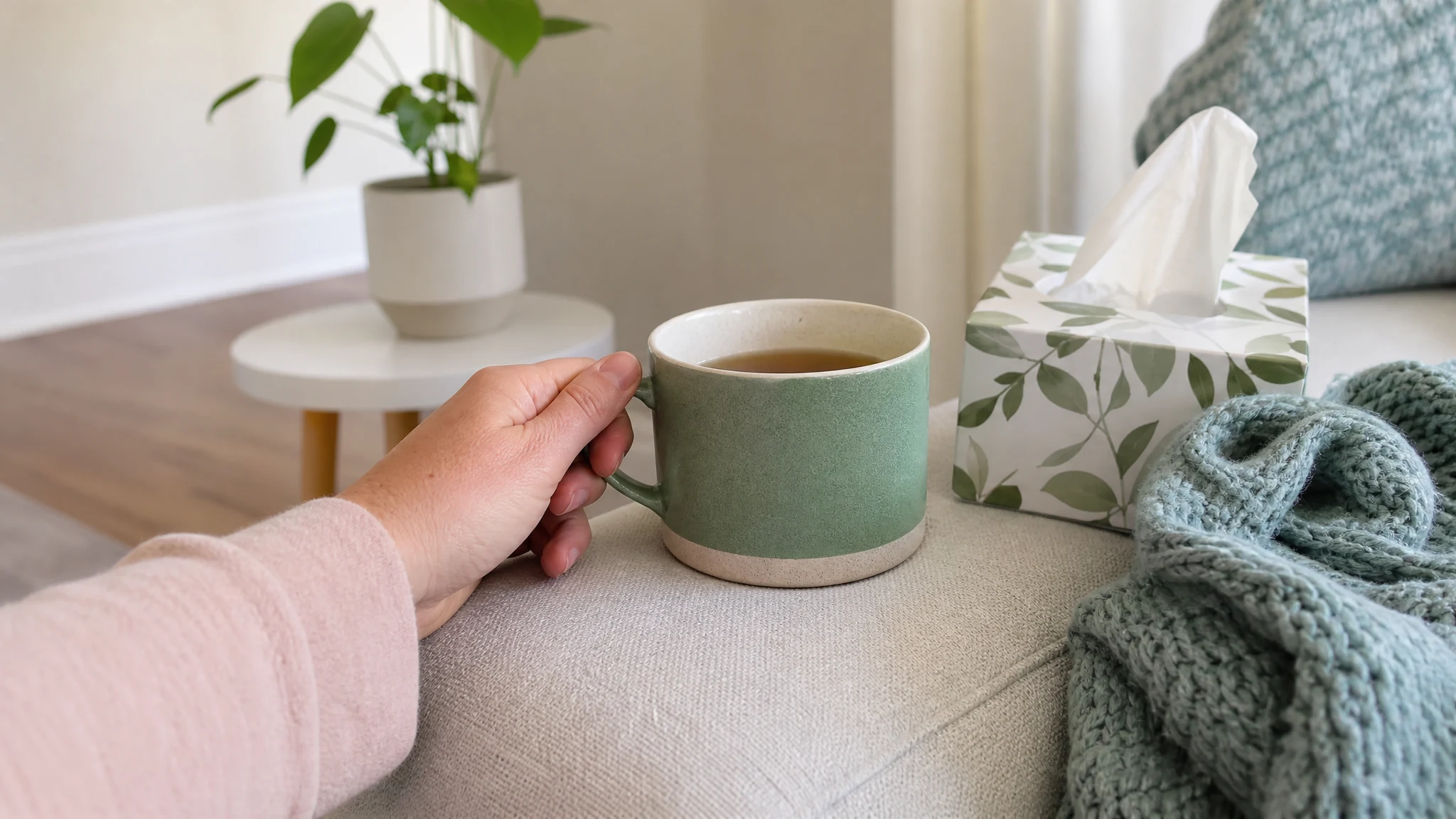
Palmarosa Oil for a Cold? Why We Skip the Steam Bowl
A blocked nose has a way of making a bowl of steaming water and a few drops of oil sound like a good idea. It is worth knowing what is actually known about each half of that picture before you try it, and why we do not suggest putting palmarosa oil in hot water for a cold. We sell a cosmetic oil for its aroma, not a cold remedy, and nothing here is medical advice.
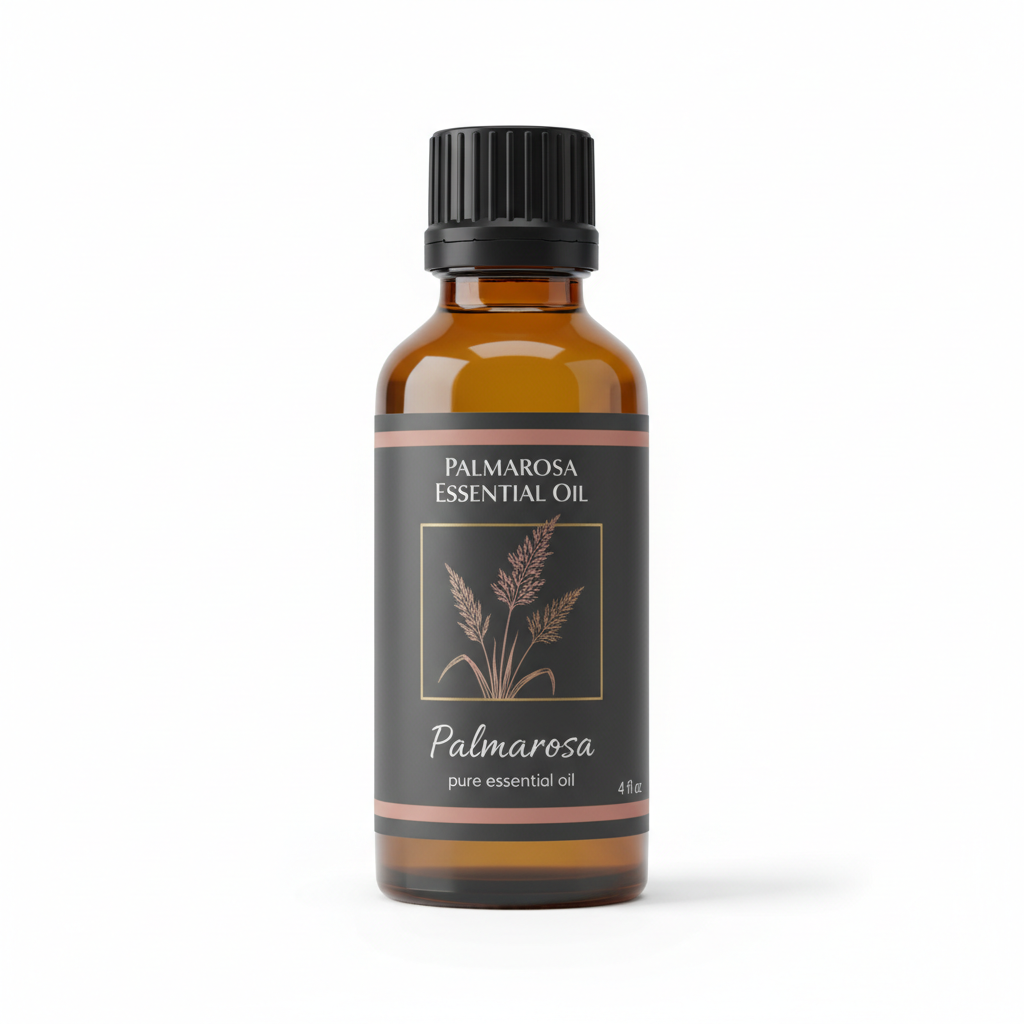
Palmarosa Essential Oil
Our own Palmarosa Essential Oil, in sizes from 0.5 oz to bulk.
From $10.99
Shop Now →The steam is the risky part
The NHS says breathing in steam may ease a blocked nose, and its suggestion is to sit in a bathroom with a hot shower running. It also says not to let children breathe steam from a bowl of hot water because of the risk of scalding (NHS, Common cold). A bowl of hot water is the hazard, whatever is floating in it, and that is why we do not suggest steam inhalation with the oil.
Why the idea is so tempting
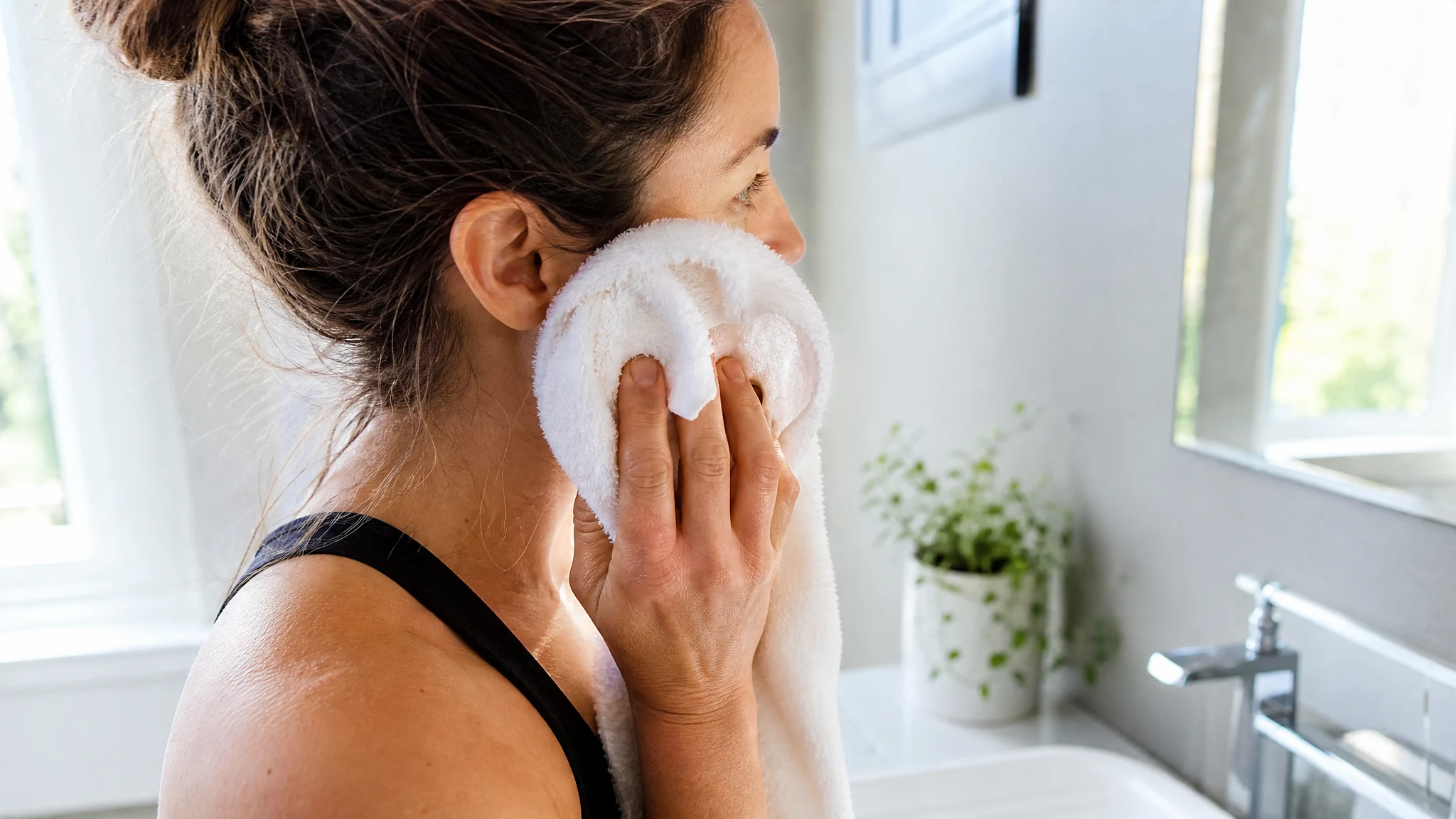
The pull is easy to understand. A cold makes the world feel muffled, and a warm bowl, a towel over the head and the smell of something green and rosy feels like doing something about it. The ritual itself is comforting, and we are not here to take that away. The catch is that the comfort and the hazard arrive together, and the hazard is the hot water. If you want the cosy feeling, you can have all of it without the bowl.
What the research on warm, moist air found
A Cochrane review looked at heated, humidified air for the common cold. It pooled six trials with 387 participants in all, and graded the evidence low because the trials disagreed with one another. One analysis suggested relief from symptoms and another found no significant difference, and the reviewers concluded the evidence does not show benefit or harm. Their conclusion refers to a specific device, not to essential oils (Singh et al., Heated, humidified air for the common cold).
That is a useful reality check. Even for warm moist air by itself, the honest answer is that nobody can say yet. Adding oil to the water gives no extra information, because the oil was not what those trials tested.
What laboratory work on palmarosa shows
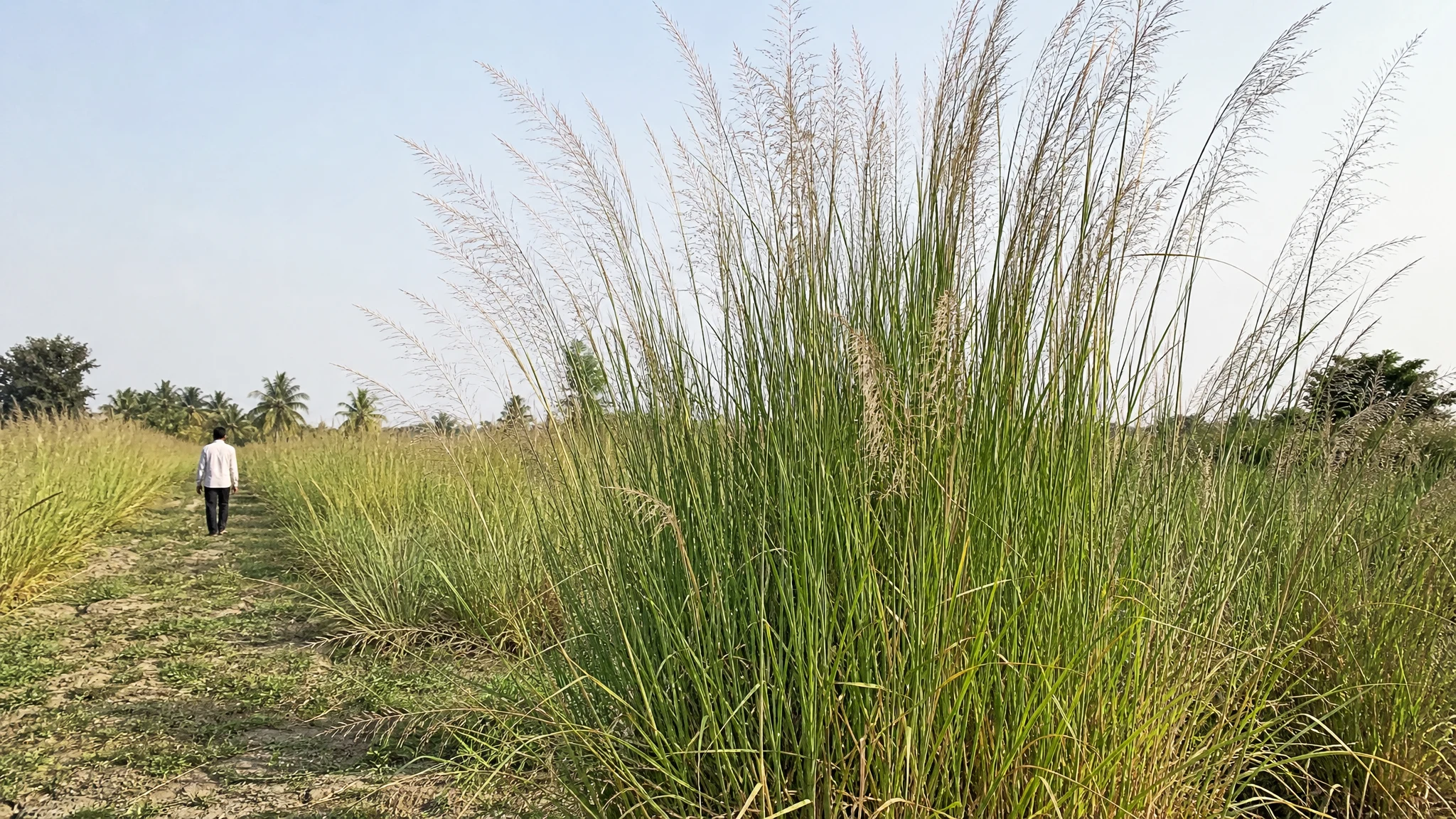
Palmarosa has been studied in the lab, and the work is interesting. A 2025 paper tested palmarosa oil and its main component geraniol against bacteria taken from skin, soft tissue and respiratory samples. The oil stopped some of the Streptococcus strains at 125 to 250 micrograms per millilitre, with higher concentrations needed for other species (Cebollada et al., Antibacterial Activity of Palmarosa (Cymbopogon martini (Roxb.) Will.Watson) Essential Oil and Geraniol Against Clinical Isolates from Respiratory, Skin, and Soft Tissue Infections).
It helps to be clear about what that does and does not cover. The test was on bacteria in a dish, and a cold is caused by a virus. The study is about bacteria, so we would not stretch it to cover a cold.
How we would use the oil instead
As a fragrance. Palmarosa is sweet, rosy and gently green, and a diffuser in a well-ventilated room is a pleasant way to enjoy it. Our diffuser article covers sensible run times. A few practical points apply whenever there is a cold in the house:
- Keep the oil away from the face of a sick child, and keep it where children and pets cannot reach it. Our article on children goes into more detail.
- Never take it internally.
- If anyone in the home has asthma or another breathing condition, ask their doctor before diffusing anything.
Our FAQ collects the other basics.
A small scent routine for a gloomy afternoon
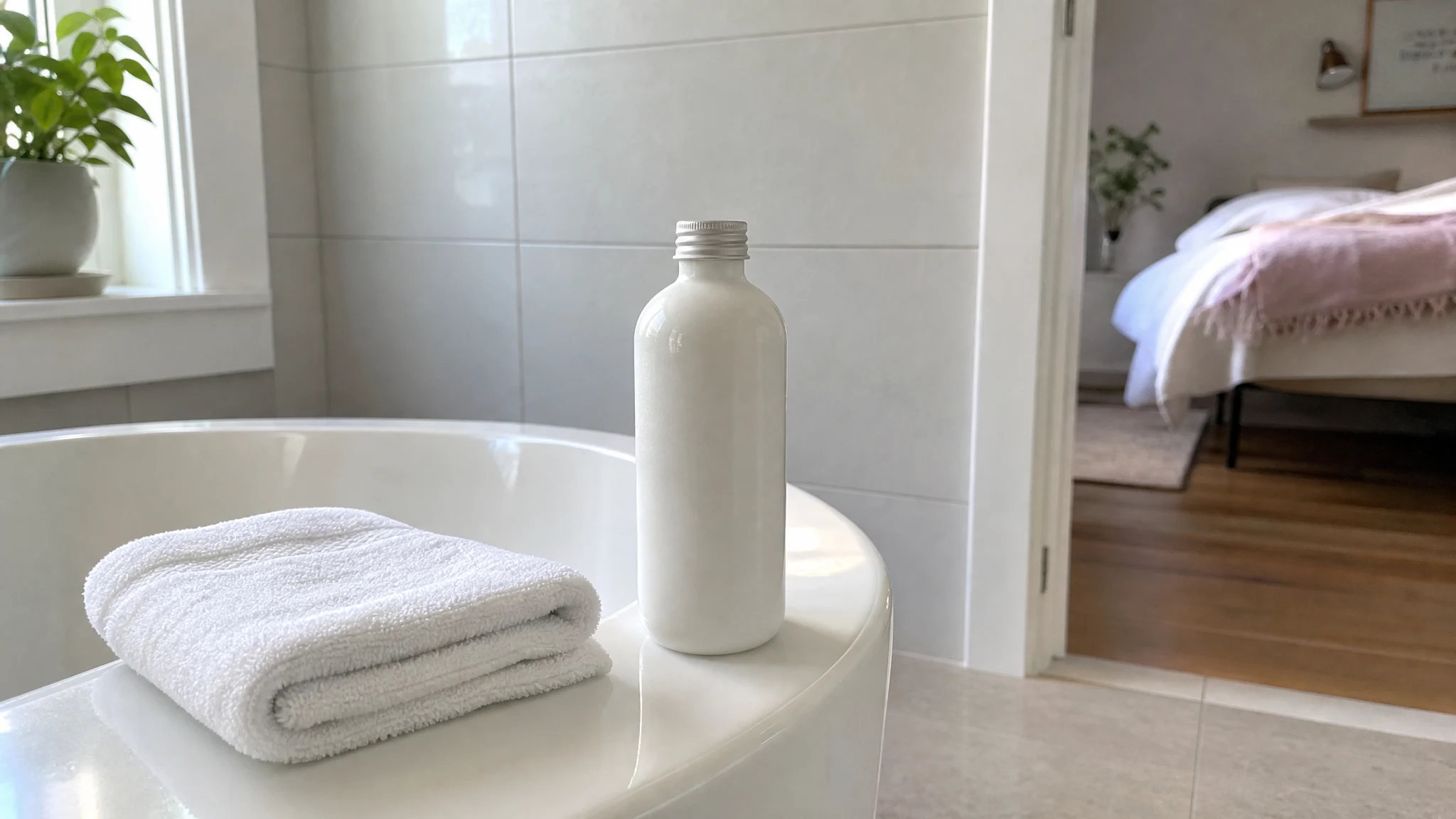
Open the bottle and take one slow sniff first: sweet, rosy, gently green, with a soft lemony hint. It is a light yellow liquid that pours almost like water, so a single drop goes a long way and you can always add a second. Put it in a diffuser in a room with a window open a crack, and let it run for a short spell rather than all day. If the smell starts to feel like too much, that is your cue to switch it off and air the room. Your nose is a very good guide here.
When to call someone
For the cold itself, the NHS suggests rest, plenty of fluids and asking a pharmacist about medicines such as paracetamol or ibuprofen. It lists reasons to see a GP: a high temperature for more than three days, symptoms that get worse or do not improve after 10 days, shortness of breath or chest pain, a cough lasting more than three weeks, worry about a child's symptoms, or a cold alongside a long-term condition or a weakened immune system. Those are the signs to act on rather than waiting for a scent to help.
A rosy-smelling room is a fine comfort when you are under the weather. The care you need for the cold itself comes from rest, fluids and the right professional.
Keep a glass of water, a box of tissues and a window you can open within reach, and let the oil be the small, pleasant thing on the shelf rather than the thing you are counting on. That is how we like to think about palmarosa: a lovely scent for a quiet afternoon, with the real care left to rest and the right professional.
Palmarosa Essential Oil
Palmarosa Essential Oil from our own shop, in sizes from 0.5 oz to bulk.
From $10.99
Shop Now →Sources & Further Reading
- NHS. Common cold
- Singh M, Singh M, Jaiswal N, Chauhan A, 2017. Heated, humidified air for the common cold. Cochrane Database Syst Rev
- Cebollada P, Alvarado E, Seral C, López V, 2025. Antibacterial Activity of Palmarosa (Cymbopogon martini (Roxb.) Will.Watson) Essential Oil and Geraniol Against Clinical Isolates from Respiratory, Skin, and Soft Tissue Infections. Pharmaceutics