Palmarosa Oil FAQ: Scent, Dilution, Storage and More
A bottle of palmarosa raises the same handful of questions again and again: is it like rose, how much goes on skin, how long does it keep. Here are plain answers, with the sources behind the numbers. We sell one palmarosa oil, Cymbopogon martinii, sold neat, and we make no medical claims for it.
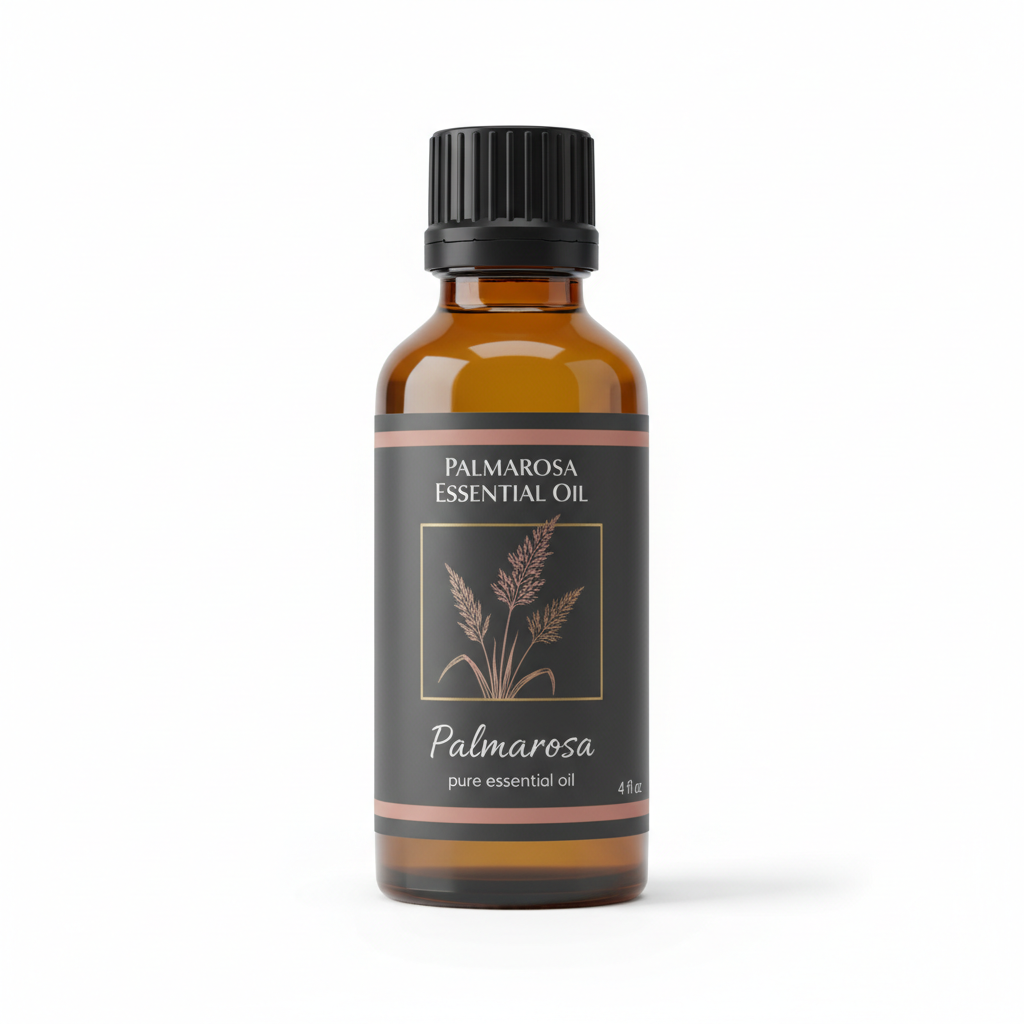
Palmarosa Essential Oil
Our own Palmarosa Essential Oil, in sizes from 0.5 oz to bulk.
From $10.99
Shop Now →Is palmarosa the same as rose or geranium?
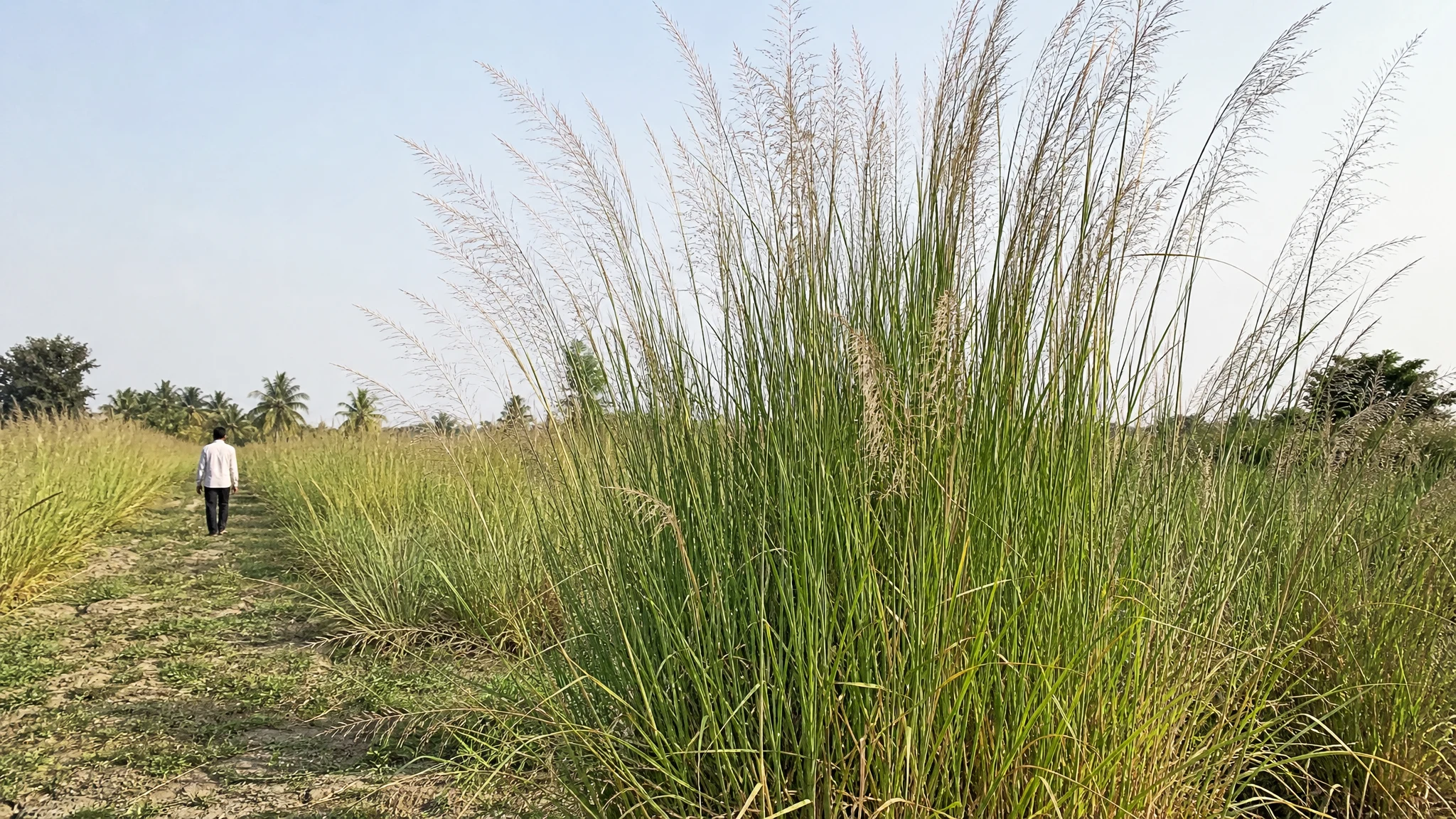
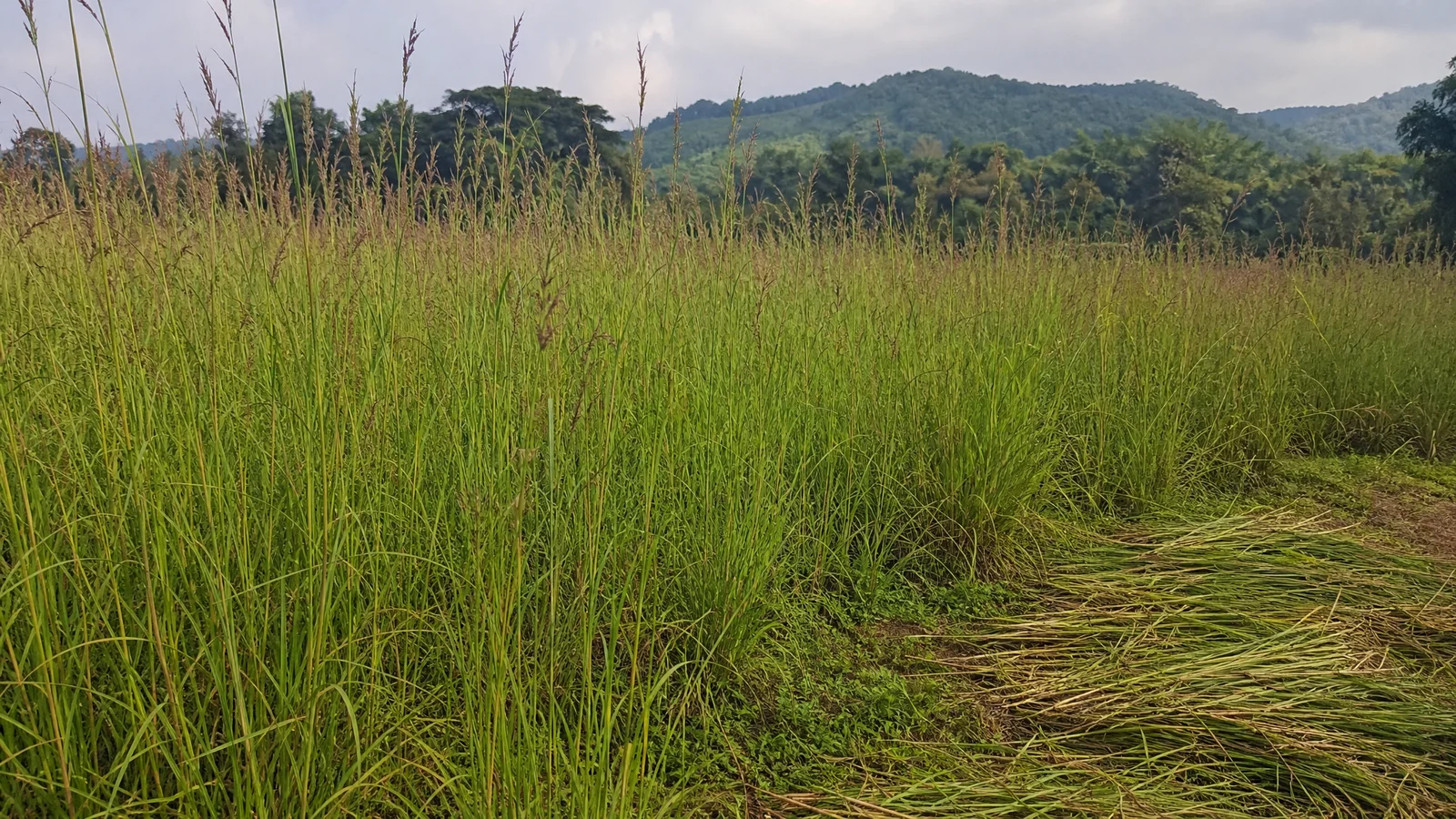
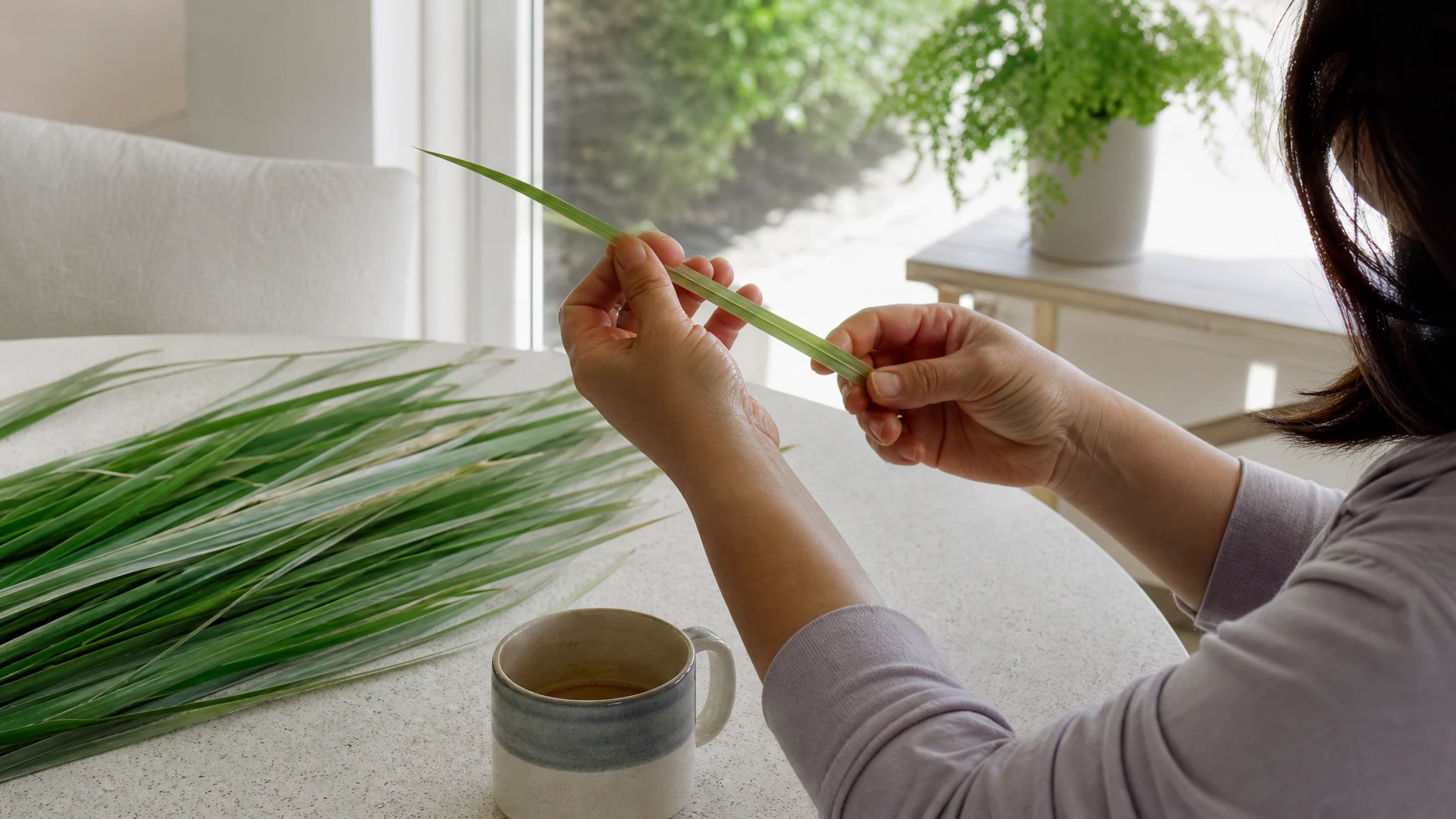
Not quite, though they share a perfumer's neighbourhood. Palmarosa is a tall grass, and the fragrance industry's reference composition has it at about 82% geraniol. Rose oil is about 18% geraniol with plenty of citronellol, and geranium oil is about 18% geraniol too (IFRA annex on contributions from other sources, 51st Amendment, 2023). Our shop describes palmarosa as sweet, rosy and gently green with a soft lemony hint, lighter and airier than true rose otto. Our rose comparison goes deeper.
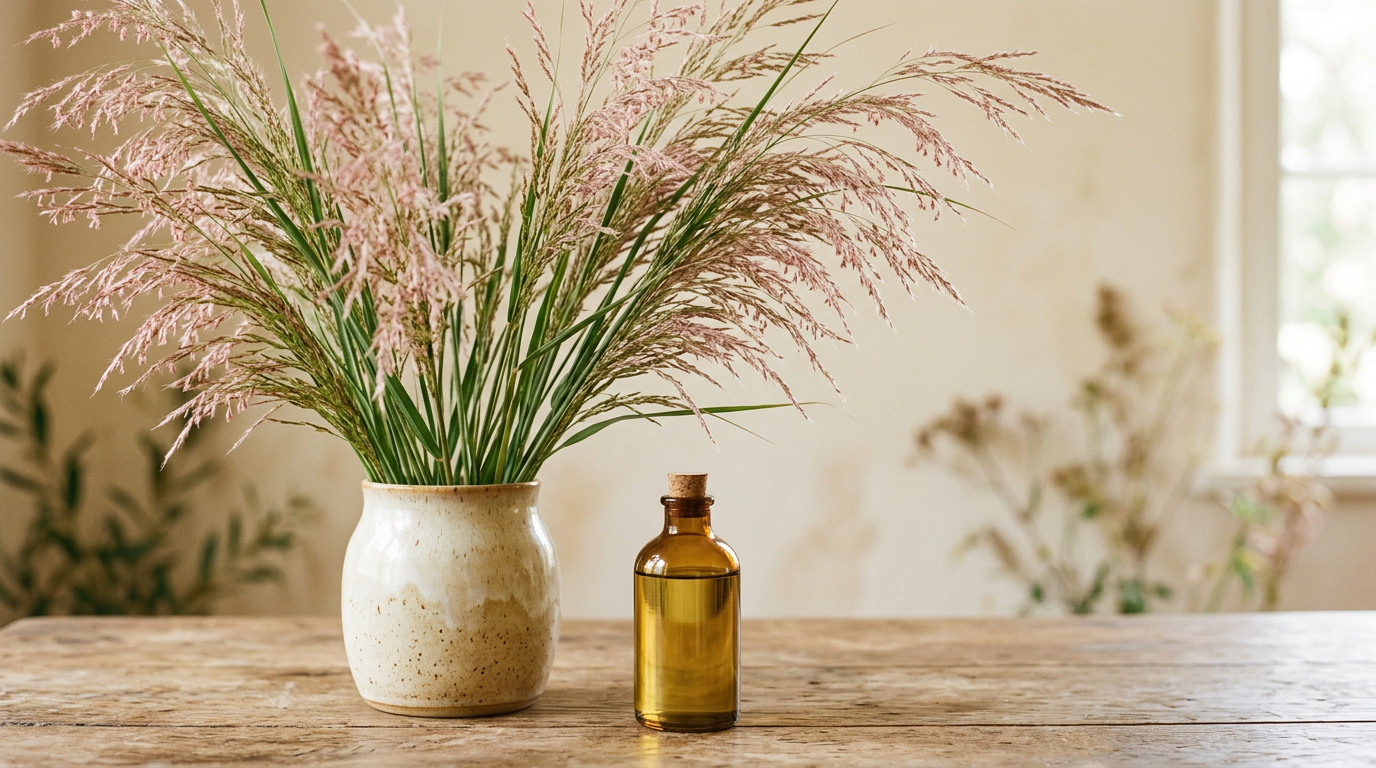
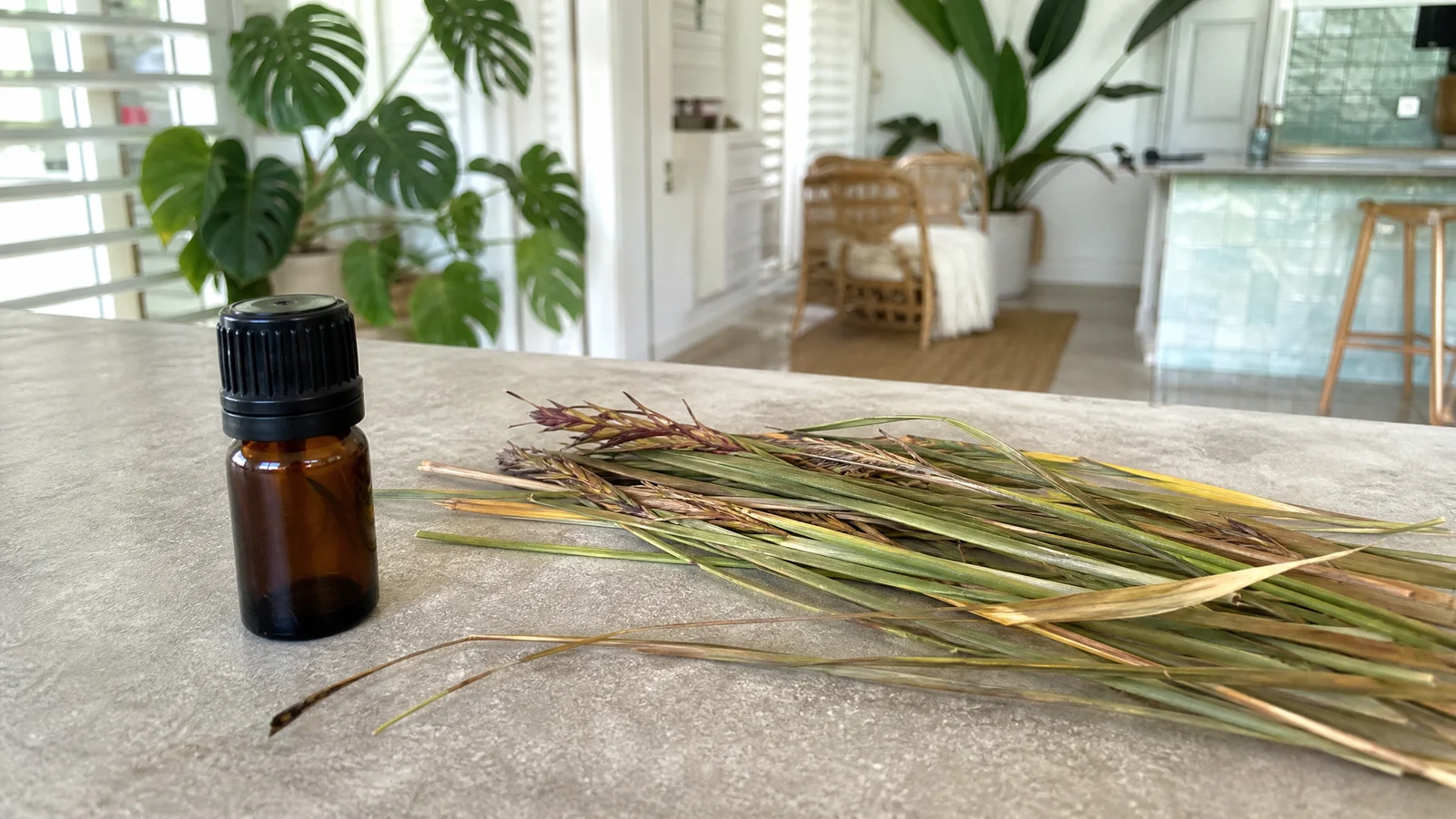
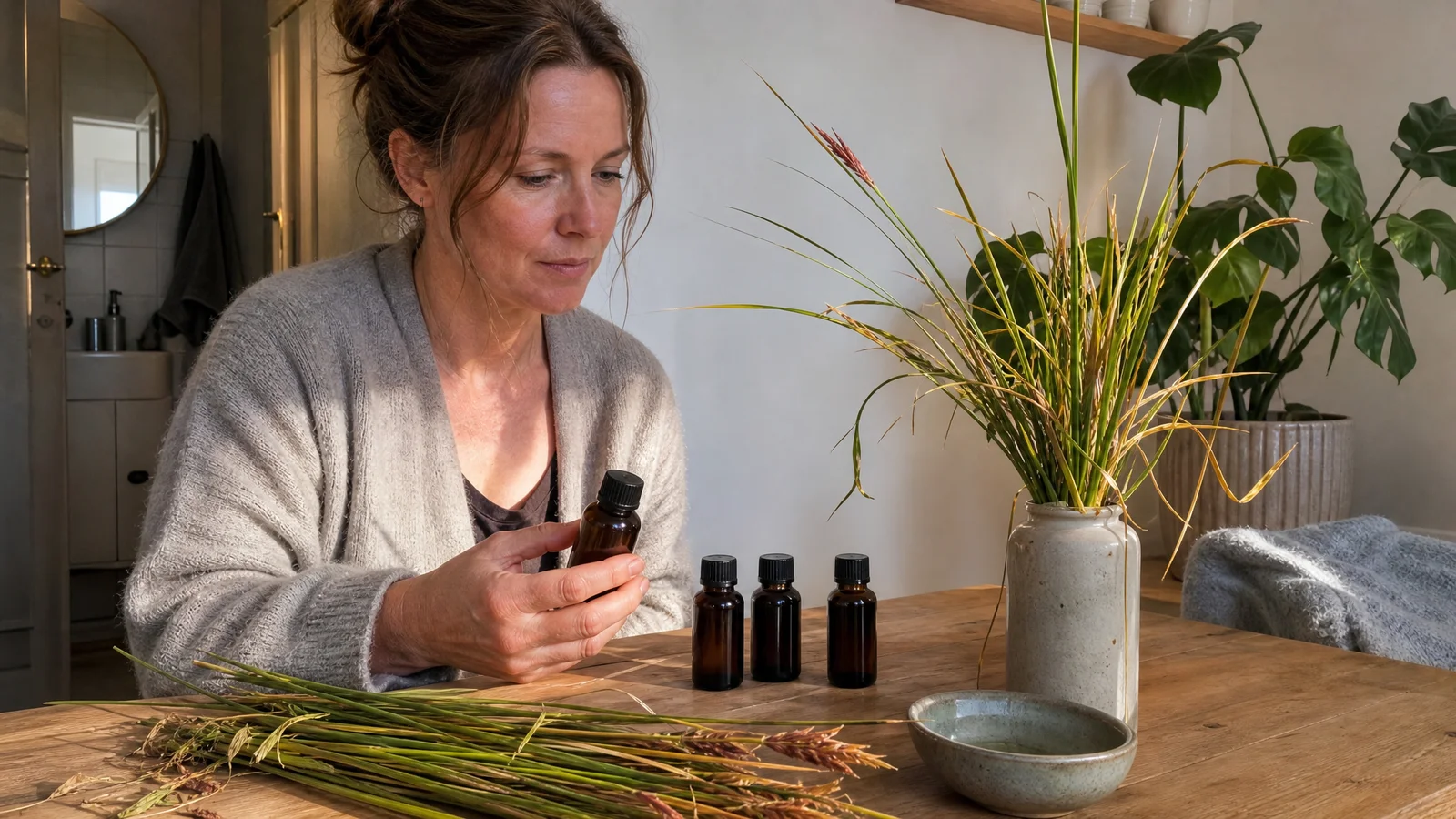
If you want to learn the scent for yourself, smell it on a paper strip rather than straight from the neck of the bottle. You'll notice the rosy sweetness first, then a green, grassy edge, and a faint lemony hint trailing behind. It is a light yellow liquid that pours almost like water, so tip the bottle gently.
What is in it?
Mostly geraniol, with smaller amounts of geranyl acetate and linalool. The proportions shift with the plant and the distillation. The Certificate of Analysis we publish is for one batch and reports density (0.888), refractive index (1.473) and optical rotation (+0.12 degrees), each inside the printed range, with appearance and smell complying. If you need constituent data such as GC-MS, ask us in writing through the contact page before ordering.
How much on skin?
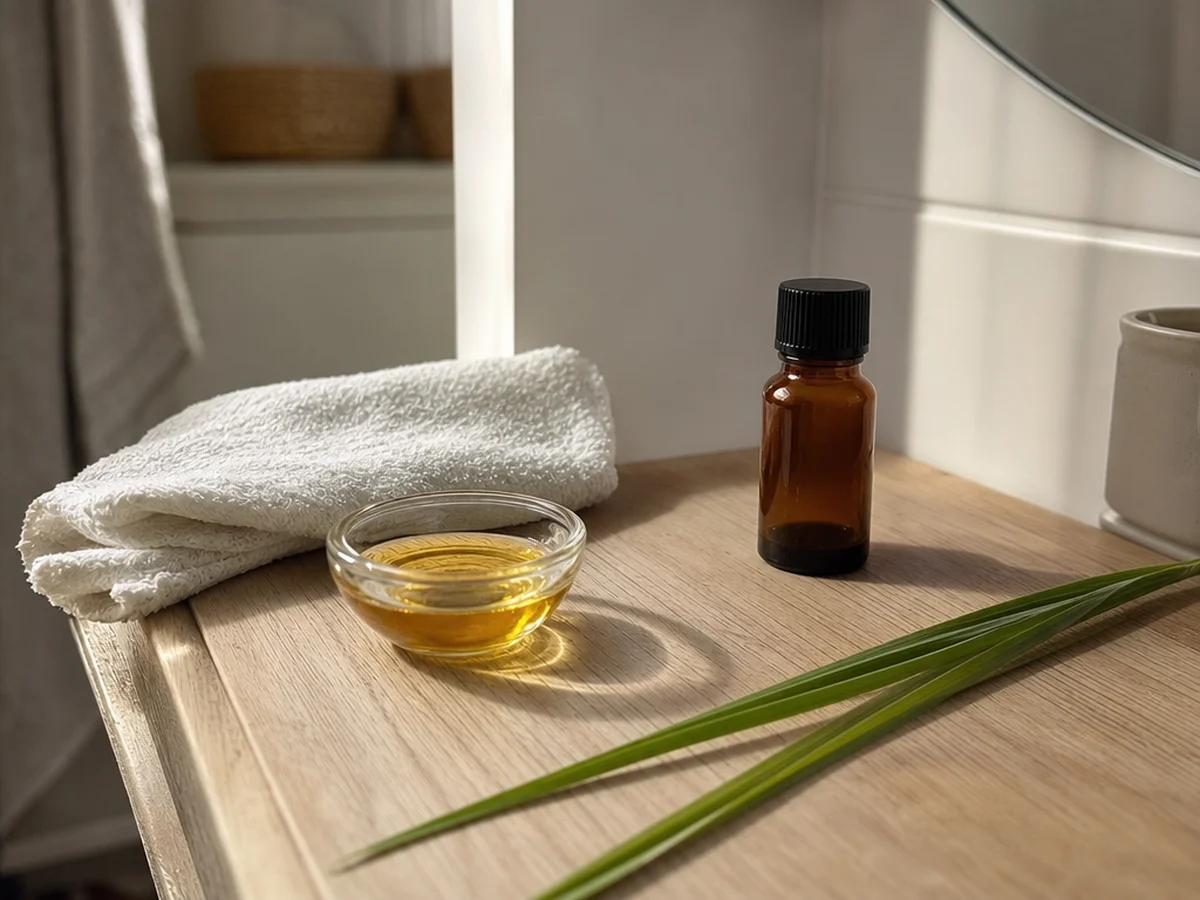
Our guidance is 0.5% to 2% in a carrier oil, patch test first, and the lower end for the face. The fragrance industry's geraniol standard is stricter for some products: 0.78% geraniol in face moisturizers and 1.2% in body creams, oils and lotions (IFRA Standard, Geraniol, 2023 (Amendment 51)). Dividing by 82% geraniol suggests ceilings of about 0.95% palmarosa on the face and 1.46% on the body, our arithmetic from a typical composition. That is why we start at the low end, around 0.5%, and don't treat 2% as a safe default. The dilution chart has the conversions.
Can it be swallowed?
No. It is an external, scent and skincare material, and our guidance is never to take it internally. The reasons are in our ingestion post.
What about children, pregnancy and pets?
Keep the oil away from children and pets, which is our standing guidance. The Tisserand Institute says essential oils should be sold in bottles with child-proof caps and kept where young children cannot reach them (How to Use Essential Oils Safely). For pregnancy, an obstetrician or midwife is the right person to ask, and for an animal that has licked or swallowed oil, call a veterinarian or poison line. Our posts on pregnancy, children and pets collect what authorities publish.
How long does a bottle last?
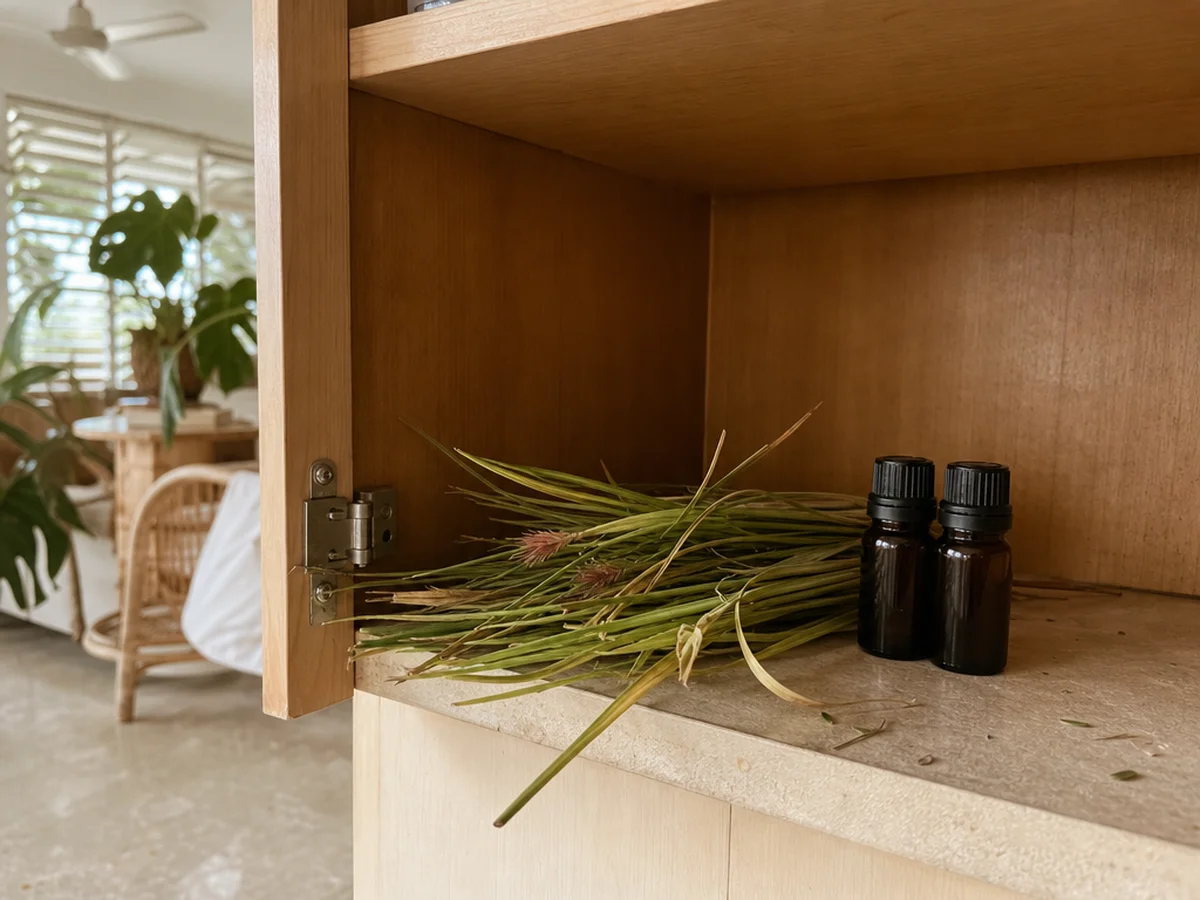
We say typically two to three years when kept tightly capped, out of direct light and away from heat. Age matters for more than aroma. A laboratory study found that geraniol exposed to air oxidizes and forms compounds with a stronger allergenic effect than geraniol itself in a mouse assay (Fragrance compound geraniol forms contact allergens on air exposure. Identification and quantification of oxidation products and effect on skin sensitization). That tested geraniol rather than whole palmarosa oil, so applying it to an old bottle is our reasoning, but it is a good reason to keep the cap tight and to retire a bottle whose smell or colour has changed.
A simple habit helps: write the date you opened the bottle on the label with a marker, and keep it in a cupboard rather than on a sunny windowsill. Close the cap as soon as you have poured, because that is the quickest thing you can do to look after it.
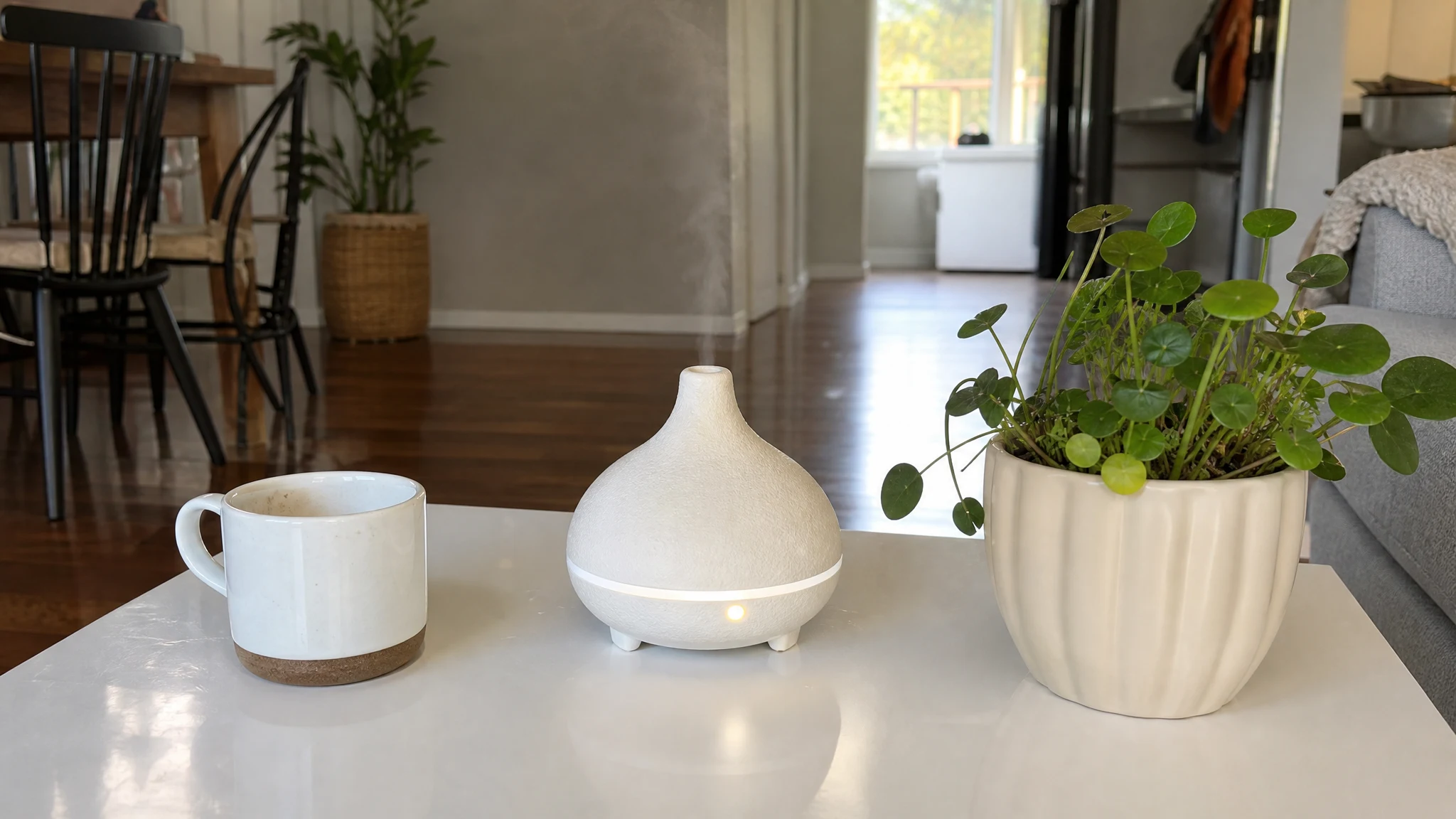
Can I use it in a diffuser?
Yes, for the aroma. The Tisserand Institute suggests diffusing for 30 to 60 minutes on, then 30 to 60 minutes off (How to Use Essential Oils Safely). Keep fresh air moving in the room, and if you have asthma, check with your doctor first. Our diffuser post has more.
Start with fewer drops than you think you need. Palmarosa is bright, and a room does not need to announce it. If you walk back in from another room and catch it gently, that is about right.
What sizes do you sell?
We sell from a 0.5 oz bottle up to a 400 lb drum, and the shop page shows what is currently available. If you want a sample before committing to a larger size, our wholesale page explains how to ask.
Does the label tell me everything?
A label is a starting point. The species name alone doesn't settle the chemistry, because gingergrass is a close botanical relative with a very different profile, and IFRA lists it as its own entry at just 0.04% geraniol. Our label guide covers what to look for, and if you have questions about our own oil, the contact page reaches us.
For anything that needs a professional's judgment, such as a skin condition, pregnancy or a sick animal, a dermatologist, midwife or veterinarian is the right call.
Have a question that is not answered here? Ask us through the contact page, and we will gladly point you to the right post.
Palmarosa Essential Oil
Palmarosa Essential Oil from our own shop, in sizes from 0.5 oz to bulk.
From $10.99
Shop Now →Sources & Further Reading
- IFRA, 2023. Annex on contributions from other sources to the IFRA Standards, 51st Amendment. ifra-51st-amendment-annex.xlsx
- IFRA Standard, Geraniol, 2023 (Amendment 51). IFRA_STD_037.pdf
- Tisserand Institute. How to Use Essential Oils Safely. tisserandinstitute.org/safety/safety-guidelines
- Hagvall L, et al., 2007. Fragrance compound geraniol forms contact allergens on air exposure. Identification and quantification of oxidation products and effect on skin sensitization. Chem Res Toxicol 20(5). Europe PMC, PMID 17428070