Palmarosa Oil Sellers Compared: Questions That Matter
Everyone asks whether a big-name palmarosa oil beats an independent one, and the honest answer is that nobody has measured it. What a buyer can measure is how much a seller will show them in writing about the lot they are about to receive. That is a much more useful way to shop, and it works on us as well as on anyone else.
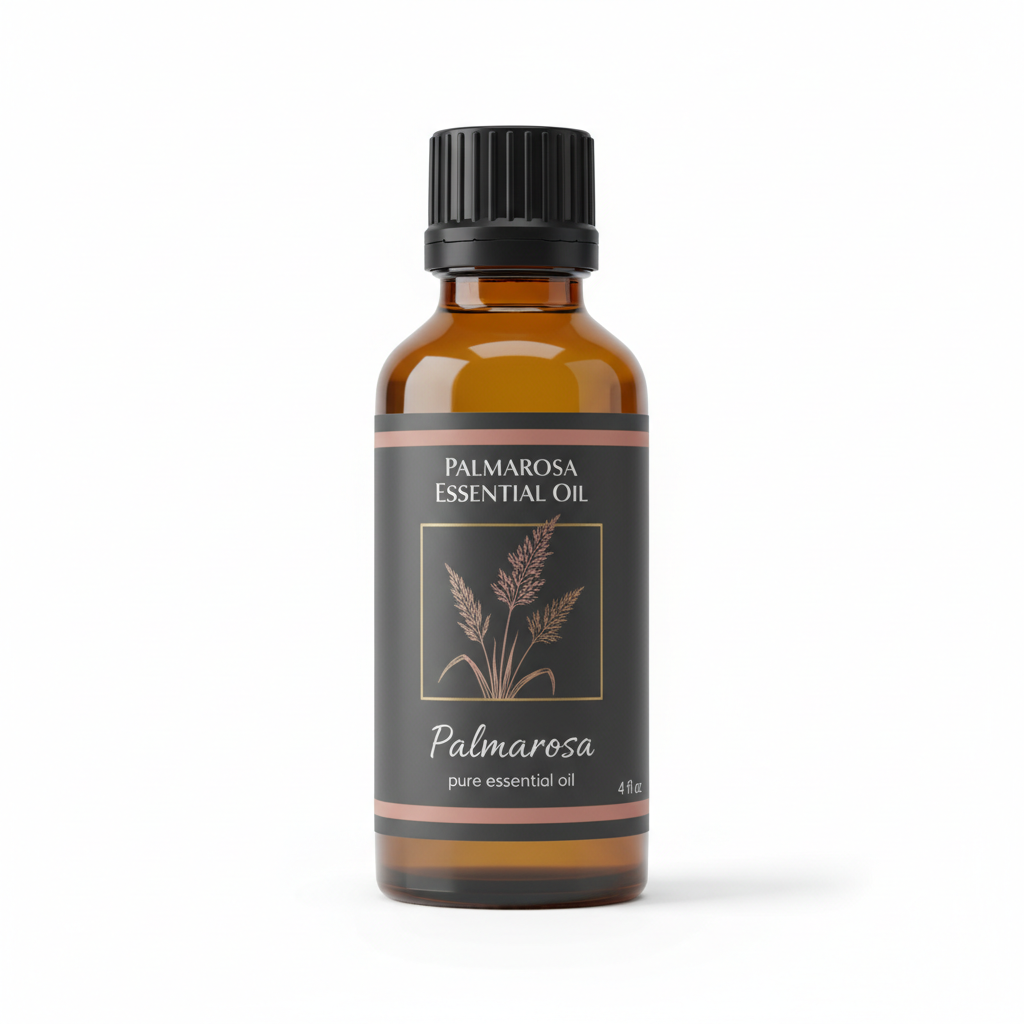
Palmarosa Essential Oil
Our own Palmarosa Essential Oil, in sizes from 0.5 oz to bulk.
From $10.99
Shop Now →Size of the label tells you very little
The closest study we can point to bought 31 neroli, mandarin and bergamot oils online and compared them with the ISO chromatographic standards. More than 45% failed, and more than 19% had been cut with solvents or vegetable oil. The authors still concluded that simply buying the most expensive oil does not solve the matter (Pierson, Fernandez and Antoniotti, 2021). They did not test palmarosa, and they did not split their samples by company size, so it would be a stretch to say a famous label is better or worse. What the study does show is that a price or a logo is a weak stand-in for evidence.
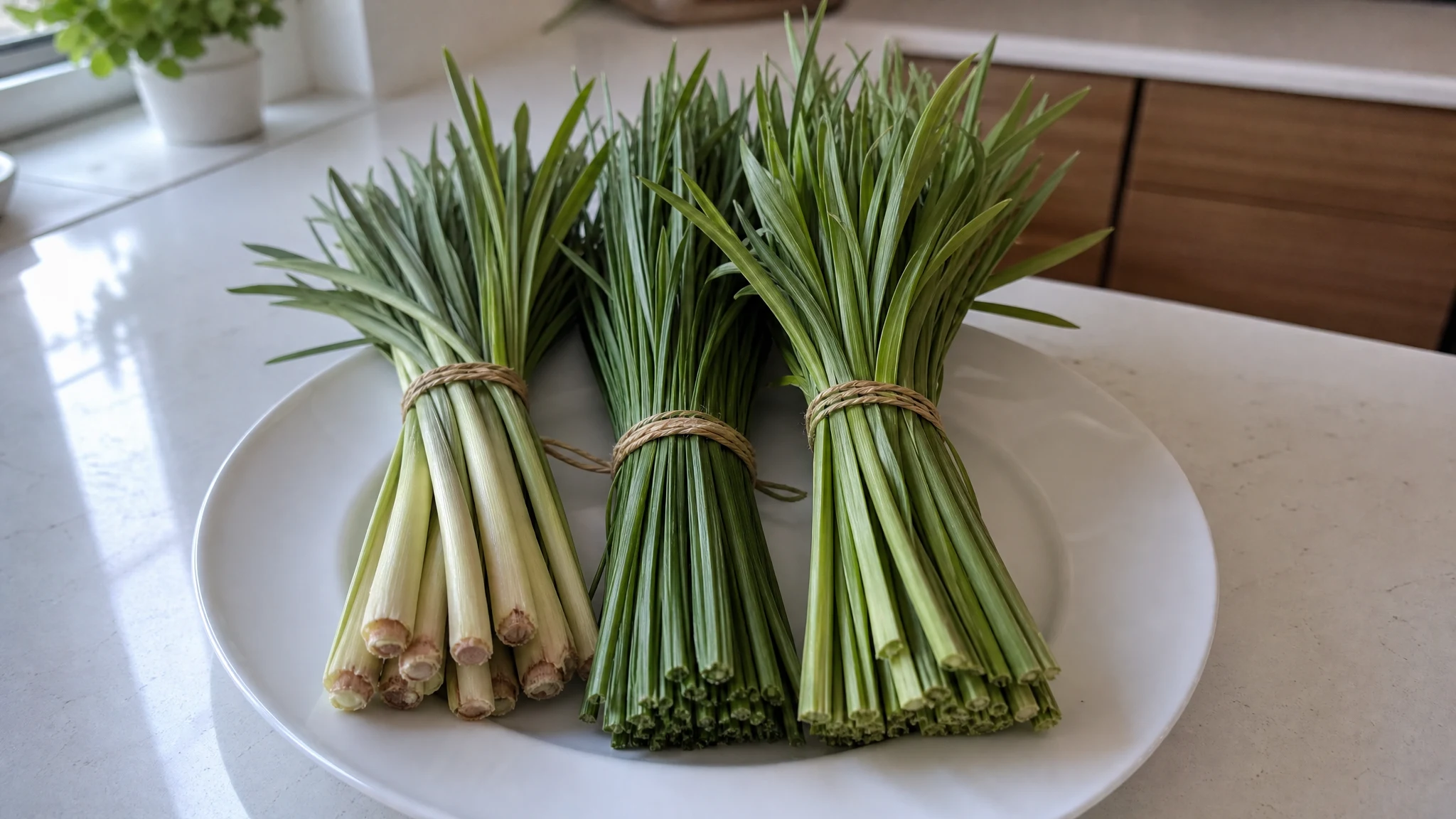
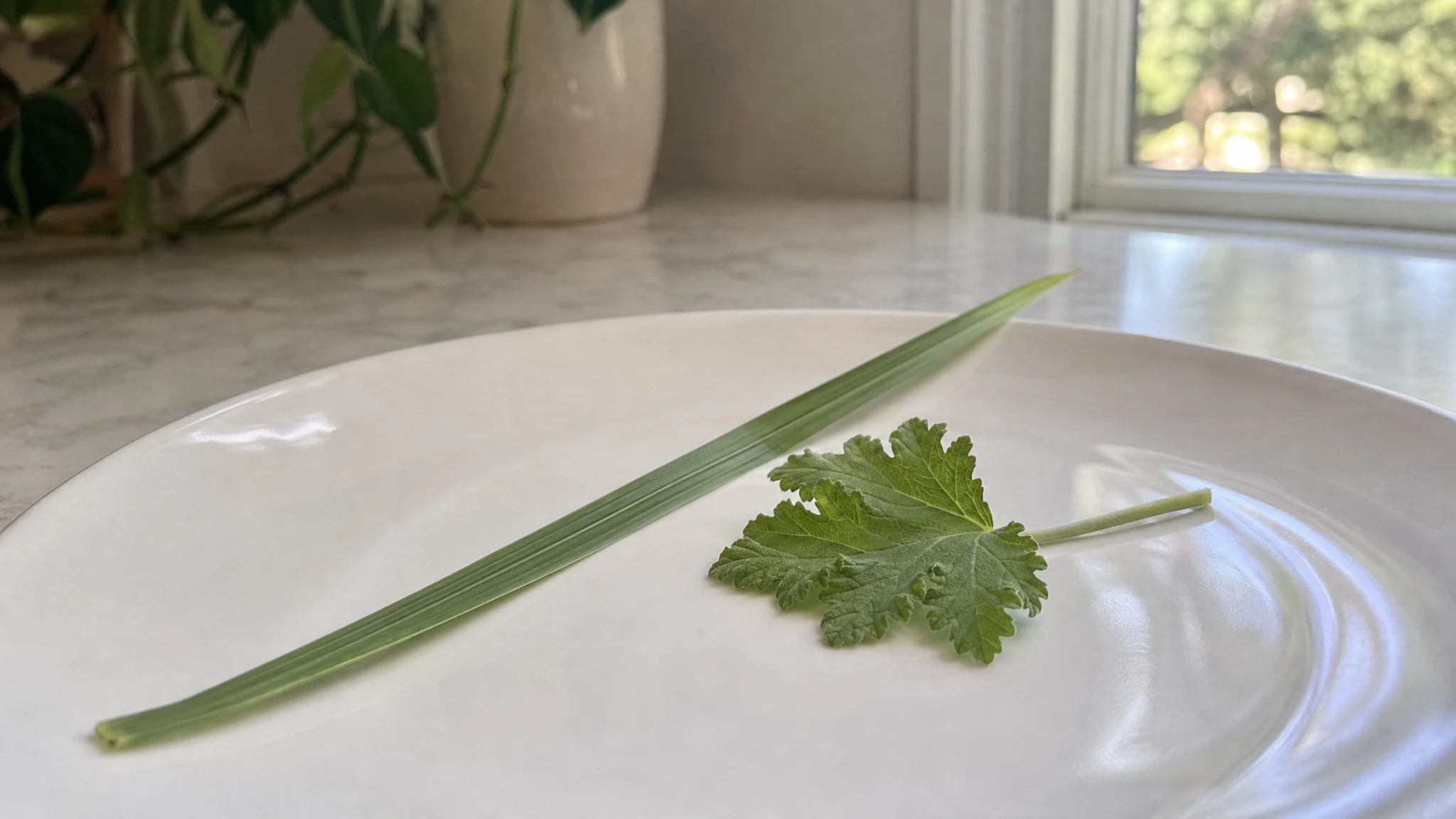
Palmarosa makes the point sharply, because the name covers more than one material. The same species, Cymbopogon martinii, includes the geraniol-rich palmarosa and the variety called gingergrass, and published samples under that one species name differ a great deal. Our label-reading article walks through why, so we will not repeat it here.
Four questions that sort sellers quickly
Whoever you buy from, these four questions separate a seller who is documenting from one who is describing.

- What exactly is the oil called? Look for the botanical name and, better, the CAS number, so you know which material the seller means.
- Which bottle does the paperwork describe? A certificate tied to a lot number tells you more than a general specification, and a best-by date tells you more when it is tied to that lot.
- What did the lab actually measure? Density and refractive index are useful first checks. A gas chromatography report, which lists the constituents and their percentages, tells you much more.
- Who answers when you ask? A seller who replies in writing, with specifics, is giving you something a product page cannot.
It is worth glancing at the claims too. The FDA decides whether a product is a cosmetic or a drug by how it is marketed, and it says a scent promoted to help someone sleep meets the drug definition, while a fragrance sold as a fragrance is a cosmetic (FDA). A listing that promises relief from this or that is telling you something about the seller's care with rules, whatever it says about the oil.
Where we stand on our own questions
We would rather you hold us to the same list. Our oil is steam-distilled Cymbopogon martinii, sold neat, from a 0.5 oz bottle up to a 400 lb drum. The Certificate of Analysis we publish prints the botanical name, the CAS number (8014-19-5), the part used (leaves), the extraction method and a best-by date, all for one batch. It reports a relative density of 0.888, a refractive index of 1.473 and an optical rotation of +0.12 degrees, each inside the range printed beside it.
It does not include a constituent breakdown. If geraniol or gas chromatography data matter to your formula, ask us in writing through our contact page before you order, and rely only on a report you have received for your lot. We would much rather answer that question up front than have you guess.
Build a one-page comparison sheet
The easiest way to keep two sellers straight is a plain table of your own. Make a row for each seller and a column for each question: the botanical name on the label, whether the paperwork names a lot, what the lab measured, how long the seller took to answer, and how clearly they answered. Fill it in with what you have in writing, and leave a gap where you only have a promise. By the end the gaps are usually more telling than the filled boxes.
Give yourself permission to ask the same question twice, in the same words, to every seller. A pattern shows up quickly: some replies are specific, some are friendly and vague, and some never arrive. None of that costs you anything, and it saves you from deciding on a nice product photo.
Small orders are a fair way to compare
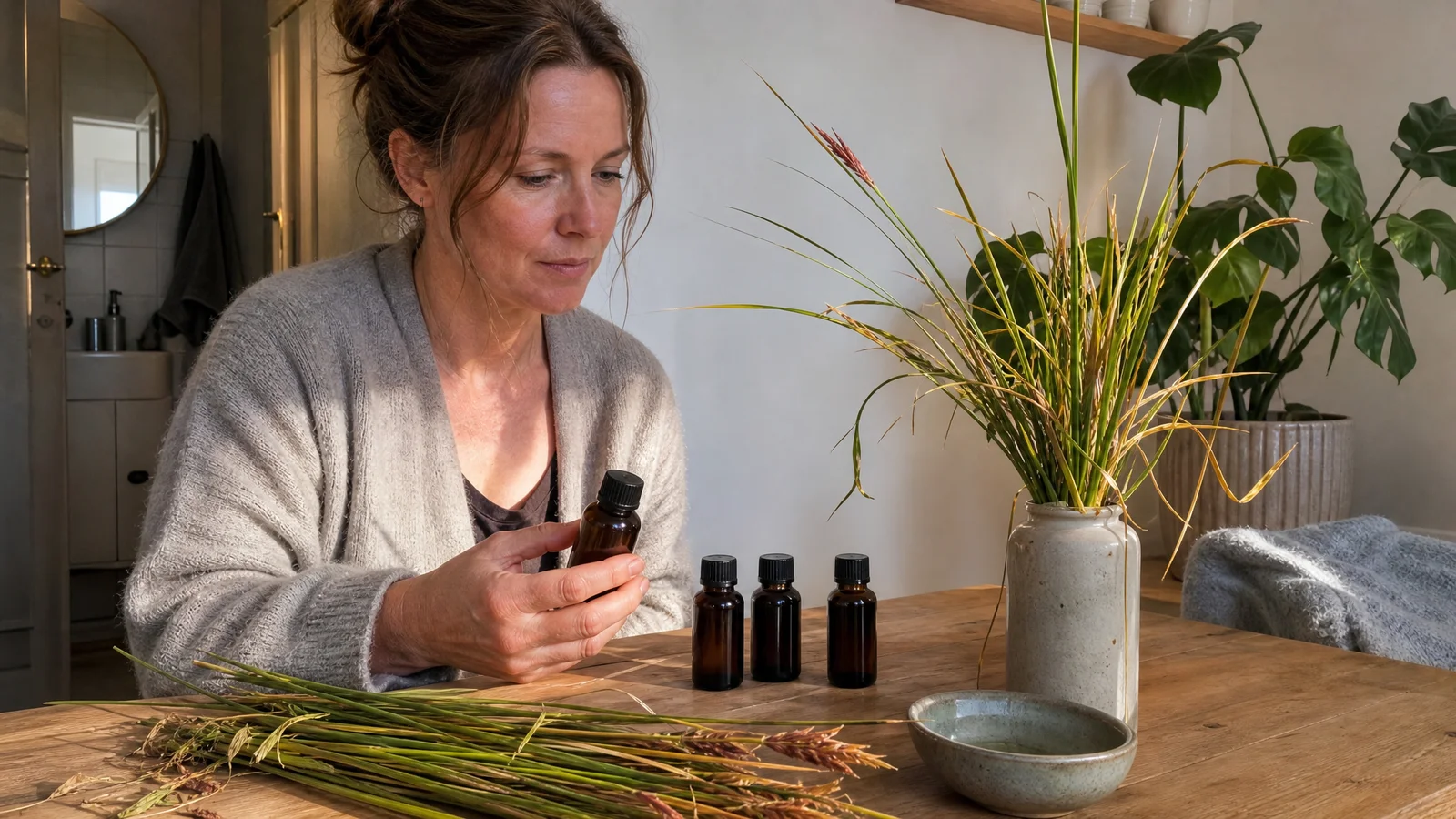
If you are choosing between sellers for something you will use regularly, a small bottle from each is a modest way to compare. Smell them one after another, with a short pause and a breath of fresh air in between, and jot down what you notice: how sweet, how green, how much lemon. Your notes are yours, and they do not replace paperwork, but they make the paperwork easier to read because you know what you are holding. We would say the same to anyone ordering from us.
Compare per document, not per bottle
Once you have the same few documents from two sellers, the comparison gets easy. Line them up side by side, note which items each seller could show for your lot and which only in general, and let the gaps decide. Price comes last, and it only means something once you know you are comparing the same material. Our quality-checks article goes deeper on what a good report contains, and our shopping guide covers the practical side of ordering online.
A good seller relationship is mostly a record of questions that got clear answers. Start there, whoever you end up buying from.
Palmarosa Essential Oil
Palmarosa Essential Oil from our own shop, in sizes from 0.5 oz to bulk.
From $10.99
Shop Now →Sources & Further Reading
- Type and magnitude of non-compliance and adulteration in neroli, mandarin and bergamot essential oils purchased on-line: potential consumer vulnerability (Pierson, Fernandez and Antoniotti, Scientific Reports, 2021)
- Is It a Cosmetic, a Drug, or Both? (Or Is It Soap?) (U.S. Food and Drug Administration)