Palmarosa vs Lemongrass vs Citronella: Grass Oils Compared
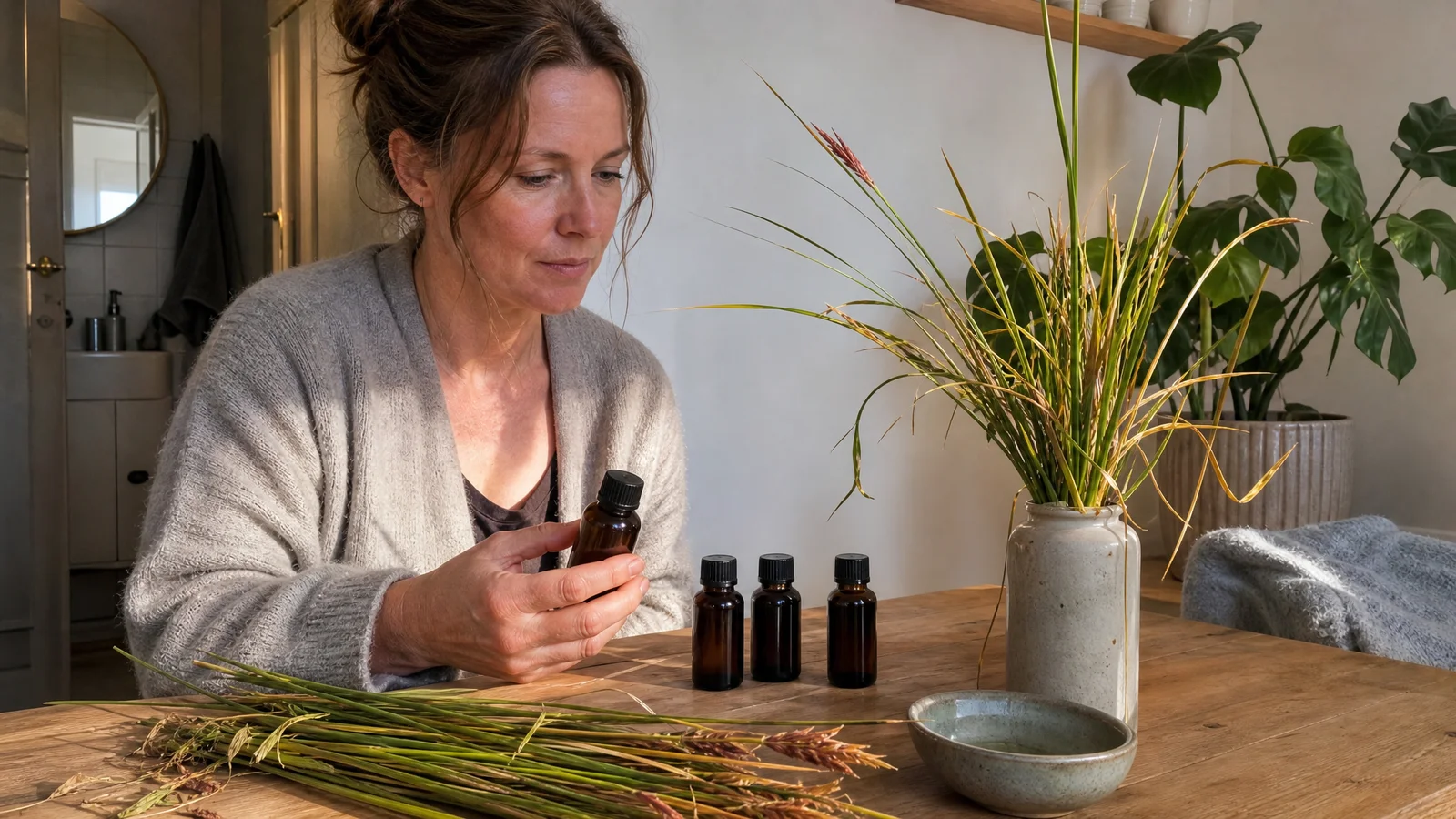
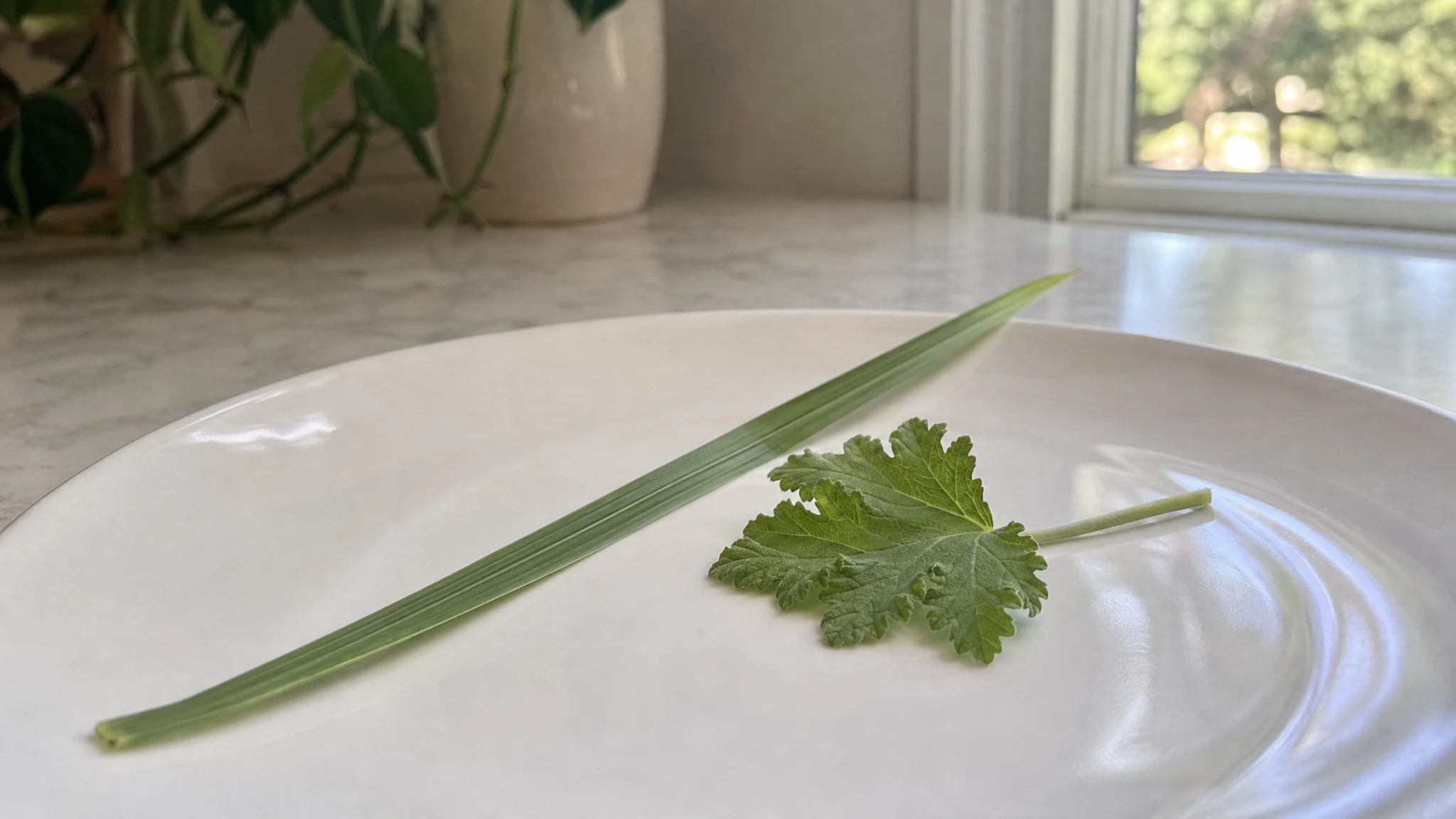
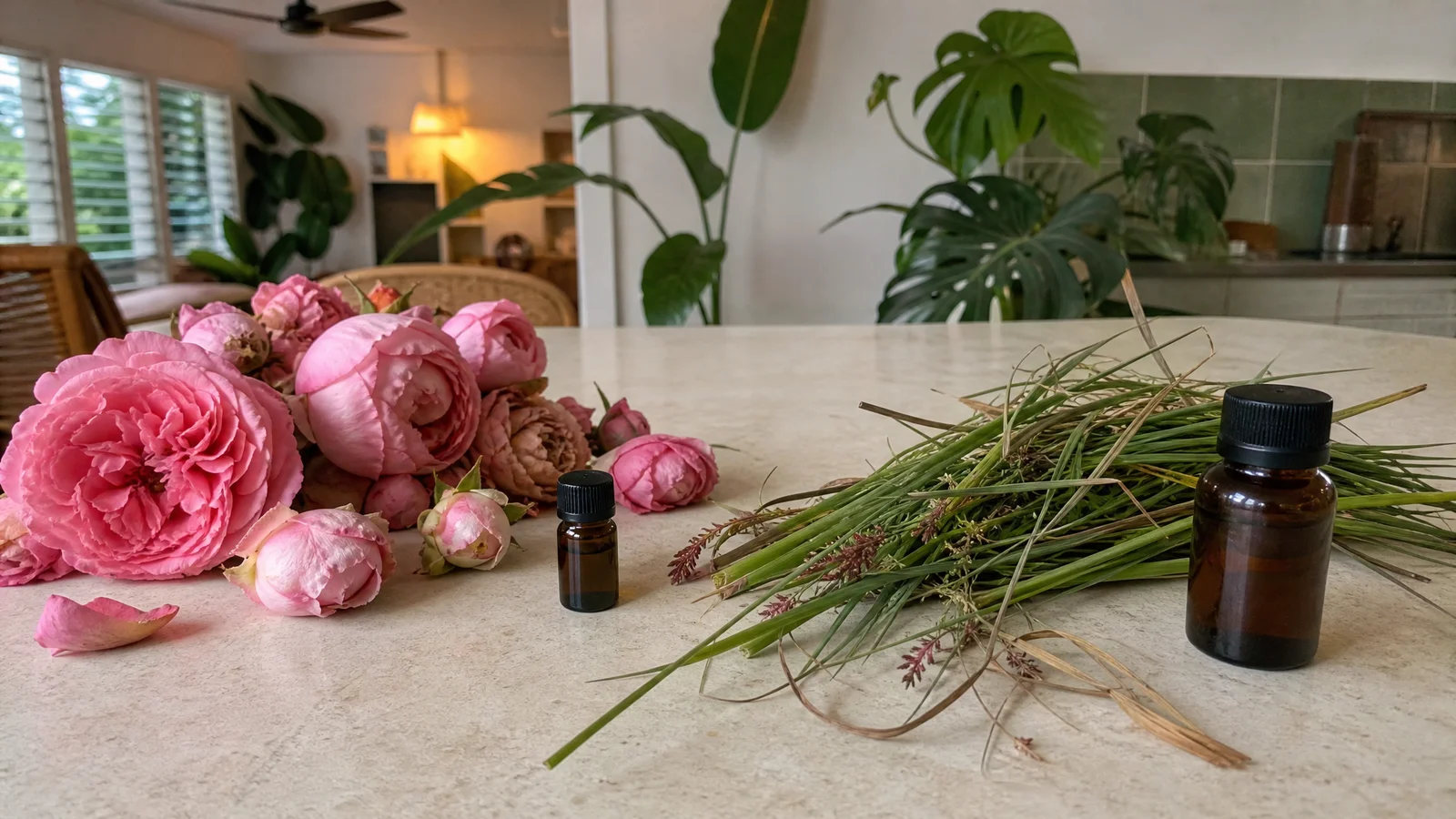
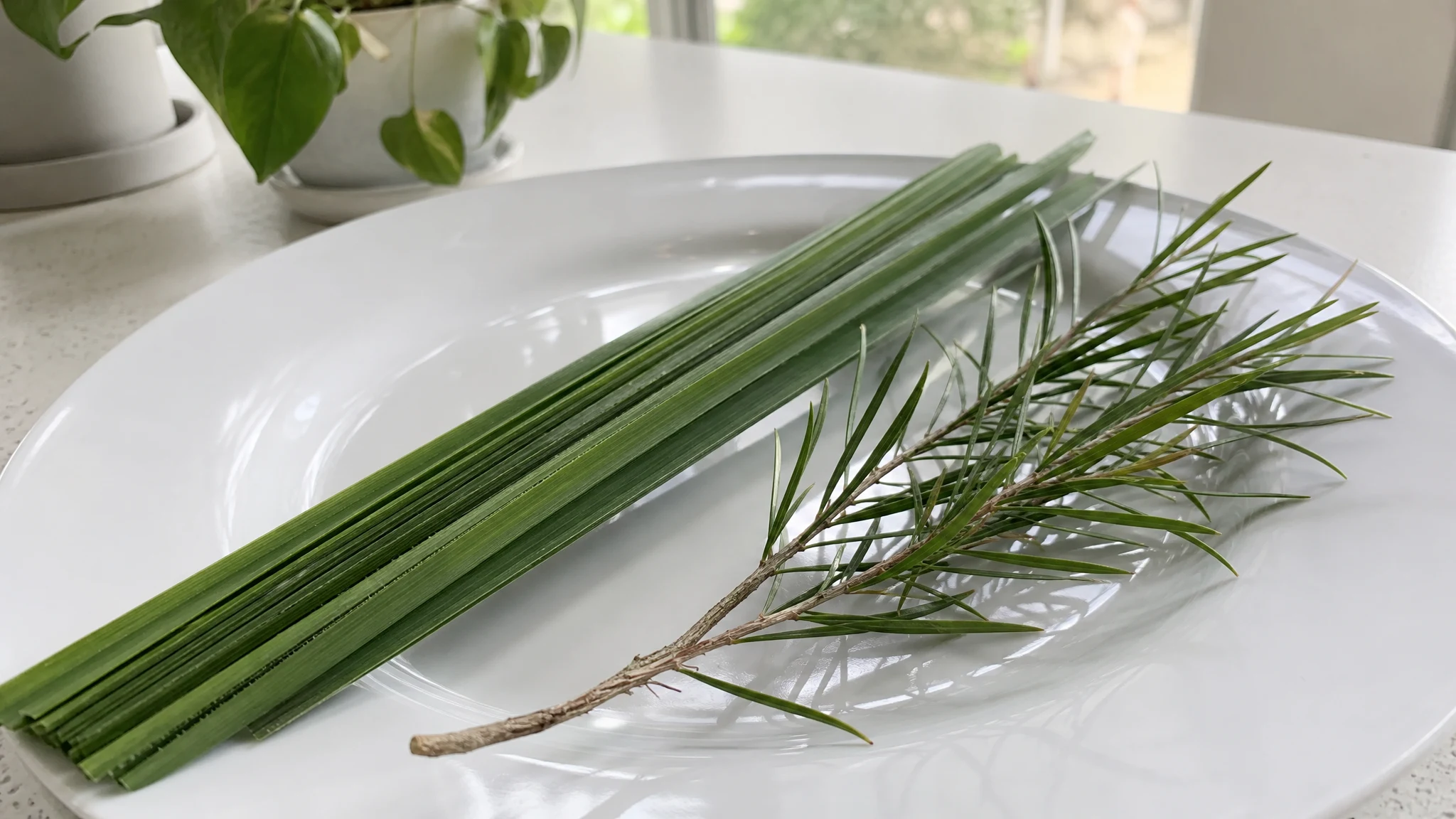
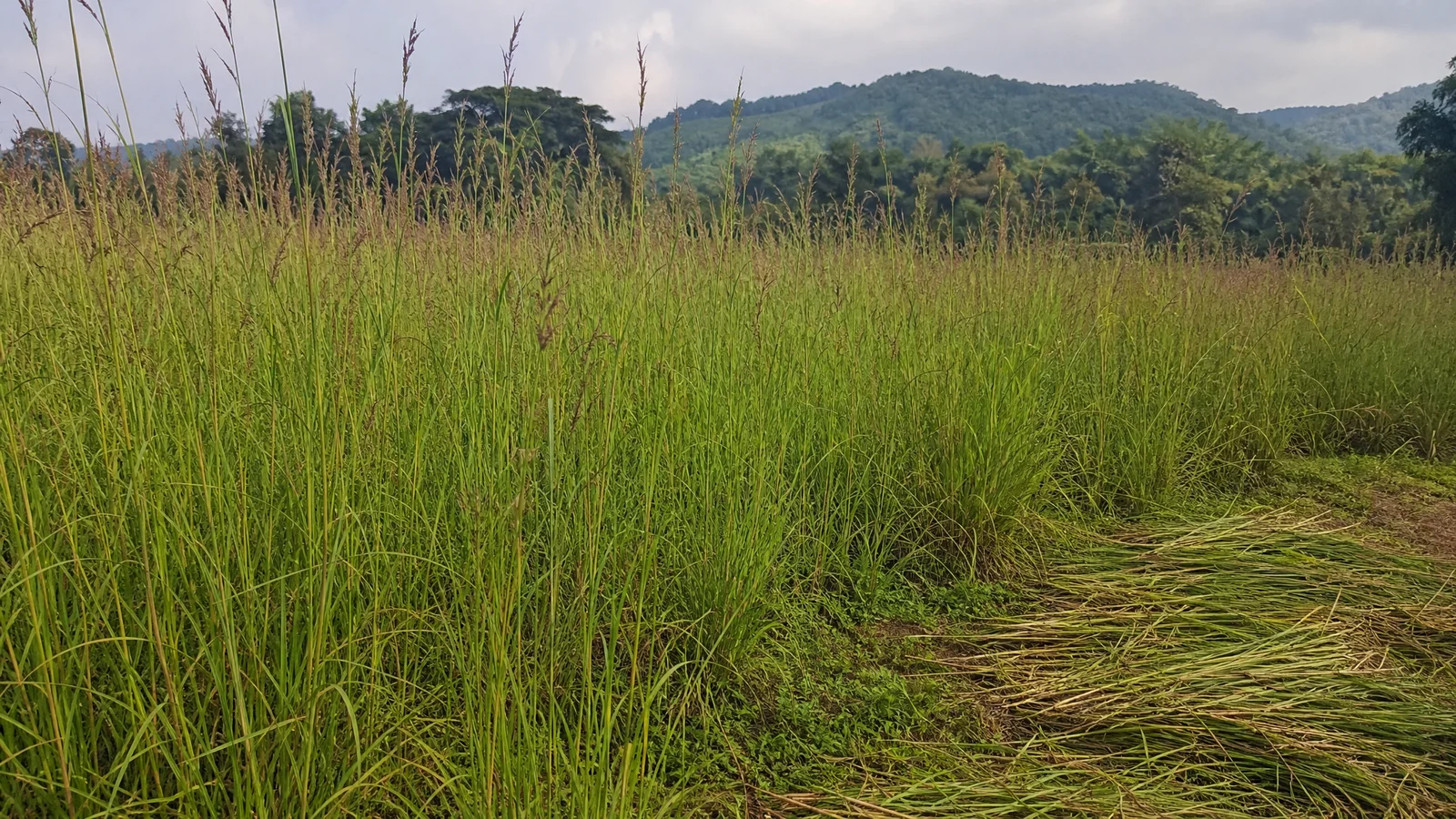
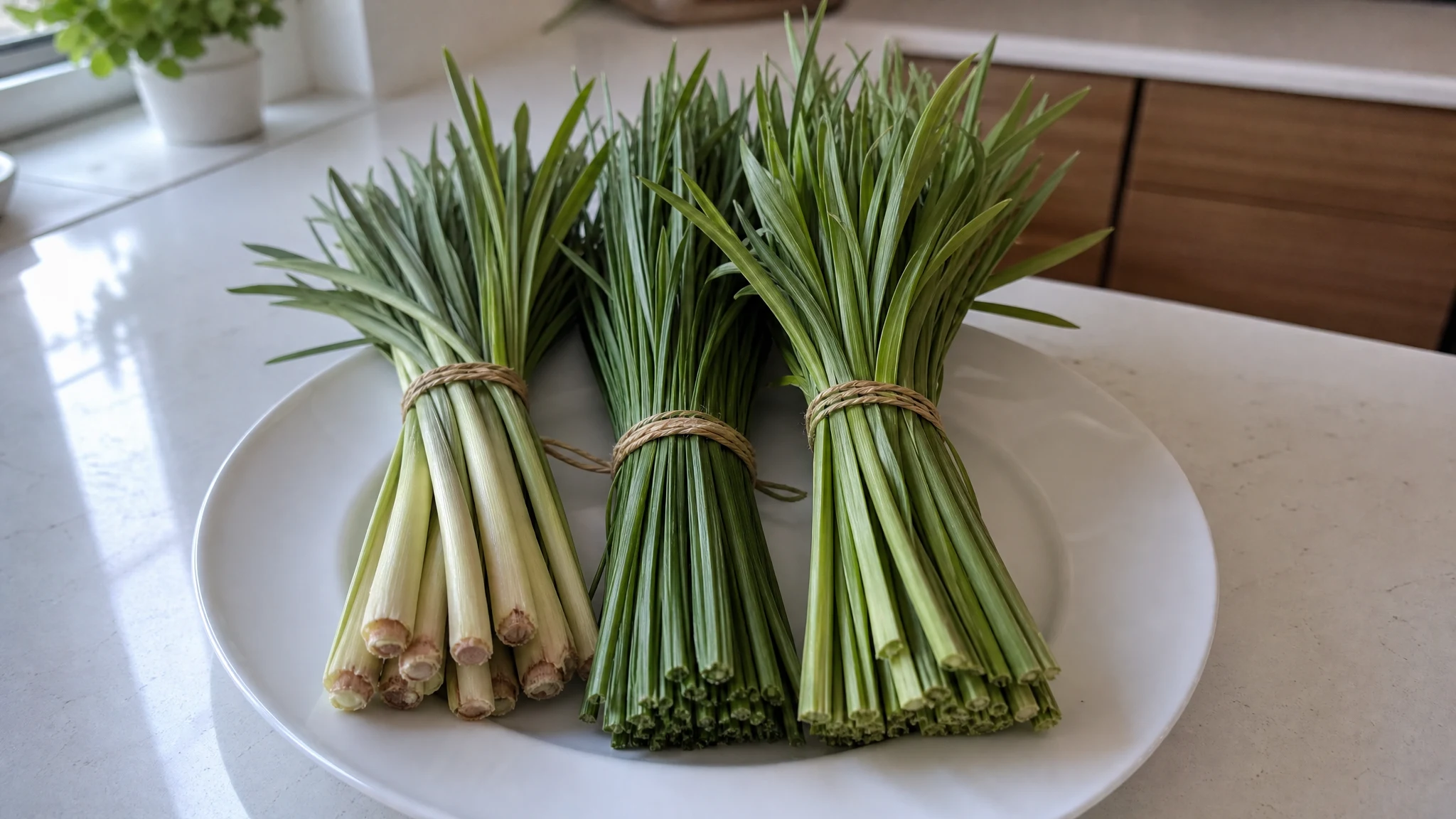
Walk down a row of grass oils and three of them will be cousins: palmarosa, lemongrass and citronella are all Cymbopogon grasses. Their leaves look alike and their botany is closely related, yet one smells of roses, one of lemons and one of something sharper. What separates them is chemistry, and it explains both how they smell and how generously you can use them.
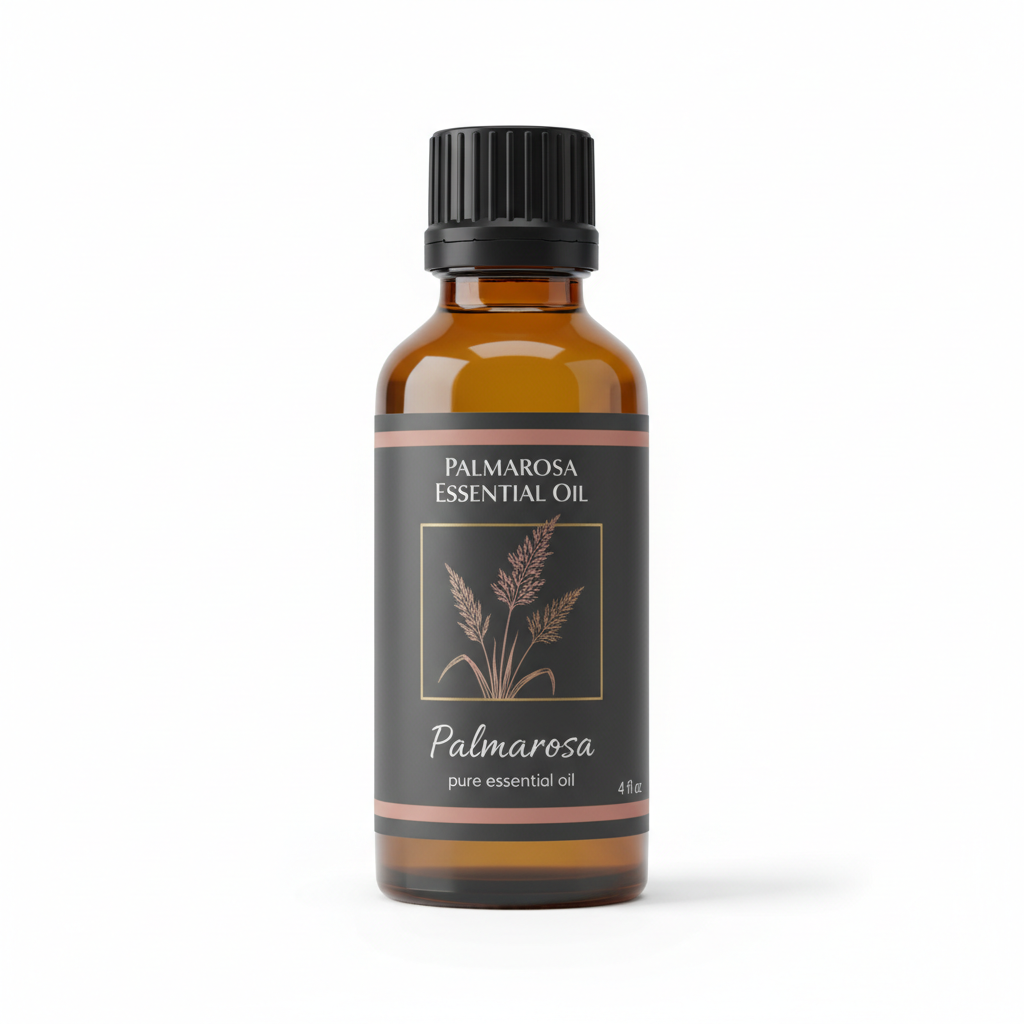
Palmarosa Essential Oil
Our own Palmarosa Essential Oil, in sizes from 0.5 oz to bulk.
From $10.99
Shop Now →Three grasses, three lead molecules
IFRA's annex of typical compositions makes the split plain (IFRA annex).
- Palmarosa (C. martinii) is geraniol-led, at 82.4%, with only 0.6% citral. Our shop notes that palmarosa runs high in geraniol rather than citral, which is why it reads rosy and not lemony.
- Lemongrass is citral-led. East Indian lemongrass (C. flexuosus) lists 41.42% geranial and 30.54% neral, which together make citral at about 72%. West Indian lemongrass (C. citratus) lists 73% citral. The PubChem record for citral describes a strong lemon odor, which fits.
- Citronella is two oils under one name. The Ceylon type (C. nardus) lists 4.5% citronellal and 17.7% geraniol, while the Java type (C. winterianus) lists 36% citronellal, 22% geraniol and 11% citronellol.
That last point is worth remembering when you read a label. "Citronella" with no species is not one defined material, and the two types differ about eightfold in citronellal. Palmarosa has a version of the same puzzle, because gingergrass, a variety of the same species as palmarosa, is listed at only 0.04% geraniol. Our label-reading article explains how to tell them apart.
The lead molecule is also a decent guide to the nose. PubChem, quoting standard references, gives geraniol a sweet rose odor and citral a strong lemon odor, which is the whole difference between a bottle that suits a rosy blend and one that suits a bright, citrusy one. Citronella's character depends on the type, so it is the one where asking the seller for the species pays off most.
Smell them side by side
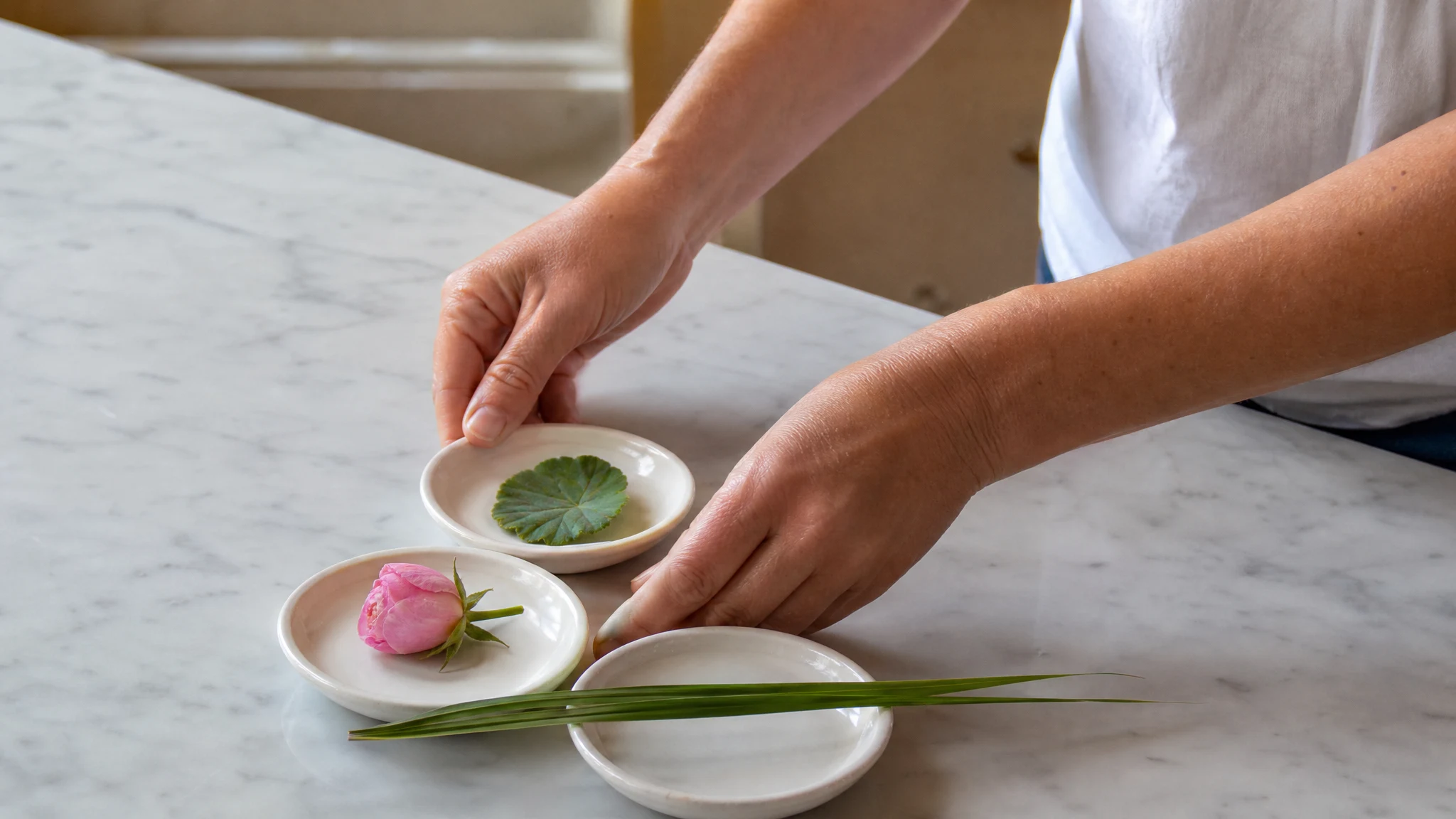
The quickest way to learn the difference is to put all three on separate blotters and smell them one after another. Palmarosa is sweet and rosy with a green edge, lemongrass is bright and lemony, and citronella has a sharper, more familiar character. Clear your nose between each by smelling the crook of your own sleeve.
You'll notice the differences more after a few minutes than in the first sniff. That is partly why we think of palmarosa as a middle note: the rose arrives gradually and then stays.
Why chemistry sets the limits
Geraniol and citral are both on the lists of fragrance allergens that regulators watch, and IFRA sets category limits for each. For a facial moisturizer (category 5B) it allows 0.78% geraniol (IFRA Standard, Geraniol), and for citral it allows 0.15% in both face and body leave-on categories in the Amendment 49 version we read (IFRA Standard, Citral).
Dividing each limit by the oil's typical share of that substance gives a rough ceiling on how much oil a product can hold. This is our arithmetic from typical values and not a measurement of any bottle, and other restricted constituents can lower it further.
| Oil | Counted substance | Face moisturizer (5B) |
|---|---|---|
| Palmarosa | Geraniol, 82.4% | about 0.95% oil |
| Lemongrass, East Indian | Citral, about 72% | about 0.21% oil |
| Citronella, Java type | Geraniol, 22% | about 3.5% oil, geraniol only |
So lemongrass is the most potent of the three in this sense, and a drop of it goes a very long way. Palmarosa sits in the middle, and citronella is the most forgiving on these counts, although its own citronellal and citronellol bring limits we have not listed here.
Keeping them apart
If you do end up with more than one grass oil, label each bottle clearly. The three look alike, with the same pale colour and a similar feel, and it is surprisingly easy to reach for the wrong one in dim light. A bold label with the botanical name saves a lot of confusion.
What this means for your shelf
If you came for a rosy note, palmarosa is the only one of the three that delivers it. Reach for lemongrass when you want a bright lemon edge, and use it sparingly. Citronella has its own place, and the species on the label decides what you get. A quick habit helps with all three: read the botanical name before you read the marketing, and ask for a constituent report if the formula depends on it.
For palmarosa we recommend diluting to 0.5% to 2% in a carrier oil and patch testing first. On the figures above, 2% oil would carry about 1.65% geraniol, which is why we start at the low end and suggest 0.5% on the face. Our dilution chart shows the drops, and our pairing guide shows what to combine it with. We sell palmarosa only, so lemongrass and citronella are for a craft or supply shop.
Cousins in the grass family, then, and distinct personalities once the chemistry is on the table.
Palmarosa Essential Oil
Palmarosa Essential Oil from our own shop, in sizes from 0.5 oz to bulk.
From $10.99
Shop Now →Sources & Further Reading
- Annex on contributions from other sources to the IFRA Standards (IFRA, 51st Amendment, 2023)
- IFRA Standard: Geraniol (IFRA, 2023, Amendment 51)
- IFRA Standard: Citral (IFRA, 2020, Amendment 49)
- Geraniol (PubChem compound record 637566, odor section) (National Center for Biotechnology Information)
- Citral (PubChem compound record 638011, odor section) (National Center for Biotechnology Information)