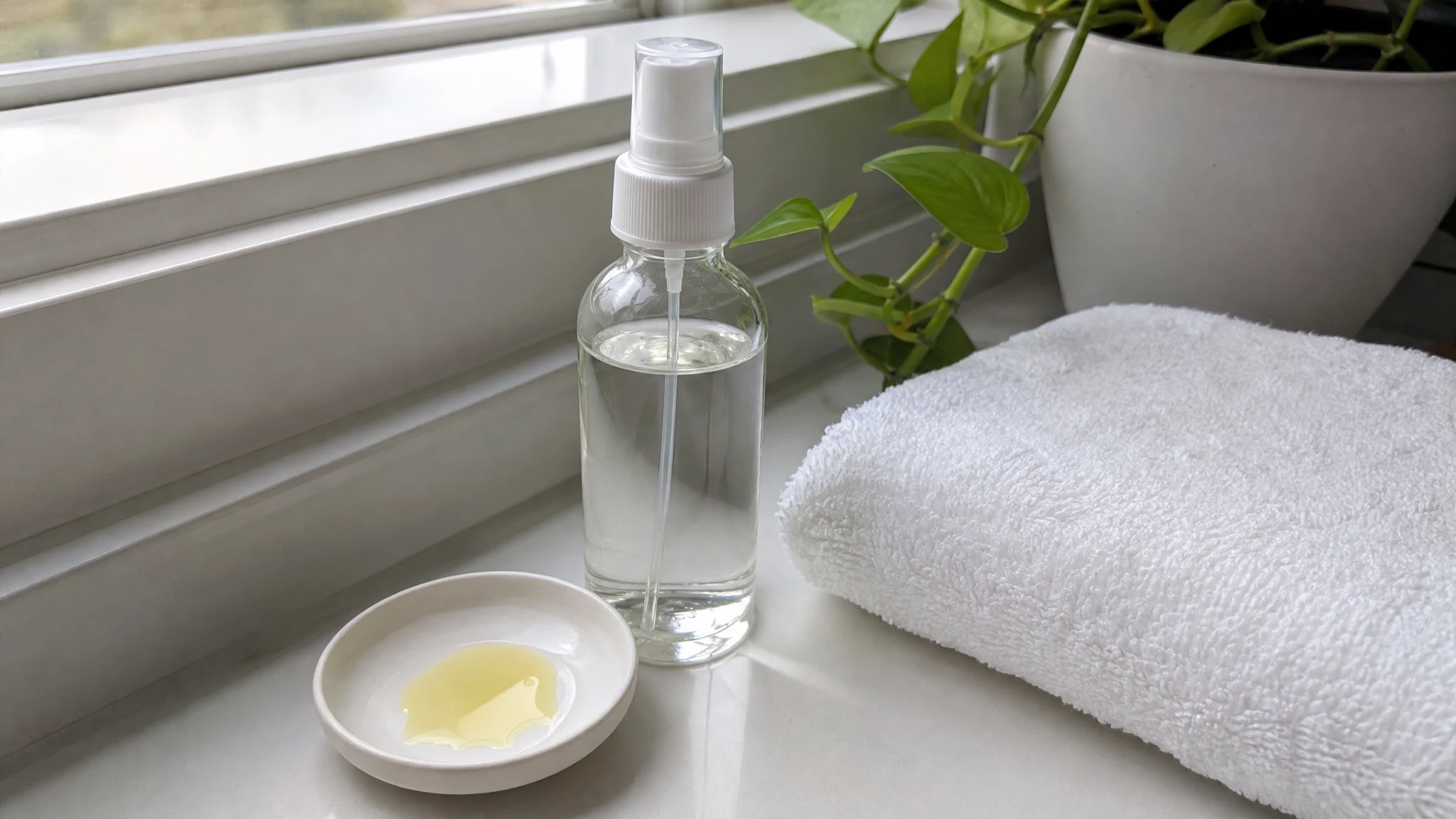
Palmarosa Hydrosol vs Oil: What Is the Difference?
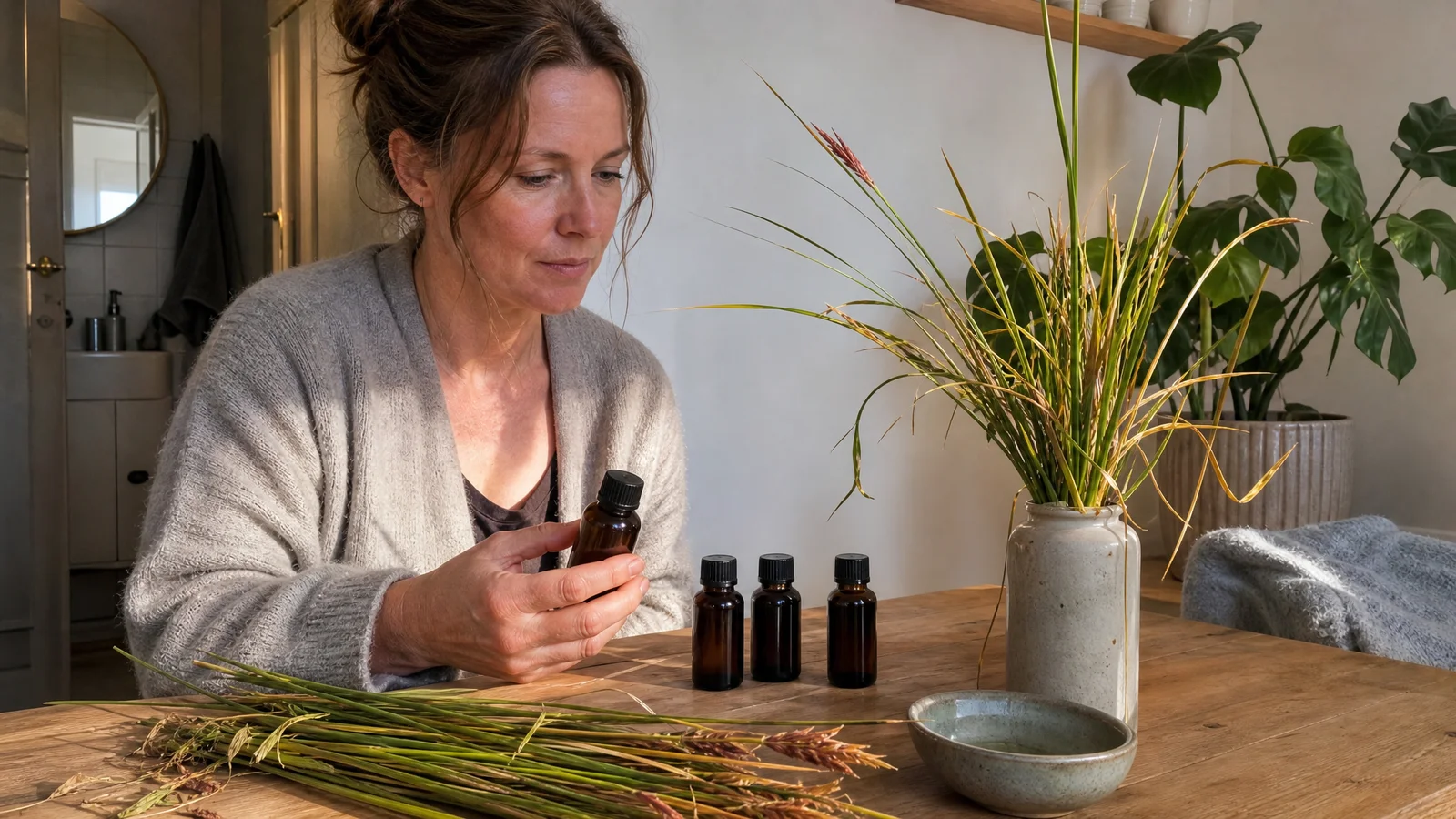
A still makes two liquids, not one. The oil floats on top and gets the attention, while the water underneath, the hydrosol, quietly carries away a share of what dissolved. People often assume a palmarosa hydrosol is just the oil, watered down. It is a different product altogether, and it behaves differently on your shelf.
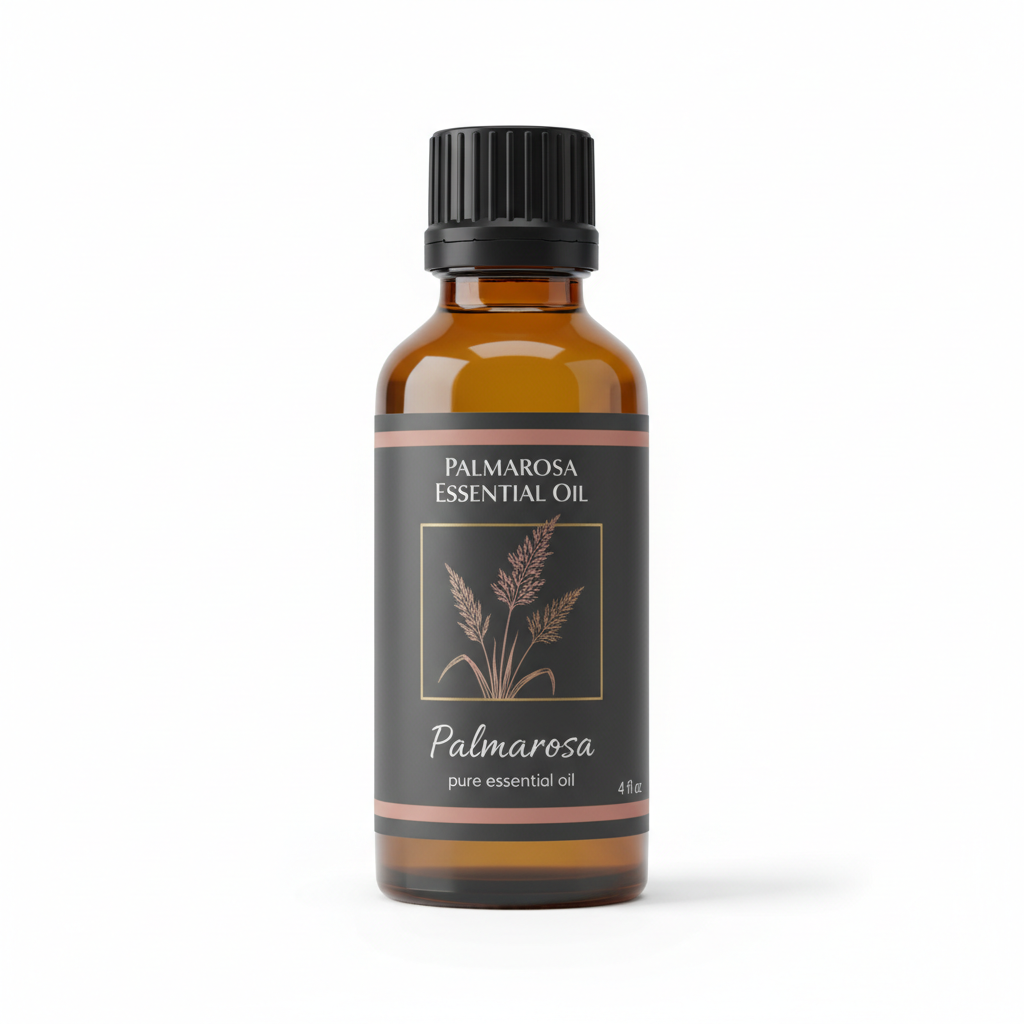
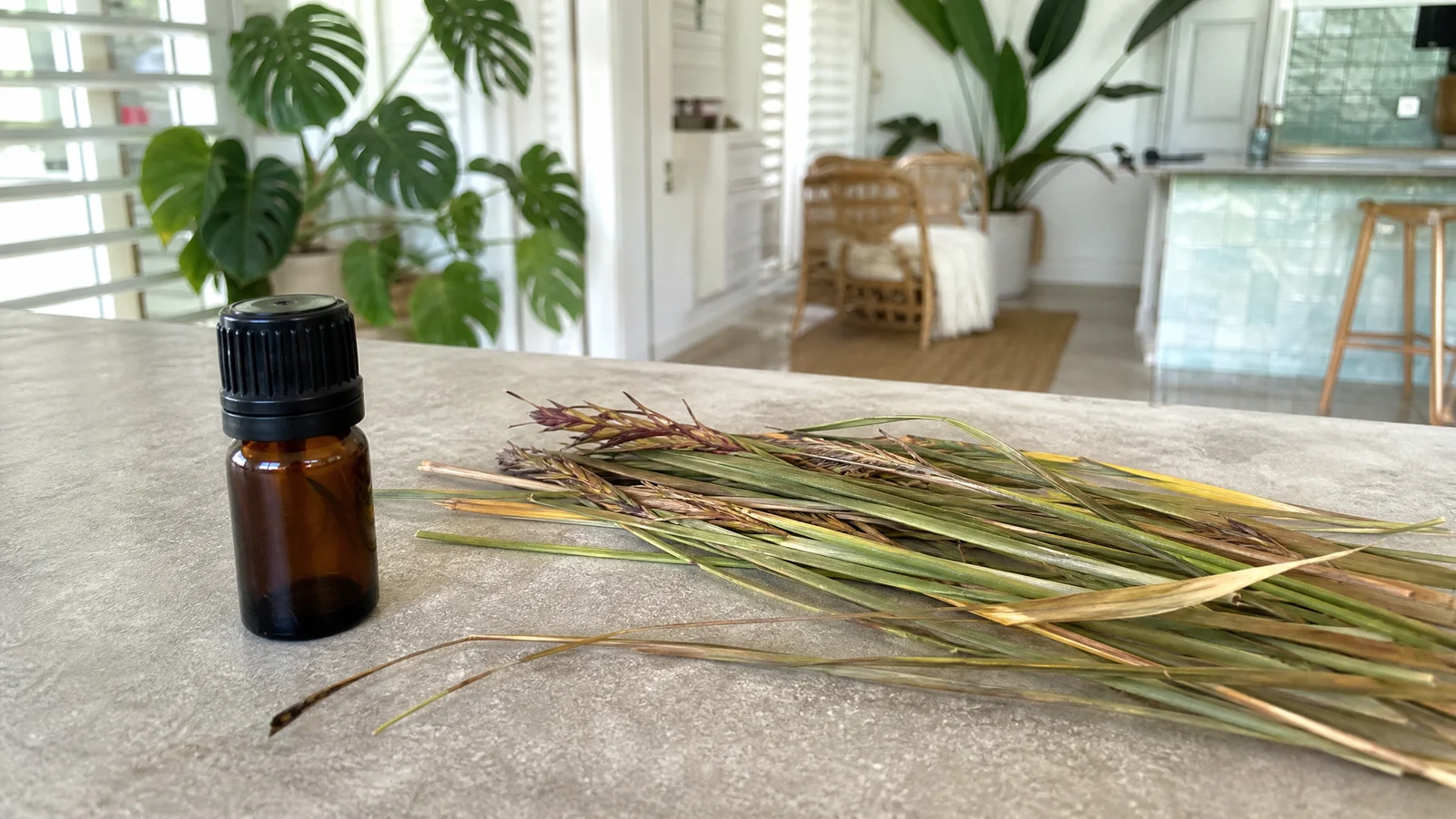
Palmarosa Essential Oil
Our own Palmarosa Essential Oil, in sizes from 0.5 oz to bulk.
From $10.99
Shop Now →One still, two very different liquids
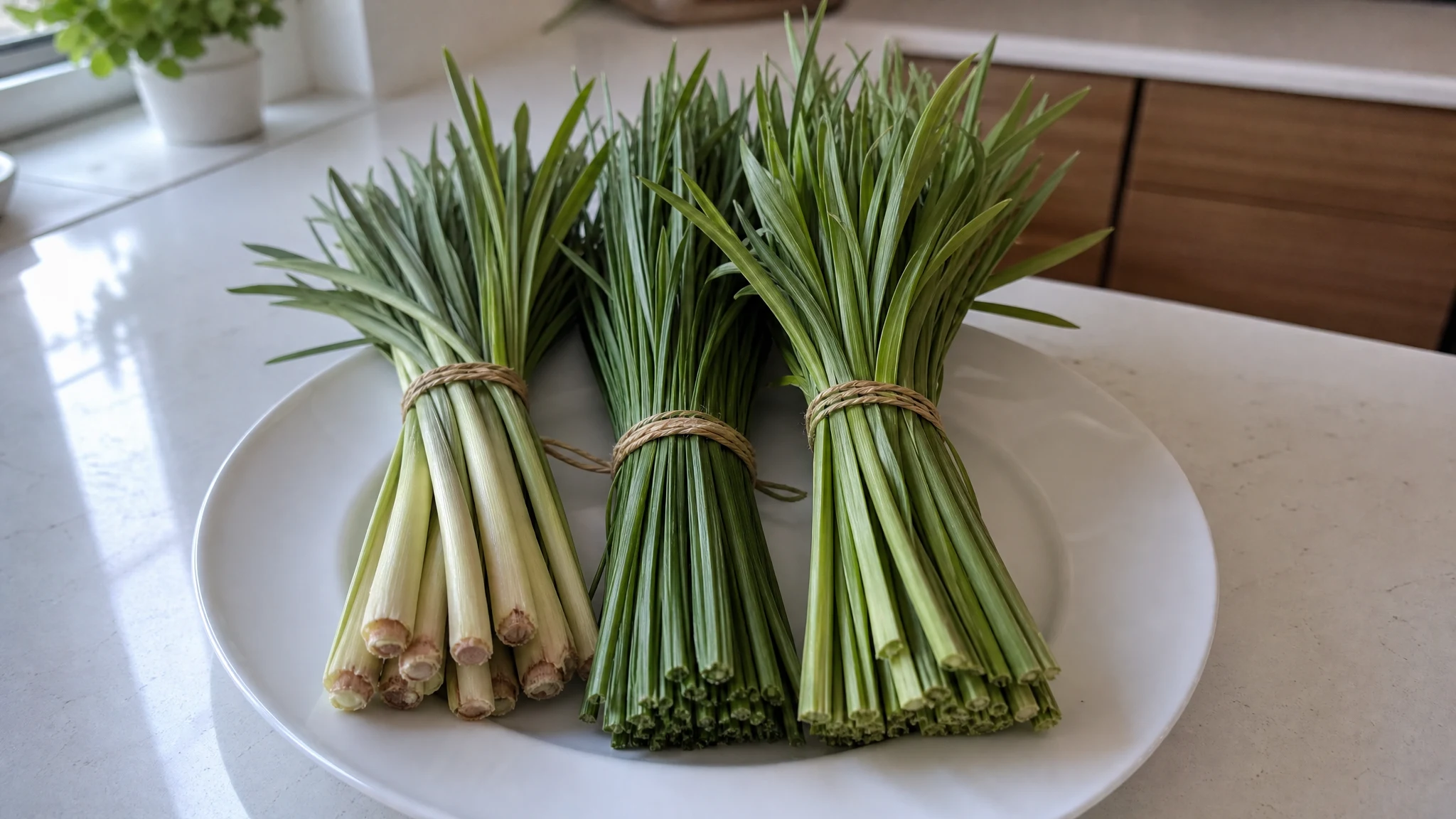
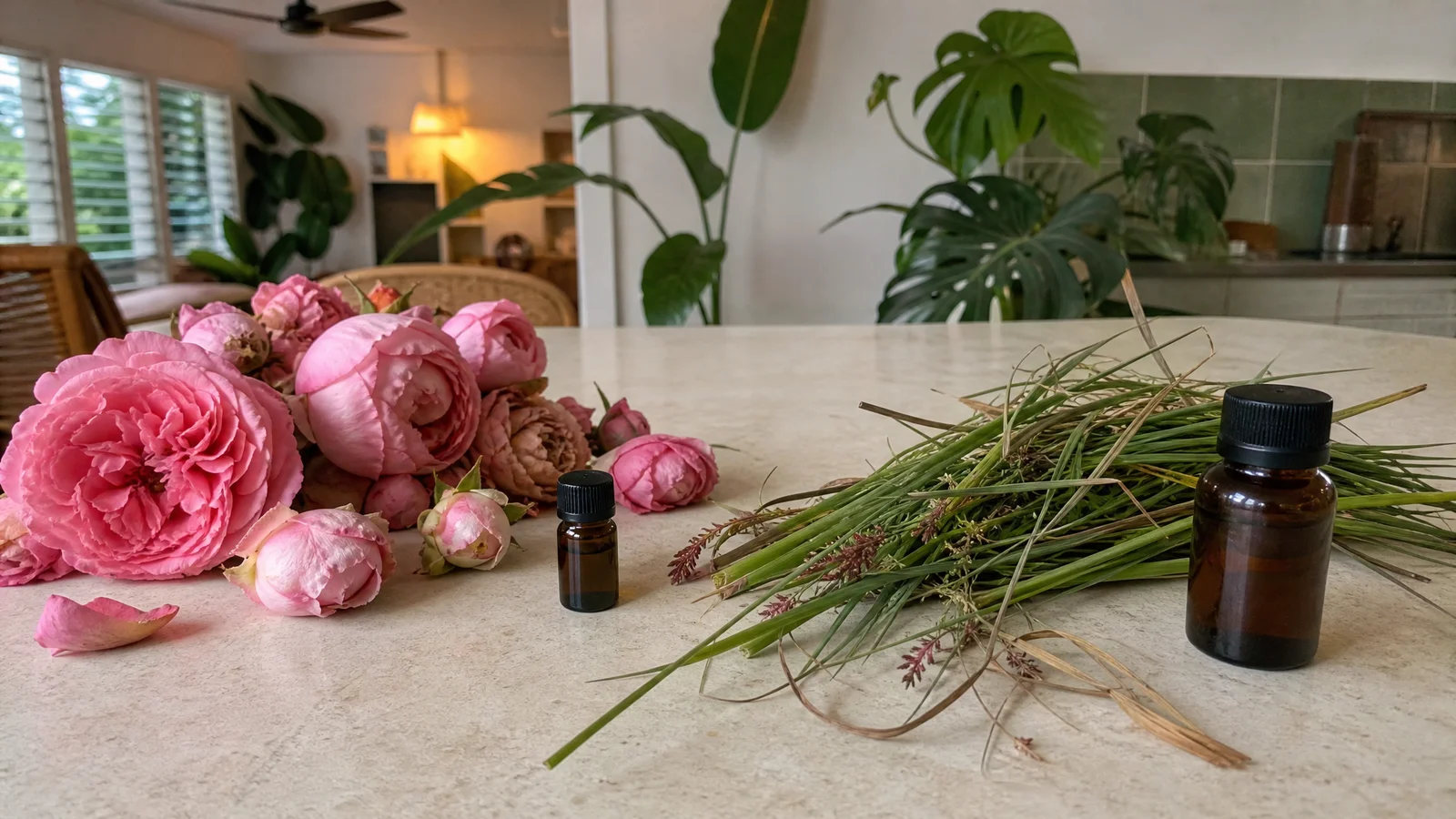
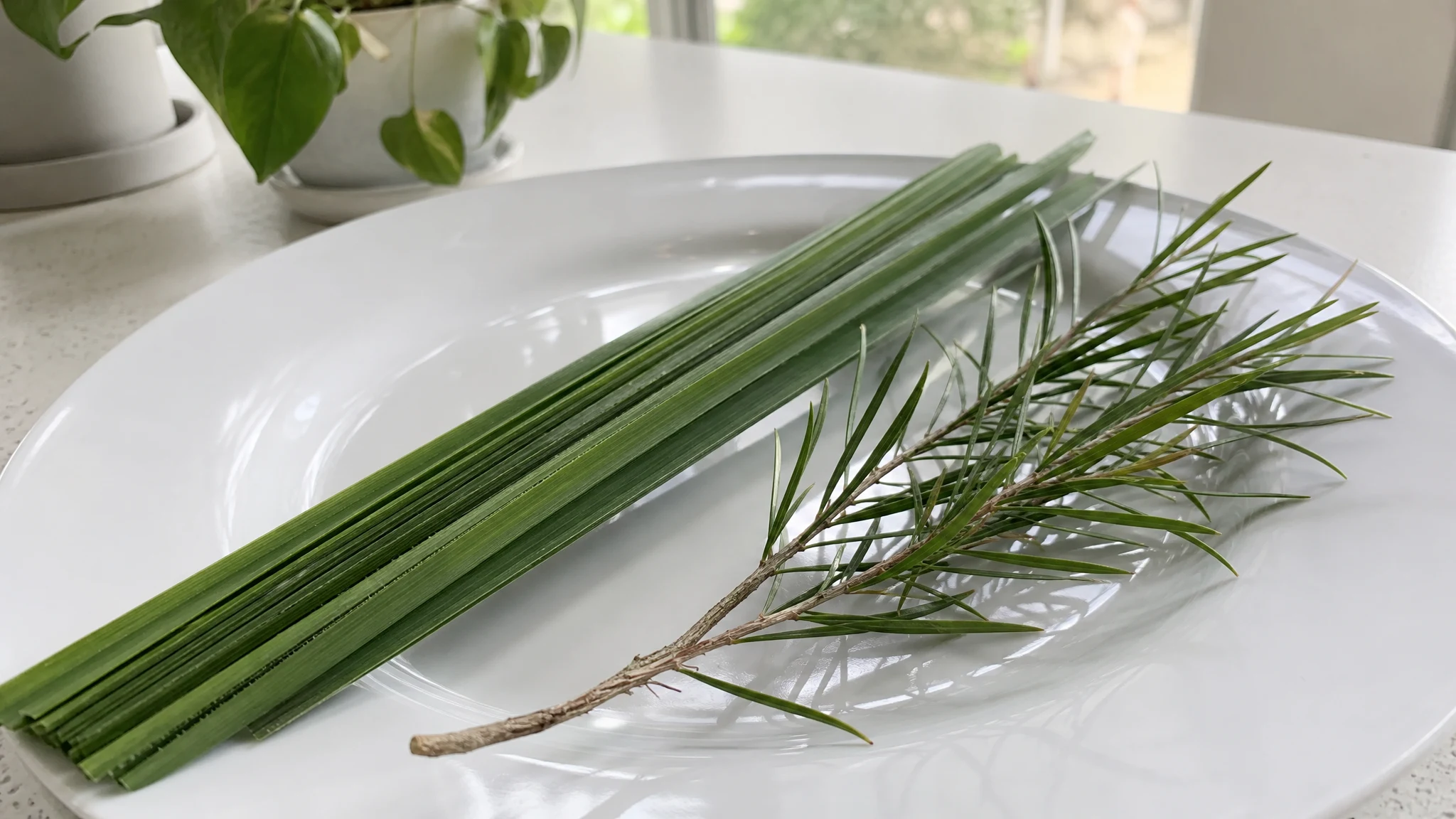
When steam passes through cut grass, it carries the aroma compounds out, and the vapour condenses into oil and water that separate on their own. The oil is what we sell. The water is the hydrosol, sometimes called a hydrolat or floral water. We do not sell one, so this is a guide to telling them apart rather than a recommendation.
Palmarosa shows why they differ. Its main component, geraniol, is only slightly soluble in water, at about 100 mg per litre at 25 C according to the PubChem record for geraniol. Here is some arithmetic to make that concrete. The batch on our published Certificate of Analysis has a relative density of 0.888, and the IFRA annex lists a typical 82.4% geraniol for palmarosa oil (IFRA annex). Taken together, one millilitre of oil holds roughly 0.73 g of geraniol, and dissolving all of it would need something like 7 litres of water. So a hydrosol cannot be oil thinned in water. It is the faint dissolved share, a gentle whiff compared with the oil's concentrated aroma.
This is reasoning from typical figures, not a measurement of any hydrosol, and other components of the oil dissolve more readily than geraniol. The overall picture holds all the same: the oil is the concentrated material, and the hydrosol is a delicate water product.
What each one is like in the hand
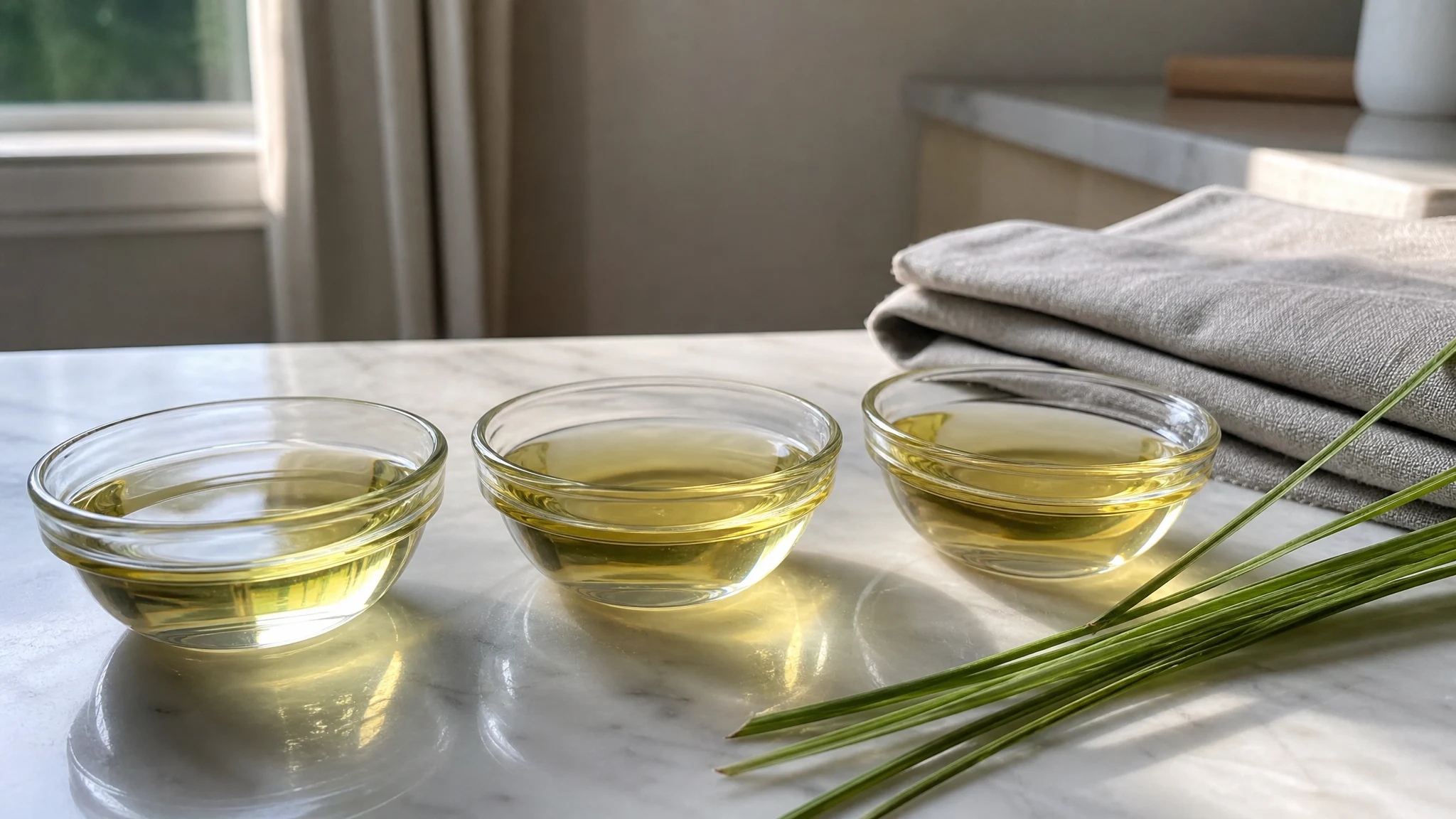
The two are easy to tell apart by touch and by nose. The oil is a light yellow liquid with a viscosity close to water, and a few drops on a blotter give you a sweet, rosy, gently green smell that stays for a good while. A hydrosol is thin and watery, and its scent is faint and soft, like a hint of the grass carried on a breeze. Neither is better; they are just different tools.
If you are ever deciding between them, ask yourself how much scent you want and where it is going. A little oil goes a long way and needs careful dilution. A hydrosol is gentle and light, but it is mostly water, and that brings its own handling questions.
Why water changes the rules
An oil like ours is sold neat, and the things that matter for it are air, light and heat. A hydrosol is mostly water, and a review of cosmetic preservation puts it plainly: water is an ideal growth factor for microorganisms. Products that contain it have to be protected, and preservative systems are normally tested in development with a challenge test, which inoculates the product and follows survival over 28 days (Halla et al., 2018).
The practical lesson is that a hydrosol is a perishable, and a seller should be able to say how it was bottled and how long it keeps. If a listing gives no date, no preservative information and no storage advice, treat the shelf life as unknown. Questions worth asking any maker:
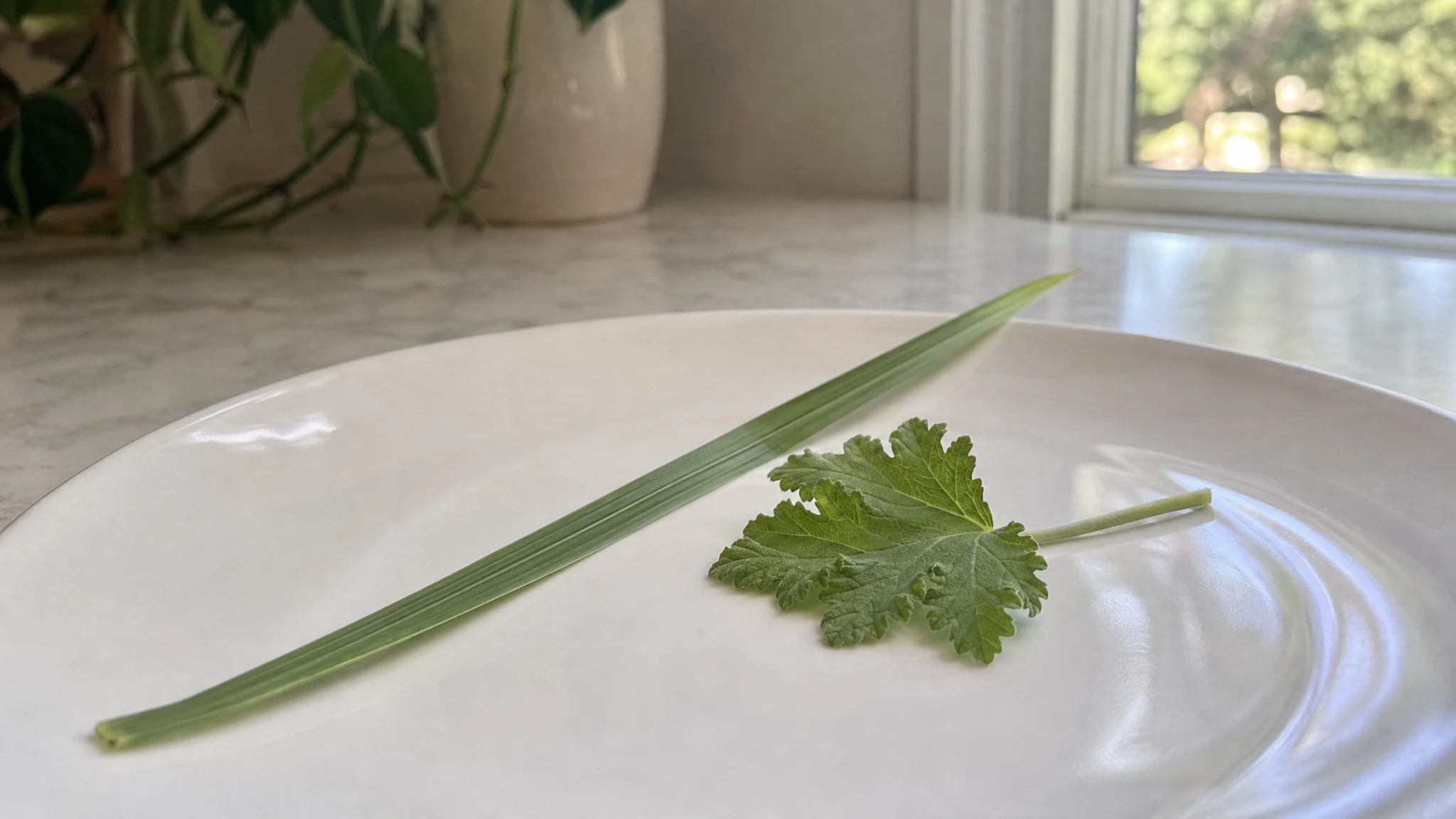
- Is it true distillation water from Cymbopogon martinii grass, or oil dispersed in water?
- When was it bottled, and how long does the maker say it keeps?
- Is it preserved, and with what? An unpreserved product can be legitimate, but then it needs cold storage and a discard date.
Storing each one
Keep the oil in a tightly closed bottle somewhere dim and temperature-stable, as we recommend for every bottle. A hydrosol, if you own one, is a different matter: follow the maker's storage advice, and if there is none, treat it as a perishable and keep it cool.
Which one for which job
Because a hydrosol is so much gentler in strength, it will not scent a candle or a batch of soap the way oil does. Those jobs call for oil, added by weight, and our pairing guide is a good place to start thinking about how it sits with other scents.
The reverse mistake is just as easy. Stirring oil into water does not make a hydrosol. Oil floats unless something disperses it, and any water-based spray needs a proper preservative from a cosmetic-ingredient supplier. We do not sell those, so you will find them at a craft or soap-supply shop. If you plan a spray, our body mist and linen spray article works through the formats.
One last point: dilute does not mean harmless for everyone. If fragrance has ever bothered your skin, a dermatologist is the person to ask, and a small patch test is a sensible first step with either product. Our own oil is an external cosmetic oil for scent and skin-care formulations, to be kept away from eyes, children and pets and never taken internally.
Both liquids come from the same grass, and each has its place. They just are not interchangeable.
Palmarosa Essential Oil
Palmarosa Essential Oil from our own shop, in sizes from 0.5 oz to bulk.
From $10.99
Shop Now →Sources & Further Reading
- Geraniol (PubChem compound record 637566, solubility section) (National Center for Biotechnology Information)
- Annex on contributions from other sources to the IFRA Standards (IFRA, 51st Amendment, 2023)
- Cosmetics Preservation: A Review on Present Strategies (Halla et al., Molecules, 2018)