Where to Buy Palmarosa Oil: A Guide by Use
The best place to buy palmarosa oil is wherever the seller will put the details in writing. A neighbourhood shop, a specialist website, a marketplace listing and a producer's own store can all sell a good bottle, and what matters is what you are making. Someone sniffing a first bottle, a soapmaker and a company buying by the drum need different things, so we have organised this by job.
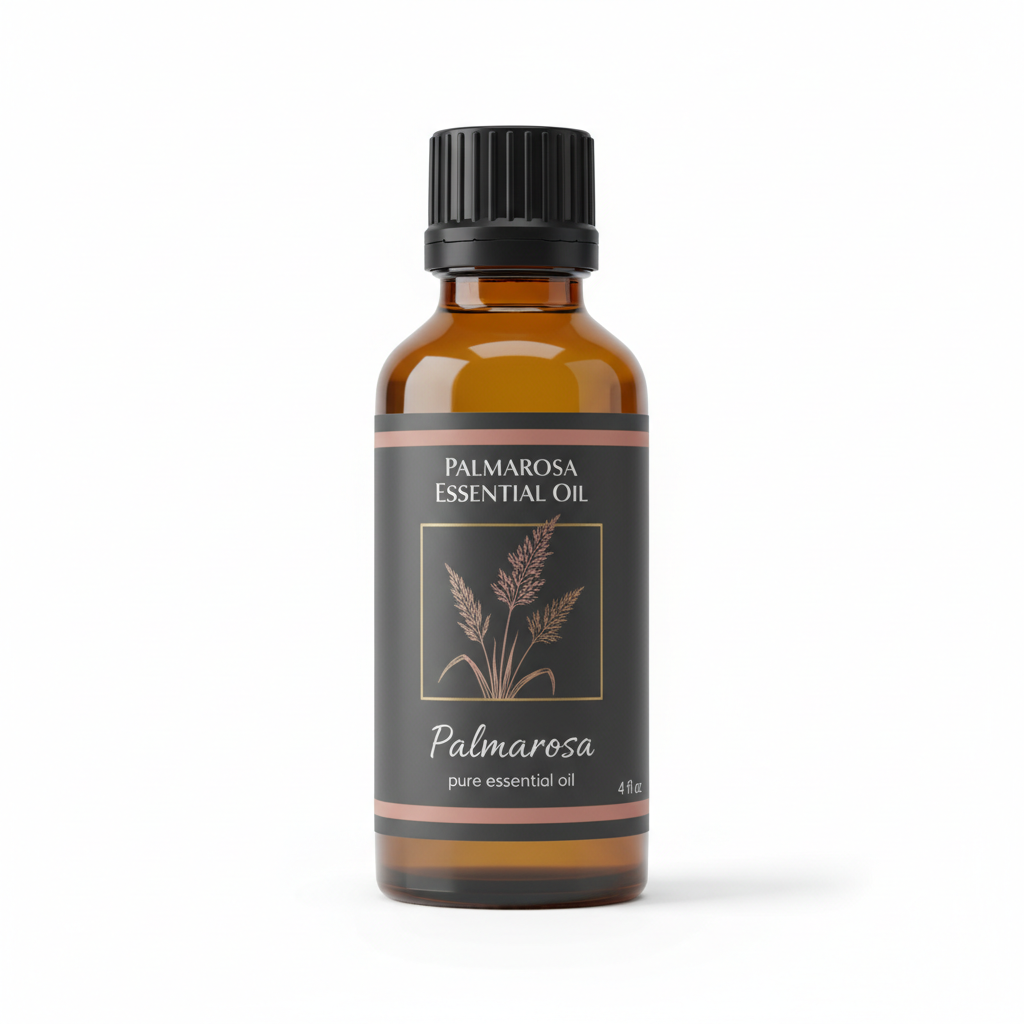
Palmarosa Essential Oil
Our own Palmarosa Essential Oil, in sizes from 0.5 oz to bulk.
From $10.99
Shop Now →Why a little homework pays
There is no study of palmarosa sold online, but there is one on a close cousin of the problem. In 2021 researchers bought 31 neroli, mandarin and bergamot oils, mostly from online sellers, and compared their gas chromatography profiles with ISO standards. The abstract reports that more than 45% did not comply and more than 19% had been diluted with materials such as glycols, triethyl citrate or vegetable oil. The authors add that simply buying the most expensive oil does not solve it. Citrus and neroli are different oils, so those rates say nothing about palmarosa, but the lesson carries over: documents tell you more than a price tag or a pretty listing.
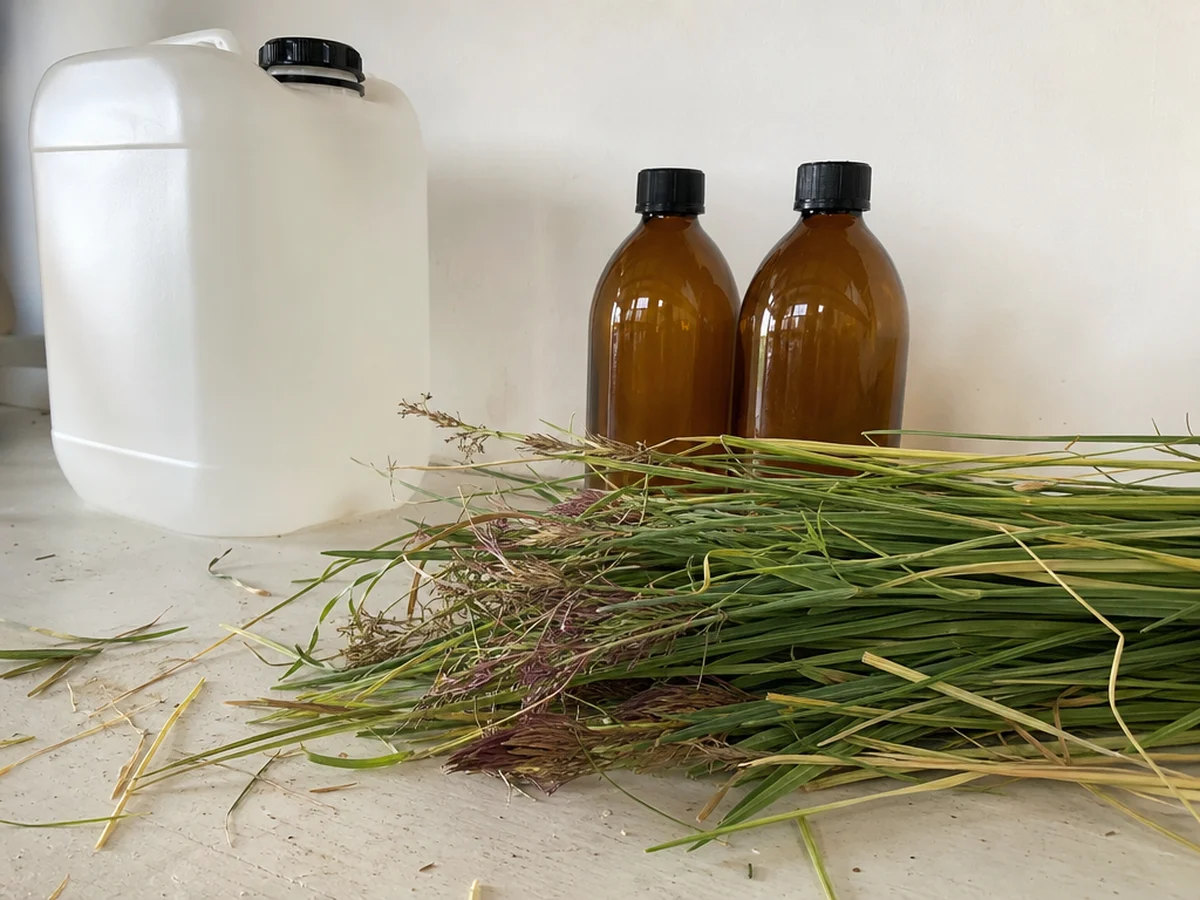
Palmarosa also sits close to the rose trade. A 2023 rose-oil paper names mixing with cheaper oils such as palmarosa among the common ways rose is stretched, which is a statement about palmarosa as an ingredient, not about palmarosa being faked. It is a reason to enjoy palmarosa for what it is, a lovely oil in its own right, and to buy it by the paperwork.
If you want a bottle to try
Start with the smallest size you can find, from a seller who prints the botanical name (Cymbopogon martinii), the part used and an ingredient line. A local shop lets you read the bottle and ask a person, which is a real pleasure. Online, you can lay several sellers' documents side by side before any money moves.
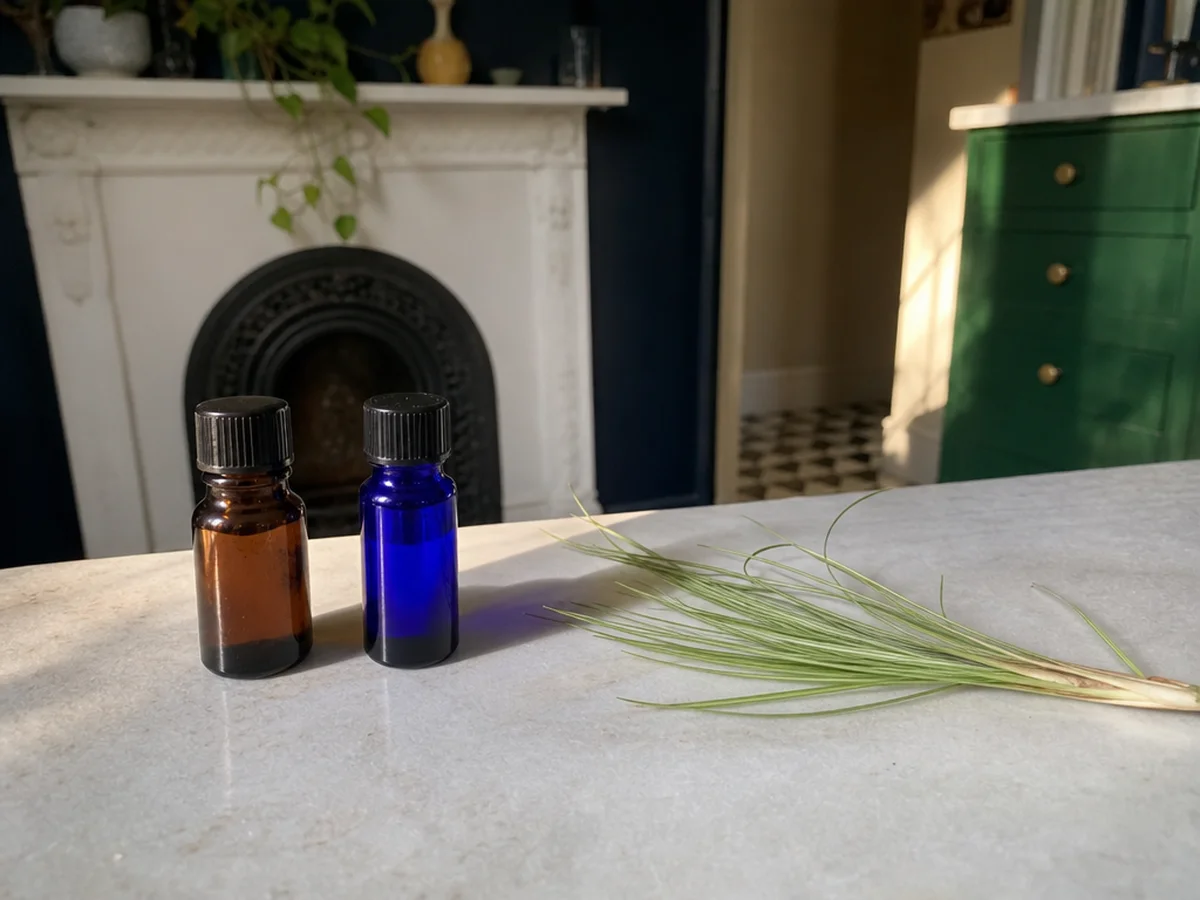
We sell one product, Palmarosa Essential Oil, steam-distilled Cymbopogon martinii, sold neat and undiluted, from a 0.5 oz bottle up to a 400 lb drum. The 0.5 oz bottle holds about 14.8 ml, which is roughly 50 one-ounce skin blends at under 1% oil (our arithmetic, worked out in the bottle sizes guide). Carrier oils such as jojoba or sweet almond, glass dropper bottles and the rest of your kit come from a craft or soap-supply shop, a pharmacy or the grocery store.
When the bottle arrives
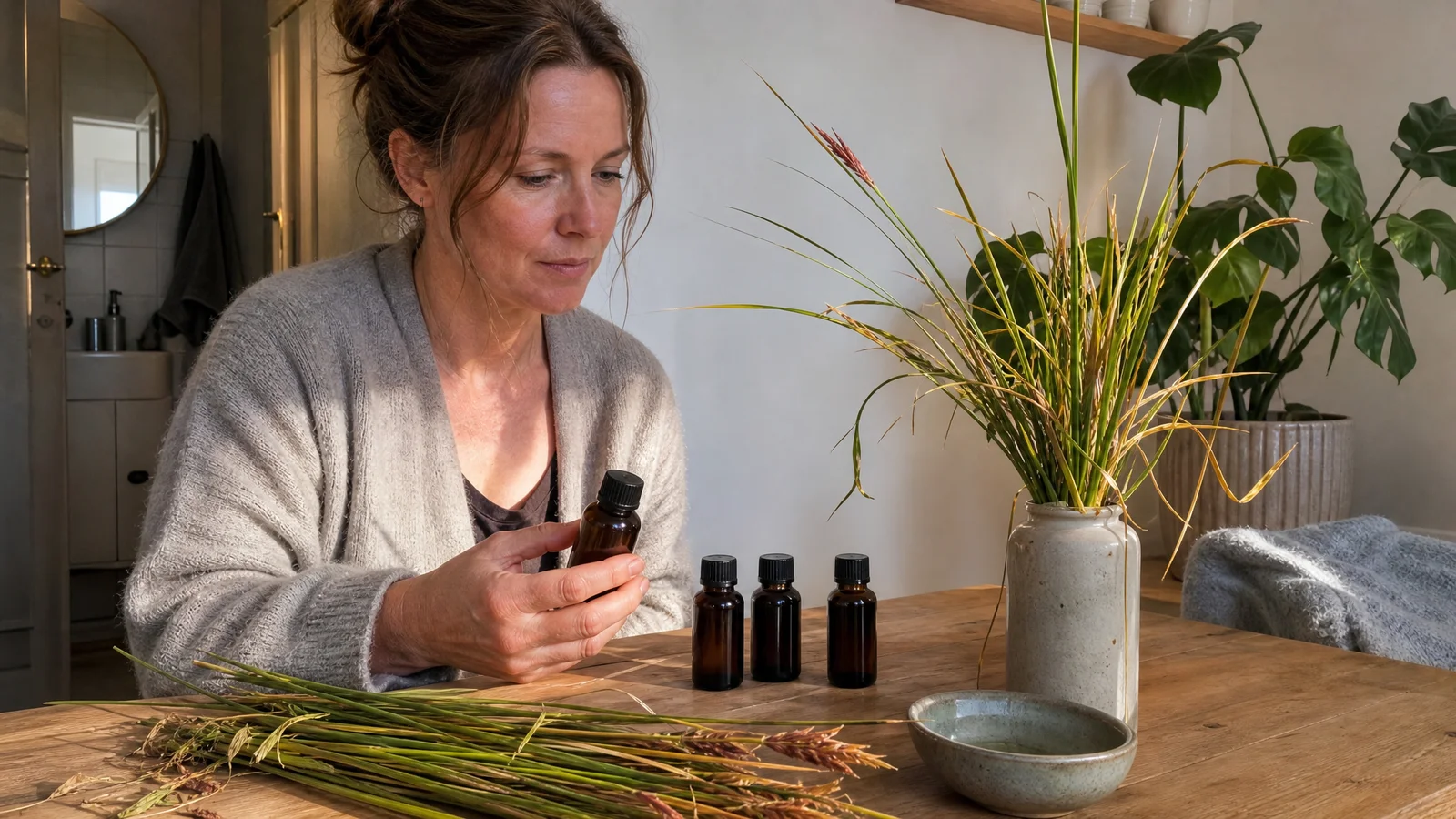
Open it and smell it. You are looking for a sweet, rosy scent with a gentle green streak and a soft lemony hint, in a light yellow liquid that pours like water. Check that the label matches the listing, then set it somewhere cool and dim. If something looks or smells very different from what you read, write to the seller and say so; a good one will want to know.
If you make soap, candles or home fragrance
Your questions are quantity and paperwork. Rinse-off products can carry more geraniol than leave-on ones: IFRA's limit for rinse-off body and hand products, the category that covers bar soap, is 2.8%, against 0.78% for a facial moisturizer. Ask any seller whether they can supply an IFRA certificate or a composition you can run the sums on. We do not publish an IFRA certificate or composition data for our oil, so if you need geraniol or GC-MS numbers, ask us in writing before you order. Our soap and scrub post works through quantities.
If you are buying for a business
Treat the first order as a trial. Our wholesale page offers a sample bottle you can evaluate in your own product, a consultation form, private-label filling done in-house on an automated line, and a route to quantities above 400 lb. Orders ship from our US-based facility within one to two business days, and bulk sizes can need a little extra handling time. Use the sample to check the scent and your formula, then put your requirements for the production lot in writing: botanical name, part used, a GC-MS report with the laboratory named, and the lot it covers. The bulk page lists the larger sizes. The Certificate of Analysis we publish is for a single batch and gives density, refractive index and optical rotation, so a report for your own lot is the document to ask for, from us or anyone.
Planning a first order
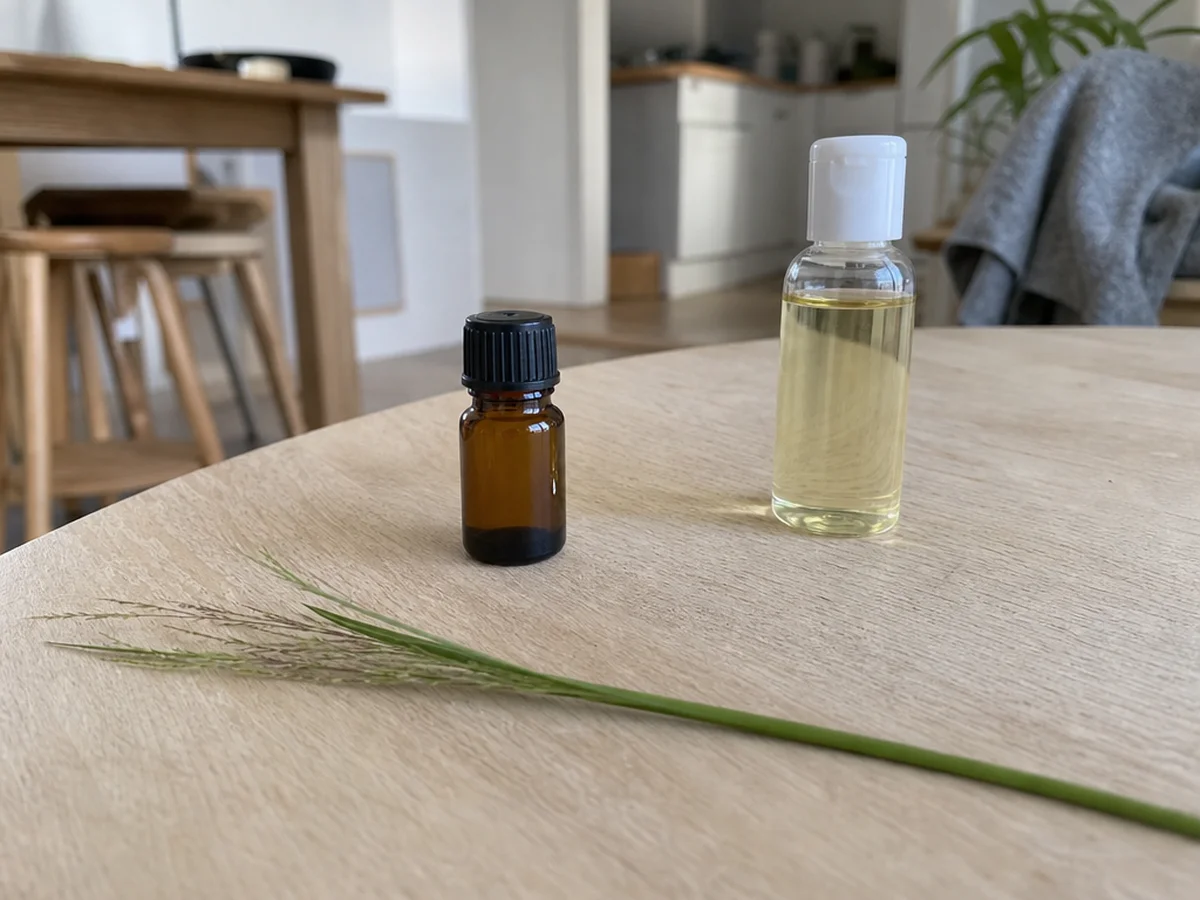
Before you contact anyone, write down what you plan to make and roughly how much you expect to use in a month. It makes the conversation quicker and the answers more useful. When a sample arrives, put it into your real formula and let the result sit for a few days before you judge, because first impressions of a scent change as a product settles.
Five questions for any seller
- What are the botanical name, the part used and the CAS number? Our label guide explains why the CAS number matters.
- Is the bottle the oil alone? A US cosmetic label lists ingredients in descending order of predominance, so a carrier would appear first on a pre-diluted bottle.
- Which document covers my lot, and who made it? A laboratory name, a date and a lot number are the minimum.
- What does the listing say the oil does? The FDA treats a fragrance sold with "aromatherapy" claims such as helping sleep as meeting the drug definition, so a listing built on those claims is worth a question. We describe palmarosa as a fragrance material and make no therapeutic claims.
- What happens if I am not satisfied? Ask for the return and contact route in writing before you buy.
Once the paperwork looks right, compare prices on a per-millilitre basis (our price comparison guide shows how) and use our quality checks as your list. When the bottle arrives, check that the label matches the listing, patch test a diluted drop before wider use, and keep it tightly capped away from heat and light. A good seller will be glad you asked.
Whoever you end up choosing, a seller who answers plain questions plainly is worth more than a pretty listing, and the best bottle is the one you understand well enough to use with confidence.
Palmarosa Essential Oil
Palmarosa Essential Oil from our own shop, in sizes from 0.5 oz to bulk.
From $10.99
Shop Now →Sources & Further Reading
- Pierson M, Fernandez X, Antoniotti S, 2021. Type and magnitude of non-compliance and adulteration in neroli, mandarin and bergamot essential oils purchased on-line: potential consumer vulnerability. Scientific Reports
- Raeber J, Favrod S, Steuer C, 2023. Determination of Major, Minor and Chiral Components as Quality and Authenticity Markers of Rosa damascena Oil by GC-FID. Plants
- IFRA, 2023. IFRA Standard: Geraniol, 2023 (Amendment 51)
- Legal Information Institute, 21 CFR 701.3 - Designation of ingredients
- US FDA, Is It a Cosmetic, a Drug, or Both? (Or Is It Soap?)