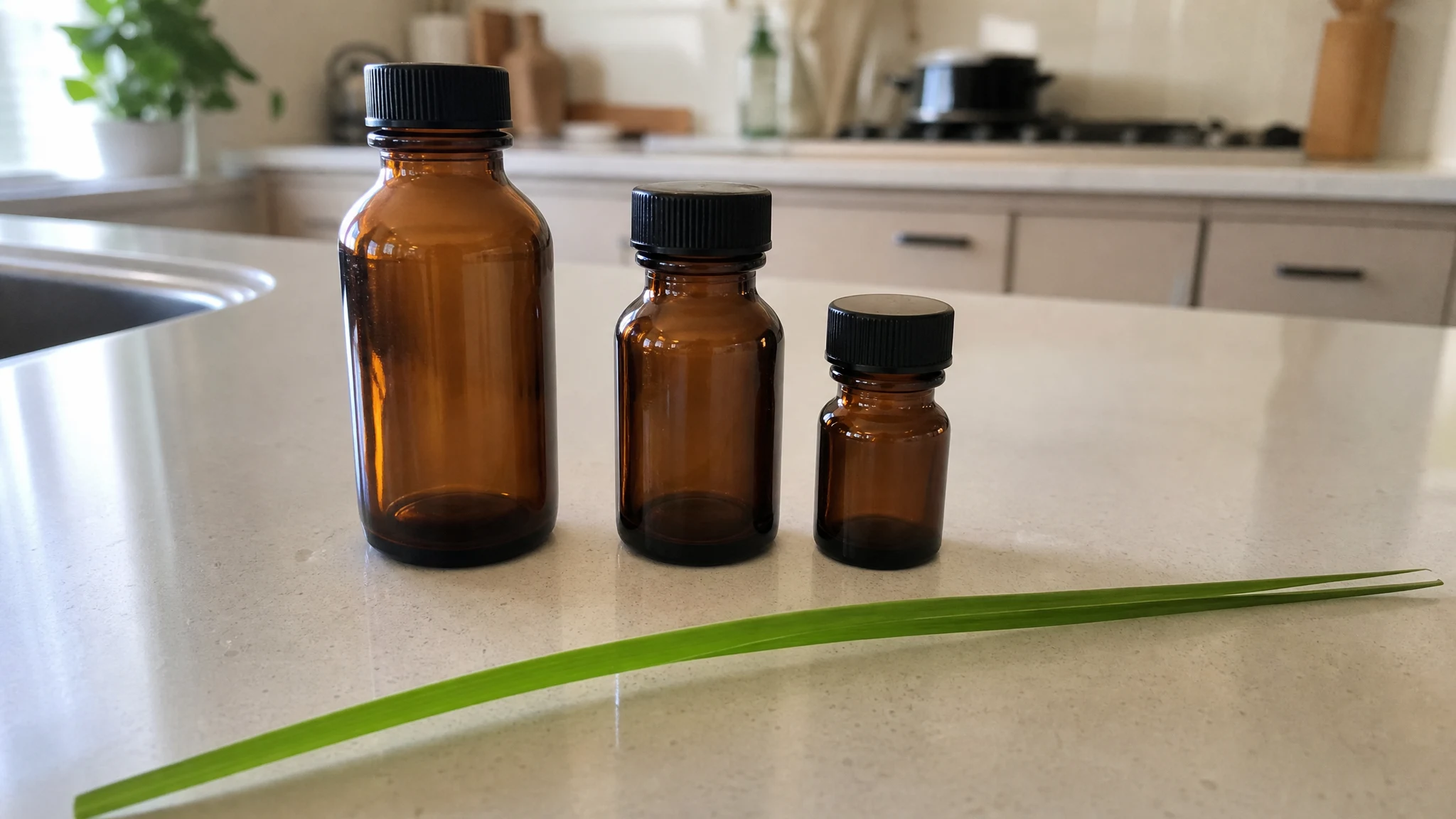
Palmarosa Bottle Sizes: Which One to Start With?
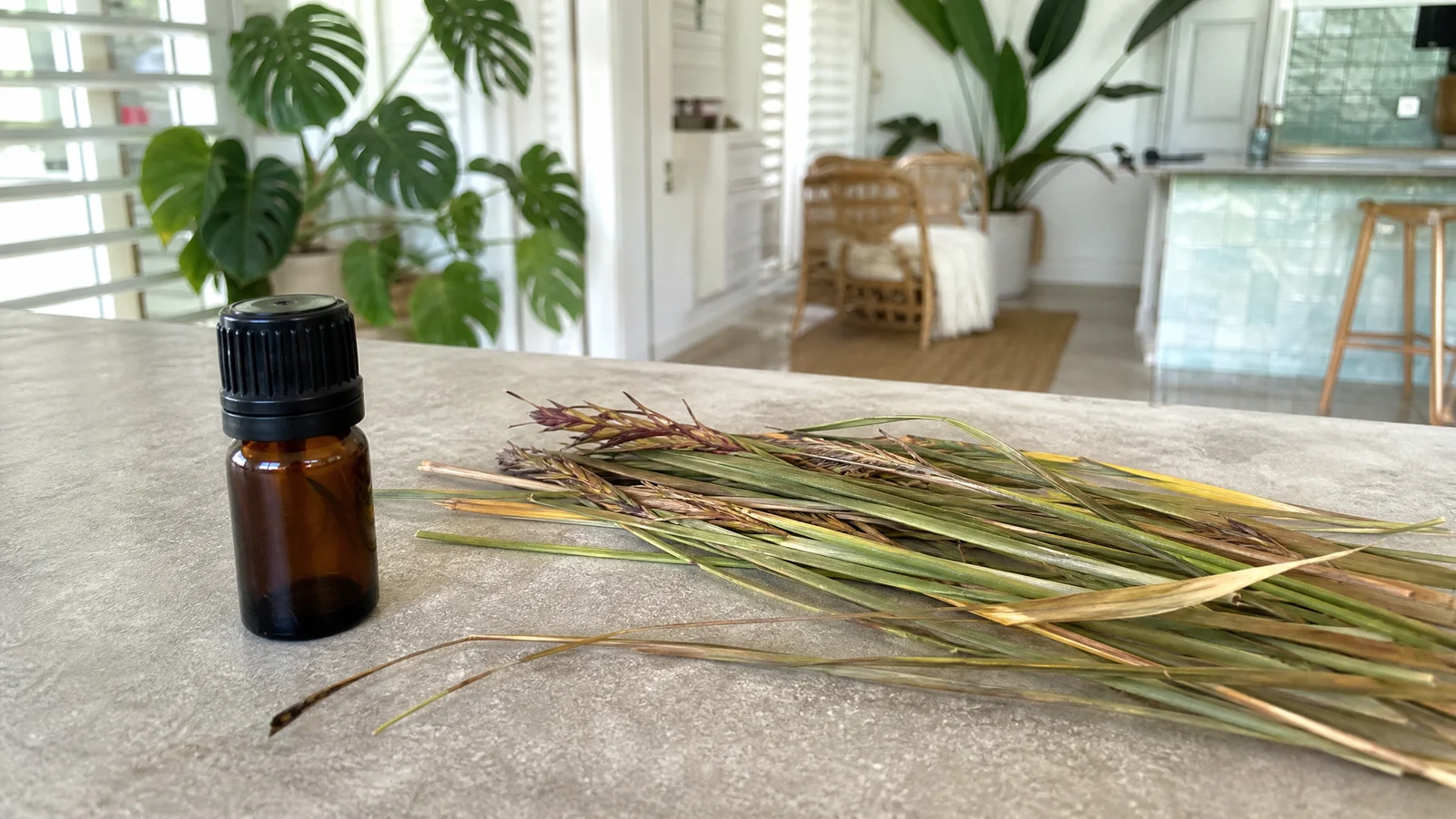
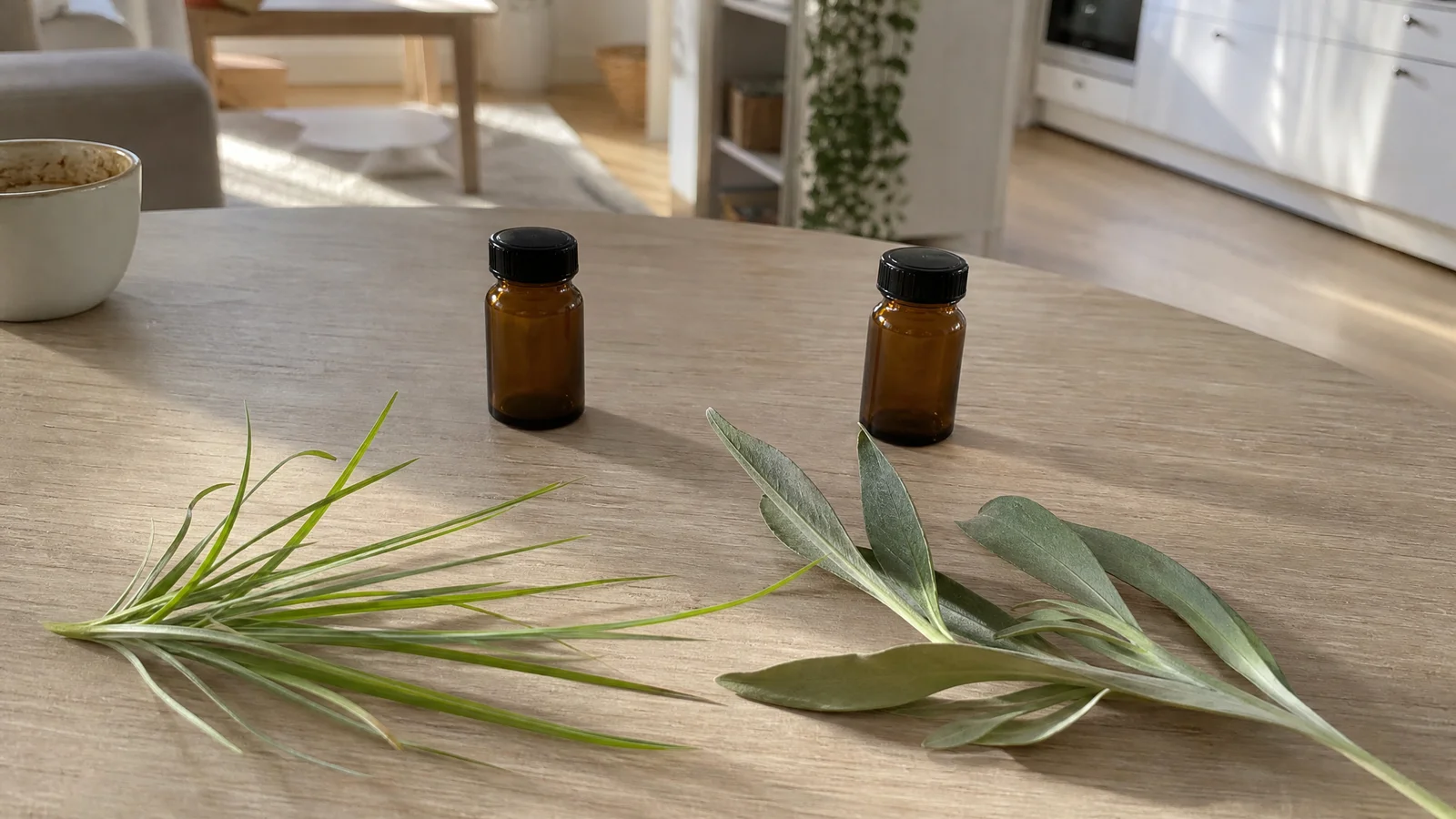
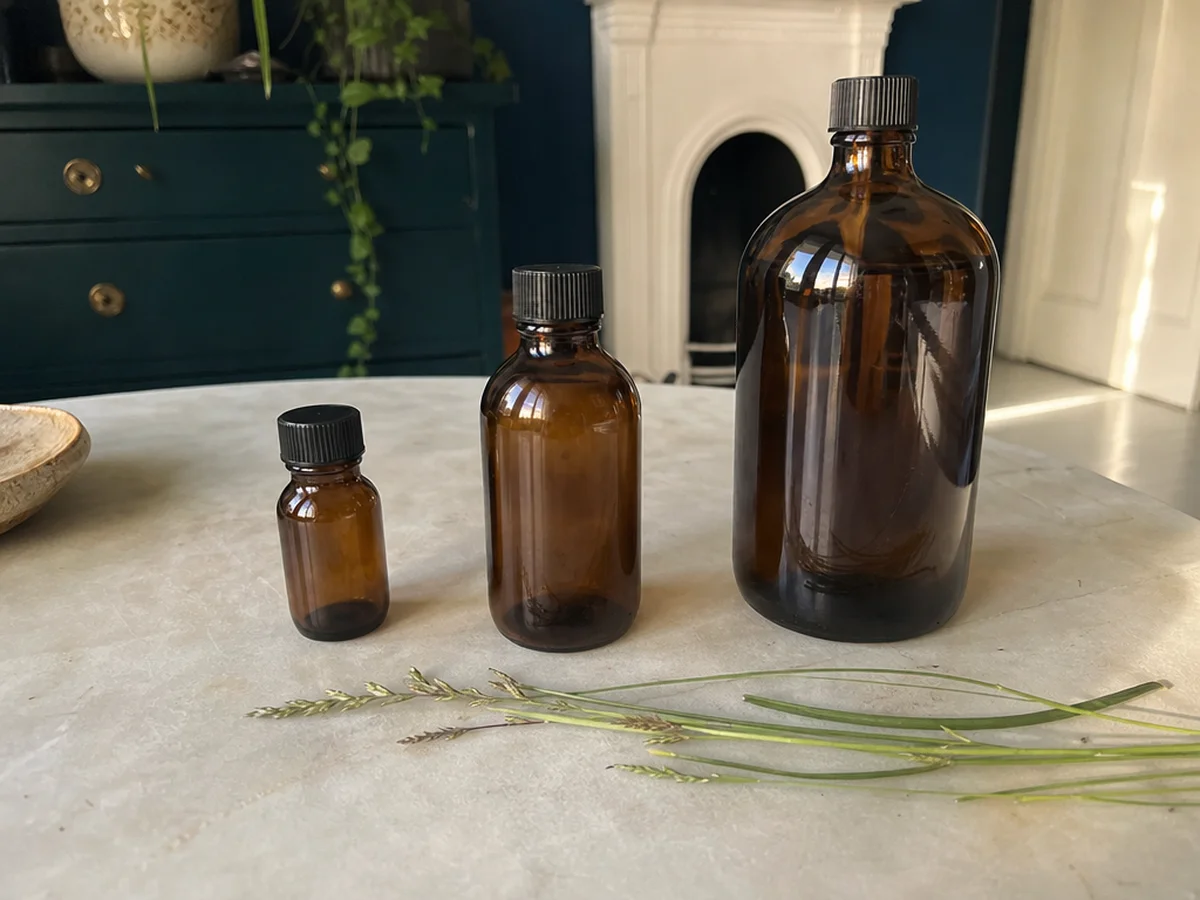
Start small. Palmarosa oil goes into a blend a fraction of a millilitre at a time, so even our 0.5 oz bottle makes dozens of finished products, and a larger bottle only makes sense once you have a project that can use it before the oil ages. Here is how each size we sell translates into things you can actually make.
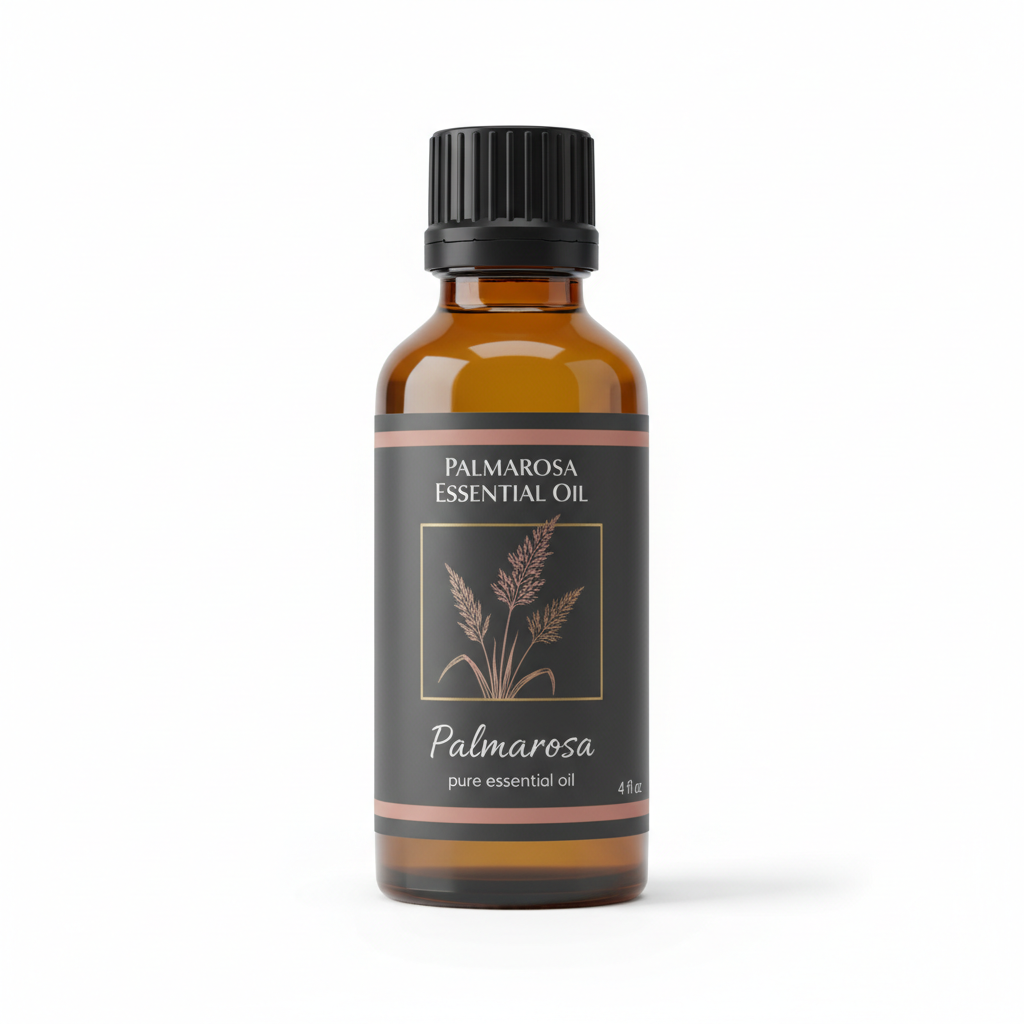
Palmarosa Essential Oil
Our own Palmarosa Essential Oil, in sizes from 0.5 oz to bulk.
From $10.99
Shop Now →What each bottle holds
Recipes are written in millilitres and grams, bottles in ounces, and the bridge between them is density. The Certificate of Analysis we publish lists a relative density of 0.888 at 20 C for one batch, so 1 ml of that batch weighs about 0.888 g and a fluid ounce (29.57 ml) weighs about 26.3 g. That is one batch rather than a promise about every lot, but it is close enough for planning.
| Size | Volume | 1 oz blends at 0.95% oil |
|---|---|---|
| 0.5 oz | 14.8 ml | about 53 |
| 1 oz | 29.6 ml | about 105 |
| 2 oz | 59.1 ml | about 211 |
| 4 oz | 118 ml | about 421 |
| 8 oz | 237 ml | about 842 |
| 16 oz | 473 ml | about 1,684 |
The last column counts one-ounce bottles of finished oil blend you could fill, ignoring what clings to the dropper. The bulk sizes scale the same way: on that density, 5 lb is roughly 2.6 litres, 25 lb about 13 litres, 100 lb about 51 litres and 400 lb about 204 litres, volumes that belong to production runs rather than a kitchen counter.
Why the table says 0.95% and not 2%
Our general guidance is to dilute palmarosa to between 0.5% and 2% in a carrier oil and patch test before wider use. For leave-on skin products there is a tighter figure worth knowing. IFRA, the fragrance industry's standard-setting body, limits geraniol, palmarosa's main component, by product category: 0.78% in a facial moisturizer, 1.2% in body creams and oils and 0.25% in underarm products. IFRA's own composition table gives palmarosa oil about 82.4% geraniol, so dividing 0.78% by 0.824 gives roughly 0.95% oil for a facial product, and 1.2% gives roughly 1.46% for a body oil. That is our arithmetic from IFRA's typical composition, not a measurement of our oil.
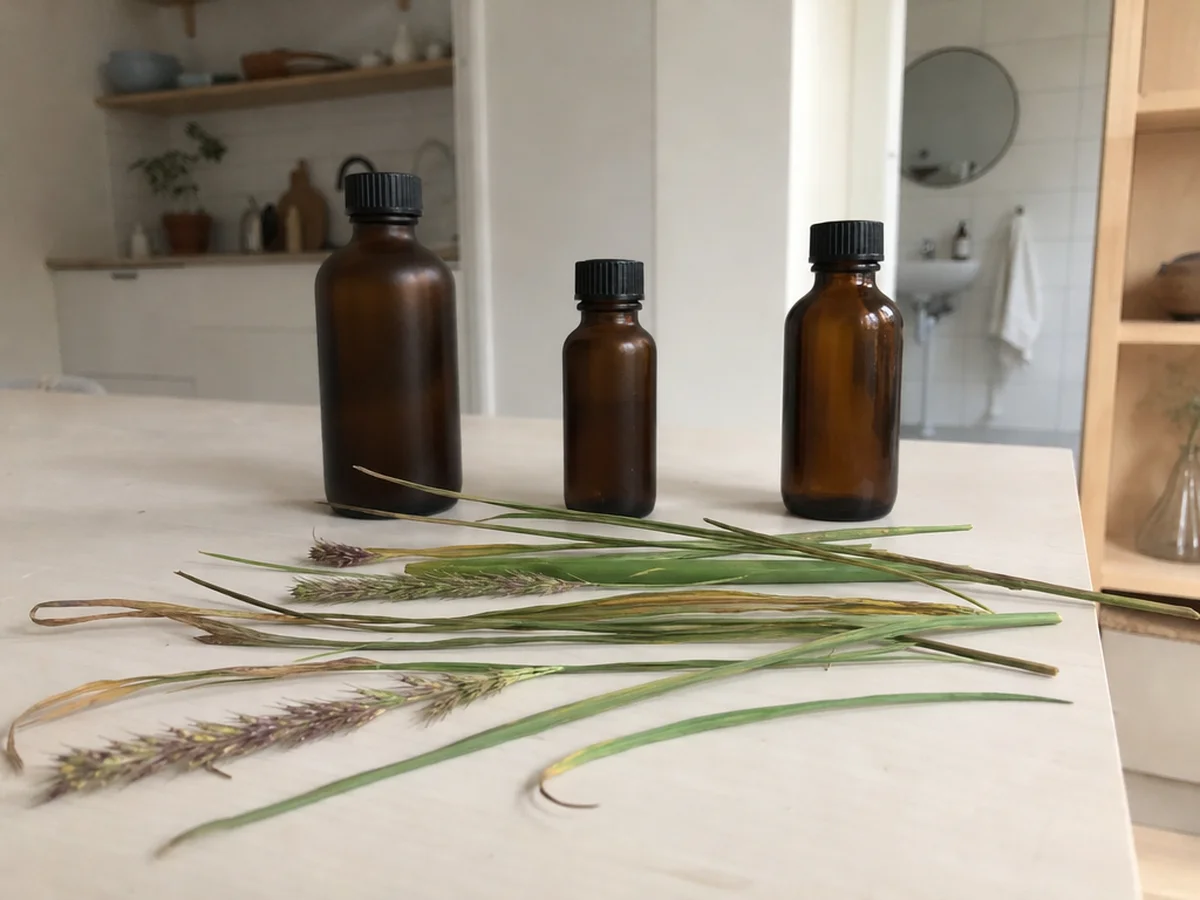
The same sum puts 2% oil at about 1.65% geraniol, which is why we suggest starting at 0.5% for the face and treating the top of the 0.5% to 2% line as a ceiling for other uses. Our dilution chart carries the full conversion.
Making a bottle last
At 0.95% oil, a one-ounce blend uses about 0.28 ml. If you made a fresh one-ounce facial oil every week, a 0.5 oz bottle would last about a year, and a 4 oz bottle would last roughly eight, well beyond the typical two to three years we give for oil kept tightly capped, out of direct light and away from heat. These week-by-week figures are an illustration of the maths, not a recommendation to blend on that schedule.
Freshness matters for a skin-contact reason as well. Laboratory work on geraniol found that it reacts with air to form hydrogen peroxide and the aldehydes geranial and neral, and that the air-exposed material had a stronger skin-sensitising effect in mice than purified geraniol. A big bottle opened many times holds more air above less oil. If you do buy large, store it sealed, cool and away from direct light, and decant working amounts into smaller airtight bottles. Our storage guide has the details.
Starting small is not settling
There is a quiet pleasure in a small bottle. You use it up while the scent is still bright, you get to know the oil before committing to more, and you are never tempted to stretch a blend past its best. We would rather you came back for a second bottle because you loved the first than sat on a large one you were never going to finish.
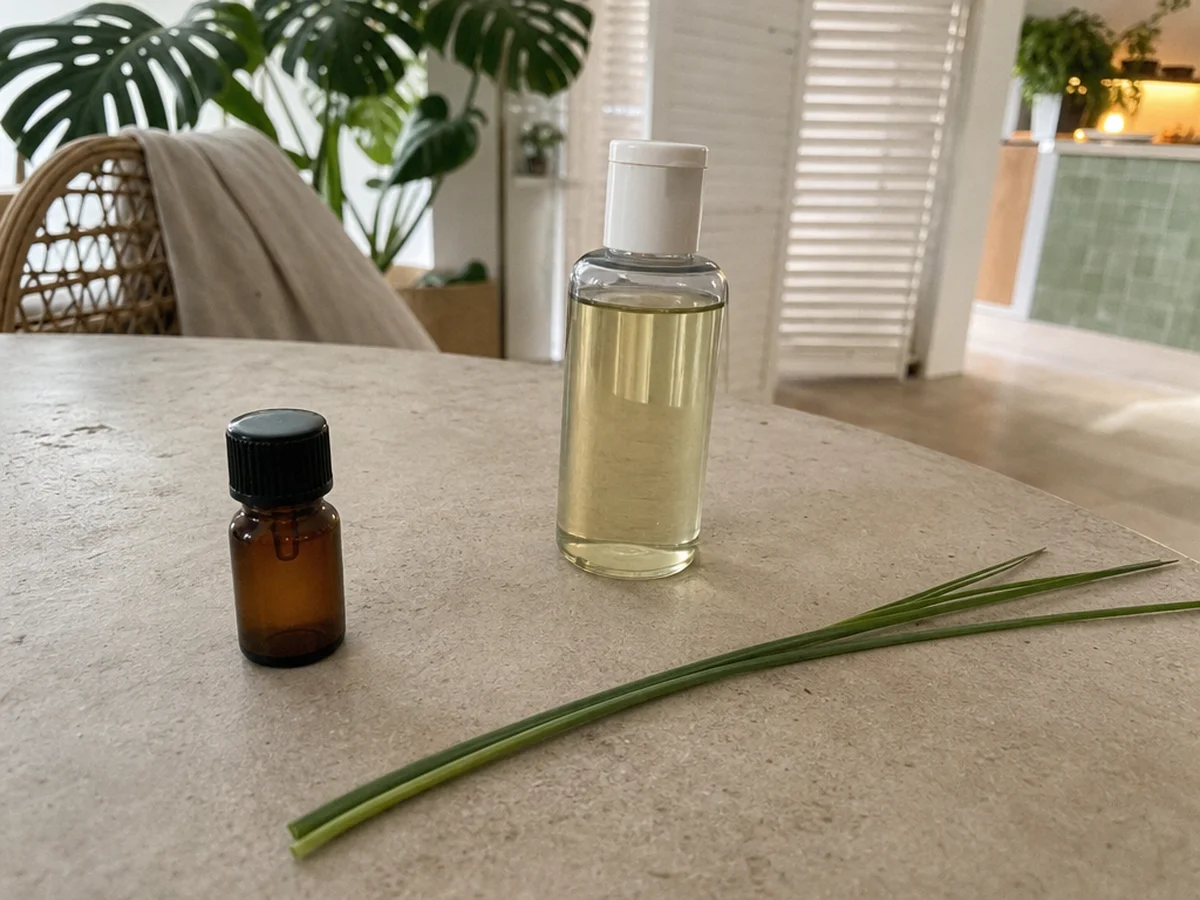
Matching size to project
- Getting to know the scent, or one or two blends: the 0.5 oz or 1 oz bottle. Even the smallest is generous at skin-product percentages.
- Leave-on blends for a household: 1 oz or 2 oz. The percentage and the freshness window set your limit, well before the size does. We do not sell carrier oils, so pick up jojoba or sweet almond from a craft shop or grocery; our carrier oil guide helps you choose.
- Bar soap: IFRA's geraniol limit for rinse-off body products, the category its guidance applies to bar soap, is 2.8%, a ceiling of about 3.4% oil by the same sum. In 1 kg of soap that is about 34 g, a little over an ounce by weight. It is a ceiling and not a recipe, and our soap and scrub post covers method.
- Candles: IFRA places candles in category 12, which carries no geraniol restriction because skin exposure is negligible. That says nothing about burn performance, so run your own trials.
- Production quantities, 5 lb to 400 lb: ask us in writing for the data you need on the lot you will receive, such as a GC-MS report, before you rely on it. The Certificate of Analysis we publish covers a single batch and shows density, refractive index and optical rotation. Our bulk page lists the sizes, and our wholesale page offers a sample bottle to evaluate in your own product.
A quick way to decide: write down the product, the percentage and how much you will make each month, multiply to get millilitres of oil, and divide a candidate bottle by it. If the answer runs longer than a couple of years, drop down a size. The little bottle is a fine way to fall in love with the scent, and the arithmetic says it will last longer than you expect.
Palmarosa Essential Oil
Palmarosa Essential Oil from our own shop, in sizes from 0.5 oz to bulk.
From $10.99
Shop Now →Sources & Further Reading
- IFRA, 2023. IFRA Standard: Geraniol, 2023 (Amendment 51)
- IFRA, 2023. Annex on contributions from other sources to the IFRA Standards (51st Amendment)
- IFRA, 2023. Guidance for the Use of IFRA Standards (June 30, 2023)
- Hagvall L et al., 2007. Fragrance compound geraniol forms contact allergens on air exposure. Identification and quantification of oxidation products and effect on skin sensitization. Chemical Research in Toxicology