Does Palmarosa Oil Repel Mosquitoes? What Agencies Say
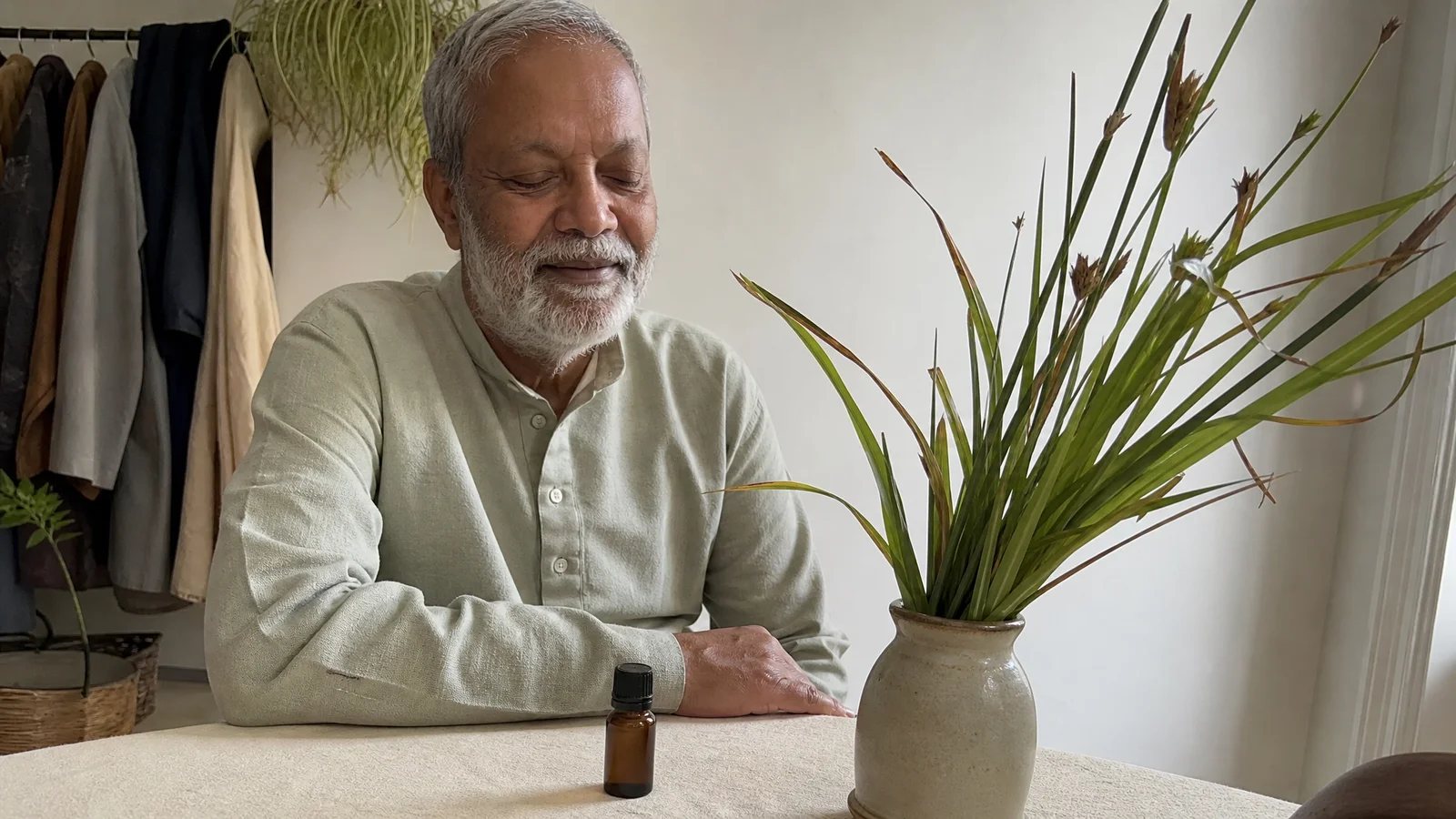
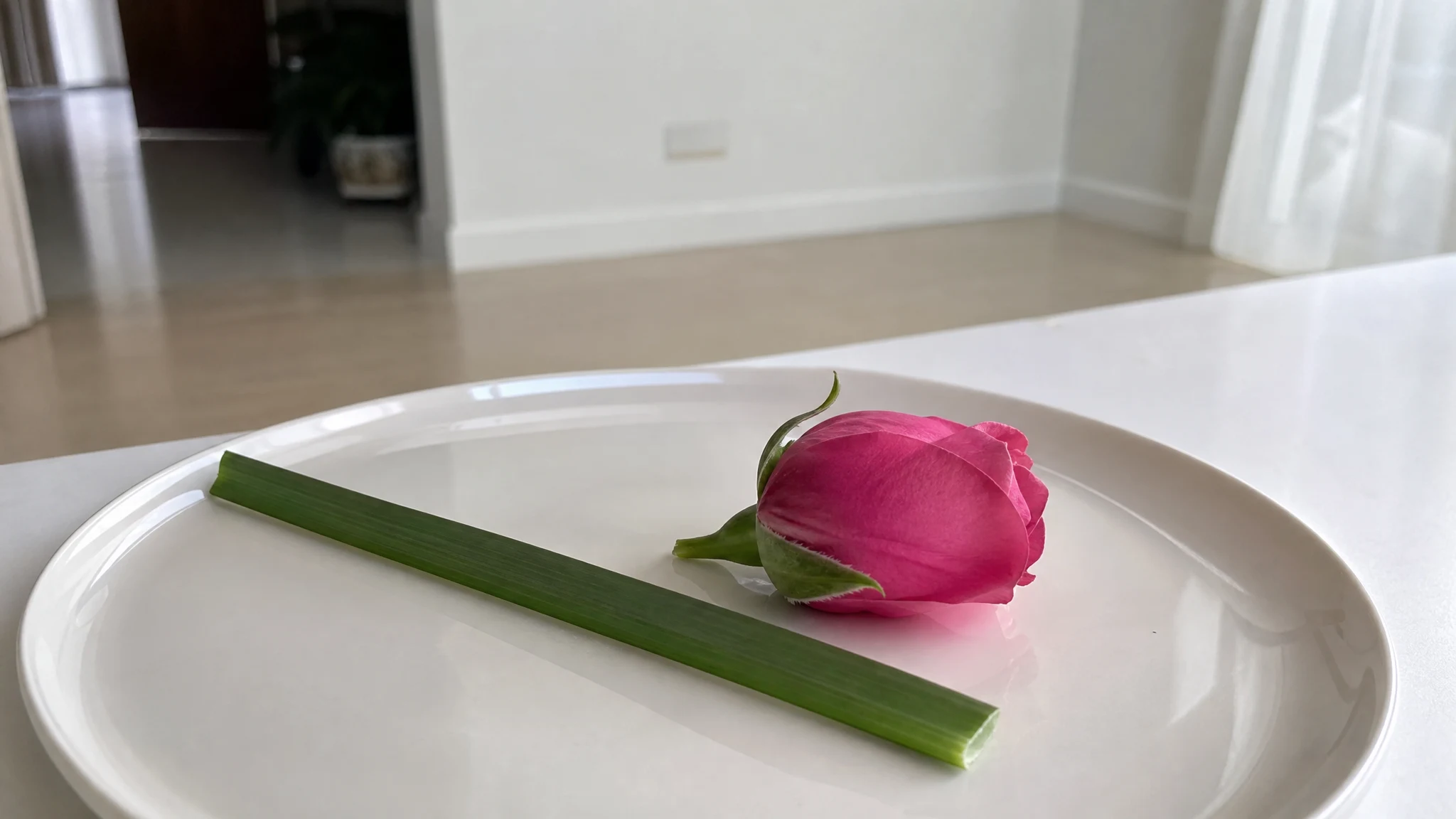
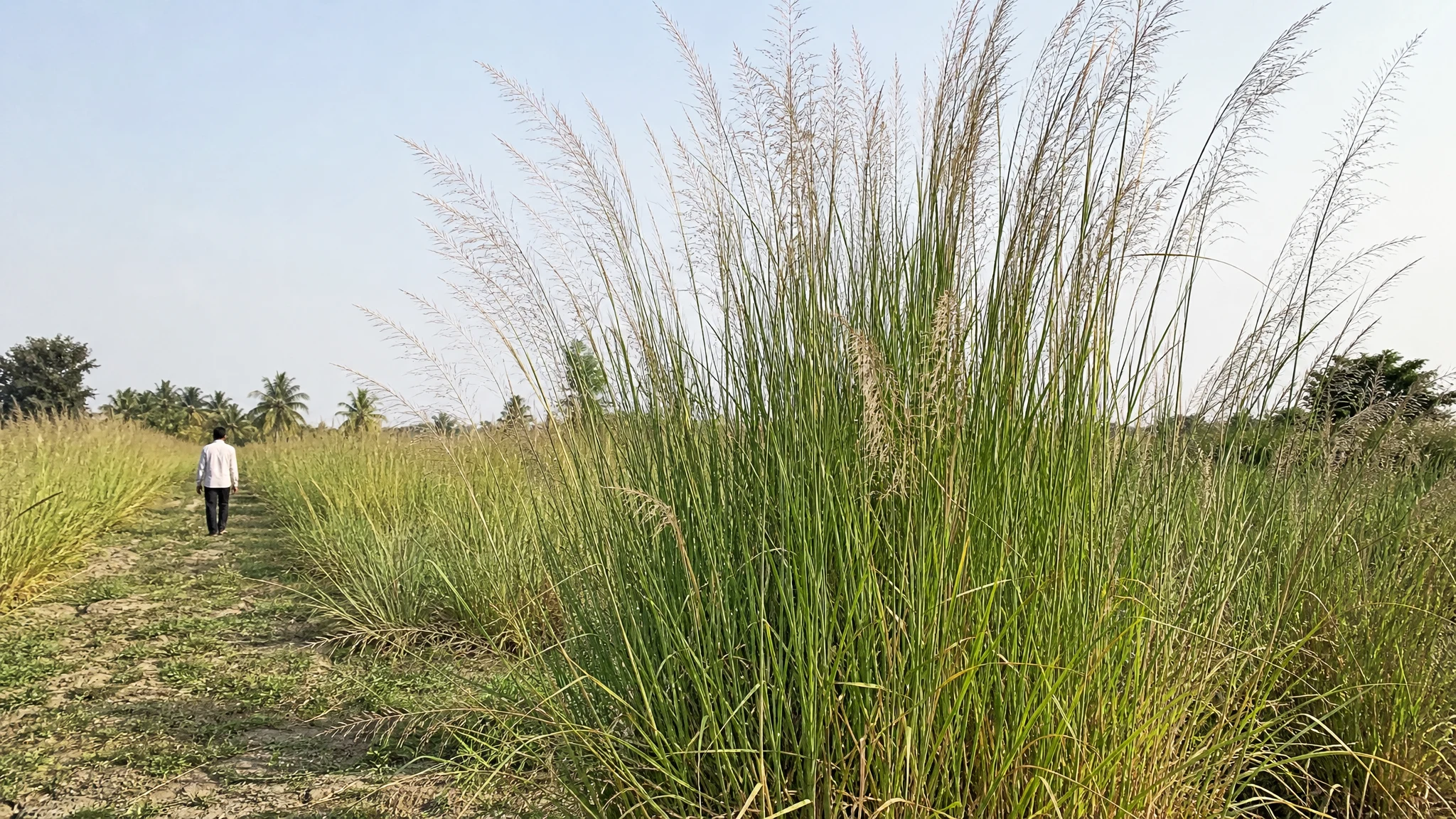
Palmarosa belongs on a summer porch: it is green, rosy and bright, and it smells like warm grass after rain. Because its main ingredient, geraniol, turns up in studies of insect repellents, people reasonably ask if a bottle of palmarosa can double as bug protection. The short answer is that it is a fragrance material, and the people who set the standards for repellents point to something else.
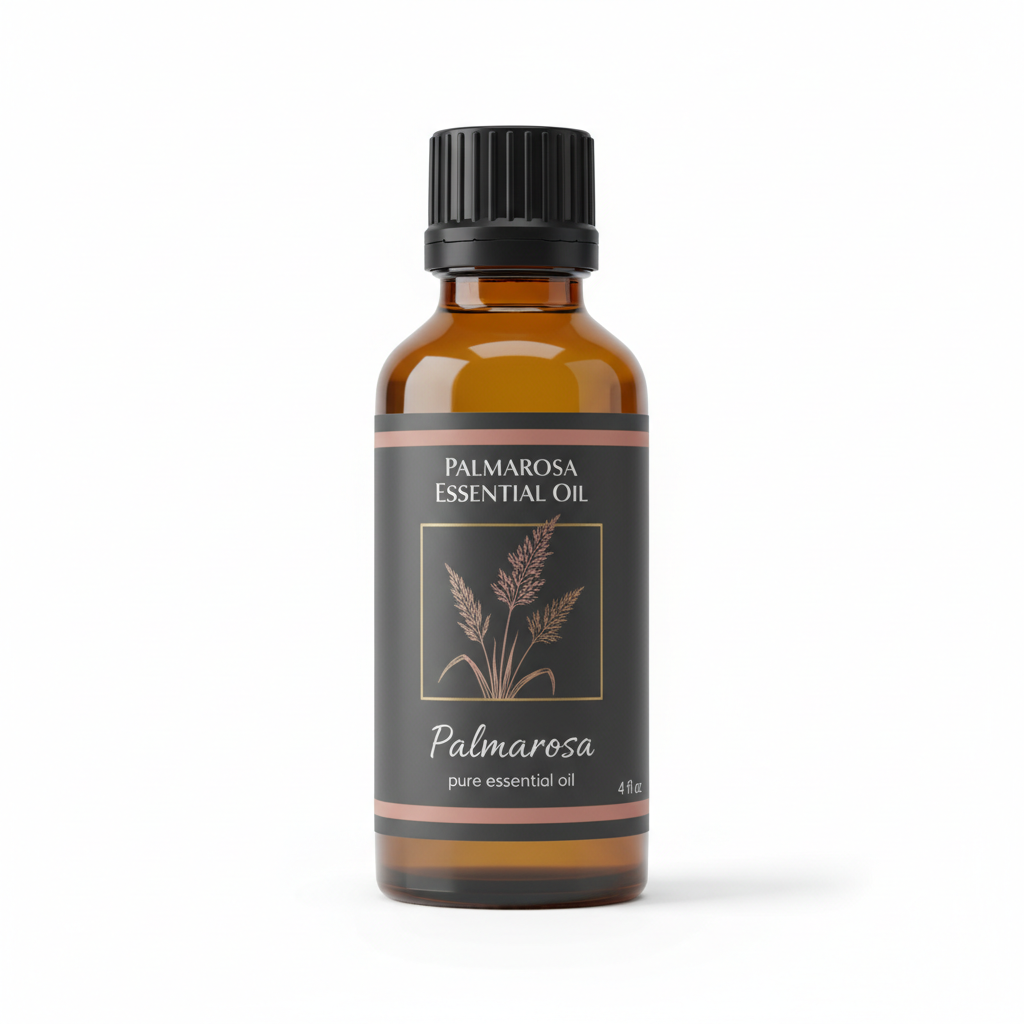
Palmarosa Essential Oil
Our own Palmarosa Essential Oil, in sizes from 0.5 oz to bulk.
From $10.99
Shop Now →What the agencies point to
The EPA suggests looking for an EPA registration number on the label of any repellent, which tells you the manufacturer gave the agency technical data on how well the product works (Using Insect Repellents Safely and Effectively). The CDC lists the registered active ingredients it recommends: DEET, picaridin, IR3535, oil of lemon eucalyptus, para-menthane-diol and 2-undecanone. It also says plainly that the effectiveness of non-registered repellents, including some natural ones, is unknown (Preventing Mosquito Bites). Palmarosa oil is not on that list.
There is also a middle category that confuses shoppers. Some products made from common plant oils are exempt from registration under a federal rule for "minimum risk" pesticides. The rule's table names geraniol, citronella oil, lemongrass oil and geranium oil, and palmarosa oil is not in it. The same rule forbids such products from claiming to control disease-carrying pests (40 CFR 152.25 - Exemptions for pesticides of a character not requiring FIFRA regulation). Exempt from registration is therefore a different thing from shown to work.
What the studies tested
The research that gets quoted is interesting, and reading it closely is half the fun.
A 2023 team tested 20 oils and oil compounds from that exempt list, each at 10% in an unscented lotion, with mosquitoes in a cage and ticks on the arm. Geraniol, along with clove, gave complete protection for more than an hour, while a 10% DEET lotion lasted much longer (Repellent efficacy of 20 essential oils on Aedes aegypti mosquitoes and Ixodes scapularis ticks in contact-repellency assays). Palmarosa oil was not one of the 20. An older study of 38 oils applied to volunteers' forearms found that most did not hold off mosquito bites for two hours at the strengths used; the longest-lasting were oils such as clove and, undiluted, citronella and patchouli (Comparative repellency of 38 essential oils against mosquito bites). A 2026 paper in cat fleas used filter paper rather than skin or animals, and found Cymbopogon martinii oil kept up repellency for 48 hours at a high dose on paper (In vitro insecticidal and repellent activity of Cymbopogon essential oils and geraniol against cat flea).
The picture across all three: geraniol is a molecule scientists find worth studying, and the results come from specific materials, doses and set-ups. A lab strength of 10% geraniol corresponds to roughly 12% palmarosa oil if you take IFRA's typical 82.4% geraniol figure for it, which is our arithmetic and a different material from any bottle on a shelf. For comparison, we recommend skin dilution between 0.5% and 2%, and the Tisserand Institute's general ranges run from 0.2% to 3% depending on where the product goes (Dilution for essential oils). The doses that interested researchers are far above what is sensible to leave on skin.
Reading a repellent label
Standing in the pharmacy aisle, the label is your friend. Look for the EPA registration number, check the age guidance, and read how often it says to reapply. It is less romantic than a bottle of rose-green oil, but it is the part that does the protecting. Then come home and enjoy the palmarosa for what it is.
How we would use palmarosa outdoors
For its job, which is scent. A few drops in a diffuser on a screened porch, a linen spray for the patio cushions, or a rosy note in a body oil for an evening on the deck. Our body mist and linen spray article works through the dilutions, and palmarosa for summer covers warm-weather blends. If you are in a place where mosquitoes or ticks carry disease, choose a registered repellent for protection and keep the palmarosa for pleasure. Check each label for age guidance, because the EPA notes that some products have restrictions for young children.
Making a porch smell like summer
Picture the evening: a bowl of something cold, low light, and the green-rosy smell of palmarosa drifting from a diffuser at the far end of the table. Keep it a few steps from where people sit, because a scent is nicest when it arrives gently. If you make a linen spray, mist the cushions from a little way off, and you'll notice the aroma fade and return as the fabric warms in the sun. Open a window or door now and then so the scent never sits heavy in a closed room.
If you like reading the original studies as much as we do, the thing to watch for is the unit. A percentage in a lotion, a dose on filter paper and a strength in a broth are three different worlds, and a number only means something next to the setting it came from.
That division of labour lets each do what it does well, and we are comfortable with it. We sell an external cosmetic and fragrance oil, with no claim that it repels or protects.
Cap the bottle after every use, especially when the party moves outdoors, since an open bottle on a garden table is easy to knock over and should stay out of reach of children and pets.
Palmarosa Essential Oil
Palmarosa Essential Oil from our own shop, in sizes from 0.5 oz to bulk.
From $10.99
Shop Now →Sources & Further Reading
- Using Insect Repellents Safely and Effectively, US EPA
- Preventing Mosquito Bites, CDC
- 40 CFR 152.25 - Exemptions for pesticides of a character not requiring FIFRA regulation, Legal Information Institute
- Repellent efficacy of 20 essential oils on Aedes aegypti mosquitoes and Ixodes scapularis ticks in contact-repellency assays, Sci Rep, 2023
- Comparative repellency of 38 essential oils against mosquito bites, Phytother Res, 2005
- In vitro insecticidal and repellent activity of Cymbopogon essential oils and geraniol against cat flea, Vet Parasitol, 2026
- Dilution for essential oils, Tisserand Institute
- Annex on contributions from other sources to the IFRA Standards, IFRA, 51st Amendment, 2023