Palmarosa in Natural Perfume: Using the Rosy Heart Note
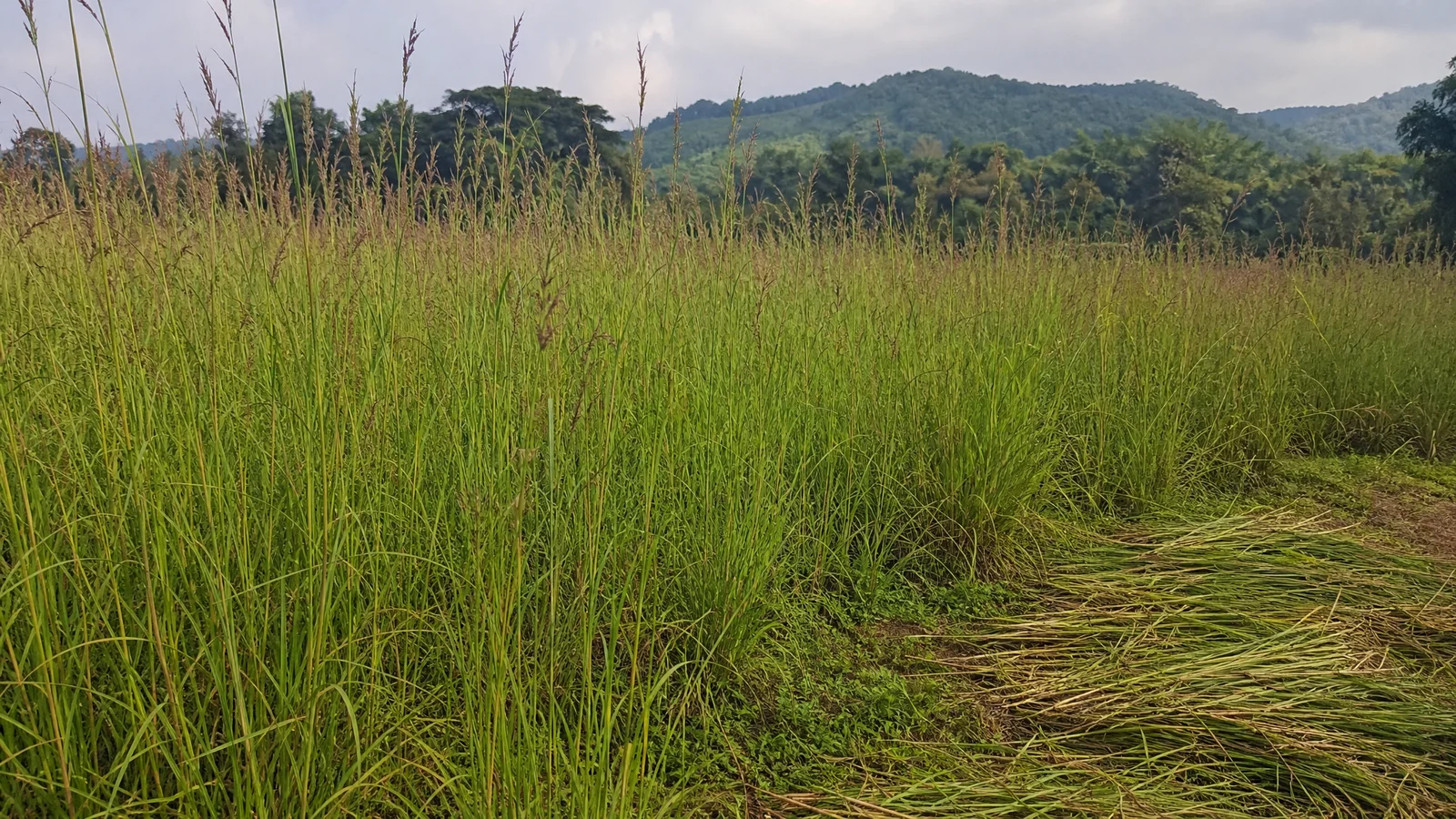
Rose is one of perfumery's great materials, and palmarosa is the grass that smells like it. Its main component, geraniol, is described in reference works as having a "sweet rose odor" and a "pleasant geranium-like odor" (PubChem, Geraniol, odor). That makes palmarosa a natural heart note, and it also means the amount you can use is set by the same molecule that gives it charm.
Palmarosa Essential Oil
Our own Palmarosa Essential Oil, in sizes from 0.5 oz to bulk.
From $10.99
Shop Now →What you smell
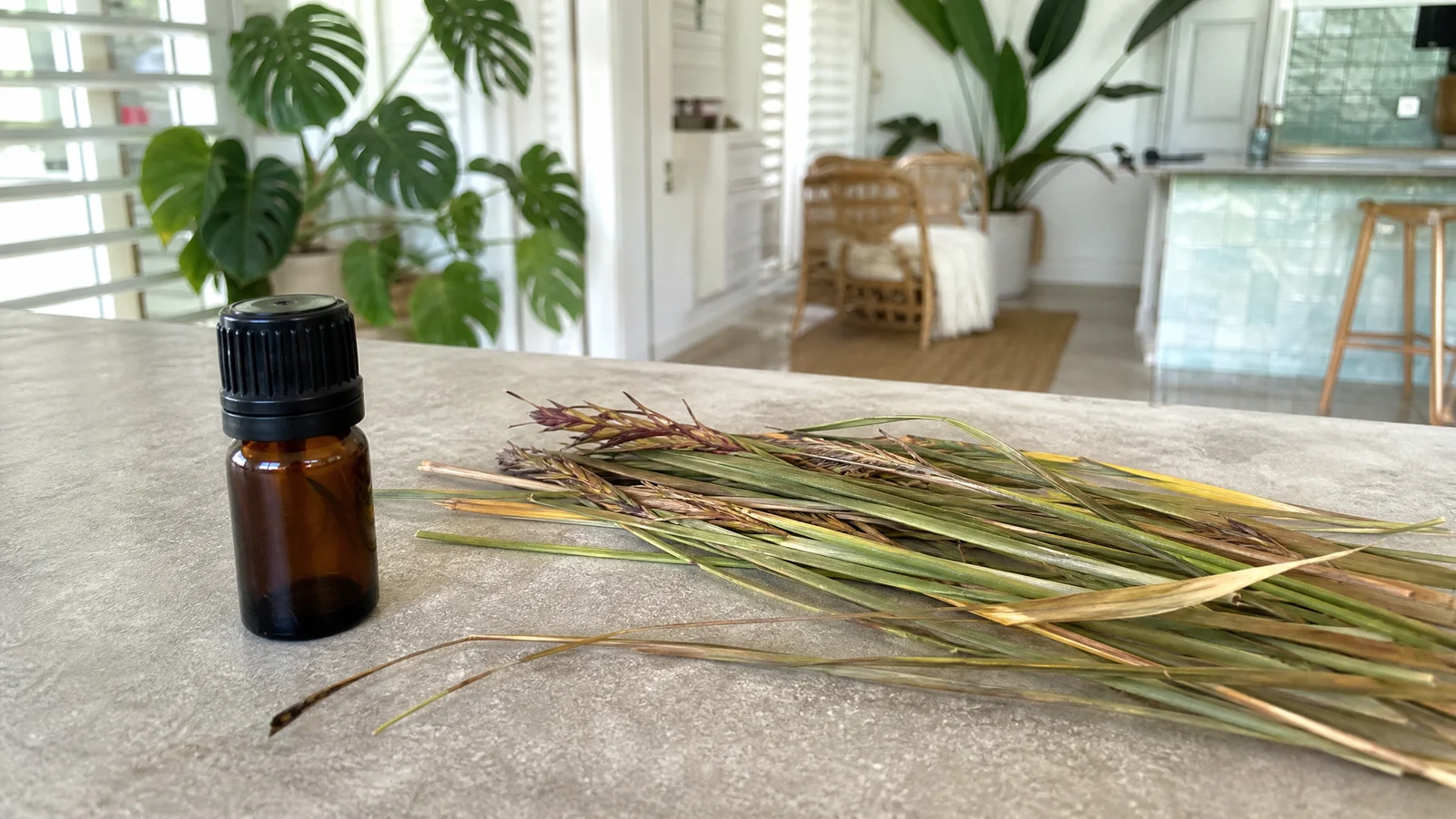
We describe our palmarosa as sweet, rosy and gently green with a soft lemony hint, a middle note, lighter and airier than true rose otto. IFRA lists a typical 82.4% geraniol for the oil, and geranium oil carries 17.7% geraniol alongside 21.1% citronellol in the same table, which is why the two overlap so comfortably in a blend (Annex on contributions from other sources to the IFRA Standards). The Certificate of Analysis we publish is for one batch and records that the smell complies with its standard of "Floral, Grassy, Sweet".
Not every oil sold as palmarosa is the same. A 2023 study of cultivated plants from Sunsari, Nepal, found 76.6% geraniol and 15.2% geranyl acetate in the leaf oil (Dangol et al., Essential Oil Composition Analysis of Cymbopogon Species from Eastern Nepal by GC-MS and Chiral GC-MS, and Antimicrobial Activity of Some Major Compounds). A 2025 study of wild-growing plants from Udaipur, Rajasthan, identified 59 compounds across growth stages without reporting geraniol at all, and its authors said the profile resembled the carveol-rich var. sofia rather than the geraniol-dominant var. motia (Sonigra and Meena, Influence of growth stage on the chemical composition, antimicrobial, and antioxidant potential of Cymbopogon martinii (Roxb.) Wats. essential oil). For a perfumer the lesson is simple: smell a bottle before you build a formula on it. Our smallest size is 0.5 oz, and if your formula depends on the geraniol level, ask us in writing through the contact page for a constituent report on your lot. Our label-reading article goes deeper on species.
Building around a heart note
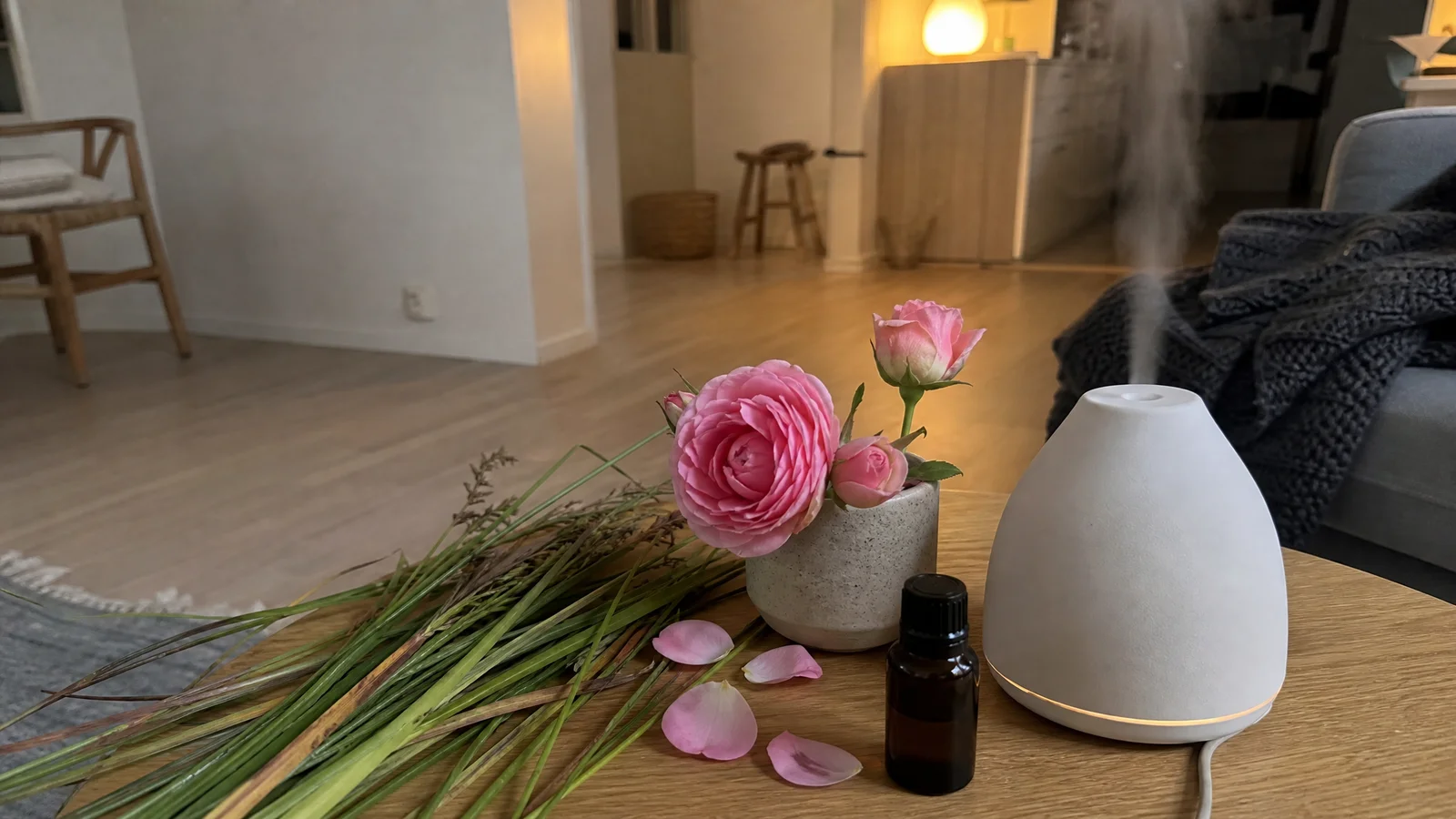
Perfumers talk about notes arriving in stages, and palmarosa is a gentle middle note. When you dip a blotter, you'll notice the opening is fresh and green, then the rosy sweetness settles in as the green fades. That arc is why it works as a heart: it gives a blend a rounded centre that doesn't vanish in the first minute.
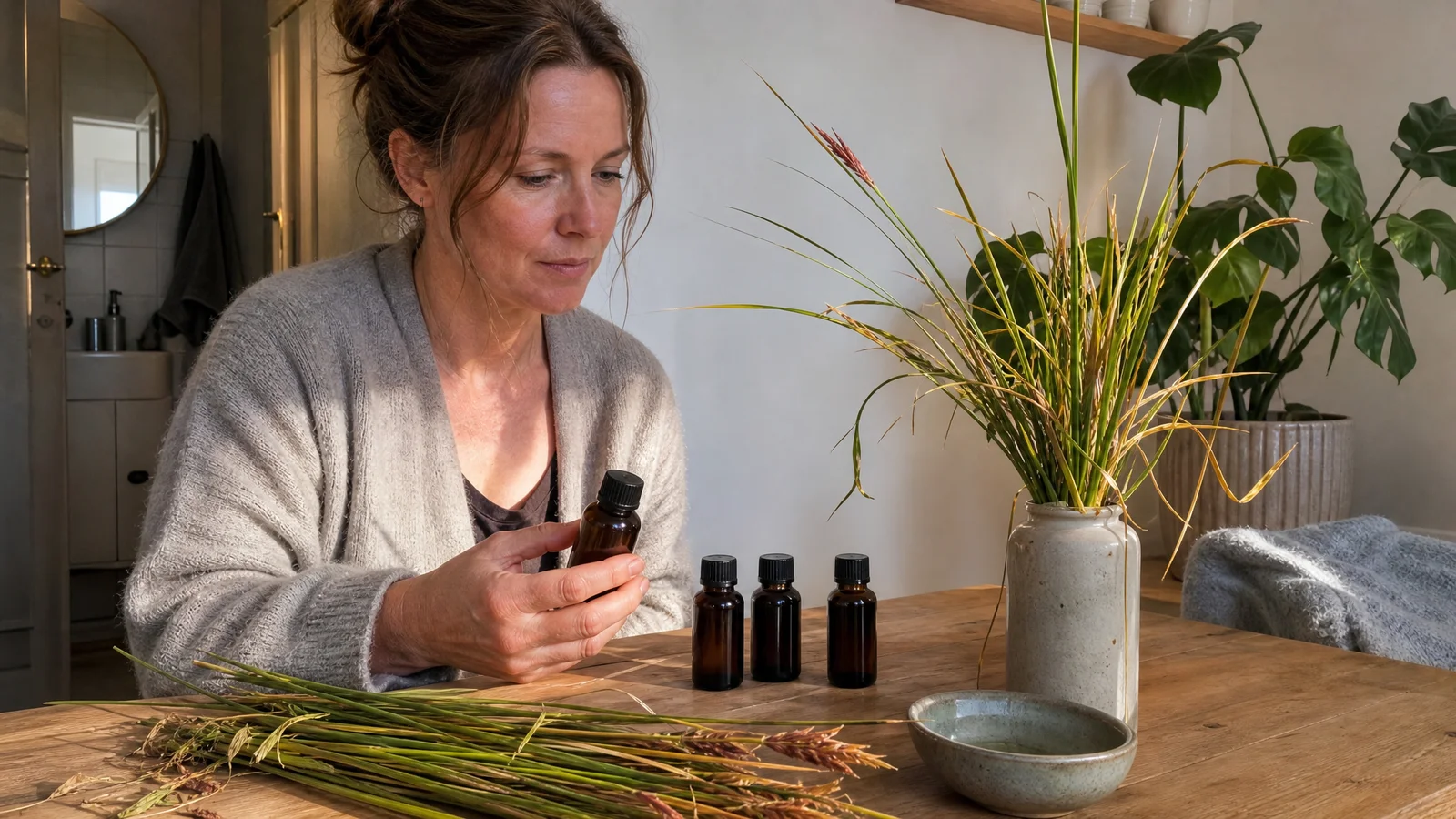
A practical habit is to smell your blend at three moments: right away, after fifteen minutes, and the next morning. A natural perfume changes as it settles, and the version you love on day two may differ from the first sniff.
The ceiling that shapes the formula
IFRA sets the maximum geraniol in a finished product by category. Fine fragrance in the eau de toilette style is category 4 at 4.7%, body oils and lotions are category 5A at 1.2%, and underarm or body-spray products in category 2 are held to 0.25% (IFRA Standard: Geraniol, Amendment 51). IFRA's guidance sorts attar-style oils by how they are used: an oil blended with alcohol as a spray is category 4, an oil worn like a body oil is 5A (Guidance for the Use of IFRA Standards). IFRA is an industry code rather than law, which makes its numbers the best published ceiling for a home perfumer to follow.
Dividing each cap by 0.824 gives the most palmarosa the formula can hold on geraniol alone. This is our arithmetic from a typical value.
| Format | Category | Geraniol cap | Most palmarosa |
|---|---|---|---|
| Alcohol spray | 4 | 4.7% | about 5.7% |
| Perfume oil worn like a body oil | 5A | 1.2% | about 1.46% |
| Body mist, possibly underarm | 2 | 0.25% | about 0.30% |
A spray worked out on paper
This is a formulation built from the numbers above. Take a 20 g spray at a 15% concentrate, which is 3.0 g of oils and 17 g of ethanol; the 15% is an assumption to keep the arithmetic clear.
- Palmarosa alone at 6% of the spray (1.2 g) brings 4.94% geraniol, which is over the 4.7% cap.
- Palmarosa 4.5% with geranium 4.5% reaches 4.50%, under the cap by a thin margin.
- Palmarosa 3% with geranium 4.5% reaches 3.27%, leaving room for natural variation between batches.
Geraniol from every ingredient counts, geranium's included, so we favour the roomy third version over the one that sits near the ceiling. The rest of the concentrate can go to materials with no geraniol line in the IFRA annex, though each oil you add has its own standards to check. Geraniol is soluble in ethanol, and PubChem lists it as 1:3 in 70% alcohol, so these amounts should dissolve in a strong spirit; confirm in your own mix (PubChem, Geraniol, solubility). The ethanol, geranium and other oils come from a perfumery-supplies seller, as we sell only palmarosa.
Keep a notebook
Write down every drop count and every weight. Perfumery runs on notes, and the formula you forget is the one you will never be able to repeat. Label each bottle with the date and the percentages, and keep them somewhere cool and dim.
Wearing it, selling it
Geraniol is a recognised fragrance allergen, so patch test a finished blend on a small area before wearing it widely; our patch testing article explains how. If you plan to sell perfume, a cosmetic regulatory consultant is the right person for labelling in your market. To see how palmarosa sits next to the materials it echoes, try palmarosa versus geranium and our pairing guide.
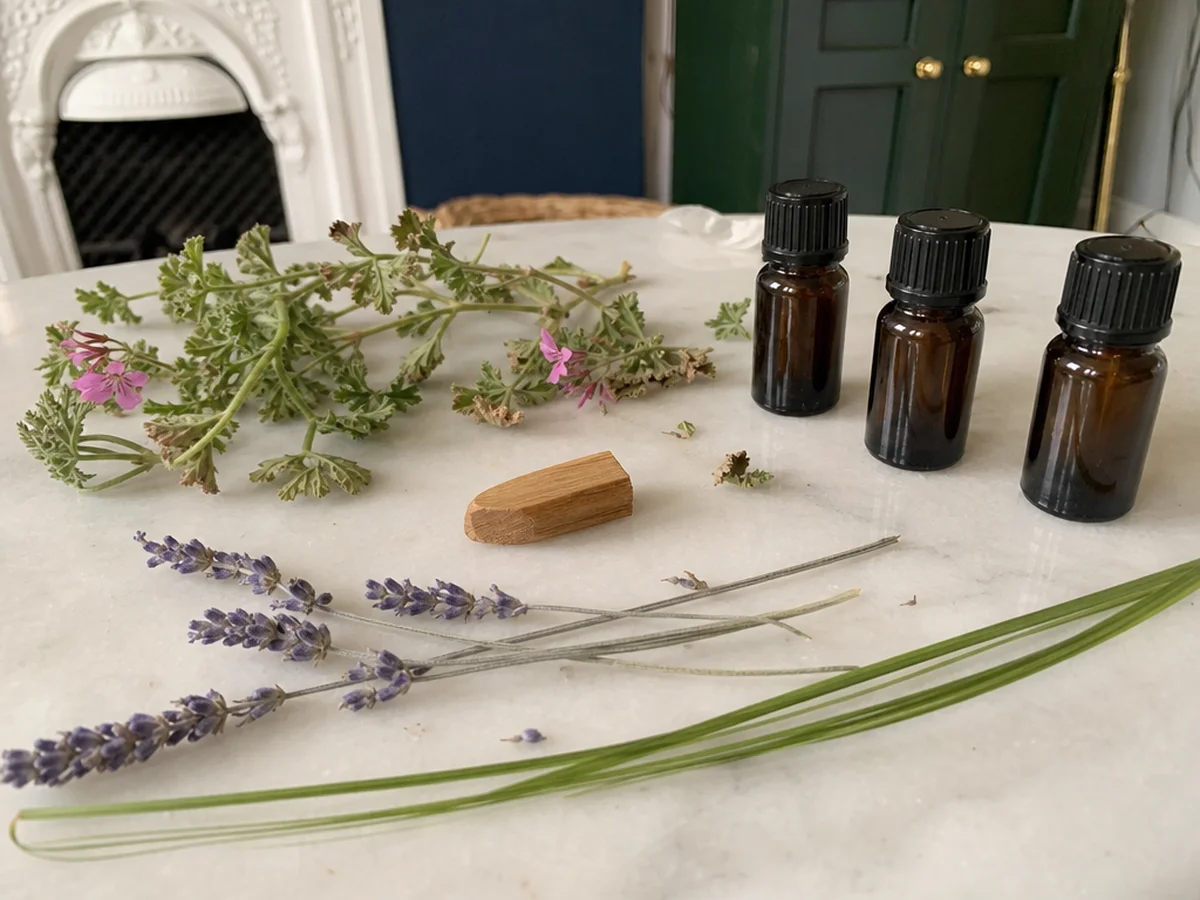
Work out the cap first, then let the rose-leaning heart note have the rest of the room.
Palmarosa Essential Oil
Palmarosa Essential Oil from our own shop, in sizes from 0.5 oz to bulk.
From $10.99
Shop Now →Sources & Further Reading
- IFRA. IFRA Standard: Geraniol (Amendment 51), 2023. IFRA_STD_037.pdf
- IFRA. Annex on contributions from other sources to the IFRA Standards, 51st Amendment. ifra-51st-amendment-annex.xlsx
- IFRA. Guidance for the Use of IFRA Standards, 51st Amendment, 2023. ifra-51st-amendment-guidance.pdf
- PubChem. Geraniol (CID 637566), odor and solubility records. pubchem.ncbi.nlm.nih.gov
- Dangol S et al., 2023. Essential Oil Composition Analysis of Cymbopogon Species from Eastern Nepal by GC-MS and Chiral GC-MS, and Antimicrobial Activity of Some Major Compounds. Molecules 28(2):543. Europe PMC, PMC9863348
- Sonigra P, Meena M, 2025. Influence of growth stage on the chemical composition, antimicrobial, and antioxidant potential of Cymbopogon martinii (Roxb.) Wats. essential oil. Front Plant Sci 16:1660363. Europe PMC, PMC12463950