What Is Palmarosa Oil? The Rose-Scented Grass
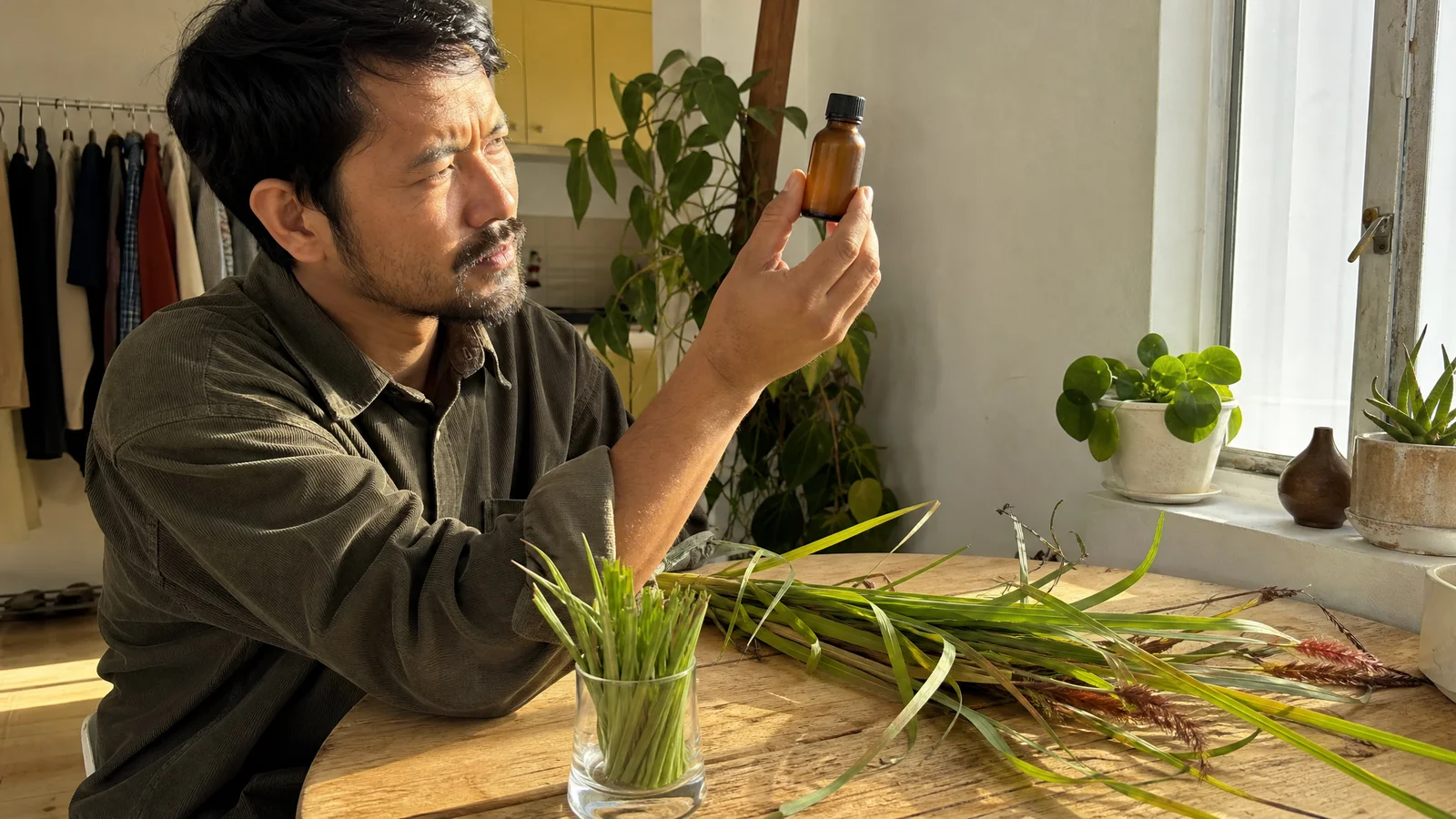
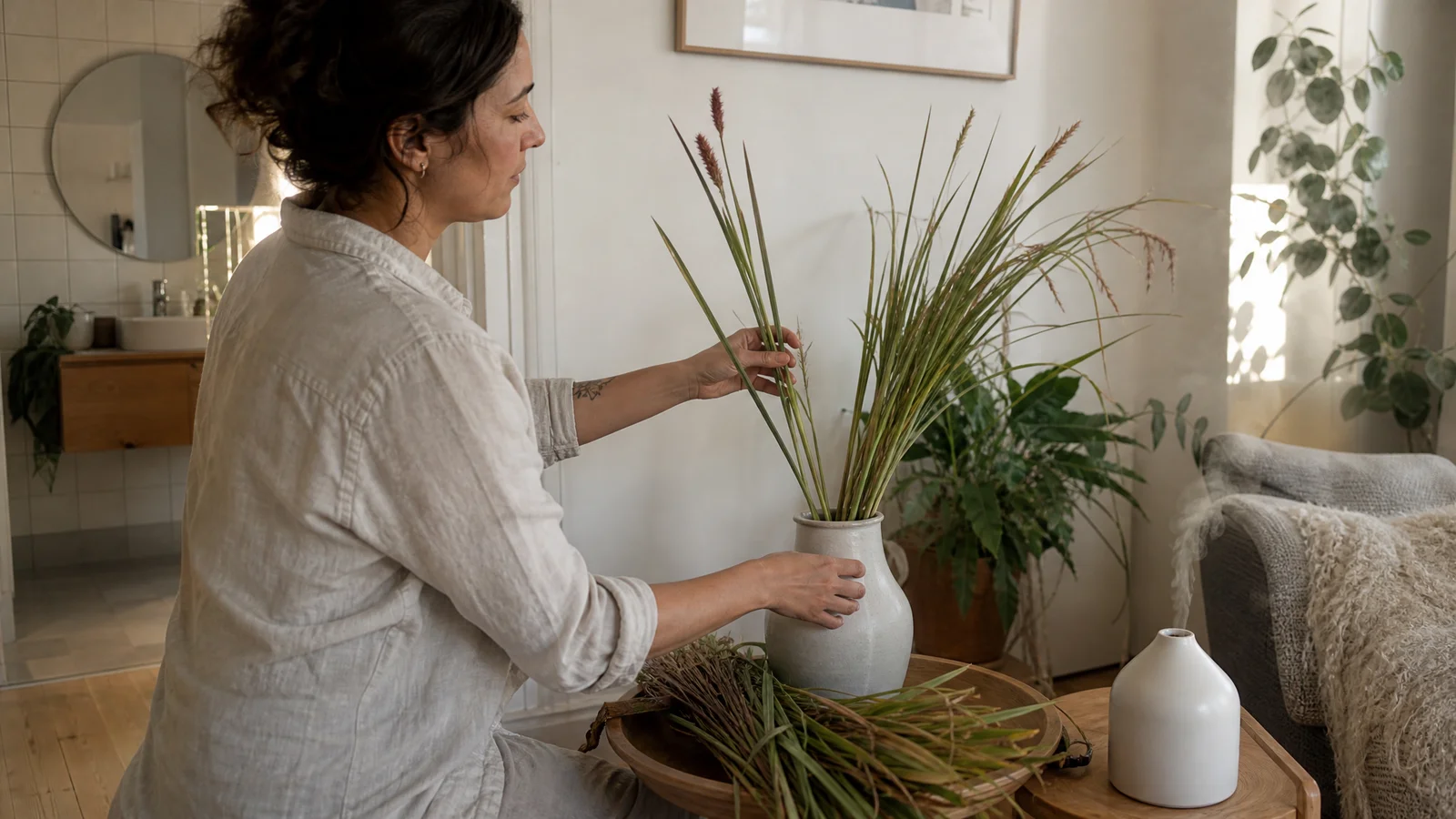
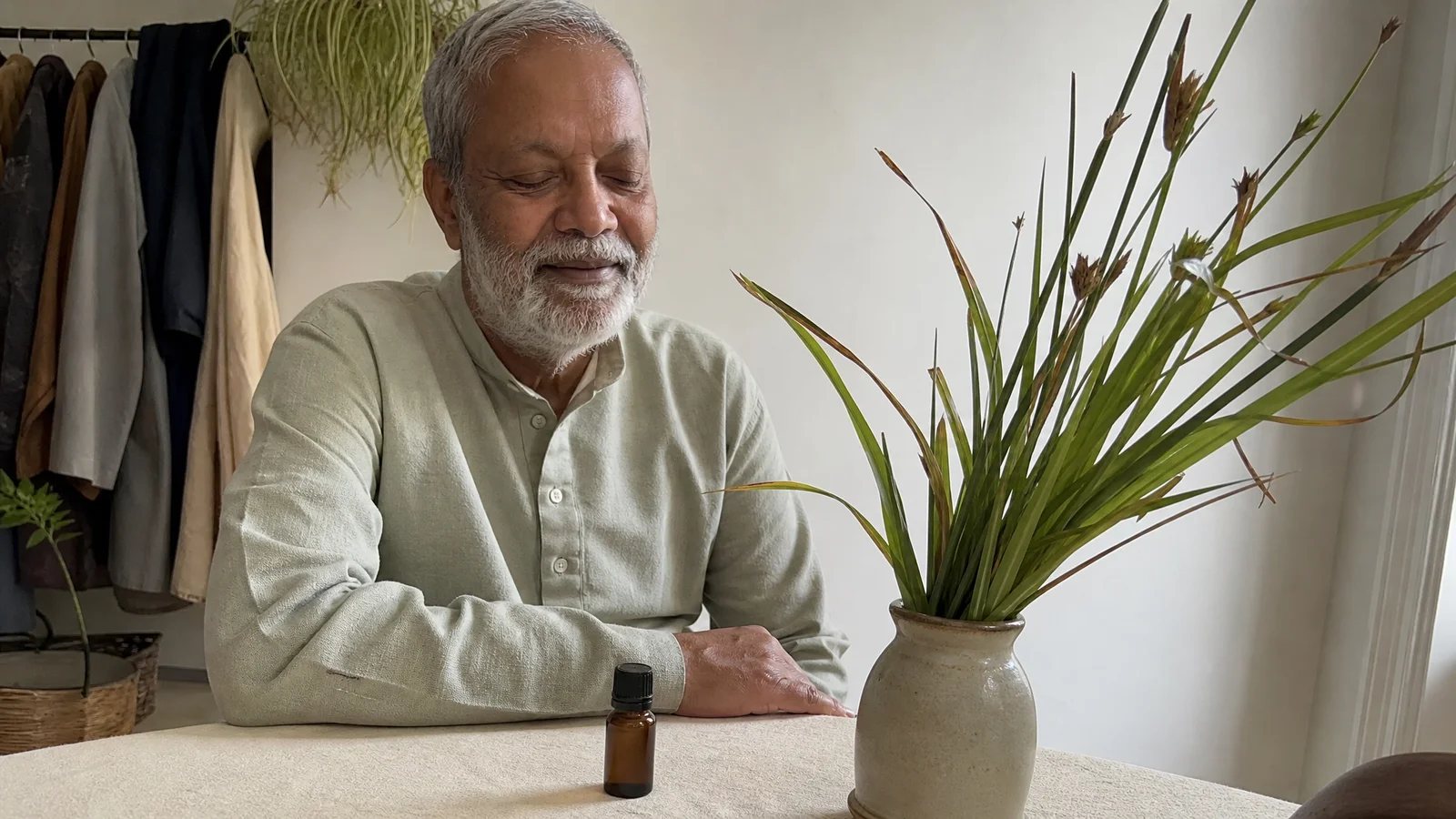
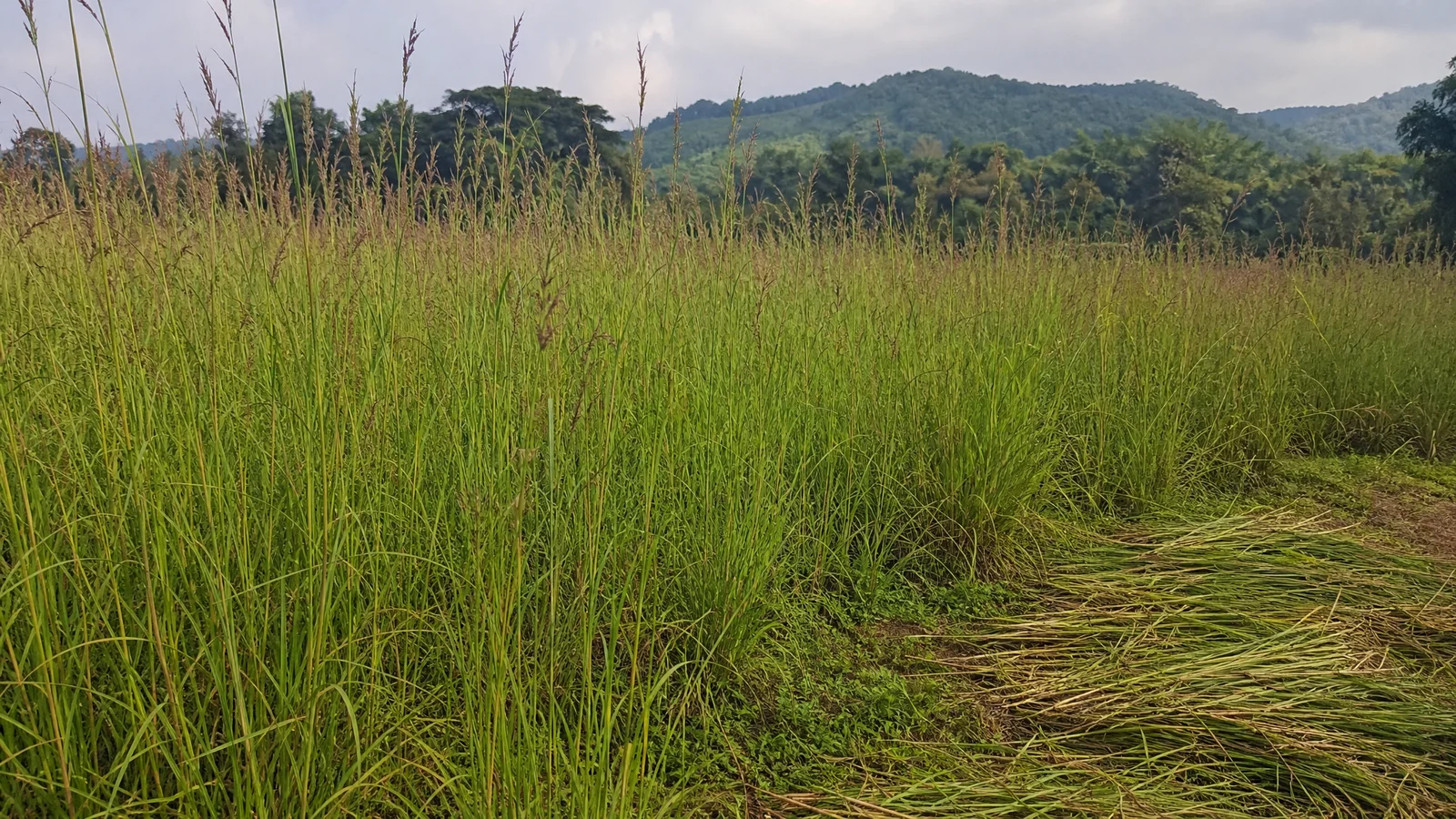
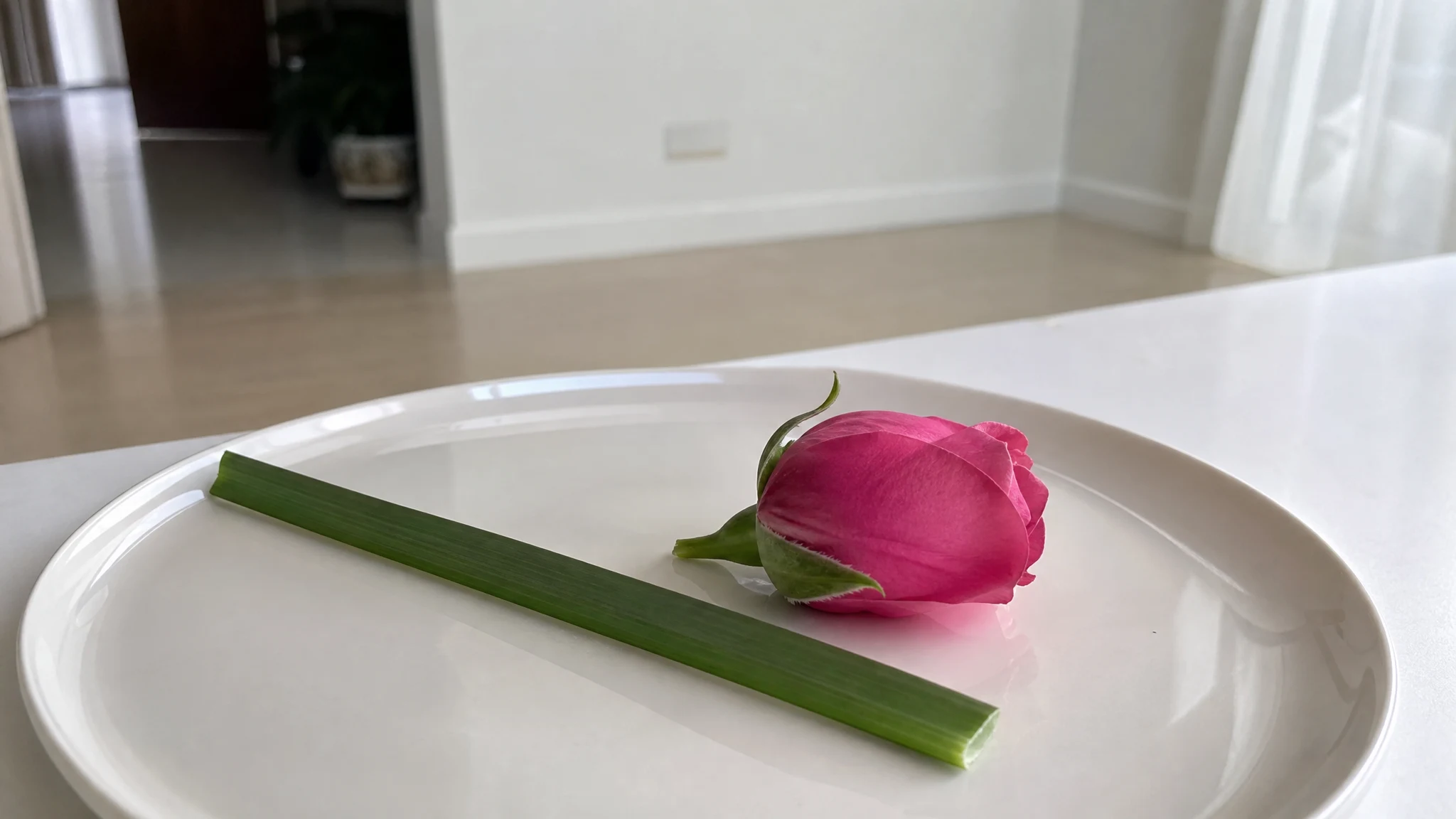
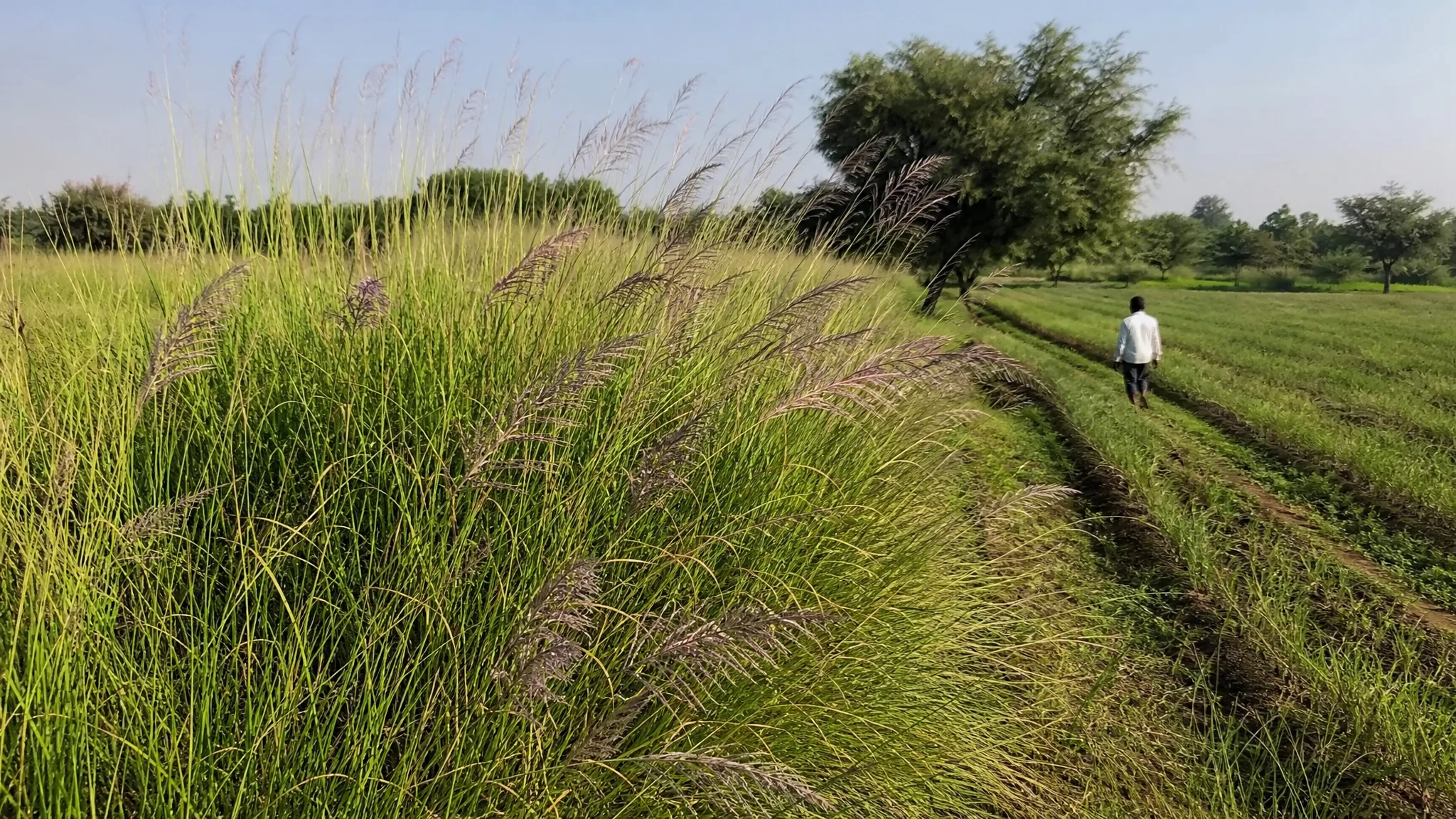
Palmarosa smells so much like rose that the name sounds like a flower, yet the oil comes from a tall grass. Cymbopogon martinii grows in clumps of long blades, and the steam-distilled oil from those blades carries a rosy sweetness that perfumers have used for generations to bring rose character to a blend.
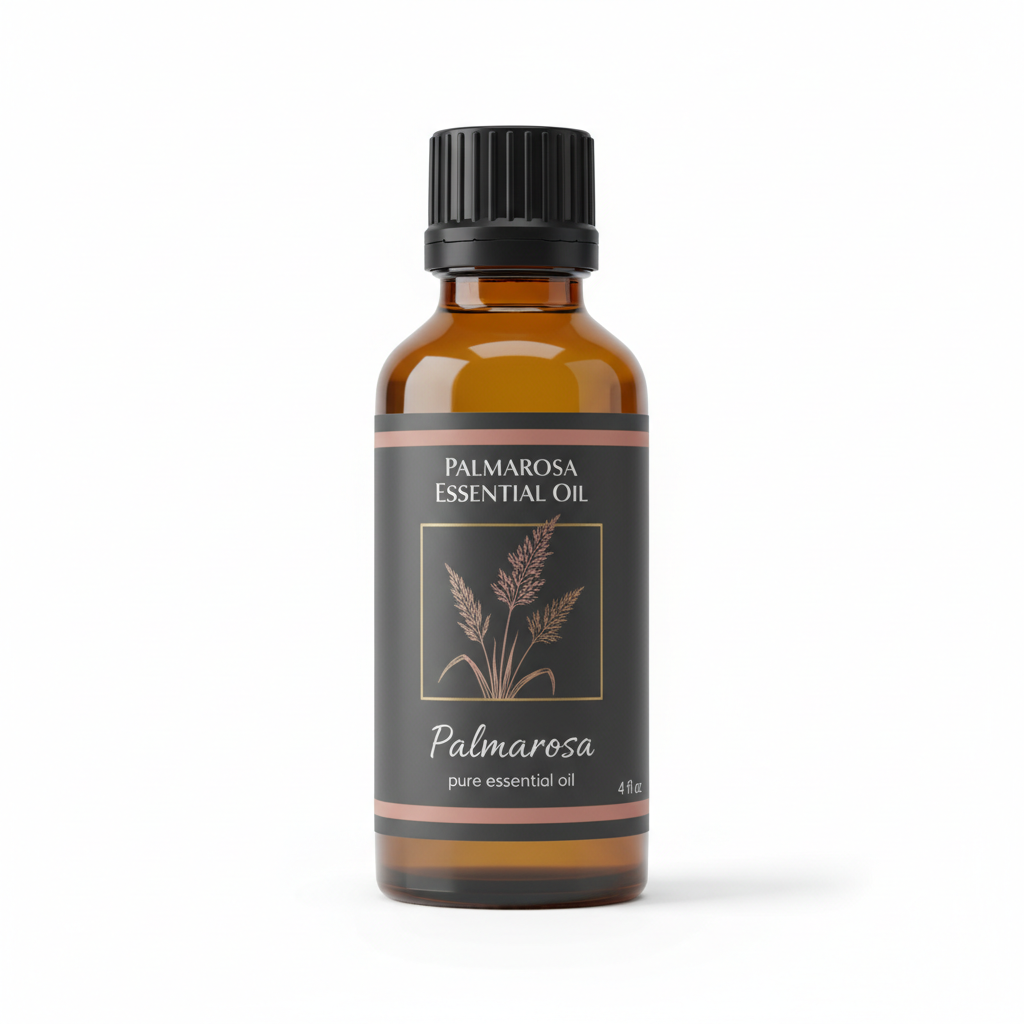
Palmarosa Essential Oil
Our own Palmarosa Essential Oil, in sizes from 0.5 oz to bulk.
From $10.99
Shop Now →What it smells like
Open the bottle and you'll notice a sweet, rosy scent with a gentle green streak and a soft lemony hint. The oil itself is a light yellow liquid with a feel close to water. Perfumers call it a middle note, which simply means it sits in the heart of a blend: not the first whiff, and not the last thing to fade. That is why it pairs so easily with brighter oils on top and deeper ones beneath.
A cousin of lemongrass and citronella
Palmarosa belongs to the same genus as lemongrass and citronella, the Cymbopogon grasses, and the family resemblance stops at the chemistry. Lemongrass and citronella lean on citral and citronellal for their sharp, lemony character. Palmarosa runs high in geraniol instead. IFRA's table of typical compositions puts citral at 0.6% in palmarosa oil, 0.8% in Java-type citronella and 73% in West Indian lemongrass, while geraniol in palmarosa is listed at 82.4%. Same genus, very different bottles. If you like comparing grasses, our three-grass comparison lines them up.
Where the rose comes from
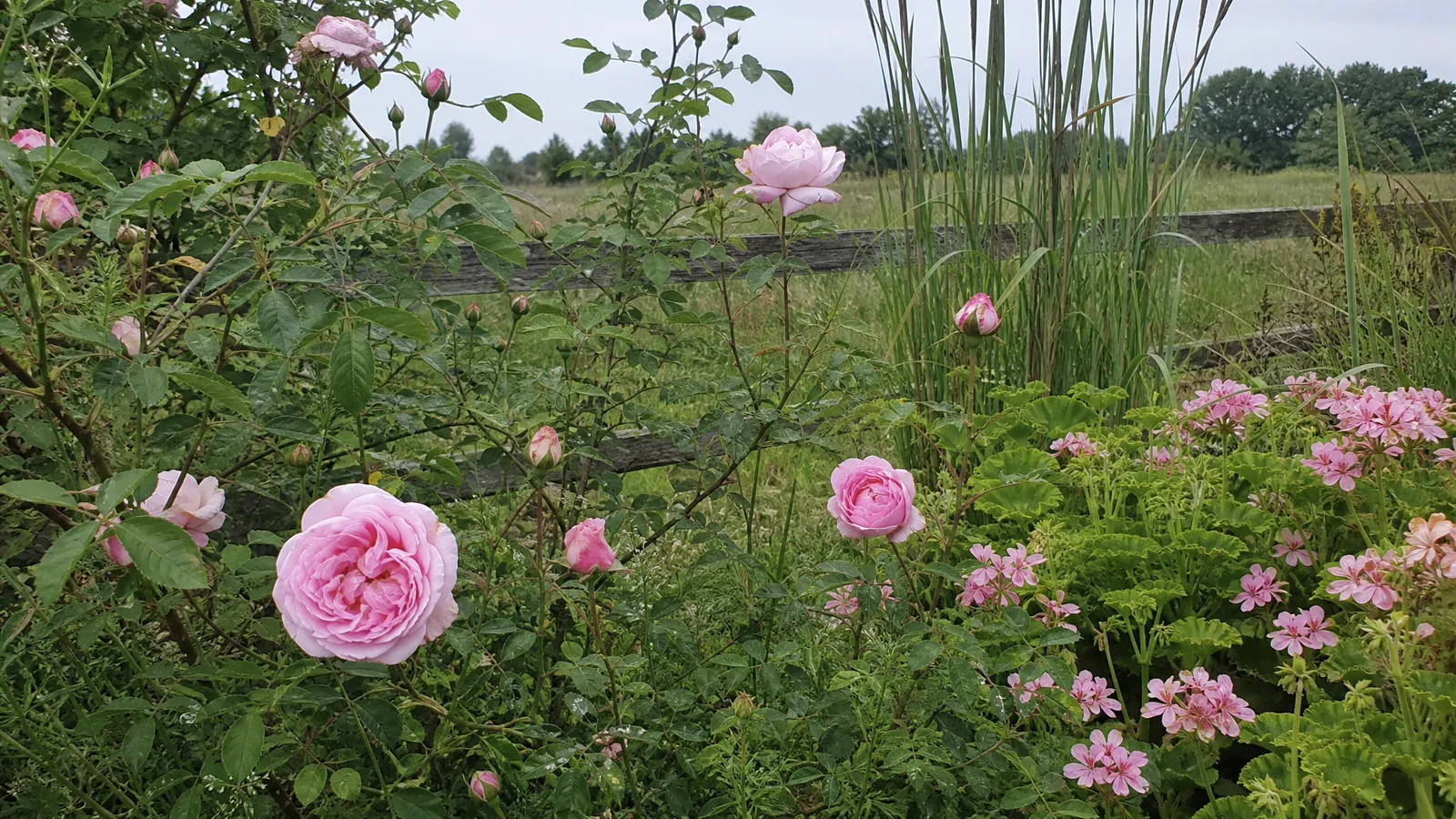
Geraniol is a molecule that also turns up in real roses and in geranium, which is why palmarosa is sometimes called a rose-like oil. It is not a rose. Rose oil is a complex mixture, with citronellol and geraniol side by side and many trace compounds, and it takes enormous quantities of petals to make: a 2023 rose-oil study reports yields of about 0.02%, which means 3.5 to 4 tons of flowers for a kilogram of oil. Palmarosa grass gives far more oil for its weight (0.35% to 0.73% of fresh herb in the Rajasthan study below), and that is a large part of why it is such an approachable oil to work with. Our palmarosa and rose comparison goes into the differences.
An old crop with a long trade
The PROSEA handbook of essential-oil plants notes that palmarosa has been harvested from the wild since antiquity, and that cultivation took hold in India in the early twentieth century and in Java in the 1930s. If you enjoy the history, our short history follows the trade from the grasslands to the perfume houses.
What we sell
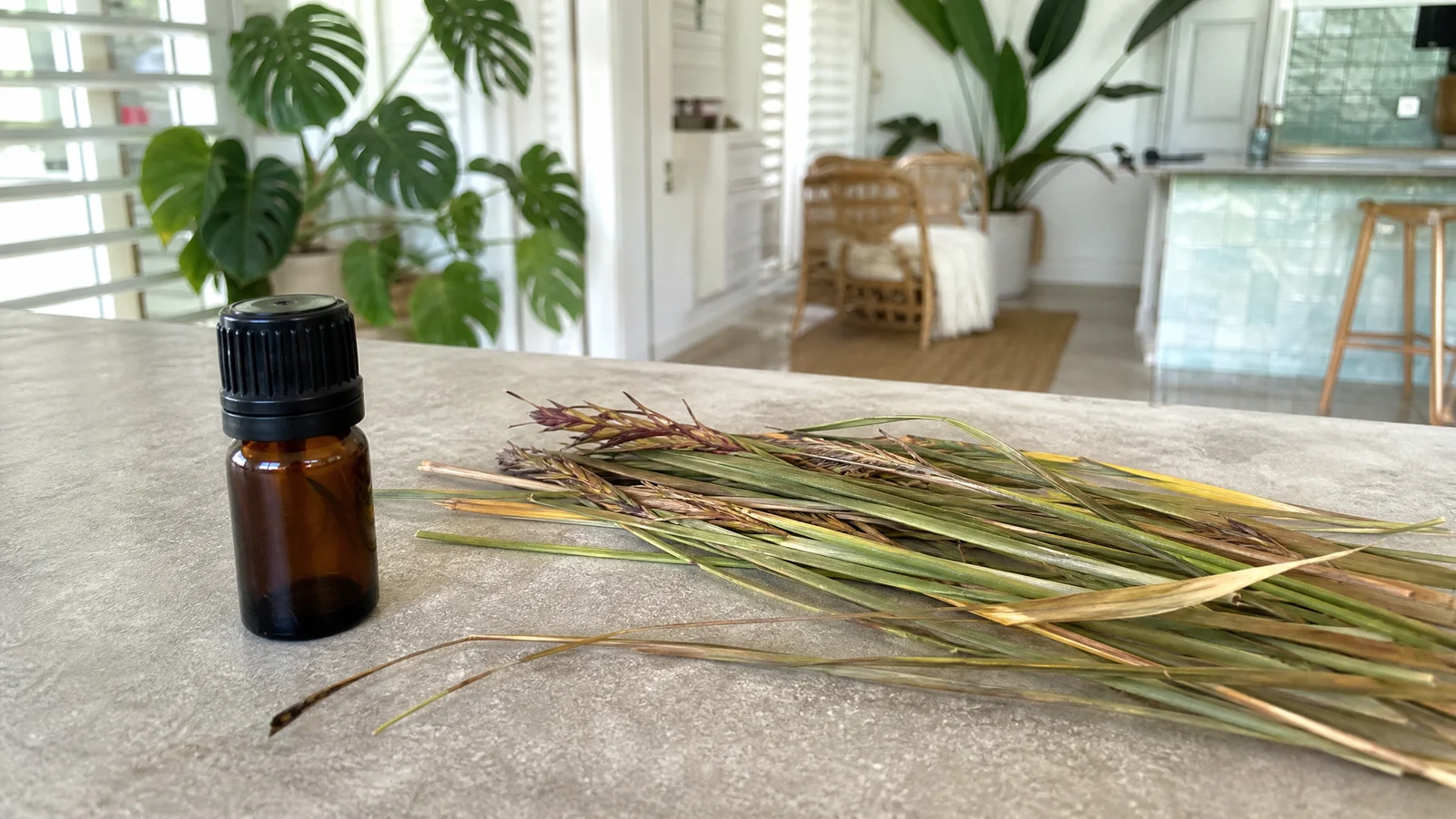
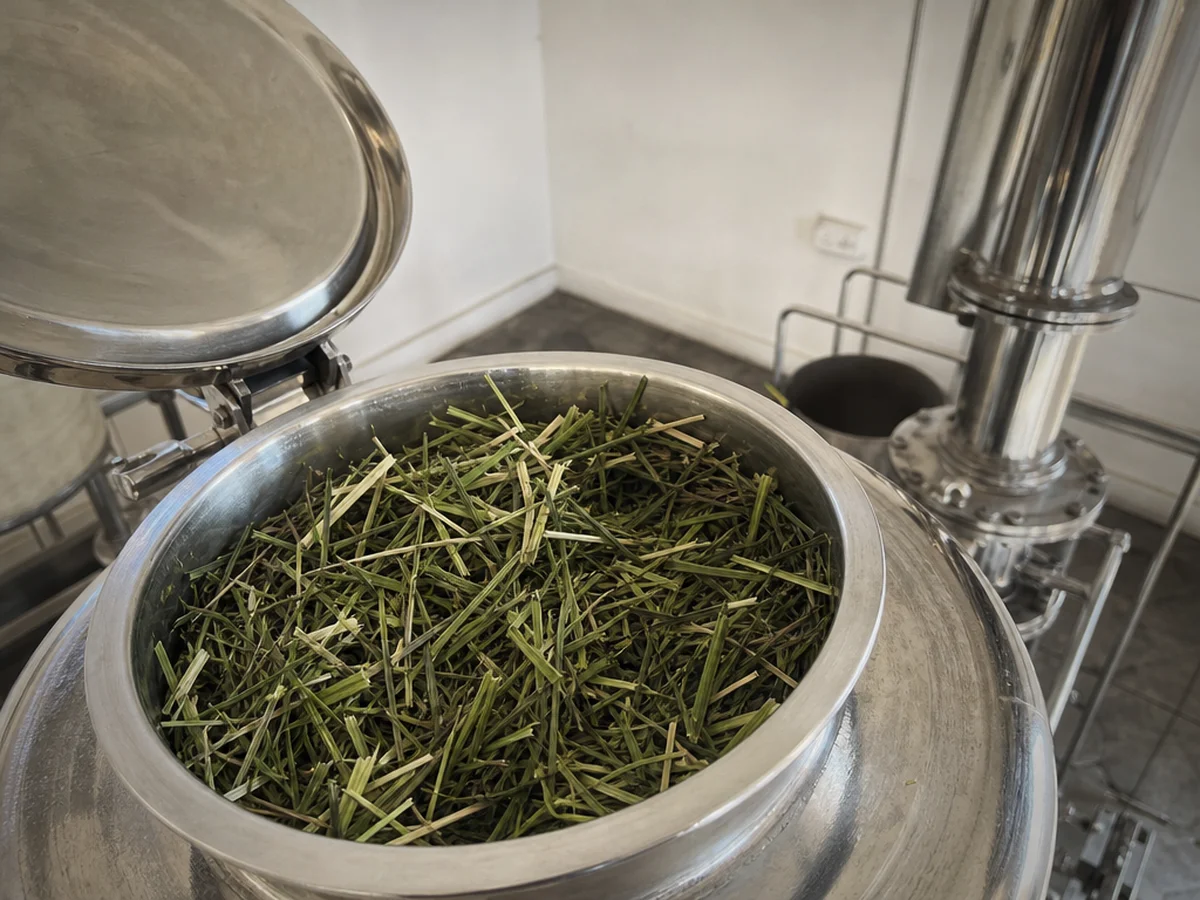
We sell one palmarosa oil, steam-distilled Cymbopogon martinii from the grass blades, sold neat and undiluted with nothing added, from a 0.5 oz bottle up to a 400 lb drum. The Certificate of Analysis we publish for one batch names the part used as leaves and the method as steam distillation, and lists the ingredient as Cymbopogon martinii (Palmarosa) Leaf Oil. It also records density 0.888, refractive index 1.473 and optical rotation +0.12 degrees, each inside its printed range. If you need a geraniol figure or a GC-MS report, ask us in writing through the contact page before you order, and we will tell you what we can supply for your lot.
It is worth knowing that the name "palmarosa" does not fix the chemistry. A 2025 study of wild-growing plants in Rajasthan reported an oil with carveol-rich chemistry and no geraniol among its principal constituents, and its authors compared it with var. sofia. IFRA lists that variety separately, as gingergrass oil, with geraniol at only 0.04%. So a geraniol figure for your own lot, in writing, is worth asking any seller for, and the label-reading guide shows how to tell the difference on any bottle.
What people use it for
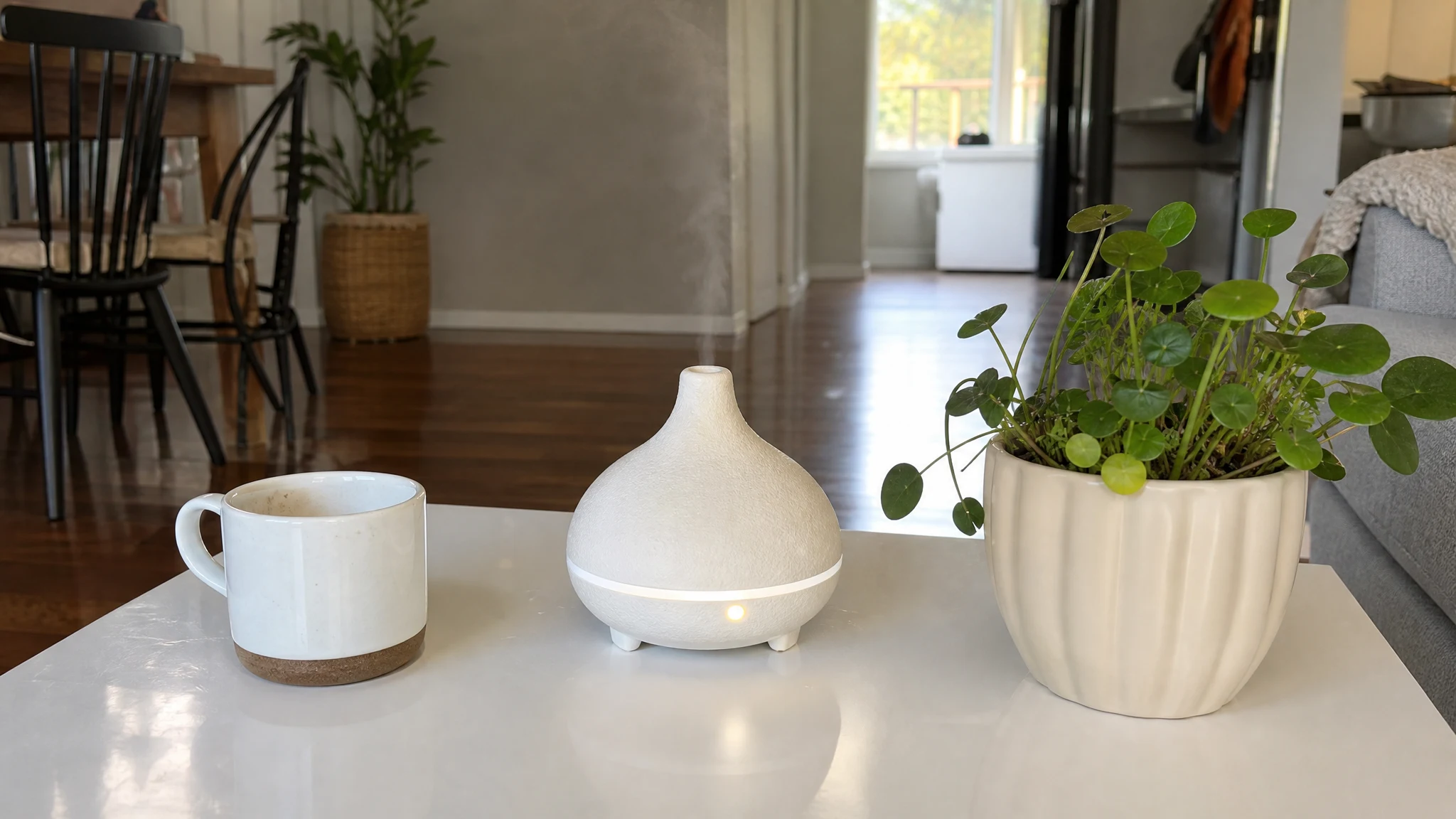
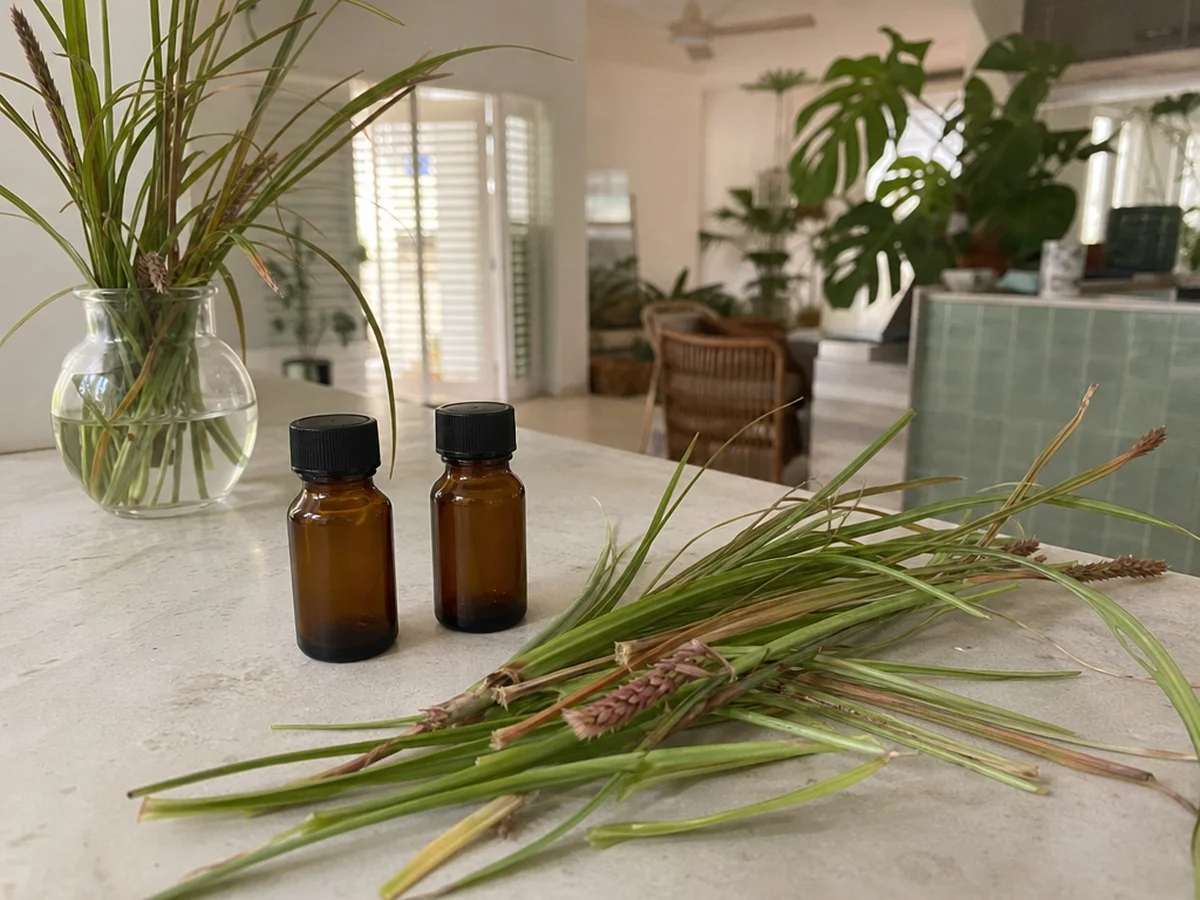
Palmarosa belongs in perfumery and scented products: a diffuser, home fragrance, cold and hot process soap, candles, and a drop or two in a facial or body oil. It blends comfortably with geranium, bergamot, ylang ylang, sandalwood, lavender and patchouli, and it is a middle note, so it sits at the heart of a blend. We do not claim any therapeutic effect for it; it is a fragrance material.
Easy ways to start
- A few drops in a diffuser, which is the simplest way to get to know the scent.
- A small bar of melt-and-pour soap, where it has room to stretch.
- A light linen spray for cushions and pillowcases.
- A handmade candle, if you already make them; our candle article covers it.
Whichever you choose, write the date on the bottle when you open it and keep it tightly capped. A small habit now makes the second and third projects easier.
Geraniol is one of the fragrance allergens regulators watch, and IFRA caps it by product category: 0.78% in a facial moisturizer, 1.2% in body creams and oils and 2.8% in rinse-off body products, with no limit for candles. Working back from IFRA's 82.4% figure, the face limit comes to about 0.95% oil. Our general dilution guidance is 0.5% to 2% in a carrier oil with a patch test first, and for the face we start at 0.5%, comfortably under that 0.95% figure. Keep it away from eyes, children and pets, and do not take it internally. The dilution chart does the sums for every common bottle size.
Once you know it is a grass with a rose in its chemistry, the oil makes a lot more sense, and so does the way it behaves in a blend. For the botany behind the blades, the plant and its harvest is the next stop.
Palmarosa Essential Oil
Palmarosa Essential Oil from our own shop, in sizes from 0.5 oz to bulk.
From $10.99
Shop Now →Sources & Further Reading
- IFRA, 2023. Annex on contributions from other sources to the IFRA Standards (51st Amendment)
- IFRA, 2023. IFRA Standard: Geraniol, 2023 (Amendment 51)
- Raeber J, Favrod S, Steuer C, 2023. Determination of Major, Minor and Chiral Components as Quality and Authenticity Markers of Rosa damascena Oil by GC-FID. Plants
- Sonigra P, Meena M, 2025. Influence of growth stage on the chemical composition, antimicrobial, and antioxidant potential of Cymbopogon martinii (Roxb.) Wats. essential oil. Frontiers in Plant Science
- PROSEA, PROSEA - Plant Resources of South East Asia, record 661 (Cymbopogon martini)