Palmarosa Oil Uses: What Amount Fits Each Product
It is tempting to treat a bottle of palmarosa as one recipe that fits everything: a few drops here, a few there. In practice the right amount swings enormously with what you are scenting. A manual room spray can carry roughly twenty times more oil than an underarm product. So the useful first question is not "how many drops?" but "what am I making?"
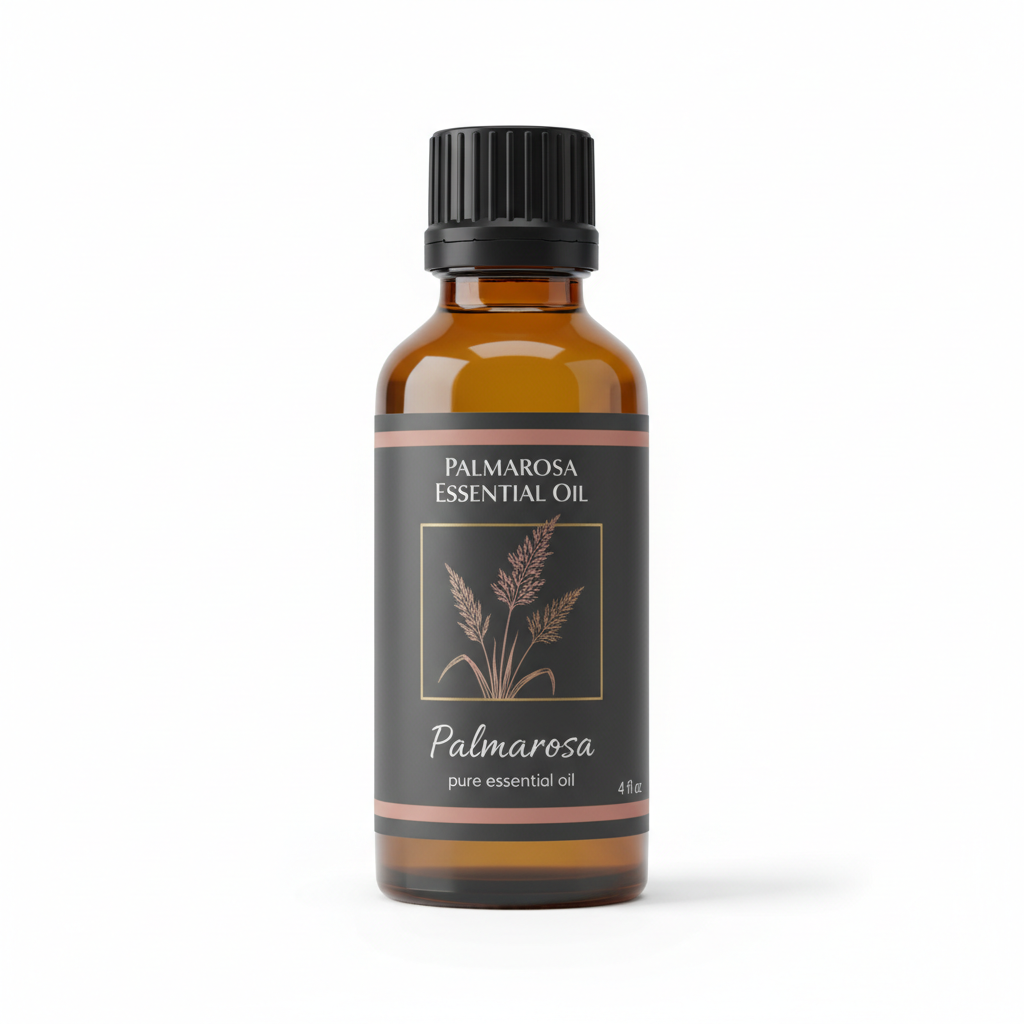
Palmarosa Essential Oil
Our own Palmarosa Essential Oil, in sizes from 0.5 oz to bulk.
From $10.99
Shop Now →Start with the bottle in your hand
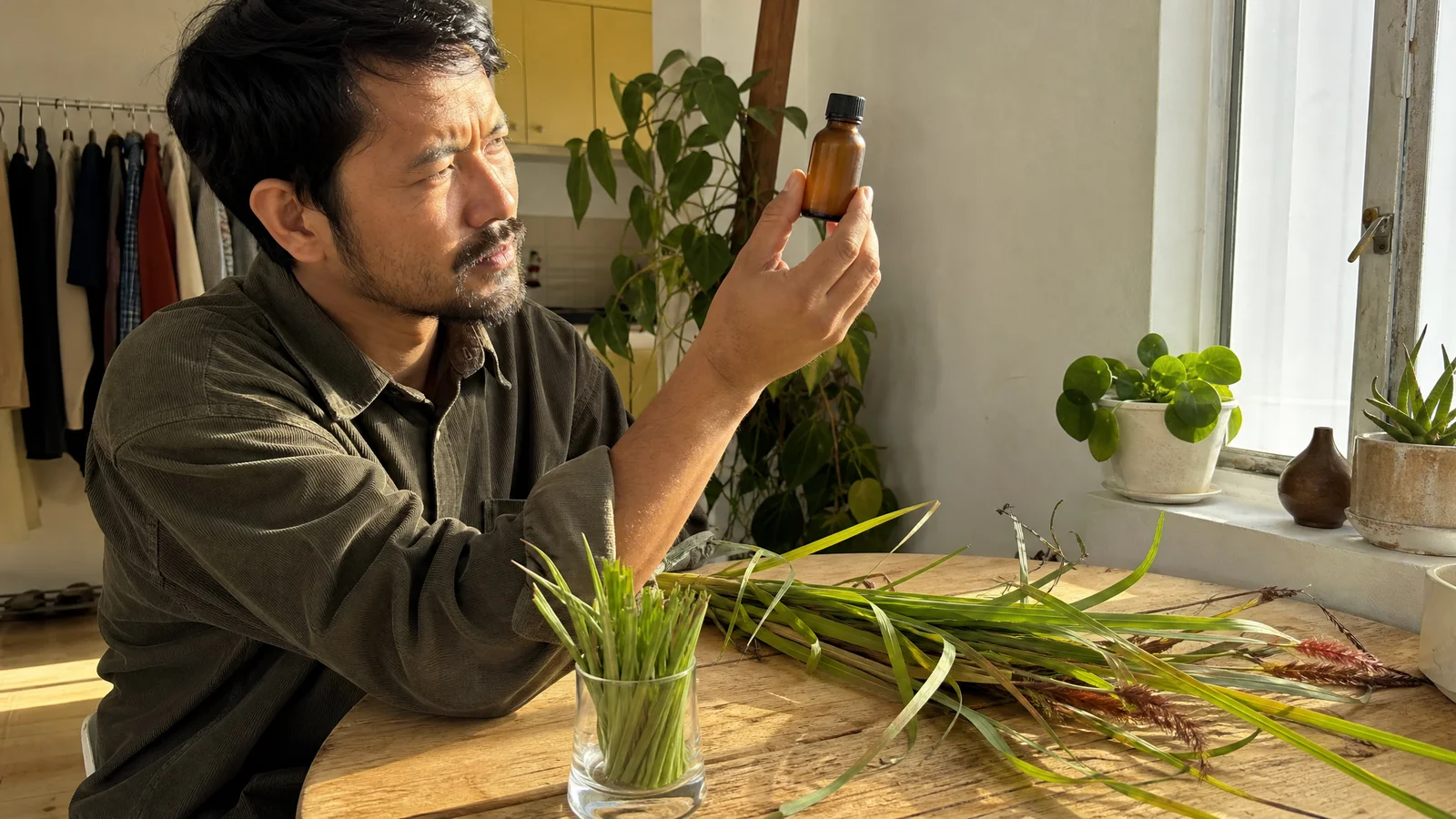
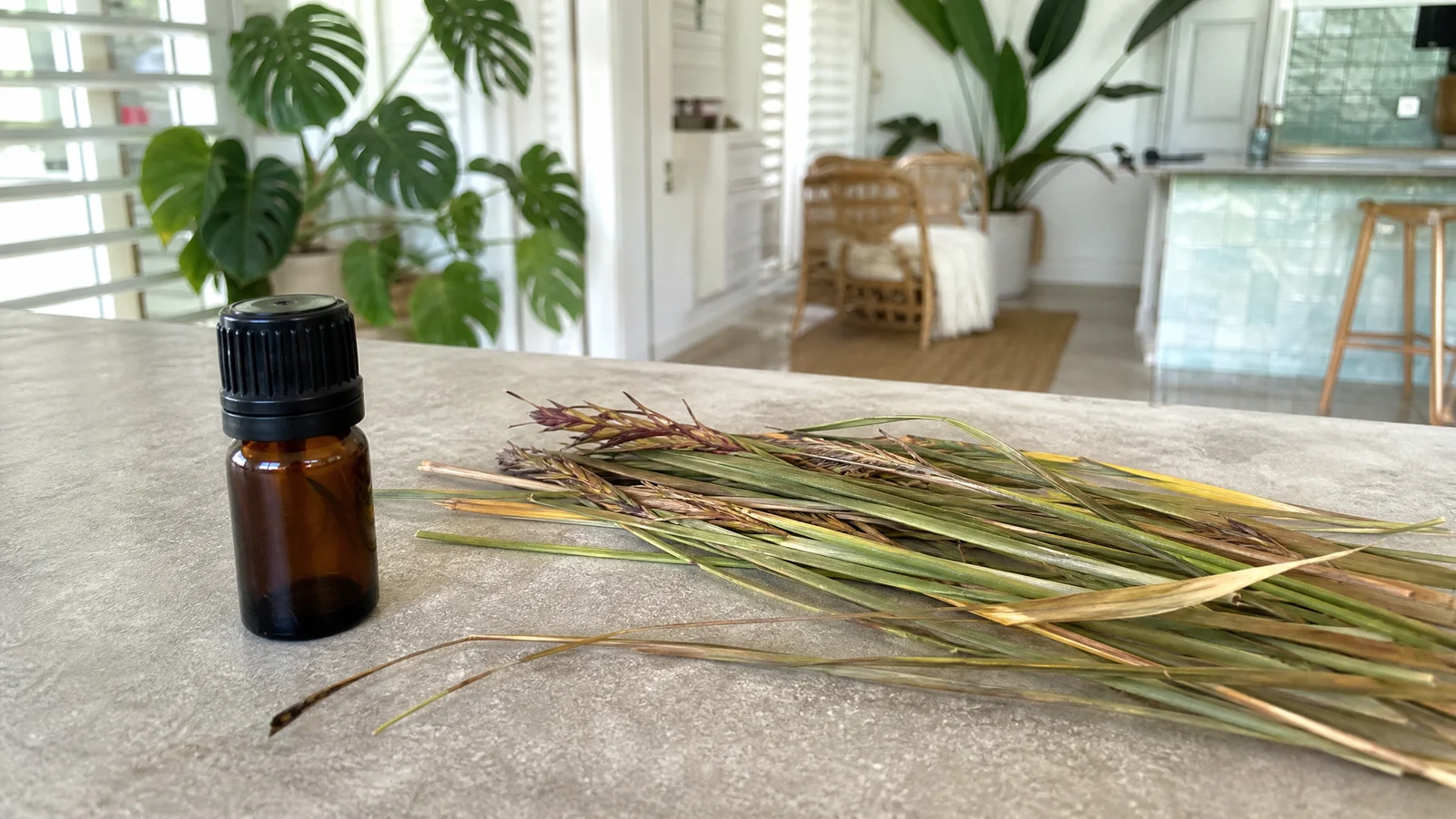
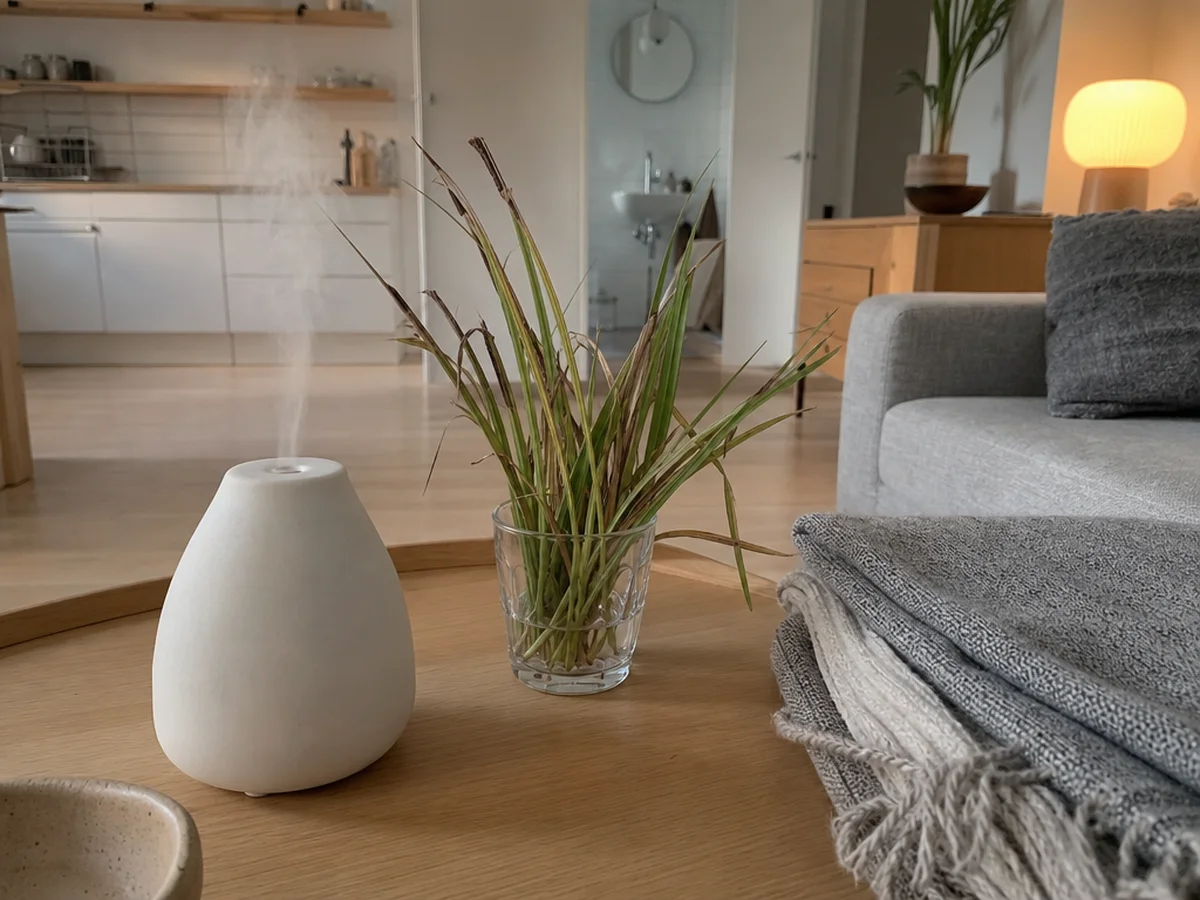
Before any maths, open the bottle and simply smell it. You'll notice something sweet and rosy, with a gently green streak running through it and a soft lemony hint at the edge. It is a light yellow liquid that pours about as easily as water, so a dropper empties faster than you expect. A scent this easy to like is also easy to overdo, and most palmarosa mistakes are generous-hand mistakes.
Why the product sets the amount
Palmarosa's rosy character comes mostly from geraniol, a fragrance material the industry regulates carefully. IFRA, the fragrance industry's safety body, sets a maximum geraniol level for each of its twelve product categories, with skin sensitization as one of the reasons behind the limits (IFRA geraniol standard, 2023). Its annex lists a typical geraniol content of 82.4% for palmarosa oil (IFRA annex), so dividing a category's limit by 0.824 gives a rough ceiling for how much oil that product can hold. The table uses the category placements from IFRA's own guidance (IFRA guidance).
| What you are making | IFRA category | Rough ceiling for the oil |
|---|---|---|
| Body mist or body spray | 2 | about 0.30% |
| Pillow spray | 11 | about 0.32% |
| Face moisturizer | 5B | about 0.95% |
| Fabric spray, reed diffuser | 10A | about 1.33% |
| Body cream, lotion or oil | 5A | about 1.46% |
| Bar soap, body wash | 9 | about 3.4% |
| Candles, plug-in air fresheners | 12 | no limit from this standard |
This is our arithmetic from typical values, so read it as a ceiling and never as a target. The certificate of analysis we publish for one batch lists density, refractive index and optical rotation. If you need geraniol figures for a particular lot, ask us in writing through the contact page before you order.
Where we start
We recommend diluting our palmarosa to between 0.5% and 2% in a carrier oil for skin, and patch testing first. The table tells us how to use that range: 2% brings about 1.65% geraniol, which is above the limit for nearly every leave-on category, so we begin at the low end and treat the top of the range as something only rinse-off products can comfortably reach. The Tisserand Institute's general ranges point the same way, with 0.5% to 1.2% for the face, 1% to 3% for body oils and 0.2% to 1% for sensitive skin (Tisserand Institute).
A helpful sense of scale: at the usual rough figure of 20 drops per ml, two drops in an ounce of carrier works out to about 0.3% by weight. That is a lovely, light level for a body oil. Droppers vary, so weigh anything you plan to repeat. The dilution chart does the conversions for you.
Keep a small notebook
We recommend writing down what you make: the product, the weight of the base, the weight of the oil and the date. It takes a minute and saves you from guessing next time. A blend that smells sharp when you first stir it often smells rounder the next morning, so give it a night before you decide whether to change anything, and change one thing at a time.
On skin
Palmarosa needs a carrier for skin work, and you will find carrier oils at a pharmacy, grocery or craft shop. Our carrier oil guide walks through the choices. Two ready formulations make good starting points: a water-free body butter and a light face oil. Anyone with eczema, broken skin or a history of reacting to scented products should check with a dermatologist before using a fragranced leave-on product.
In sprays
Sprays are where one bottle quietly becomes three products. IFRA places body mists in category 2, the underarm category, because use tends to spread beyond the body. Pillow spray sits in category 11 because a face may meet the pillow before it dries, and fabric sprays sit in 10A. That is why our body mist and linen spray formulations use different strengths for different jobs.
In soap and in the air
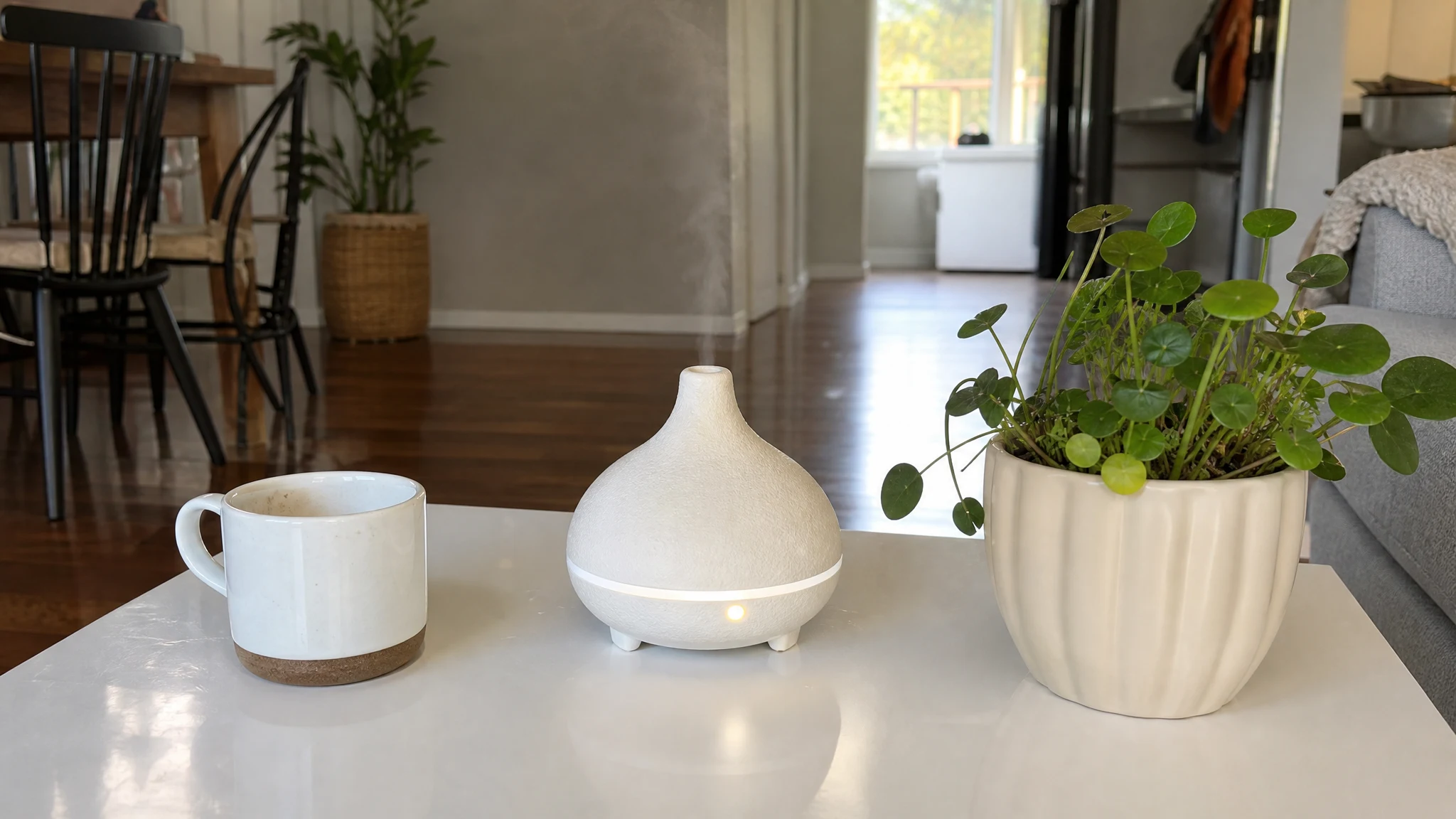
Rinse-off products have the most generous skin ceiling of all, and our soap and scrub ideas make the most of it. Candles fall in IFRA's category 12 with no geraniol restriction, because skin exposure is negligible. For a diffuser, keep the oil away from children and pets, and take a look at our diffuser ideas.
A good first project
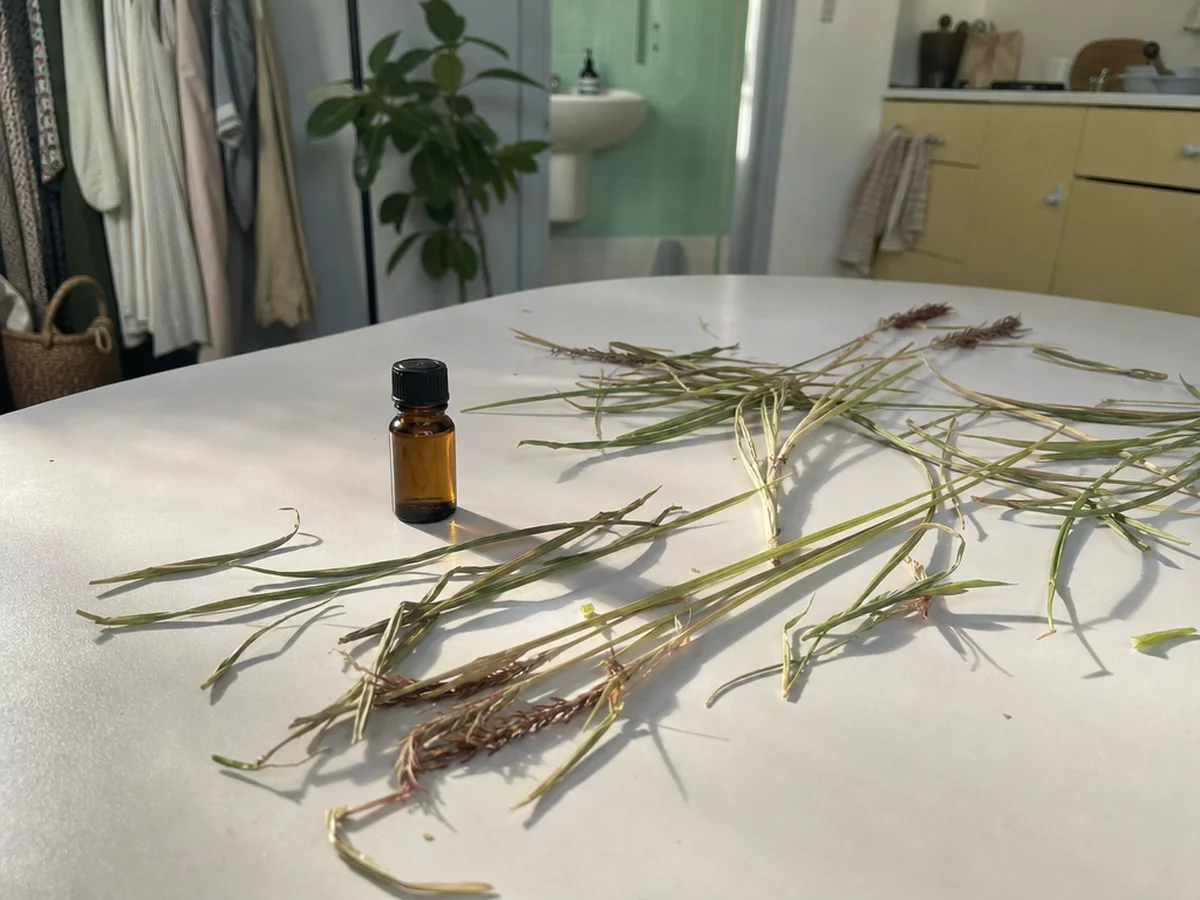
If this is your first bottle, our recommendation is to begin with something rinse-off, such as a small bar of melt-and-pour soap or a sugar scrub. You get to learn the scent in a forgiving setting before it goes into anything that stays on skin. A cushion spray or a diffuser is the next easy step, and the leave-on products come last, once you know how strong you like it.
Think of palmarosa as a generous, flexible oil with a different appetite in every part of the house: a whisper on the pillow, a little more on the curtains, a good deal in a bar of soap. Match the dose to the product and it will be a pleasure in all of them. If you make several of these products, larger sizes are listed on our bulk page. Our oil is for external use only and is never to be swallowed.
Palmarosa Essential Oil
Palmarosa Essential Oil from our own shop, in sizes from 0.5 oz to bulk.
From $10.99
Shop Now →