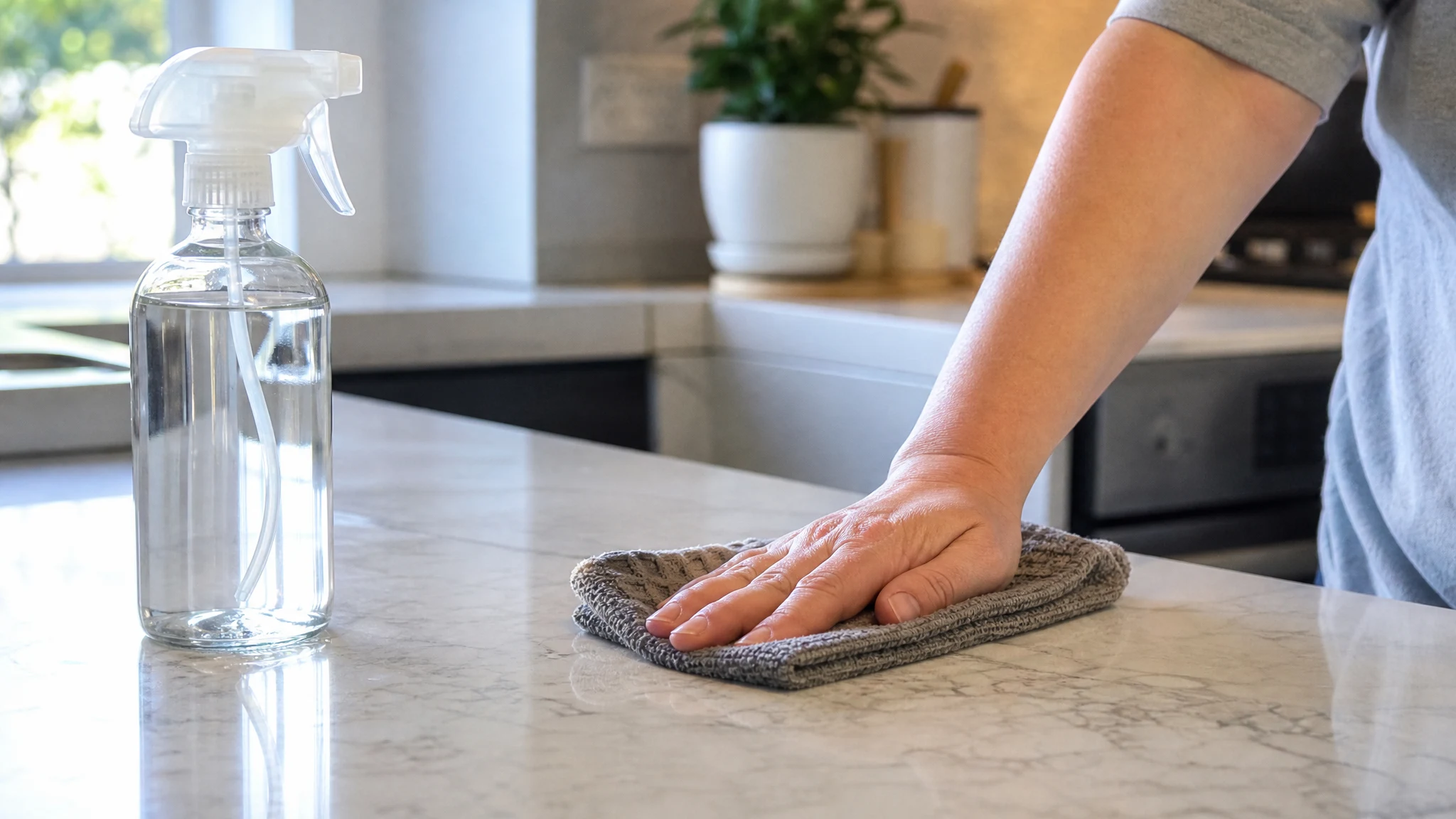
Scenting a DIY Cleaning Spray with Palmarosa
Palmarosa smells like a rose garden that has been mown, which makes it a lovely finishing note for a homemade surface spray. Think of it as the fragrance step. Detergent does the cleaning, and the oil makes the room smell the way you want it to.
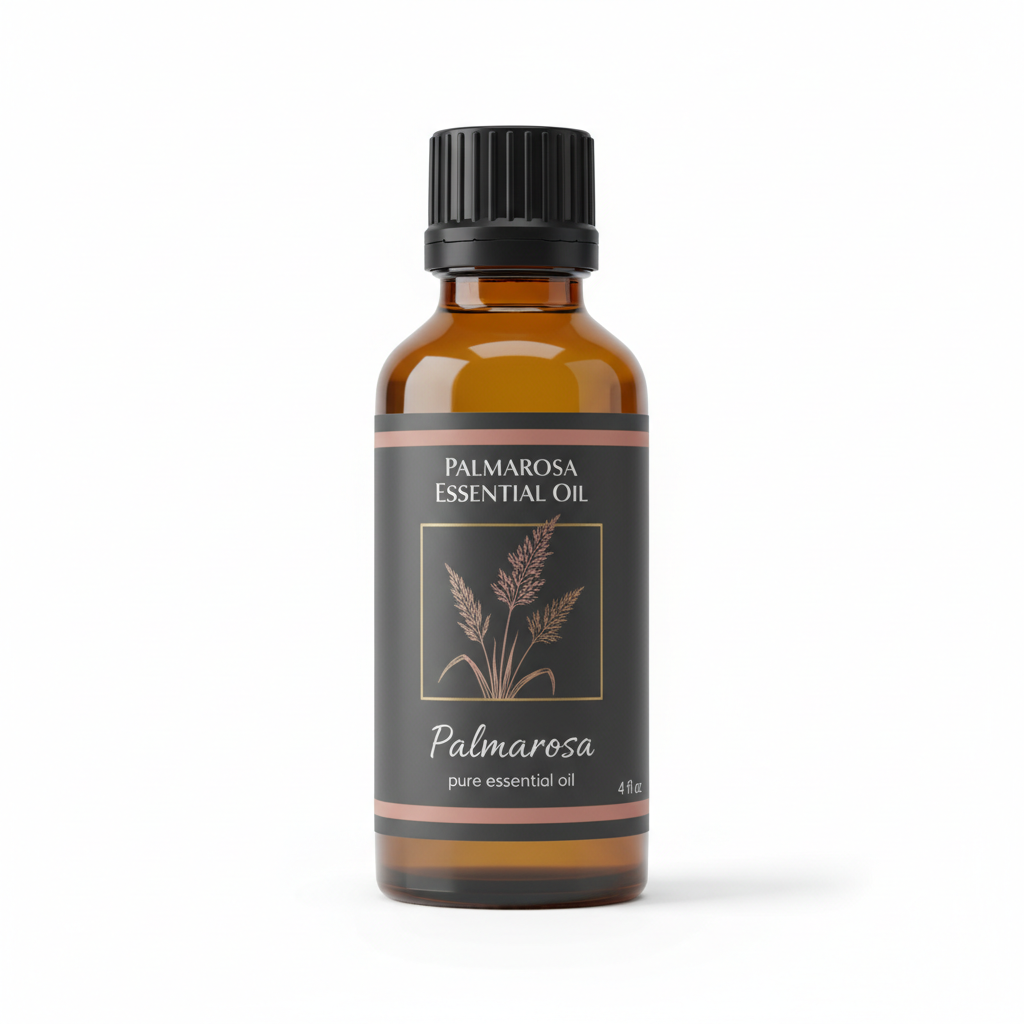
Palmarosa Essential Oil
Our own Palmarosa Essential Oil, in sizes from 0.5 oz to bulk.
From $10.99
Shop Now →Three jobs, three different tools
It helps to keep clean, disinfect and scent apart. The CDC puts it simply: cleaning removes most germs, dirt and impurities from surfaces, while disinfecting kills most germs, and for that it points to an EPA-registered product used as its label directs (When and How to Clean and Disinfect Your Home | Water, Sanitation, and Environmentally Related Hygiene (WASH) | CDC). The EPA adds that words such as "kills," "disinfects" and "sanitizes" on a label require registration (Pesticide Labeling Questions & Answers | US EPA).
So we offer palmarosa for what it does well, which is scent, and make no disinfecting claim for it. Where you need to disinfect, reach for a registered product and follow its label, and don't mix the two in one bottle.
A scented all purpose spray, by weight
This is a formulation worked out from the arithmetic below, not a family recipe. Scale it by weight, and weigh the oil rather than counting drops.
| Ingredient | 250 g bottle |
|---|---|
| Palmarosa oil, 0.5% | 1.25 g (about 1.4 ml, roughly 28 drops) |
| Polysorbate 20, 4 parts to 1 of oil | 5 g |
| Unscented liquid dish detergent | 2.5 g |
| Distilled water | to make 250 g |
The drop count uses the density of 0.888 on the Certificate of Analysis we publish for one batch and the rough convention of 20 drops to the millilitre. The 0.5% figure and the 4 to 1 ratio are our own starting points. Palmarosa is mostly geraniol, so 0.5% oil is about 0.4% geraniol by arithmetic from a typical composition. That sits below the skin caps IFRA sets for many leave-on products, which seems a sensible place to land for something your hands will touch.
Oil and water don't mix on their own, which is the job of polysorbate 20, a surfactant the Tisserand Institute describes as one that can solubilize essential oils into a water based system (Bath Safety: how to use essential oils safely in the bath). Stir the oil into the polysorbate first, mix in the detergent, then add the water slowly. A clear liquid means it has worked; cloudy means a little more polysorbate. Polysorbate and detergent come from a cosmetic-ingredient supplier or a grocery shop, not from us.
Choosing the bottle and the label
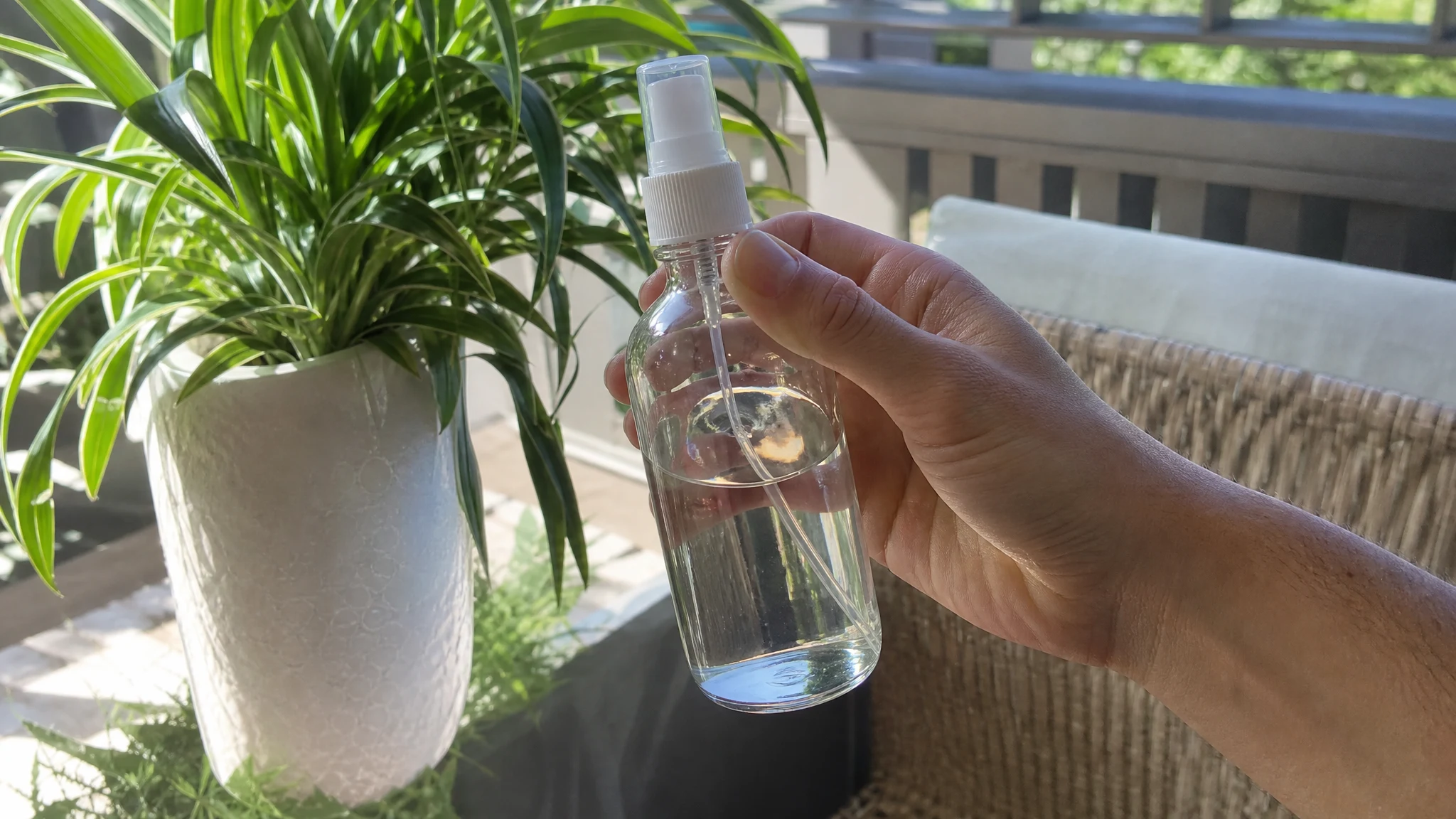
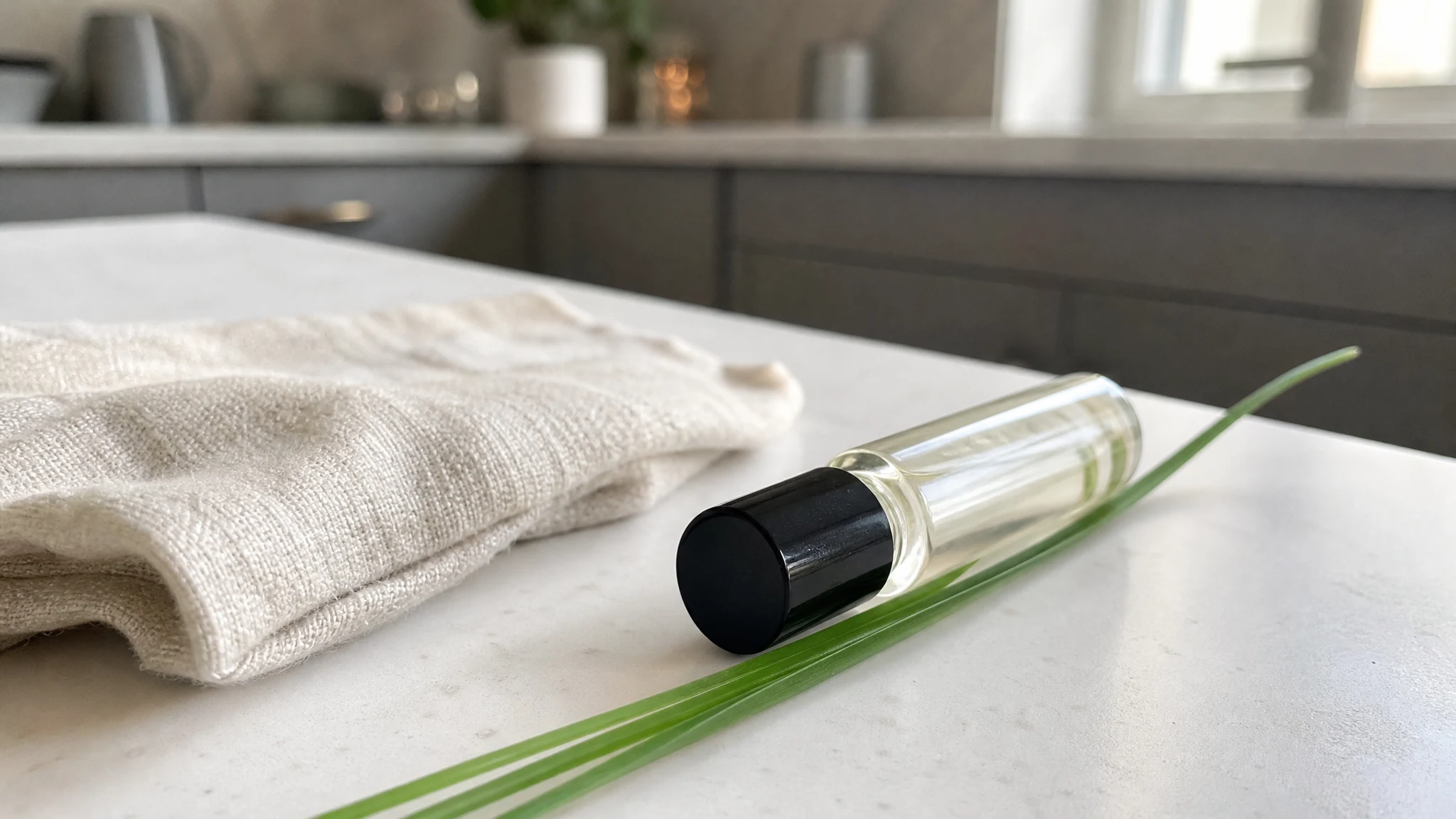
A fine-mist spray bottle makes the most of a lightly scented cleaner, and a dark or opaque one keeps the oil away from light. Reuse a bottle only if it has been emptied and washed well and never held anything you would not want near your surfaces. Write what is inside, the date you made it and a short note such as "scented spray, not a disinfectant" on the label. If someone else in the house reaches for it, they will know what it is and what it is not.
What you will notice
Give the bottle a gentle swirl before use, spray a little onto a damp cloth and wipe. The palmarosa shows up as a soft rose-and-cut-grass scent that lingers lightly after you finish, rather than a sharp blast. If it seems quiet, give it time: your nose adapts quickly while you work, and the scent often seems clearer when you walk back into the room. A single light pass is plenty, so resist the urge to spray until the cloth is soaked.
Keeping it fresh
Any water-based mixture can grow microbes. FDA lists contaminated water and ineffective preservation among the causes in cosmetics (Microbiological Safety and Cosmetics). That page is about cosmetics, so applying it to a cleaner is our reasoning, but it is cheap advice to follow. Make small amounts, write the date on the bottle and pour out anything that turns cloudy or smells off. A batch meant to last longer needs a preservative from a cosmetic supplier.
Where to use it, and where not
Spray onto a cloth rather than into the air, and try it on a hidden spot first, since finishes differ. We keep it off surfaces where food is prepared, where plain soap and water is the better routine. Open a window while you work.
Homes with animals deserve a second thought. The ASPCA notes that cats are especially sensitive to essential oils and does not recommend using them where pets have access unless they are supervised or your veterinarian approves (Pet Poisons: Be Mindful of these Household Products and Cleaning Agents | ASPCA). Our pets post goes through it, and our own guidance is to keep the oil away from children and pets and never take it internally.
If you love the scent more than the scrubbing
For a softer touch on fabrics, our linen spray is the better starting point, and the home fragrance guide shows the other ways the oil fits into a household. The dilution chart covers percentages if you want to scale anything up or down.
A bottle on the windowsill that smells faintly of roses and cut grass is a small pleasure. Let the detergent clean, and let the palmarosa do what it does best.
Palmarosa Essential Oil
Palmarosa Essential Oil from our own shop, in sizes from 0.5 oz to bulk.
From $10.99
Shop Now →Sources & Further Reading
- CDC. When and How to Clean and Disinfect Your Home | Water, Sanitation, and Environmentally Related Hygiene (WASH) | CDC. cdc.gov
- EPA. Pesticide Labeling Questions & Answers | US EPA. epa.gov
- Tisserand Institute. Bath Safety: how to use essential oils safely in the bath. tisserandinstitute.org
- FDA. Microbiological Safety and Cosmetics. fda.gov
- ASPCA. Pet Poisons: Be Mindful of these Household Products and Cleaning Agents | ASPCA. aspca.org